

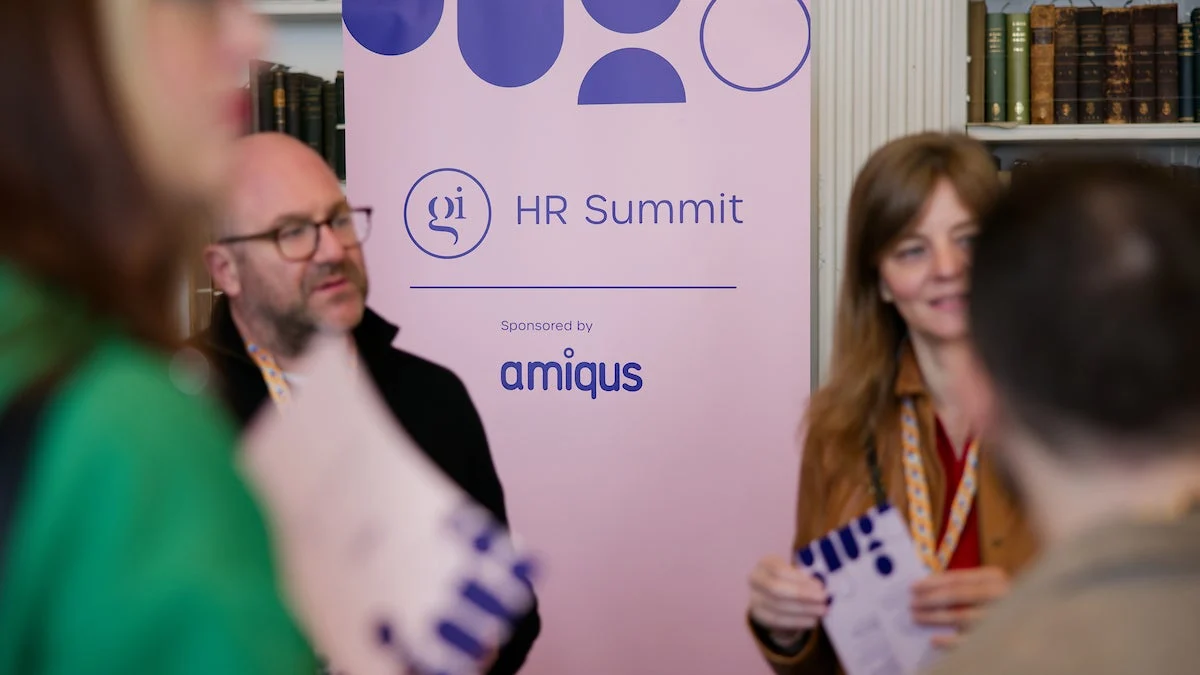
The landscape of the video game industry is undergoing a seismic shift. As studios grapple with rapid technological advancements, the integration of artificial intelligence, and the persistent need for sustainable growth, the role of Human Resources and People Operations has never been more vital. Next month, industry leaders will converge at the historic Royal Institution in London for the GamesIndustry.biz HR Summit 2025—an event poised to set the agenda for the future of talent management and workplace culture in gaming.
Sponsored by Amiqus, the summit promises more than just theoretical discussion. It is designed as an action-oriented forum where industry veterans and HR specialists will collaborate on the tangible strategies required to foster healthier, more productive, and more innovative studio environments.
Main Facts: The Core Objective of the 2025 Summit
The primary objective of this year’s summit is to move beyond the traditional "best practices" of the past and confront the nuanced realities of the modern game development lifecycle. The event is curated by an advisory board of industry experts, ensuring that the content remains tethered to the actual, day-to-day challenges faced by people professionals.
Key features of the event include:
- Facilitated Discussion Sessions: Unlike passive seminars, these sessions are structured to provide practical, actionable takeaways. Each group will be led by a subject matter expert and a dedicated facilitator to ensure that conversations remain focused and outcome-driven.
- Strategic Focus: The summit centers on the dual themes of "People" and "Workplace." This involves analyzing how to retain top-tier talent, maintain psychological safety during high-pressure development cycles, and implement policies that reflect the changing expectations of the modern workforce.
- Networking and Recognition: The event will culminate with the prestigious Best Places To Work Awards UK, celebrating studios that have successfully prioritized their staff’s well-being and professional growth.
A Chronology of Industry Workplace Evolution
To understand the necessity of this summit, one must look at the trajectory of the games industry over the last decade.
The Era of "Crunch" and Burnout
For many years, the industry was defined by "crunch"—the practice of mandatory, excessive overtime during the final stages of a project. While this was once seen as an inevitable reality of game development, the industry has seen a massive pushback from developers and unions alike. The conversation has shifted from "how do we get this done at any cost?" to "how do we build a sustainable production pipeline?"
The Pandemic Disruption
The COVID-19 pandemic accelerated the shift toward remote and hybrid work models. While this provided flexibility, it also fractured the traditional office culture that many studios relied on for team cohesion and mentorship. HR departments suddenly found themselves managing complex digital workflows and the mental health of a distributed workforce.
The 2024-2025 Retrenchment
Following the post-pandemic boom, the industry has experienced significant contraction. Layoffs across major studios have created a climate of uncertainty, placing immense pressure on HR teams to handle downsizing with empathy while maintaining the morale of remaining employees. The 2025 HR Summit arrives at a critical juncture, where the focus has moved from scaling up to managing stability and long-term viability.
Supporting Data: Why People Strategy Matters
The business case for investing in HR and workplace culture is supported by a growing body of data. According to recent industry surveys, studios with high employee engagement ratings are consistently more likely to ship high-quality titles on schedule.
- Retention Economics: Replacing a senior developer or lead designer can cost a studio upwards of 150% of their annual salary when accounting for recruitment fees, onboarding time, and the loss of institutional knowledge.
- Diversity and Performance: Data from the past three years indicates that teams with diverse perspectives are 30% more likely to outperform their peers in innovation and market fit.
- The "Workplace Experience" Gap: Internal studies conducted by HR consultancies suggest that while 80% of leadership teams believe they provide a supportive work environment, only 45% of employees agree. Bridging this perception gap is one of the primary goals of the upcoming summit.
Official Responses and Expert Insights
The GamesIndustry.biz HR Summit is anchored by a roster of speakers who have spent decades navigating the complexities of the gaming sector.
Opening Perspectives
The event will feature keynote insights from Sasi Venables of the HR Confidence Club and veteran industry expert Niki Head. These sessions are designed to set the tone for the day, grounding the discussions in the realities of modern management.
"The goal," says a spokesperson for the event organizers, "is to ensure that everyone walking out of the Royal Institution has a roadmap. We aren’t just here to talk about what’s wrong; we are here to build the blueprints for what comes next."
The Role of Facilitation
The decision to utilize dedicated facilitators is a direct response to feedback from previous years. Attendees noted that in large conferences, valuable insights are often lost in the noise of general Q&A sessions. By creating smaller, moderated groups, the 2025 Summit aims to ensure that every participant—whether they are from an indie studio of five or a AAA giant of five thousand—walks away with concrete steps to improve their internal operations.
Implications: Building the Next Generation of Studios
The implications of this summit extend far beyond individual HR departments. The industry is currently in a state of "re-evaluation." As the cost of development skyrockets and player expectations reach new heights, the human element has become the true differentiator.
The Future of Leadership
The afternoon sessions, which will feature insights from studio leaders at some of the UK’s most prominent development houses, will focus on "Effective People Strategy." This suggests a shift toward integrating HR into the executive decision-making process. No longer a support function, HR is increasingly viewed as a core business driver, essential for maintaining the agility required to navigate a volatile market.
Establishing New Industry Standards
The Best Places To Work Awards, which will be presented at the conclusion of the event, serve as a benchmark for the industry. By highlighting studios that successfully balance profitability with a humane, sustainable work environment, the summit creates a feedback loop where excellence is rewarded and replicated.
Practical Takeaways for Attendees
Participants can expect to discuss:
- Mental Health and Wellness Programs: Moving beyond superficial perks to structural support.
- Compensation Transparency: Addressing the growing demand for equitable pay practices.
- Mentorship in a Remote World: Ensuring that junior talent receives the guidance needed to become the next generation of industry leaders.
- AI Integration: Managing the ethical and HR implications of incorporating generative AI into creative workflows.
Conclusion: A Call to Action
The GamesIndustry.biz HR Summit 2025 represents a vital opportunity for the UK games industry to take control of its internal narrative. By fostering a culture of transparency, accountability, and continuous learning, the event aims to prove that the most successful games of the future will be built by the healthiest, most empowered teams.
With tickets currently available and the full agenda for the afternoon sessions to be unveiled in the coming week, the industry’s attention is firmly fixed on London. For those tasked with the challenging but essential work of managing the people behind the pixels, this summit is not merely an event to attend—it is an opportunity to define the future of the medium.
Registration for the event, which includes access to all sessions, lunch, and the Best Places To Work Awards ceremony, is open now via the official event channels.

