

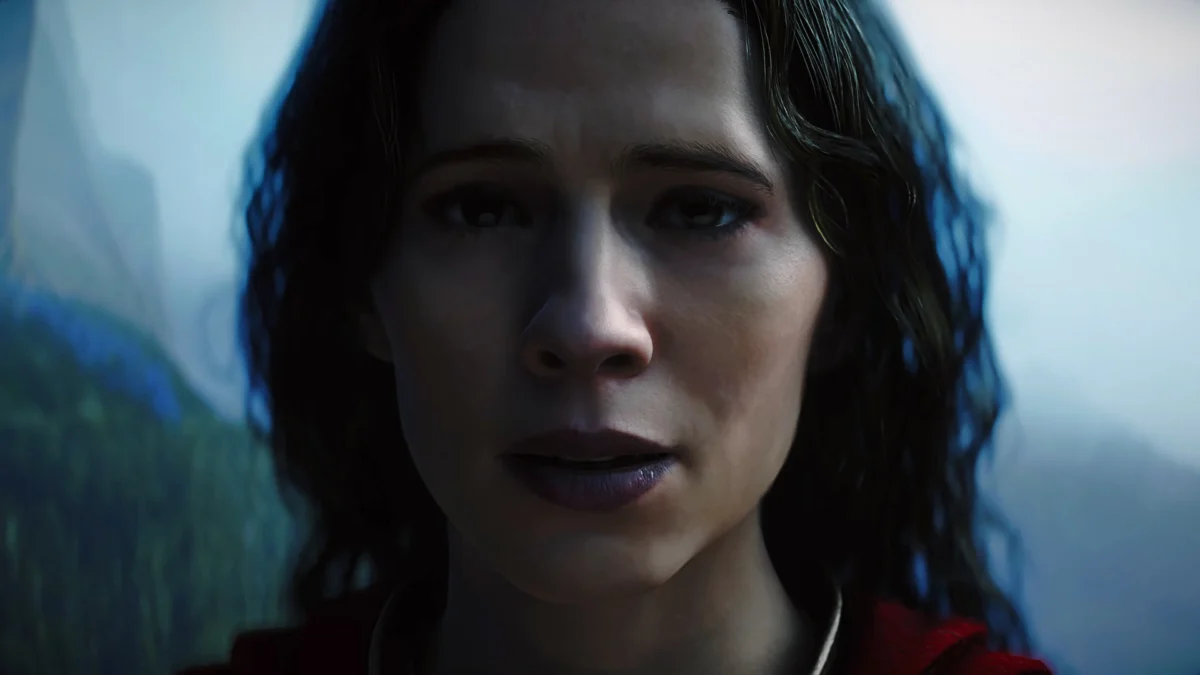
Main Facts
The gaming landscape is bracing for one of its most anticipated and unexpected revivals in years. Scheduled for release on February 23, 2027, the upcoming Fable reboot represents a massive pivot for Playground Games. Previously renowned exclusively for the critically acclaimed, adrenaline-fueled Forza Horizon racing series, the Xbox-owned studio has inherited the mantle of one of Microsoft’s most treasured fantasy intellectual properties from its original creators, the now-defunct Lionhead Studios.
While transitioning from high-speed supercars to sword-and-sorcery role-playing games might look like an insurmountable creative leap on paper, the leadership team at Playground Games insists that their decade-long expertise in building sprawling, reactive open worlds serves as the perfect bedrock for the whimsical, satirical world of Albion. Slated to arrive following the massive success of Forza Horizon 6, this ambitious RPG project represents not only a diversification of Playground’s portfolio but a profound cultural milestone for Xbox Game Studios as they seek to reclaim the magic of the original 2000s trilogy.
Chronology
To understand the weight of the upcoming 2027 release, one must trace the winding timeline of the Fable franchise and Playground Games’ ascension within the Microsoft ecosystem:
- 2004–2010: Lionhead Studios, led by industry icon Peter Molyneux, releases the original Fable trilogy, capturing the hearts of gamers worldwide with its unique British wit, moral choices, and fairytale aesthetic.
- 2016–2018: Following the cancellation of Fable Legends and the shuttering of Lionhead Studios, Microsoft begins exploring ways to resurrect the dormant franchise. Simultaneously, Playground Games—founded in 2010—solidifies its reputation as an open-world powerhouse with the release of Forza Horizon 3 and 4.
- 2018: Microsoft officially acquires Playground Games, bringing the studio under the Xbox Game Studios umbrella and quietly setting the wheels in motion for a massive, unannounced new project.
- 2020: After years of quiet development and industry rumors, Microsoft officially announces that Playground Games is developing a brand-new Fable game during the Xbox Games Showcase.
- 2023–2025: Playground balances the homestretch development of Forza Horizon 6 alongside deep production phases for Fable, gradually pulling back the curtain on the RPG’s unique tone, visual fidelity, and commitment to original trilogy lore.
- September 2026: In a revealing feature with The Guardian, studio co-founder Ralph Fulton pulls back the curtain on a decade-long effort to rethink traditional fantasy tropes, cementing the February 23, 2027 release date.
- February 23, 2027 (Projected): Fable launches worldwide on Xbox Series X/S and PC, marking a new era for both Playground Games and the legendary RPG franchise.
Supporting Data & Technical Transition
Transitioning a development studio from a dedicated racing franchise to an expansive action-RPG is a monumental engineering and design undertaking. However, underlying technical commonalities have eased the friction. Both the Forza Horizon series and the new Fable rely heavily on sophisticated open-world streaming technology, detailed environmental art, and dynamic lighting systems.
- Studio Background: Founded in 2010, Playground Games spent over a decade exclusively crafting six major Forza Horizon titles, earning a reputation for technical optimization and breathtaking digital tourism.
- Team Composition: According to studio leads, the development floor at Playground is filled wall-to-wall with die-hard fans of the original Fable trilogy, transforming the project from a standard corporate assignment into a passion-driven endeavor.
- Geographic and Structural Scale: While Forza Horizon maps focus on high-speed traversal across varied terrain, Fable shifts that open-world philosophy toward intimate village ecosystems, dense lore, deep quest structures, and reactive non-player character (NPC) populations.
- Release Window: Confirmed for February 23, 2027, the game launches amidst a crowded schedule of next-generation console blockbusters, serving as a cornerstone first-party release for Microsoft.
Official Responses and Developer Insights
The decision to hand Albion over to a racing studio raised plenty of eyebrows within the gaming community when first rumored. Yet, the creative leadership at Playground Games has been transparent about their motivations, driven largely by a mixture of professional pride and creative restlessness.
In an extensive interview with The Guardian, Playground co-founder and Fable game director Ralph Fulton discussed the studio’s internal mindset when the opportunity first arose.
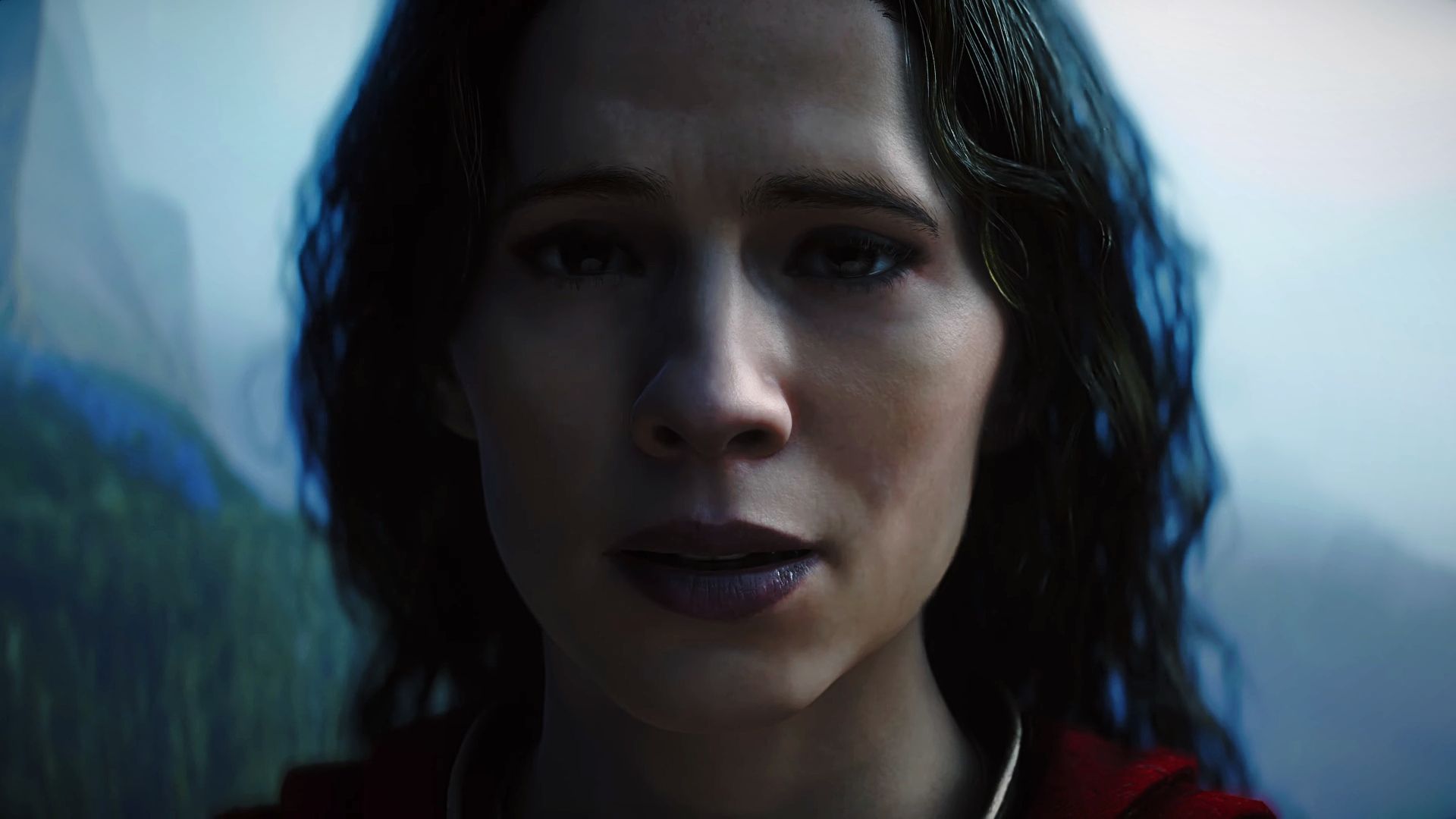
"I think there was a little bit of pride in proving we could cut it in a different genre," Fulton explained, acknowledging the skepticism while noting the profound overlap in open-world design philosophies. He pointed out that while the project "definitely wasn’t going to have cars," the fundamental mechanics of building a living, breathing, navigable playground were skills they had spent over ten years mastering.
When the executive team at Xbox first floated the idea of reviving Fable, Fulton noted that all hesitation vanished instantly. "When Xbox mentioned Fable, every other opportunity dissolved into the background. It was all we could think about."
Furthermore, studio leads have emphasized that the team was determined to avoid the overly serious, po-faced tropes that dominate much of modern high fantasy. Instead, they leaned into the eccentric, self-aware British humor that made the original games iconic, while ensuring that "every single member of the team is first and foremost a fan of the original RPG trilogy."
Implications for the Industry and Xbox
The launch of Fable on February 23, 2027, carries massive implications not just for Playground Games, but for Xbox Game Studios as a whole. For years, critics of Microsoft’s first-party strategy argued that the tech giant relied too heavily on a few select franchises like Halo, Forza, and Gears of War. By empowering a proven studio to branch out into a historically neglected genre, Xbox is signaling a new era of creative risk-taking.
If Playground Games pulls off this transition successfully, it will shatter the rigid genre-box silos that often trap development studios throughout the video game industry. It proves that masterclass craftsmanship in engine optimization, environmental design, and open-world streaming can be successfully translated from tarmac to cobblestone. Conversely, if the game stumbles, it may serve as a cautionary tale about the perils of moving beloved legacy franchises far outside their original cultural and mechanical homes.
As February 2027 draws closer, all eyes are locked on Playground Games. Having conquered the racing genre, the studio stands on the precipice of its ultimate test: proving that the heart of Albion still beats, and that a studio built on speed can weave a timeless fairy tale.

