

Main Facts: The Rise of 3D Volumetric Photography in VR
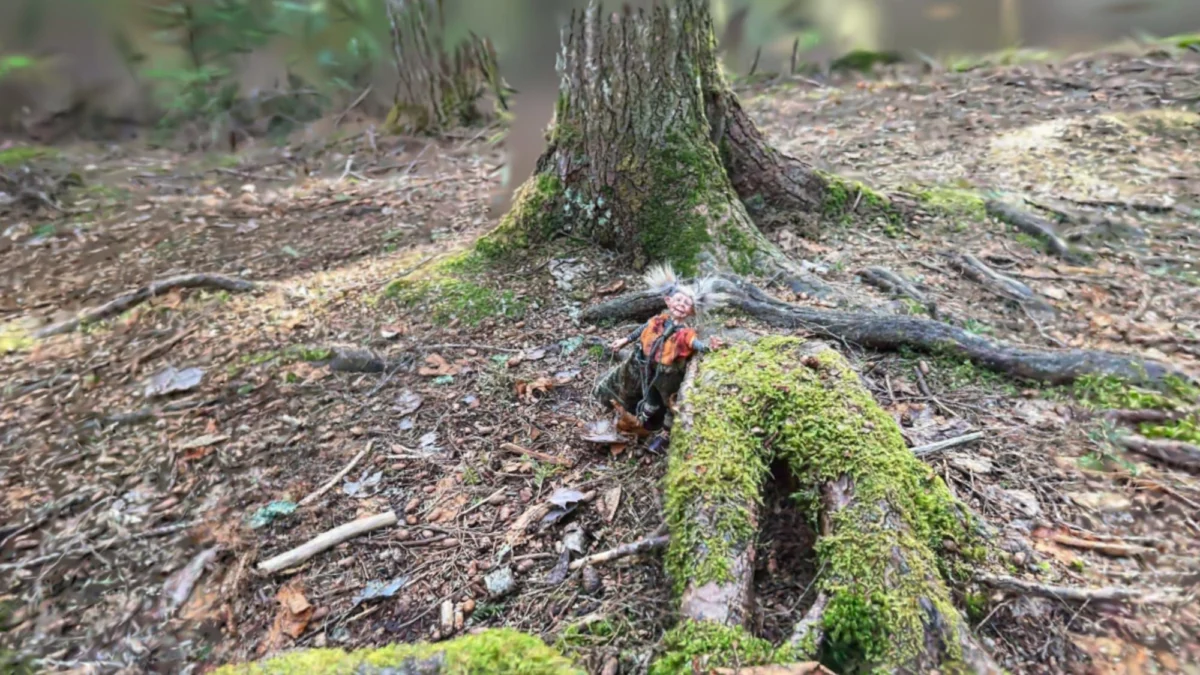
Gaussian splatting has fundamentally transformed how we capture, preserve, and explore the physical world. Functioning essentially as three-dimensional photographs, Gaussian splats allow users to navigate real-world locations from multiple positions and angles with a photorealism that traditional 360-degree videos or static 2D panoramas simply cannot match. While viewing these volumetric captures on a standard computer or mobile screen offers a compelling window into another place, experiencing them inside a virtual reality headset like the Meta Quest 3 bridges the psychological gap between merely observing a digital space and feeling as though you are physically visiting it.
However, the current ecosystem for viewing Gaussian splats on standalone hardware remains deeply fragmented. Users face a confusing landscape of mismatched platforms, divergent workflows, and heavily fragmented user experiences. Some viewers rely on expansive cloud libraries accessible via web browsers, while others require manual file transfers directly onto the headset’s internal storage. Furthermore, sharing capabilities vary wildly: some applications encourage social collaboration and public distribution, whereas others strictly wall off content to a single user account.
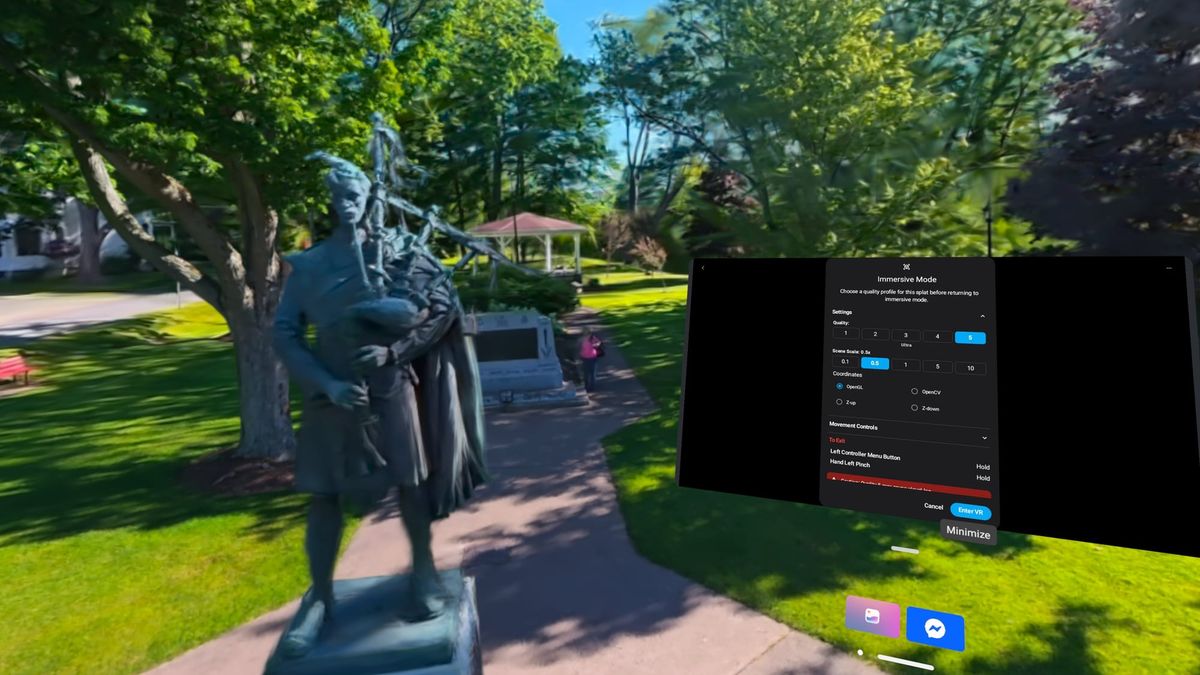
To determine the optimal pathway through this labyrinth, extensive real-world testing on the Meta Quest 3 reveals that AirVis stands out as the strongest overall recommendation, masterfully balancing visual fidelity, responsive controls, and cross-platform sharing capabilities. Meanwhile, Horizon Hyperscape offers breathtaking visual quality hampered by frustrating social restrictions, and niche platforms like SuperSplat, GSVision, Into the Scaniverse, Marble, and Gracia push the boundaries of what volumetric media can achieve through AI generation and animated, moving subjects.
Chronology: How Gaussian Splats Evolved from Niche Tech to Quest Mainstay
Pre-2023: The Foundation and Early Experiments
Long before Gaussian splats entered the consumer lexicon, platforms like Niantic’s Scaniverse launched in 2021 as photogrammetry tools primarily built for smartphones. At the time, 3D capture was resource-heavy, prone to artifacting, and largely disconnected from the nascent standalone VR ecosystem.
2023–2024: The Breakthrough of Gaussian Splatting
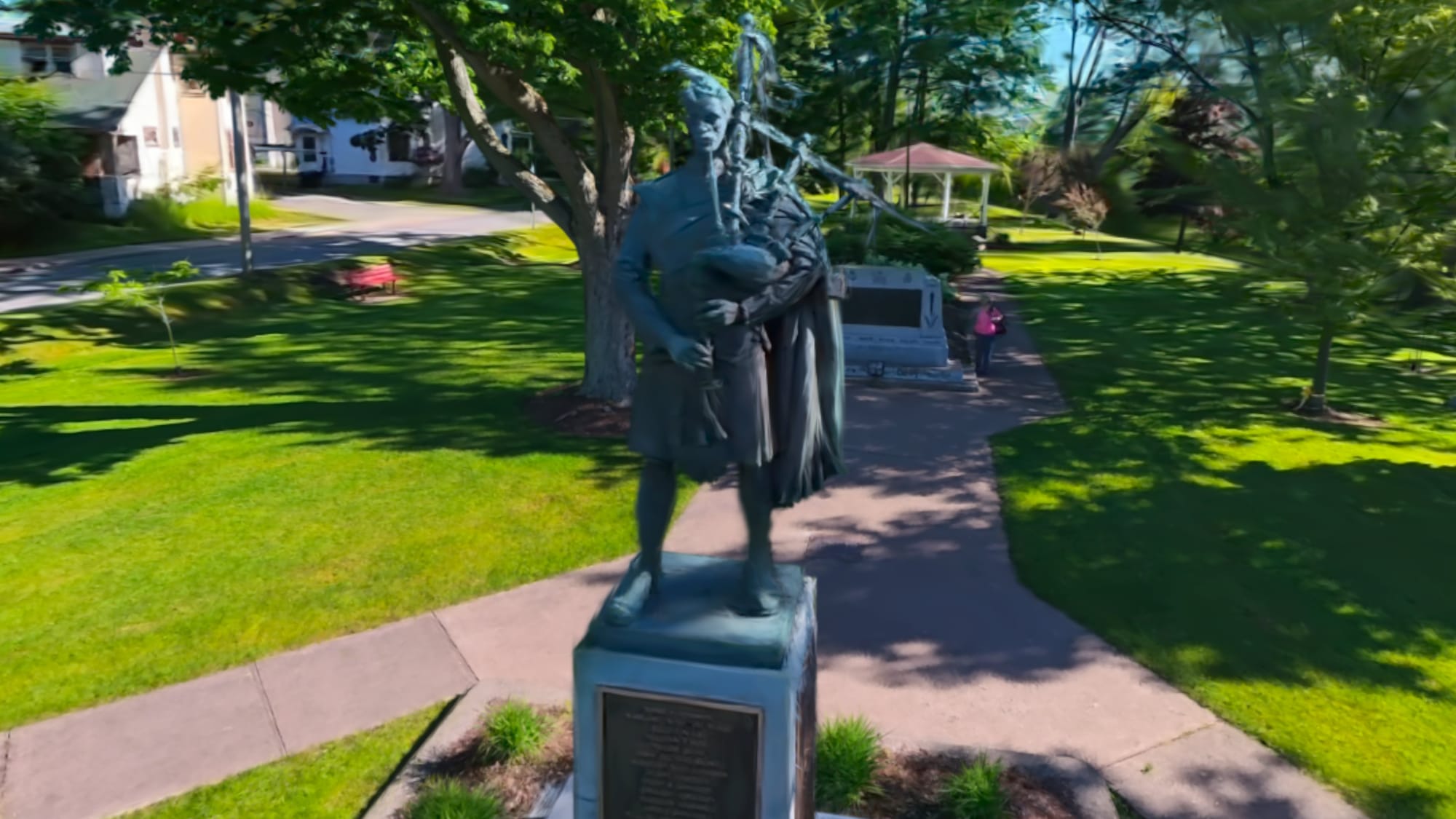
The underlying technology of 3D Gaussian splatting emerged as a breakthrough rendering technique, allowing developers to reconstruct complex scenes in real-time from ordinary photographic inputs. As open-source tools matured, enthusiasts began experimenting with web-based viewers like SuperSplat, enabling browser-based navigation of volumetric data without requiring heavy desktop software.
2025–Early 2026: The Ecosystem Fragments
As the Meta Quest 3 and Quest 3S cemented their dominance in the standalone VR market, developers rushed to build dedicated viewers. Platforms like AirVis introduced native Quest applications with dedicated cloud storage, while Meta integrated its own proprietary capture toolset into Horizon Hyperscape. However, this rapid growth led to fragmentation. Competing file formats, disparate rendering optimizations, and varying hardware limitations created friction for everyday users trying to share or view high-resolution scans.
May 2026: The Shift in Social Sharing
A critical inflection point occurred in May 2026, when Meta altered the feature set of Horizon Hyperscape. While users could still capture and locally revisit high-fidelity spaces within their own accounts, Meta quietly removed the ability to invite friends into those captures or share personal files publicly. This move underscored the ongoing tension between closed ecosystem control and open, community-driven content sharing within the spatial computing landscape.
Supporting Data: Comparative Breakdown of Quest 3 Splat Viewers
To make sense of the current software landscape, testing across the Meta Quest 3 hardware ecosystem highlights distinct strengths and critical performance bottlenecks for each major platform:
| Platform | Access Method | Primary Strength | Key Limitation | Hardware / Performance Notes |
|---|---|---|---|---|
| AirVis | Native Quest App & Cloud | High visual quality, drone-like controls, 5GB free cloud storage. | Subscription required for cloud storage beyond 5GB. | Exceptional frame rates; runs smoothly at high settings. PC streaming option boosts large splats (30–40 FPS on RTX 4070 Super). |
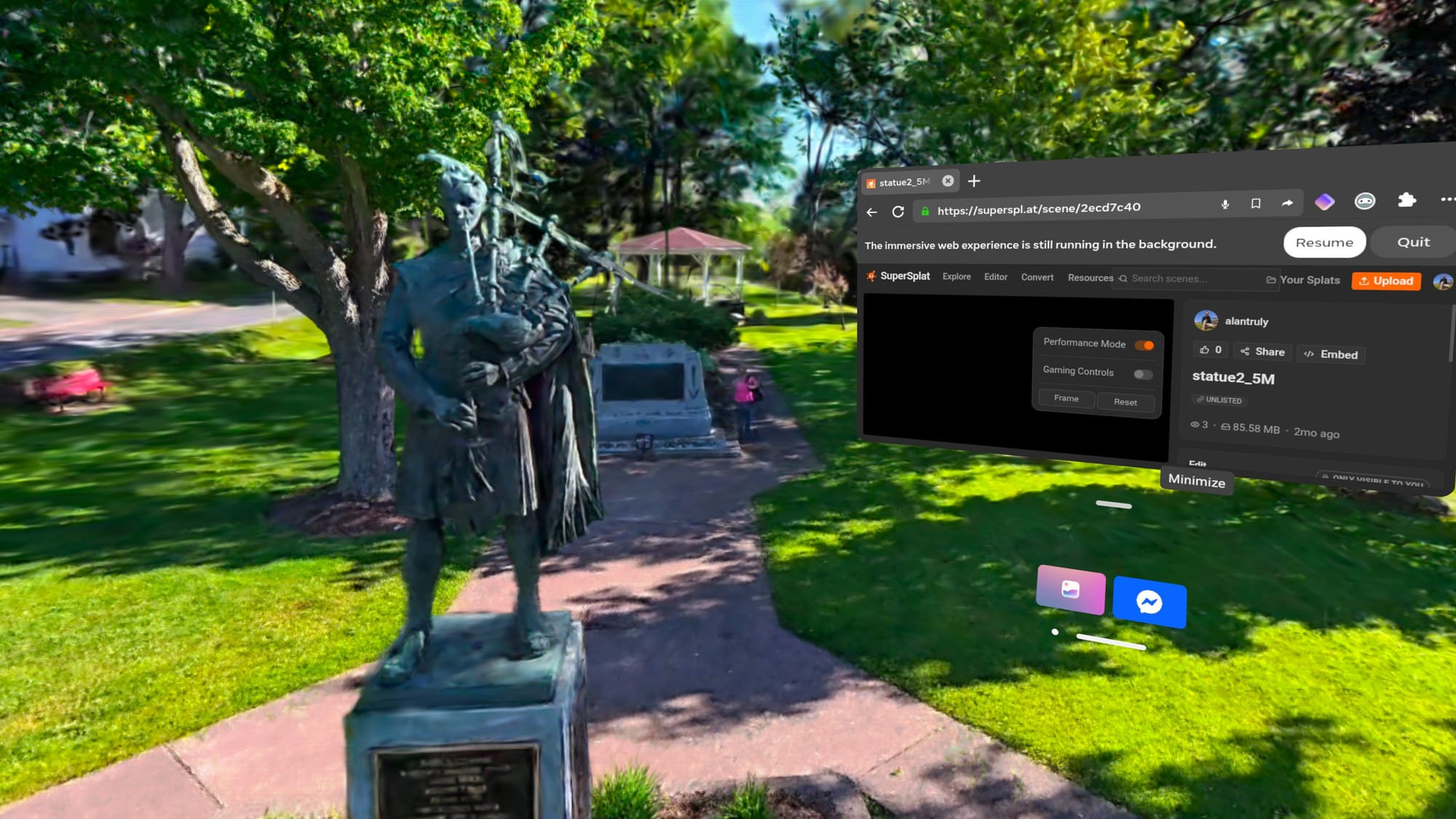
| SuperSplat | Quest Browser | Massive community-driven library of diverse scenes. | Heavy performance lag on unoptimized scenes; risk of motion sickness. | Requires switching to performance mode on Quest 3; aging hardware struggles with dense geometry. |
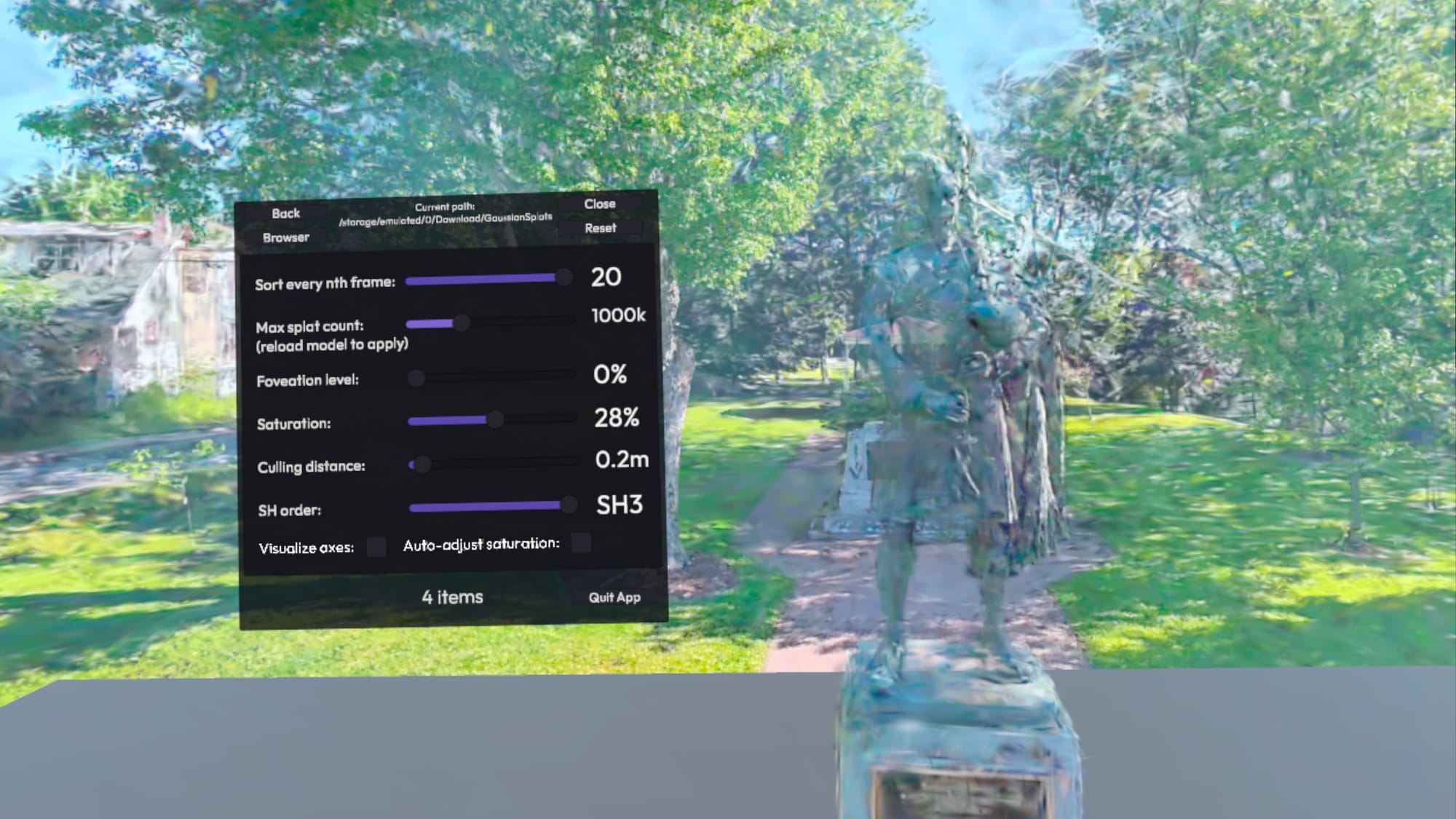
| GSVision | Local Files (USB Transfer) | Excellent for playing raw, locally stored splat files. | Strict splat-count limits; unremovable fixed gray platform. | Lag becomes noticeable past 1.2M splats; adjusting "Sort Every Nth Frame" to 20 aids smoothness. |
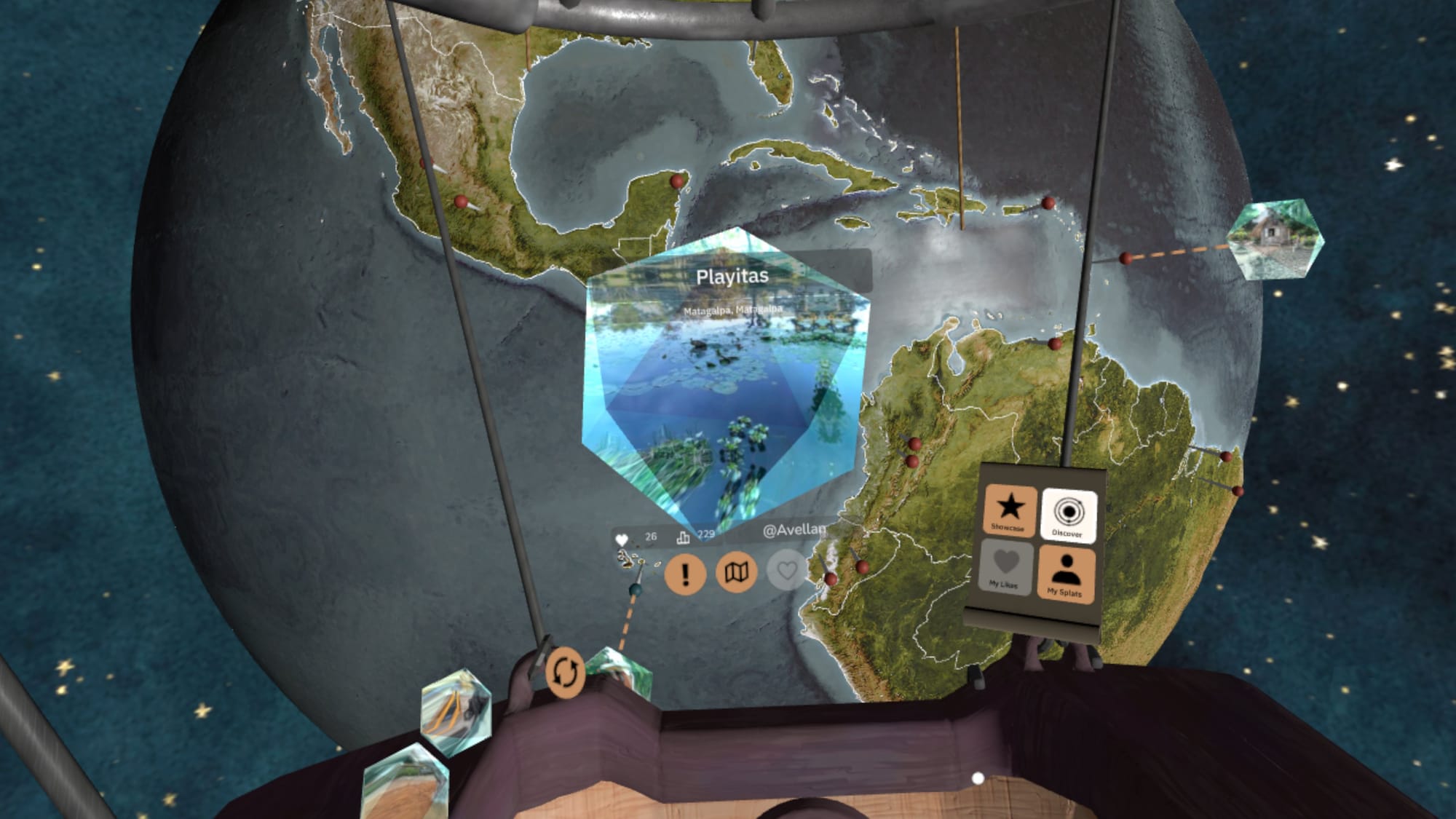
| Into the Scaniverse | Quest App (Phone Sync) | Seamless integration with mobile phone captures. | Lower visual detail; outdated balloon-themed interface. | Lacks support for Niantic’s newer processing system on Quest; restricted to older phone capture tech. |
| Horizon Hyperscape | Native Meta App | Incredible visual fidelity and ultra-smooth navigation. | Zero social sharing features as of mid-2026; capture limited to Quest 3/3S. | Outstanding rendering, but restricted entirely to solo local viewing. |
| Marble | Quest Browser (AI) | Generates vast AI-driven volumetric fantasy environments. | Not faithful captures of real-world physical locations. | Strong browser performance; opens the door for generative spatial media. |
| Gracia | Quest Browser (Animated) | Streams moving, animated volumetric subjects. | Highly limited content selection currently available. | Exciting proof-of-concept for dynamic, living splats rather than static scenes. |
Deep Dive: Evaluating the Contenders
AirVis: The Gold Standard for Flexibility
AirVis distinguishes itself by offering a polished native Quest application that bypasses the clunkiness of mobile web browsers. Users can effortlessly browse a public cloud library or access their own uploads, backed by a generous 5GB of free cloud storage.
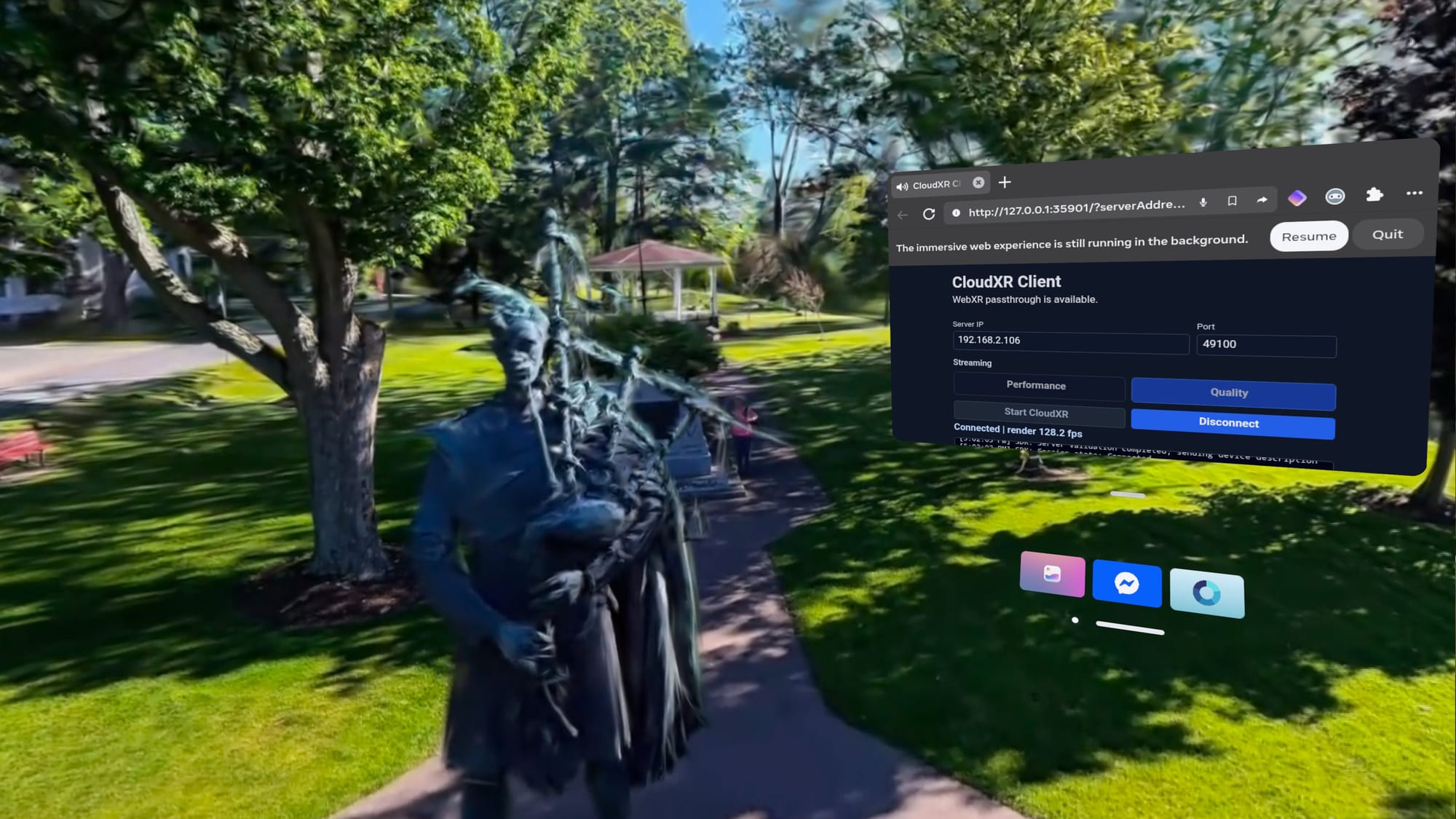
What truly sets AirVis apart is its control scheme. Navigation feels responsive and fluid—akin to piloting a virtual drone through a physical space—while also supporting natural room-scale walking. For advanced users with high-end desktop rigs, AirVis offers a PC streaming solution via CloudXR. By pairing the Quest app with a local PC running an Nvidia RTX 4070 Super (or equivalent GPU), users can stream massive 5-million-splat scenes at a stable 30 to 40 frames per second without sacrificing visual fidelity.
SuperSplat: Breadth of Content Versus Hardware Fatigue
Operating entirely through the Quest web browser, SuperSplat boasts one of the largest community libraries available. If you have exhausted the curated selections on other platforms, SuperSplat is the go-to destination for rare and eclectic captures.
However, the platform exposes the architectural limitations of the Meta Quest 3. Because many community uploads are unoptimized, the headset frequently struggles to maintain stable frame rates. Users must toggle on performance modes, and even then, stuttering and frame drops can induce motion sickness during rapid transit.
GSVision: The Local File Specialist
For creators and archivists who prefer to sideload or transfer raw .splat files directly via USB from a PC, GSVision is the most viable option. It grants granular control over rendering parameters, allowing users to tweak settings like culling distance and frame-sorting intervals.
The primary drawback is hardware headroom. The app recommends capping scenes at 700,000 splats, with lag creeping in around 1.2 million. Quirks like an unremovable fixed gray platform and visible rendering holes when pushing limits remind users that standalone VR hardware is still processing massive mathematical datasets on mobile chips.
Into the Scaniverse: Bridging Mobile and Headset
As an extension of Niantic’s long-standing mobile capture ecosystem, Into the Scaniverse lets users capture environments on their smartphones and view them within the headset. While the app runs smoothly without lag, the resulting scenes often lack the sharp fidelity found in dedicated cloud platforms. Furthermore, the user interface relies on an awkward globe and hot air balloon metaphor that feels out of step with modern thumbnail-based browsers. With Niantic currently sidelining active Quest development for its newer processing pipeline, the app remains anchored to older capture methodologies.
Horizon Hyperscape: Visual Brilliance Bound by Isolation
Meta’s Horizon Hyperscape delivers some of the most striking visual clarity and buttery-smooth navigation available on the Quest 3. Movement is intuitive, seamlessly blending physical room-scale pacing with comfortable teleportation.
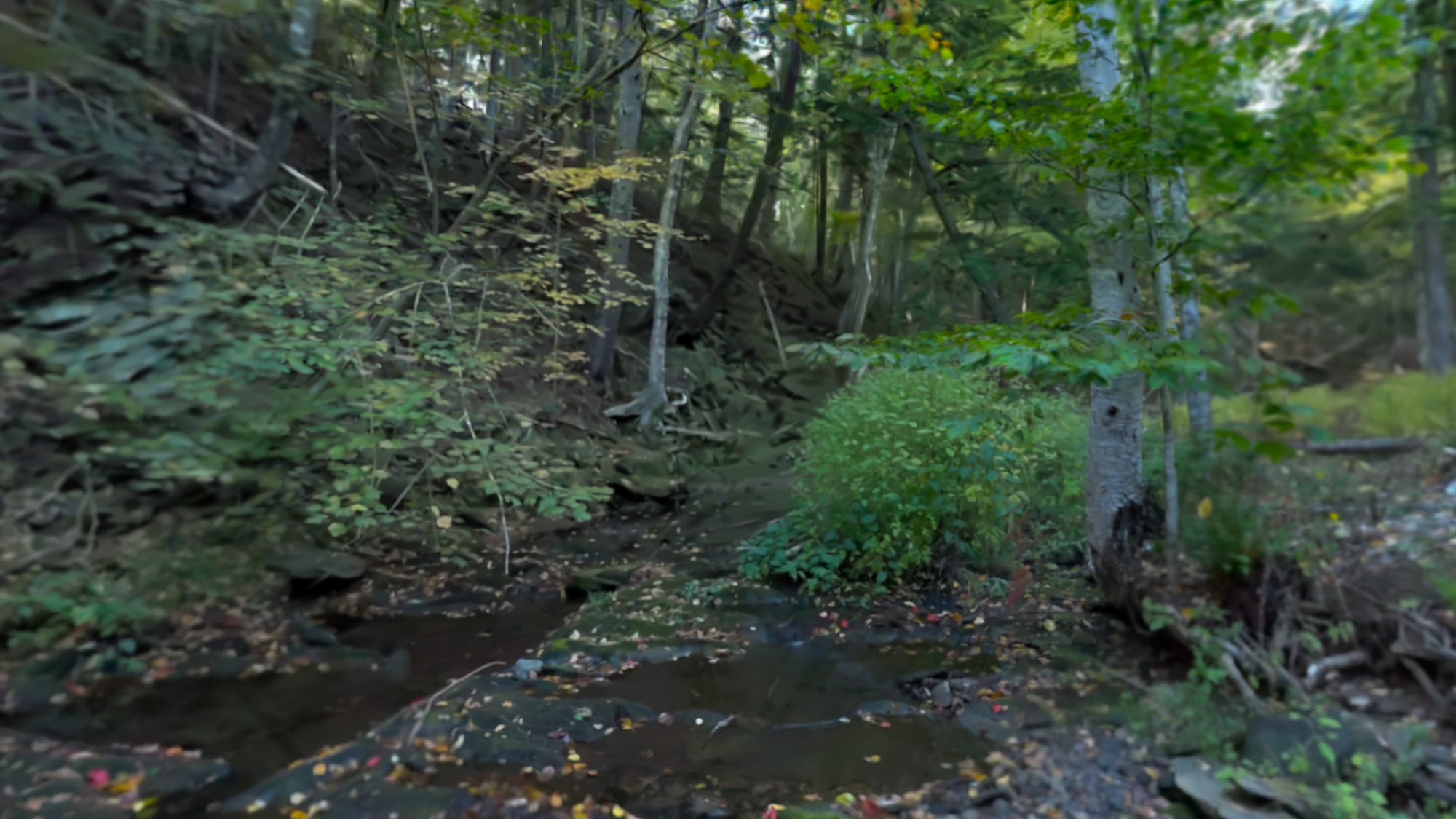
The tragedy of Hyperscape lies in its policy shifts. Following the removal of shared virtual visits, users are left in solitary confinement within their own digital creations. While you can capture and revisit your living room, office, or vacation spot on your personal Quest 3 or 3S headset, the inability to beam those spaces to friends or colleagues severely curtails the social magic that makes spatial computing exciting.
Implications: The Future of Spatial Archiving and Communication
The current state of Gaussian splat viewing on devices like the Meta Quest 3 reveals a medium caught between profound technological promise and stubborn infrastructural hurdles. On one hand, tools like AirVis and Gracia prove that high-definition, interactive, and even animated volumetric capture is no longer science fiction—it is accessible to anyone with a smartphone or a drone.

Yet, the user experience remains far from mainstream-ready. Fragmentation across web browsers, native apps, USB side-loading, and proprietary walled gardens creates an unnecessary barrier to entry. Furthermore, the decision by tech giants like Meta to restrict social sharing within tools like Hyperscape highlights ongoing commercial and privacy anxieties surrounding spatial data.
As hardware architectures advance— paving the way for lighter, more powerful headsets beyond the Quest 3 generation—the software ecosystem must standardize. Formats must unify, cloud streaming must become seamless, and sharing permissions must prioritize community connection. Until then, Gaussian splats remain a breathtaking frontier: a digital archaeological tool that lets us freeze time, walk through memories, and explore dimensions from our living rooms, provided we are willing to navigate the labyrinth of software required to get there.

