

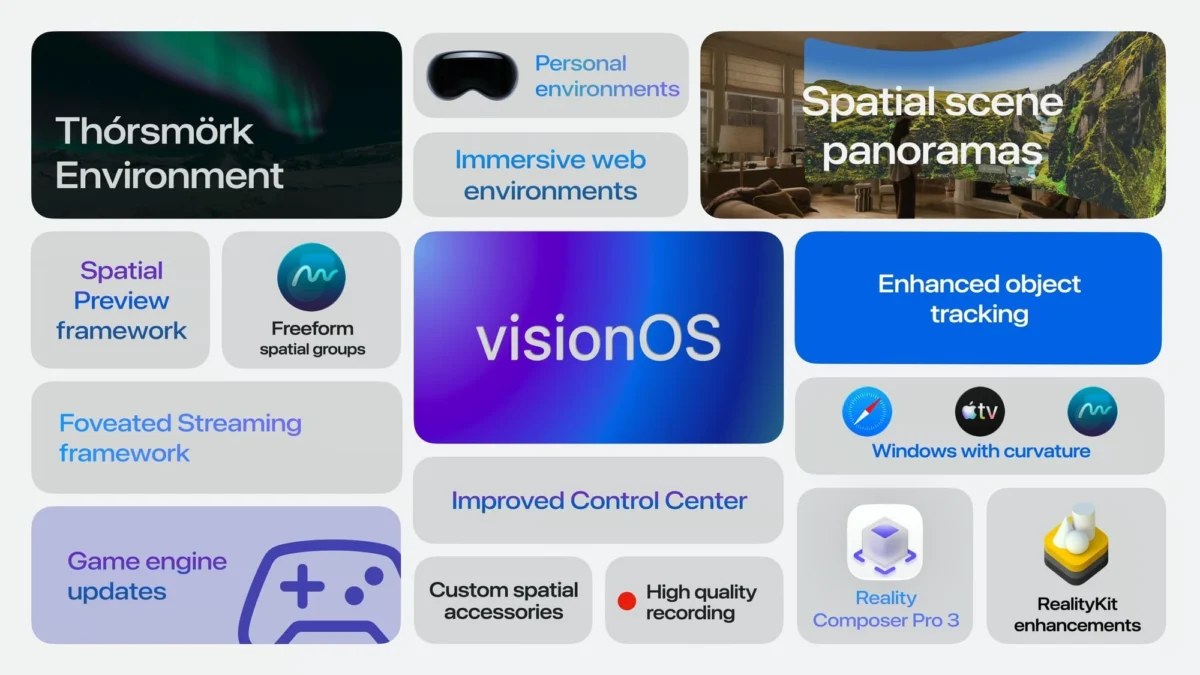
Apple has officially launched visionOS 27, marking the fourth major operating system update for the Apple Vision Pro headset. Available for both the M2 and M5 iterations of the hardware, visionOS 27 arrives with remarkably little industry fanfare compared to past consumer-facing releases, yet it is quietly one of the most substantial updates in the platform’s young history.
From deep integration of next-generation conversational AI and advanced spatial computing frameworks to developer-focused tracking and rendering tools, visionOS 27 fundamentally expands what Apple’s mixed-reality hardware can achieve.
Main Facts: What’s New in visionOS 27
The update introduces a sweeping array of capabilities that touch nearly every layer of the operating system, from user interface adjustments to core rendering engines.
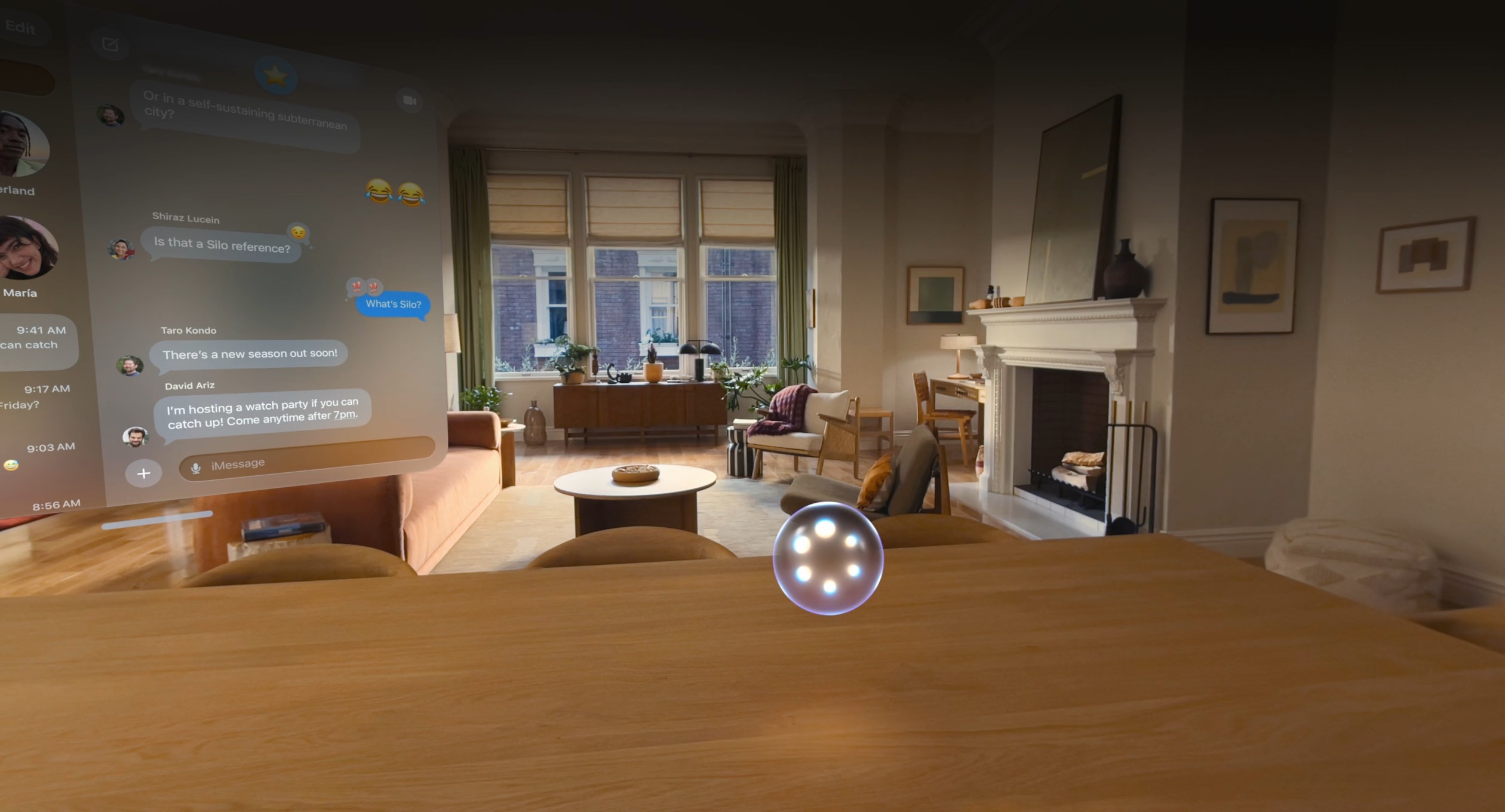
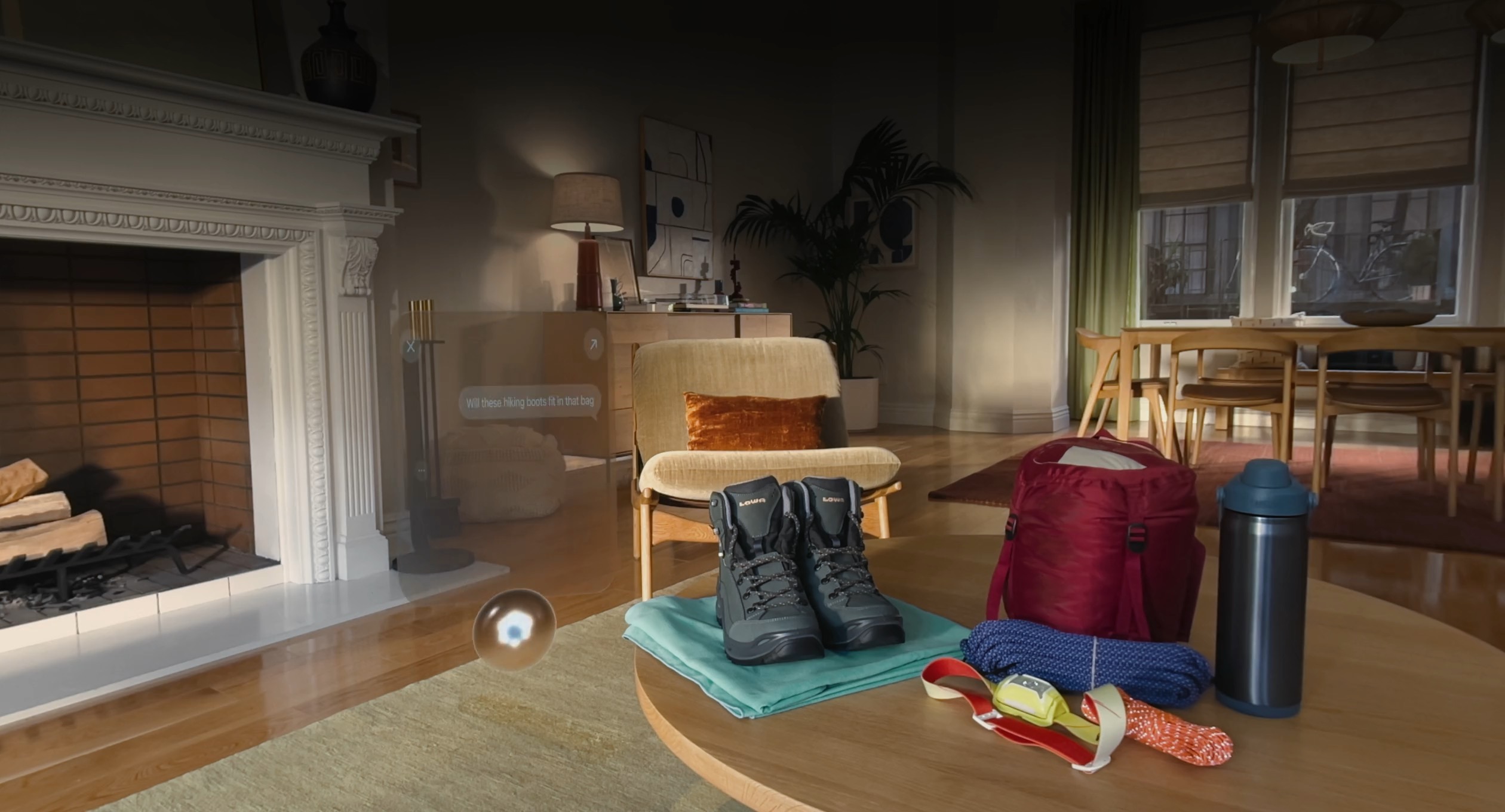
- Siri AI Integration: Powered by next-generation Apple Foundation Models co-developed with Google (reportedly leveraging Gemini architecture via a $1 billion annual agreement), the revamped digital assistant brings deep contextual awareness, a persistent spatial orb interface, and Apple’s Visual Intelligence framework to the headset.
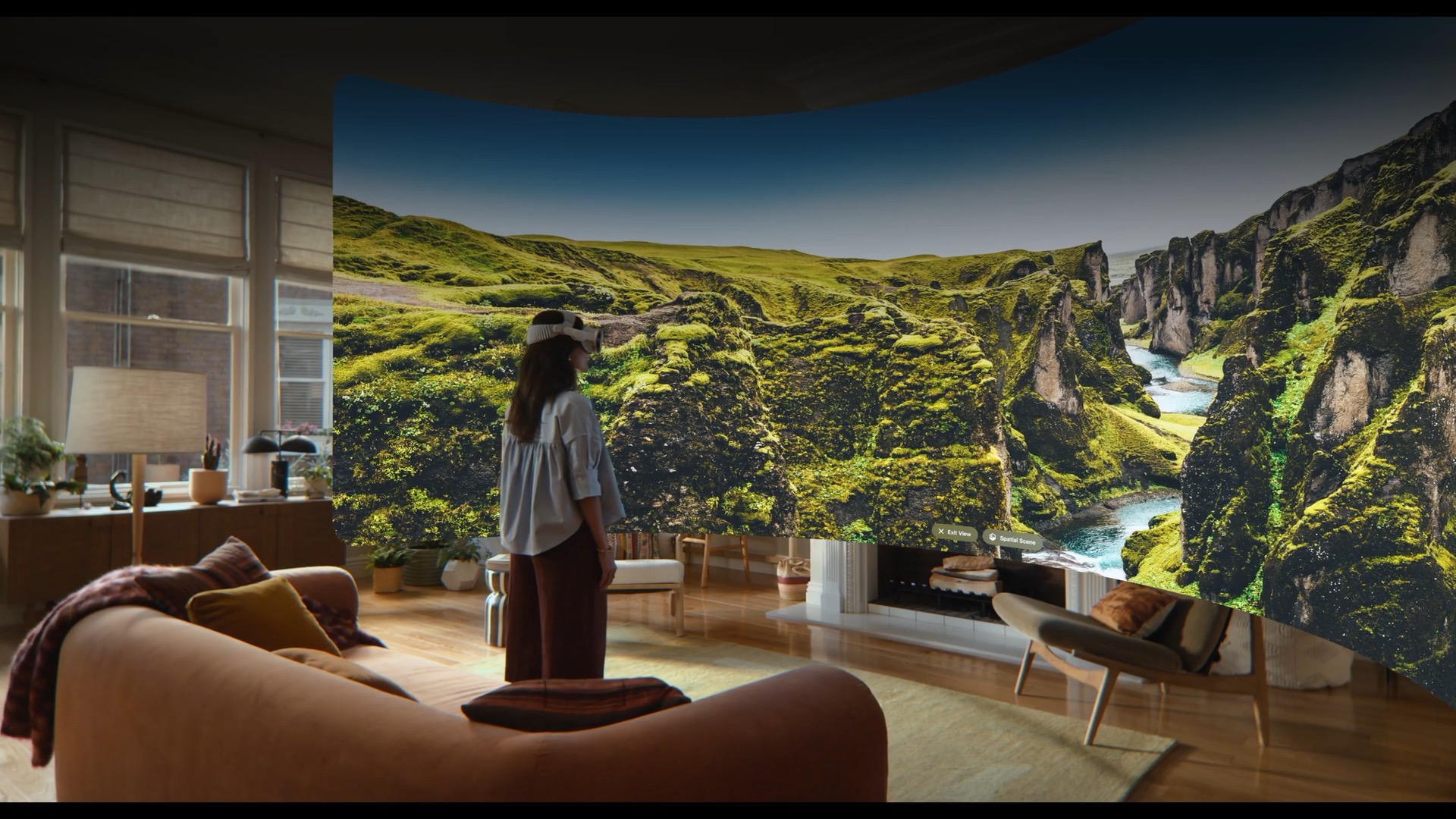
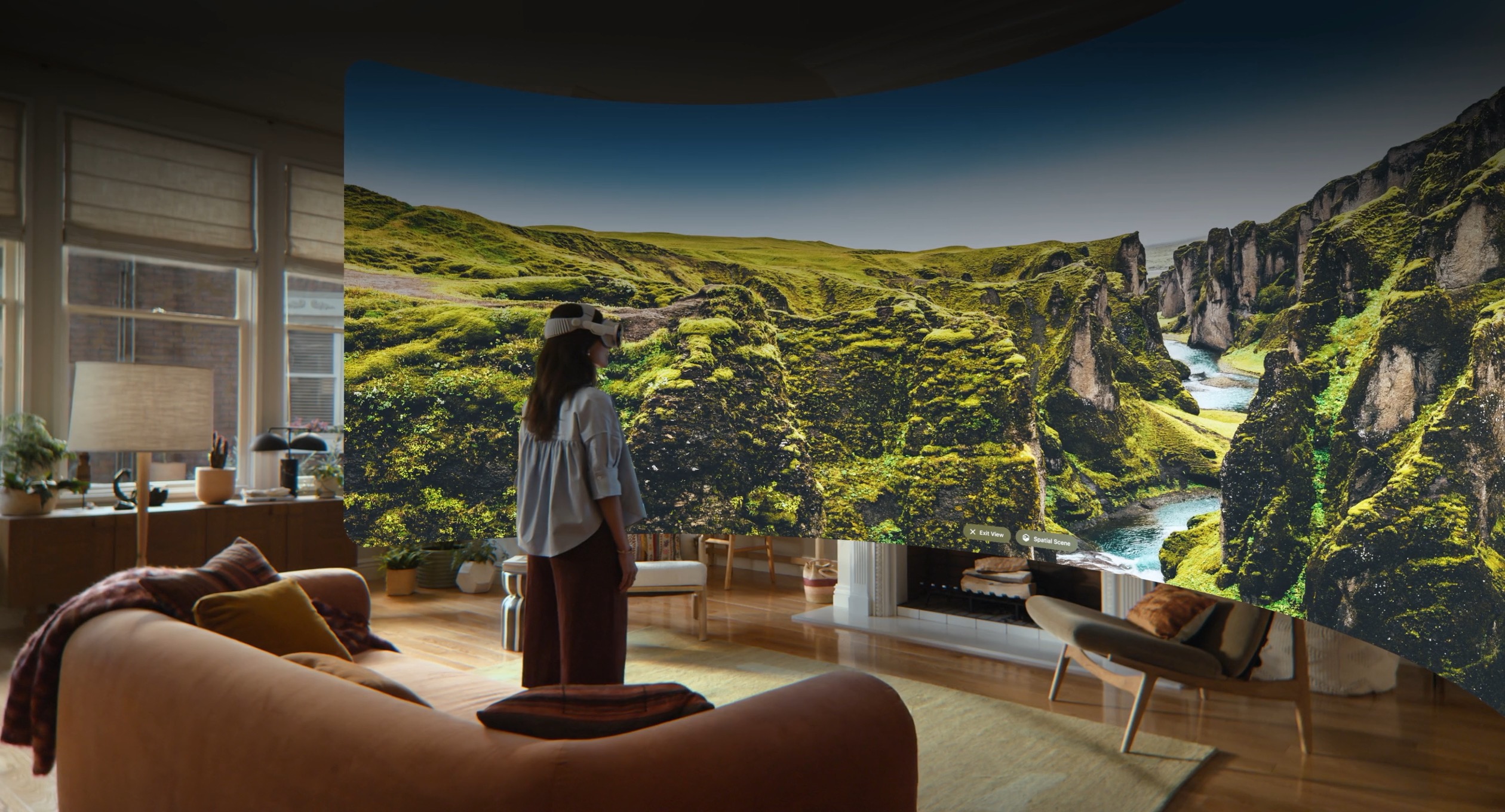
- Spatial Panorama Environments: Users can now transform standard 2D panoramas captured on iPhones into fully immersive spatial scenes via advanced Gaussian splatting, or set them as their home environments.
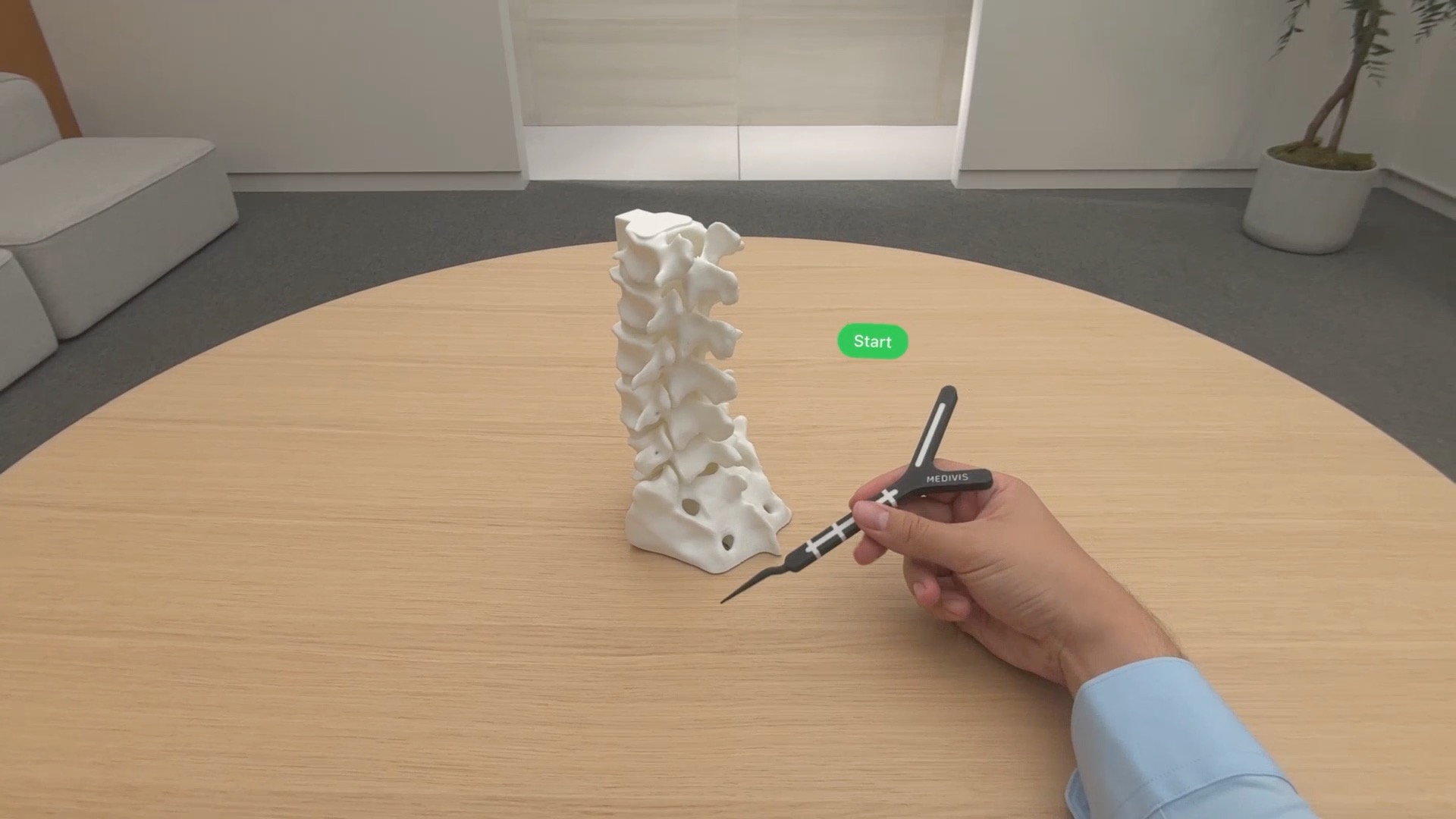
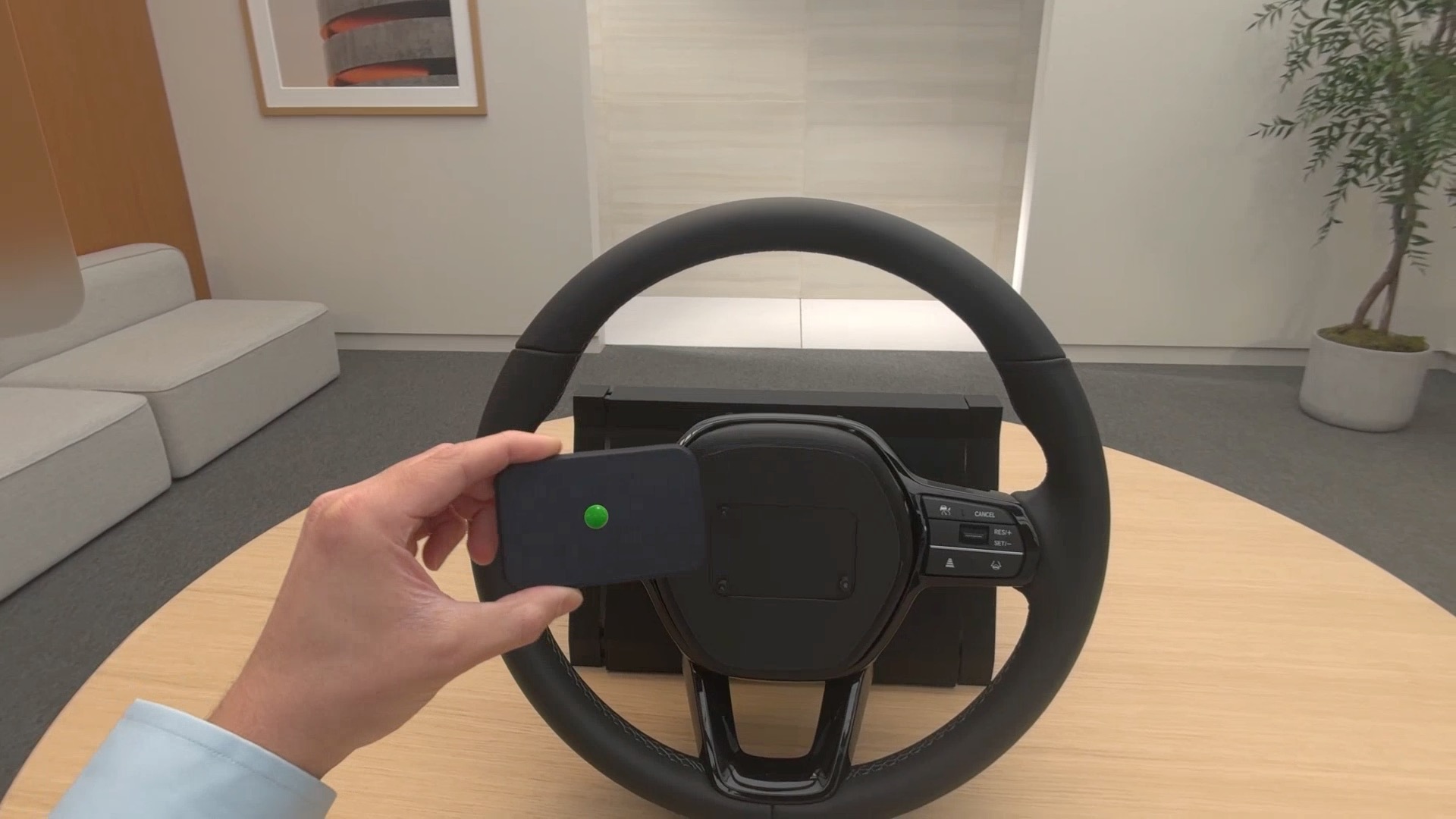
- High-Frequency Object Tracking & IR LED Accessories: Moving and held objects can now be tracked at high frame rates (roughly 30Hz), while third-party hardware manufacturers can build custom IR LED tracked accessories using newly opened APIs.
- Unfoveated Screen Recording: Vision Pro can now natively record up to 3 minutes of high-quality, unfoveated 4K footage directly on the device, eliminating the previous requirement of tethering to a Mac.
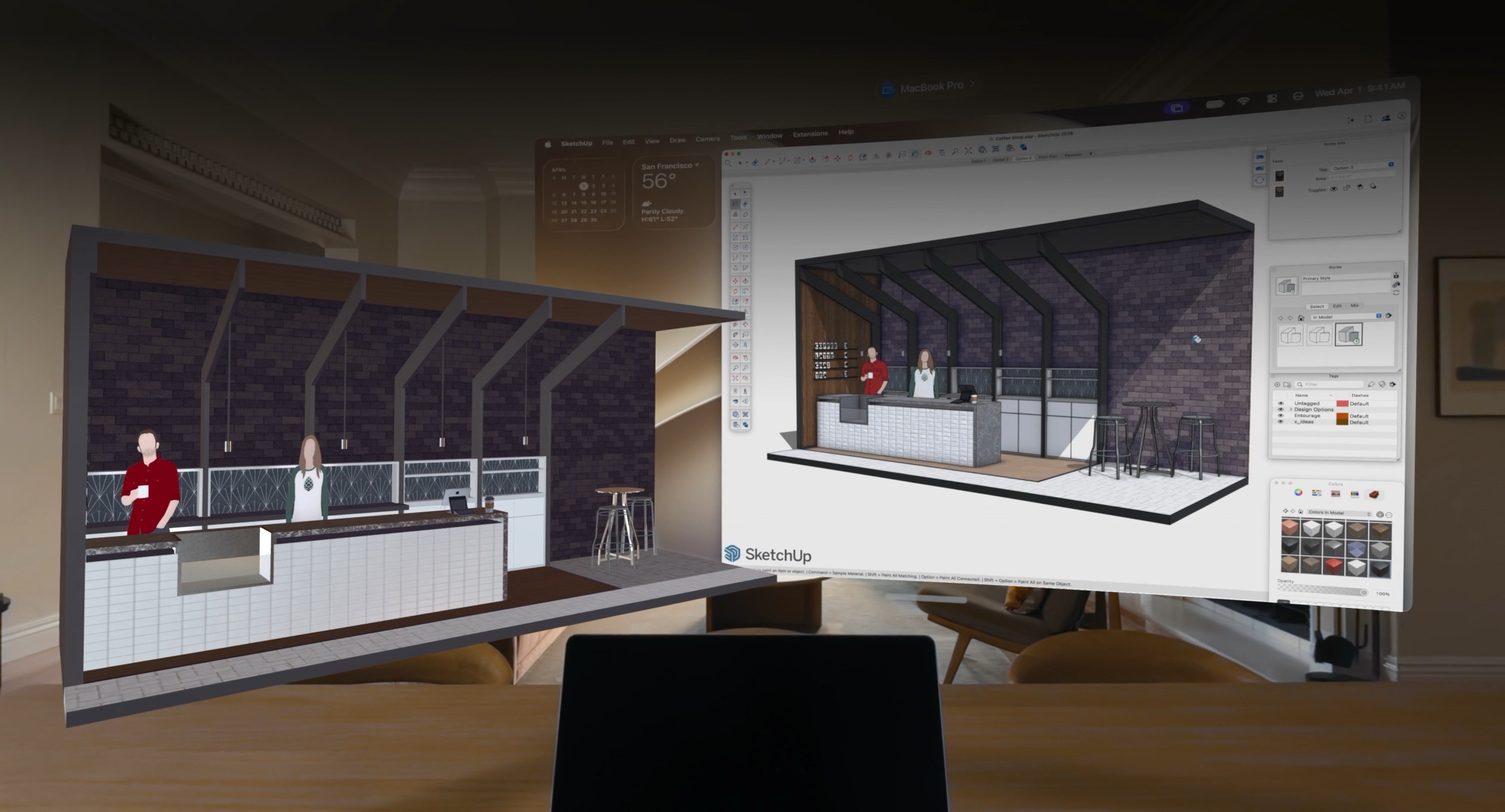
- Mac 3D Object Preview API: A powerful two-way API allows developers and users to seamlessly spawn, preview, and collaboratively edit 3D objects between macOS 27 and visionOS 27 in real-time.
- RealityKit Upgrades: Major enhancements include physical space lighting, native Gaussian splat rendering, real-time cloth simulation, and an advanced Reverb Mesh API for spatial audio.
Chronology and Evolution of visionOS
To understand the magnitude of visionOS 27, it helps to trace the rapid iterative path Apple has taken since the Vision Pro’s commercial debut:
- Early Generations (visionOS 1 & 2): Introduced the foundational spatial computing paradigm, flat-window multi-tasking, basic hand/eye tracking, and early, highly restrictive 3D static object tracking.
- visionOS 26: Brought critical lifestyle and visual upgrades, including persistent spatial widgets (Clock, Weather, Music), hardcoded support for PlayStation VR2 Sense controllers and the Logitech Muse stylus, Gaussian splatting for 2D-to-spatial conversions, and a massive realism boost for digital Personas.
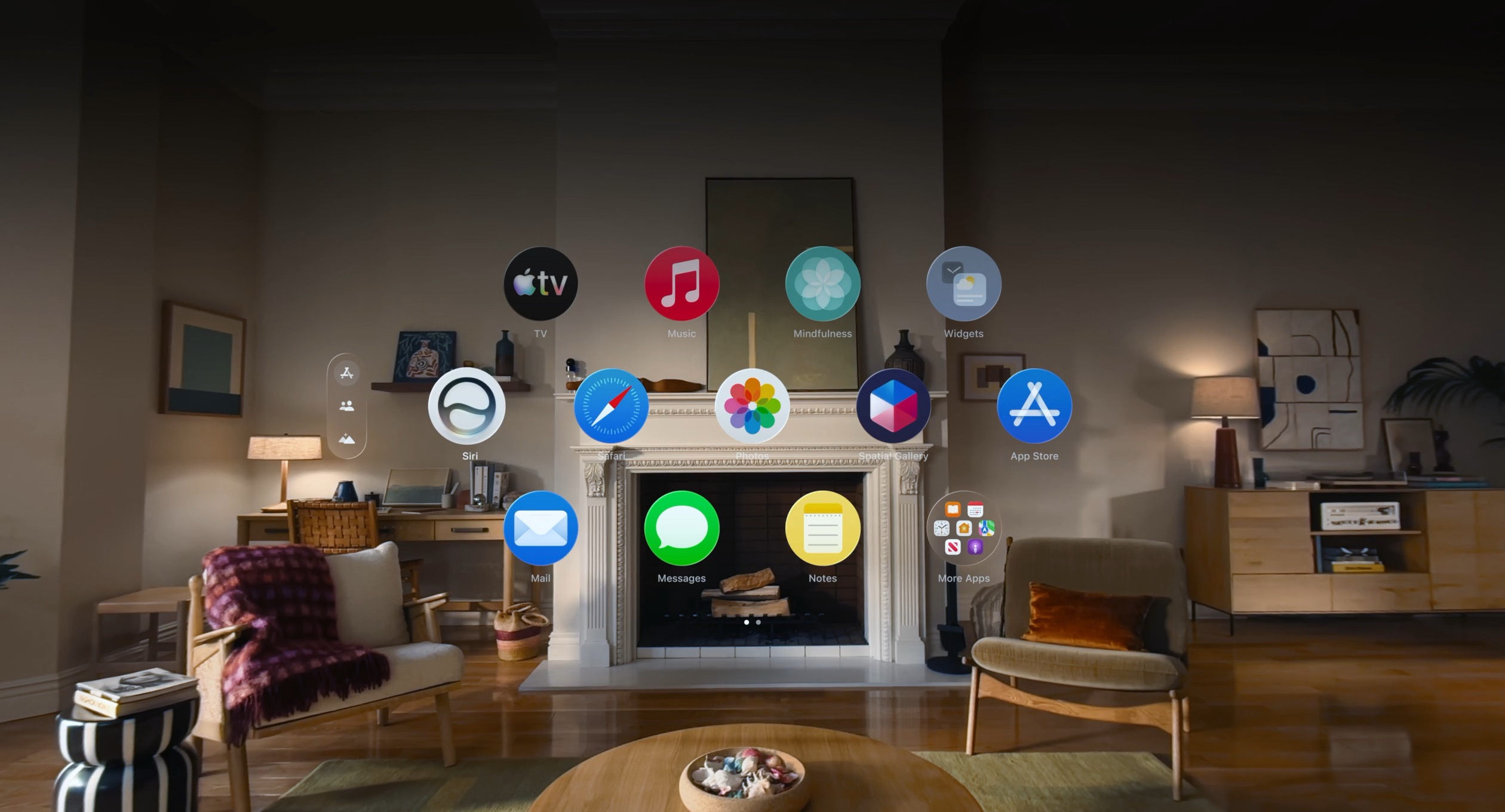
- visionOS 27 (Current Release): Expands the ecosystem by opening up hardware tracking APIs to all manufacturers, integrating heavy-duty generative AI natively into the UI, introducing native developer-centric frameworks like real-time cloth simulation, and smoothing out hardware friction points like Wi-Fi initialization speeds.
Supporting Data and Technical Breakdown
Underneath the hood, visionOS 27 addresses several long-standing developer complaints and performance bottlenecks.
Performance and Connectivity Fixes
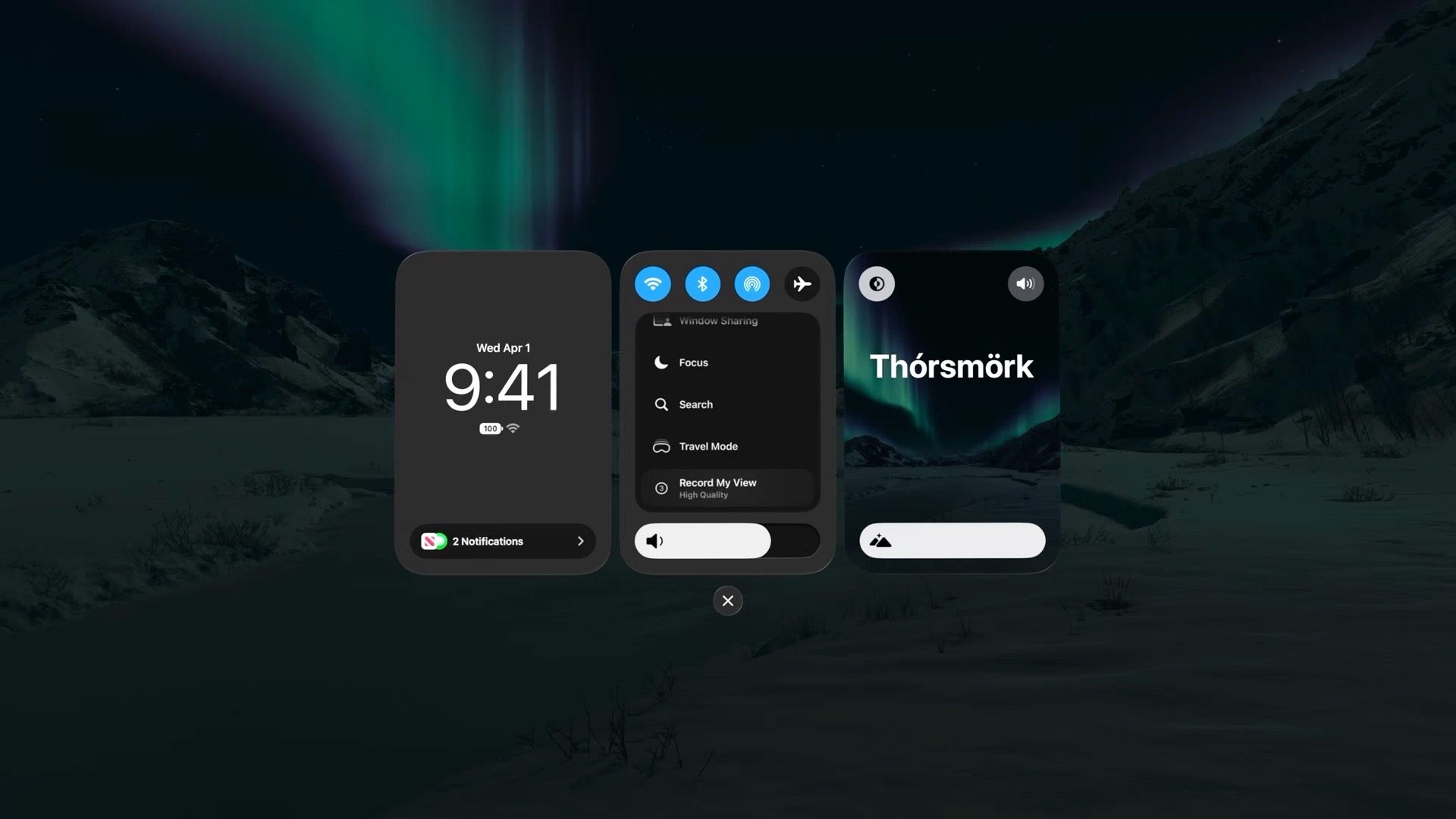
Users of the M5 Apple Vision Pro previously reported an odd anomaly: despite the chip’s immense processing power, the headset took nearly 20 seconds post-boot to establish an active internet connection. Apple has explicitly targeted this in visionOS 27, claiming a 3x faster Wi-Fi initialization speed. Additionally, Control Center has been redesigned into a cleaner, less crowded three-panel interface.
AI Processing Architecture
Siri AI operates via a hybrid model architecture. Lightweight, immediate queries are handled by a small on-device foundation model to maintain ultra-low latency. Complex, multi-step reasoning tasks are securely offloaded to Apple’s Private Cloud Compute system. Access is currently rolling out via a settings-based waitlist in English-speaking regions.
RealityKit Engine Capabilities
Apple’s native RealityKit—which bypasses the need for heavy game engines like Unity or Unreal for standard applications—received four monumental upgrades:
- Physical Space Lighting: Utilizing the Vision Pro’s LiDAR room mesh and ambient light sensors, virtual apps can now cast genuine light and patterned projections (such as underwater caustics or stage lighting) onto physical walls and furniture.
- Native Gaussian Splats: Standardized rendering of millions of semitransparent 3D blobs brings ultra-realistic spatial capture rendering directly into the engine pipeline.
- Deformable Fabric Simulation: Developers can now implement real-time cloth that drapes, wrinkles, and interacts dynamically with virtual and physical collisions.
- Reverb Mesh API: Mimicking acoustic modeling tools seen in Valve’s Steam Audio SDK, apps can now map frequency-dependent absorption and reflection properties across virtual geometry for hyper-realistic spatial audio.
Official Responses and Developer Reception
The response from the developer community has been overwhelmingly positive, particularly concerning the opening of hardware APIs and workflow improvements.
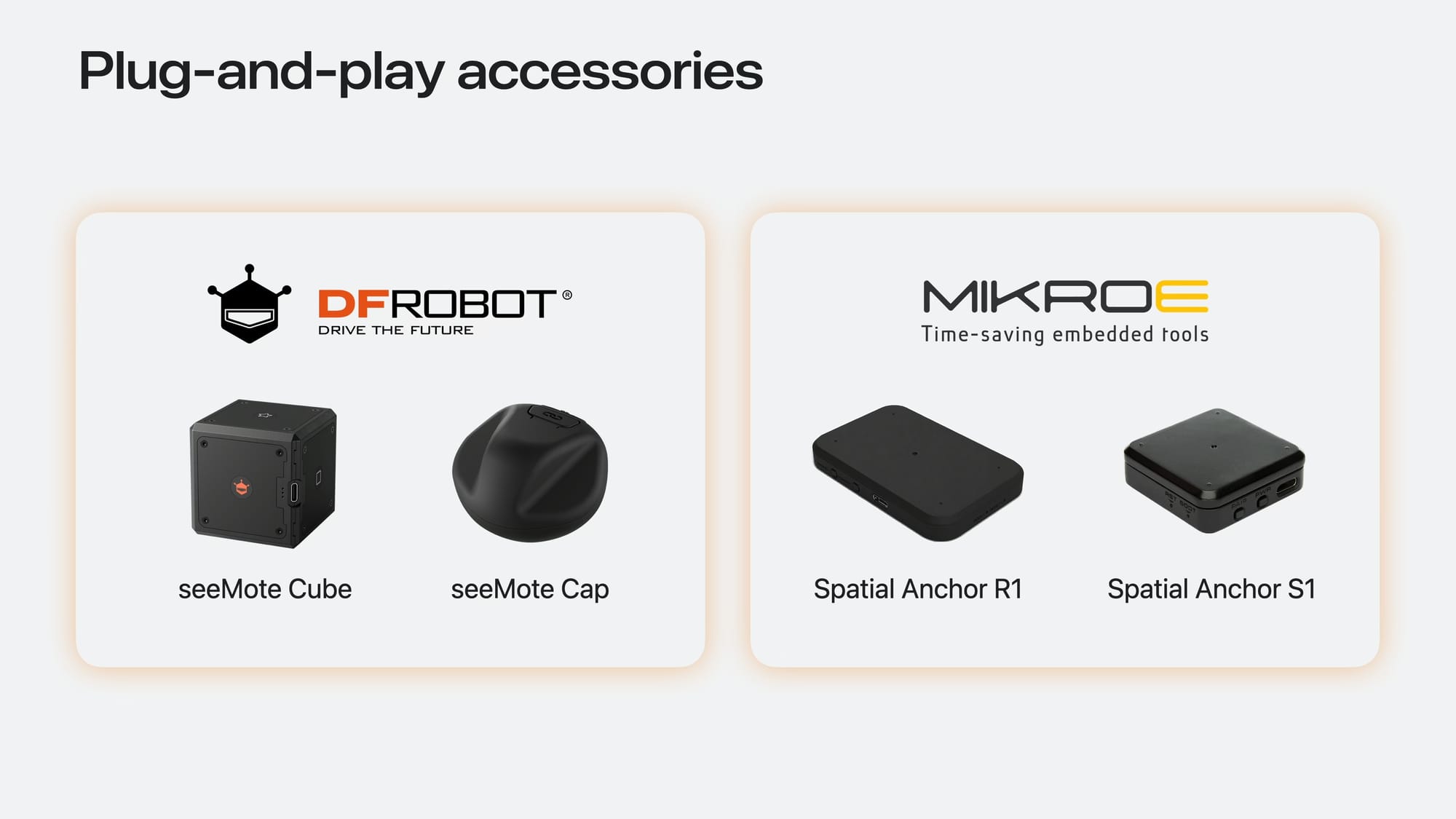
- Hardware Democratization: By opening up IR LED tracking APIs—previously locked down to Sony and Logitech—independent hardware makers like DFRobot and MikroE have already begun shipping reference developer kits. This mirrors the open ecosystem success of SteamVR "Lighthouse" tracking, allowing boutique hardware creators to build custom controllers, styluses, and tool attachments.
- Xcode 27 Device Hub: Developers have widely praised the new Device Hub app in Xcode 27, which allows remote launching of Vision Pro apps from a Mac. This solves a major pain point during live product demonstrations, where presenters previously had to guide novices through the unfamiliar gaze-and-pinch gesture system.
- Accessibility Milestones: Apple has continued its push into inclusive technology by introducing native eye-controlled power wheelchair support (integrated with Tolt and LUCI drive systems in the US), alongside auto-generated video subtitles and Vehicle Motion Cues to combat travel sickness.
Implications for the Future of Spatial Computing
visionOS 27 solidifies Apple’s long-term strategy for the Vision Pro: transforming it from an isolated, ultra-luxury media consumption device into a deeply integrated professional workstation and creative studio.

Content Creation and Sharing
The introduction of standalone, unfoveated 4K screen recording removes a massive barrier for tech journalists, educators, and influencers who previously had to struggle with low-resolution peripheral blurs caused by eye-tracked foveated rendering. Combined with the Mac 3D Object Preview API—which Maya, Cinema 4D, and SketchUp are actively adopting—designers can collaborate via SharePlay on complex 3D models with zero friction between macOS and visionOS.
Competitive Positioning
With Meta pushing Horizon OS hardware and Microsoft developing volumetric PC streaming apps, Apple is ensuring that visionOS remains technologically unassailable on the high end. By baking advanced physics, high-frequency object tracking, and generative AI directly into the operating system’s native toolsets, Apple has handed developers the keys to build enterprise-grade spatial applications faster and more reliably than ever before.
As visionOS 27 rolls out to users globally, it proves that Apple’s spatial computing vision is maturing from a dazzling technical showcase into a mature, deeply connected ecosystem.

