

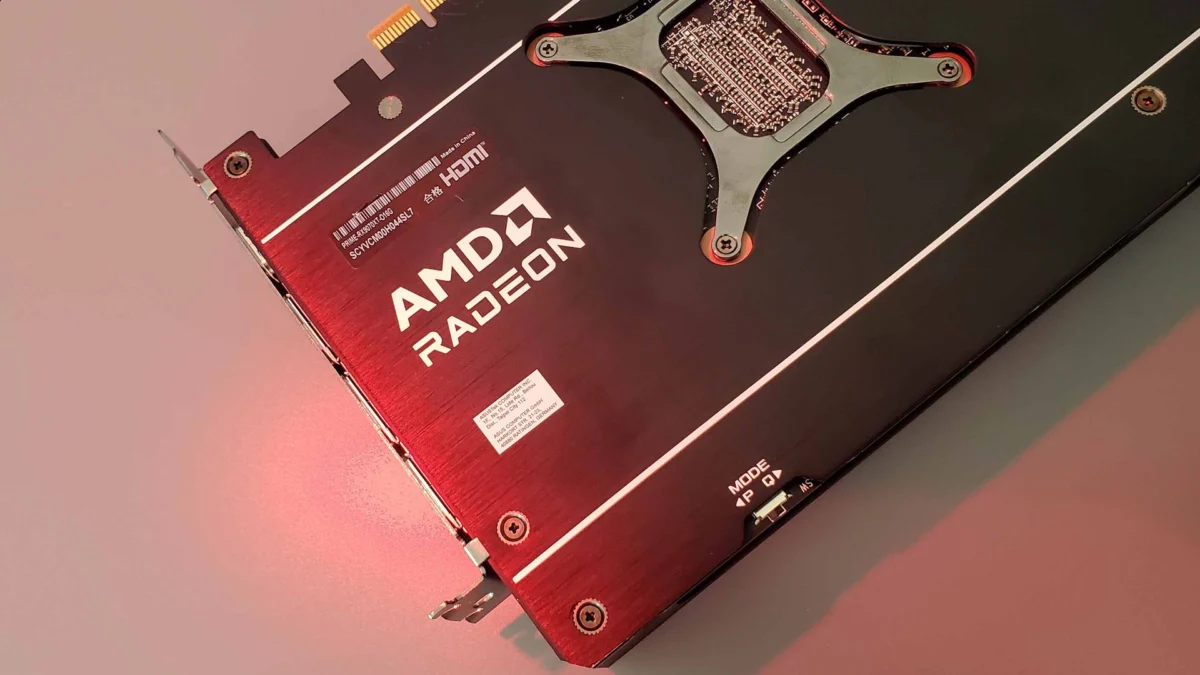
The global technology market finds itself locked in an exhausting holding pattern, reminiscent of the worst supply chain crises of the past decade. Driven primarily by an unprecedented global memory shortage—aggravated heavily by the relentless, insatiable infrastructure demands of the artificial intelligence boom—components like RAM and storage have skyrocketed in price.
For the consumer hardware space, the ripple effects are profound. When memory-intensive products do manage to hit store shelves, they are routinely burdened with dizzying, prohibitive price tags that alienate mainstream buyers.
Amid this climate of economic and manufacturing strain, fresh industry leaks suggest a stark reality for the immediate future of desktop graphics: the hardware calendar for next year is expected to be remarkably sparse. According to prominent industry insiders, gamers should brace themselves for the launch of only one major next-generation graphics processing unit next year—and it will not even be a flagship, top-tier monster.
Main Facts: The 2026–2028 GPU Drought
According to insights shared on the Anandtech forums by well-known hardware leaker Kepler_L2—subsequently reported by VideoCardz—the upcoming hardware landscape is facing a massive delay.
- The Lone Survivor: Kepler_L2 bluntly stated, "AT2 is the only GPU getting released next year. Everything else from both AMD and Nvidia is 2028."
- What is "AT2"? "AT2" serves as the alleged codename for the specialized graphics architecture slated to power Xbox Project Helix, the heavily anticipated hybrid gaming ecosystem expected to launch around 2027.
- AMD’s Next-Gen Strategy: While a next-gen AMD GPU tied to console hardware arriving next year is technically expected, the revelation is that this midrange architecture will be the only new entry from Team Red for the desktop market during that window. Ultra-high-end RDNA 5/UDNA silicon—such as the rumored 96-compute-unit "AT0" (Alpha Triton 0) chip designed to clash with high-end Nvidia hardware—has reportedly been pushed back significantly.
- Nvidia’s Roadmap: Nvidia’s next major consumer architecture wave (such as the rumored GeForce Rubin generation) and any subsequent high-end architectures are reportedly not slated to arrive until 2028. While competing leakers like Moore’s Law is Dead have previously speculated about an aggressive RTX 60-series rollout (such as an RTX 6090), Kepler_L2 has firmly dismissed those claims.
Chronology of the Leak: How the Hardware Timeline Shifted
To understand how the PC component market arrived at this rumored multi-year plateau, it helps to trace the timeline of leaks, rumors, and supply chain adjustments over the past twenty-four months.
Phase 1: The Rise of the AI Memory Crunch (2024–2025)
As data center investments by hyperscalers shifted manufacturing priorities toward High Bandwidth Memory (HBM) and enterprise-grade VRAM, consumer-grade GDDR memory allocation shrank. Prices for RAM and solid-state storage climbed steadily. During this period, rumors began to circulate that next-generation architectures (both AMD’s post-RDNA 4 plans and Nvidia’s post-Blackwell strategies) were seeing internal delays as companies recalibrated yields and cost-prohibitive production expenses.
Phase 2: Speculation on "Super" Refreshes and Midrange Shifts (Mid 2025)
Initial roadmaps suggested that both AMD and Nvidia would pursue iterative updates—such as Nvidia’s rumored RTX 50-series "Super" cards—to bridge the gap between generations. However, industry reporting by late 2025 indicated that these refresh plans were quietly being canceled or scaled back. The primary bottleneck was not just silicon fabrication capacity, but the cost and availability of advanced memory configurations required to make mid-cycle refreshes commercially viable.

Phase 3: The Console-First Paradigm (Late 2025–Present)
As leaks coalesced around console development cycles—specifically Microsoft’s next-generation hardware initiatives like Project Helix—it became clear that semi-custom silicon contracts were taking precedence. Because console designs operate on rigid multi-year production timelines, manufacturers are forced to prioritize these chips over DIY desktop parts. Consequently, midrange architectural building blocks designed for console integration are slipping out into the wild first, leaving enthusiast PC builders waiting until late 2027 or 2028 for top-tier desktop flagships.
Supporting Data & Market Dynamics
The credibility of Kepler_L2’s claims rests on broader macroeconomic and semiconductor realities currently choking the consumer electronics industry.
| Market Factor | Current Status | Impact on GPU Releases |
|---|---|---|
| Memory Shortage | Severe constraint driven by AI server demand | Inflates production costs; delays VRAM-heavy flagship cards. |
| Foundry Pricing (TSMC) | High utilization rates and rising wafer costs | Forces companies to prioritize high-margin enterprise chips over gaming GPUs. |
| Consumer Adoption | Slower upgrade cycles due to high MSRPs | Reduces manufacturer appetite to flood a sluggish market with new inventory. |
| Console Integration | Prioritization of semi-custom chips (e.g., AT2) | Pulls engineering resources away from standalone desktop flagships. |
Rumors have long pointed toward AMD plotting an ultra-high-end gaming GPU featuring 96 compute units, meant to go toe-to-toe with Nvidia’s future high-end stack (projected to rival theoretical RTX 6080-level performance). However, if the latest supply chain whispers hold true, these enthusiast cards are trapped behind a wall of delayed silicon tape-outs and macroeconomic caution.
Furthermore, while hardware enthusiasts often look to mid-generation refreshes (like "Super" or "Ti" variants) to inject life into an aging market, reports from hardware intelligence outlets like GameGPU indicate that plans for RTX 50-series Super variants were abandoned due to unfavorable memory pricing and component constraints.
Official Responses and Industry Silence
As is standard practice for major semiconductor firms, neither AMD nor Nvidia has issued formal statements addressing these specific architectural roadmap leaks.
Corporate communications departments have instead maintained a focus on enterprise AI expansion, cloud gaming infrastructure, and niche mobile solutions. For instance, Nvidia’s recent pushes into alternative form factors—such as the introduction of mobile-focused architectures like RTX Spark for ARM-powered laptops—signal a strategic pivot toward diversified computing markets rather than relying solely on traditional desktop gaming dominance.
Similarly, AMD’s public commentary remains tightly wound around current-generation RDNA 3 and rolling out broader product stacks, while keeping tight-lipped about the precise launch window of next-generation consumer microarchitectures or their exact integration schedules with upcoming semi-custom hardware partners.
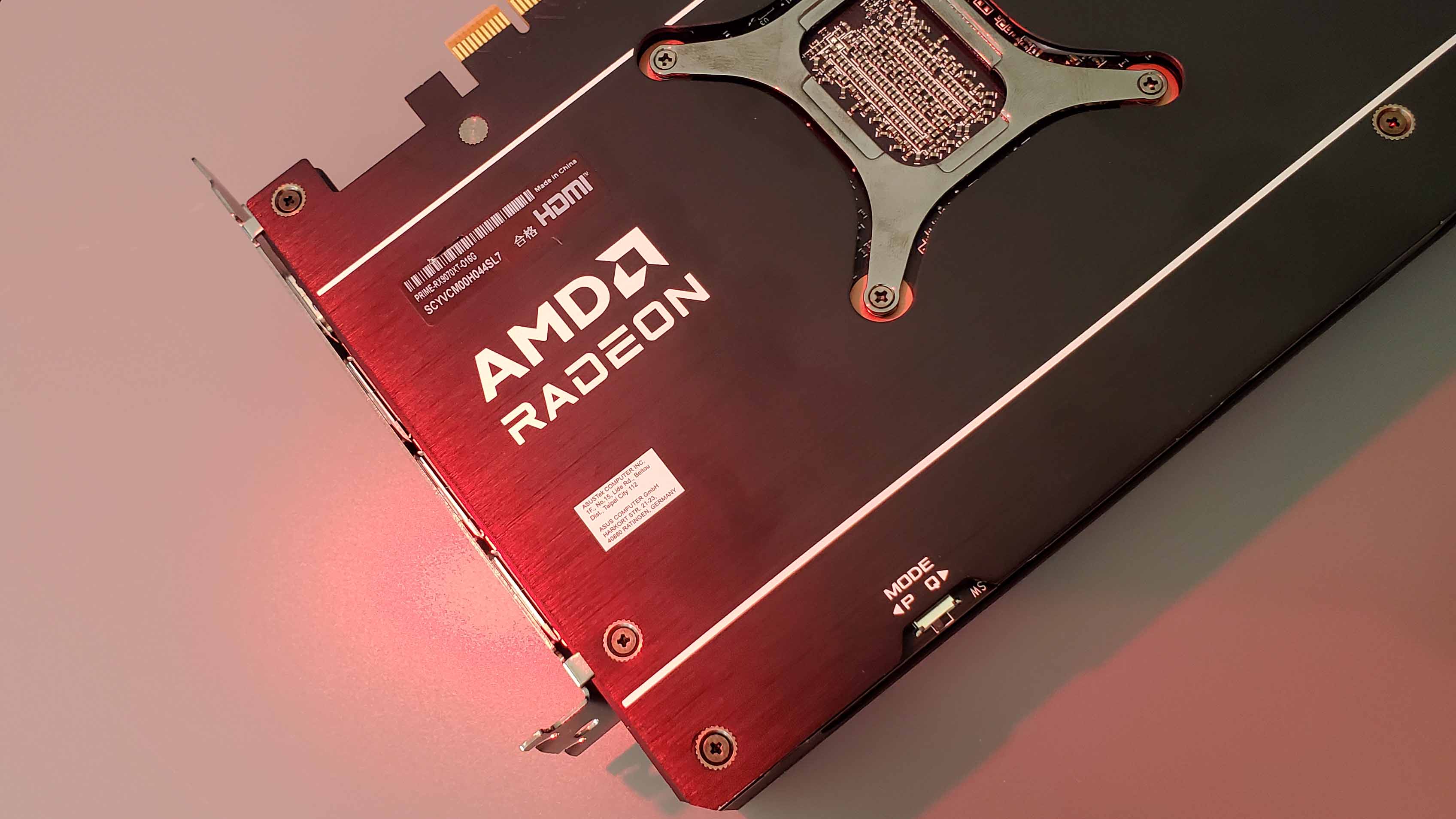
Implications: What This Means for PC Gamers
For the average PC builder and hardware enthusiast, a prolonged generational gap carries both frustrating and liberating implications.
1. Extended Lifespans for Current Hardware
With top-tier next-generation GPUs potentially pushed out to 2028, current-generation components (such as Nvidia’s RTX 50-series and AMD’s RX 9000 range) will likely retain their value and relevance much longer than historical hardware cycles suggest. Gamers who invested in high-end rigs recently will not face immediate obsolescence anxiety.
2. Continued Pricing Pressures
Because memory costs show little sign of dropping dramatically in the near term, the single GPU projected to launch next year—likely tied to the midrange console ecosystem—will carry the burden of aggressive pricing. Consumers should not expect budget-friendly revolution anytime soon; efficiency and cost-per-frame will remain paramount.
3. A Shift in Expectations
The era of predictable, clockwork two-year generational leaps from desktop GPU manufacturers is temporarily fracturing. As the industry bends toward artificial intelligence workloads and enterprise profitability, consumer gaming hardware is taking a temporary backseat.
For many veteran PC builders, the prevailing sentiment is one of weary acceptance. As the hardware world enters this protracted holding pattern, the mantra for enthusiasts has become clear: skip the hype, protect your current wallet, and look eagerly—and patiently—toward the horizon of 2028.

