

Main Facts
Released in 2026 by Cold Iron Studios, Aliens: Fireteam Elite 2 arrives half a decade after its 2021 predecessor. The original game was widely characterized as a rough-around-the-edges budget co-op horde shooter that nevertheless retained a dedicated following due to its solid gameplay foundation and untapped potential. Fans anticipated that a five-year development cycle would yield a sequel capable of rectifying the first game’s shortcomings while boldly innovating within the increasingly competitive PvE shooter genre.
Instead, Aliens: Fireteam Elite 2 launches as a frustratingly stagnant experience. While it introduces a handful of notable quality-of-life adjustments—such as expanding squad sizes from three players to four and overhauling the class progression system—it remains fundamentally tethered to the design philosophy of its predecessor. Plagued by technical instabilities, repetitive mission objectives, clunky PC-first menu navigation, and an uninspired narrative, the title struggles to justify its existence in an era where modern cooperative shooters demand much higher standards of polish and innovation.
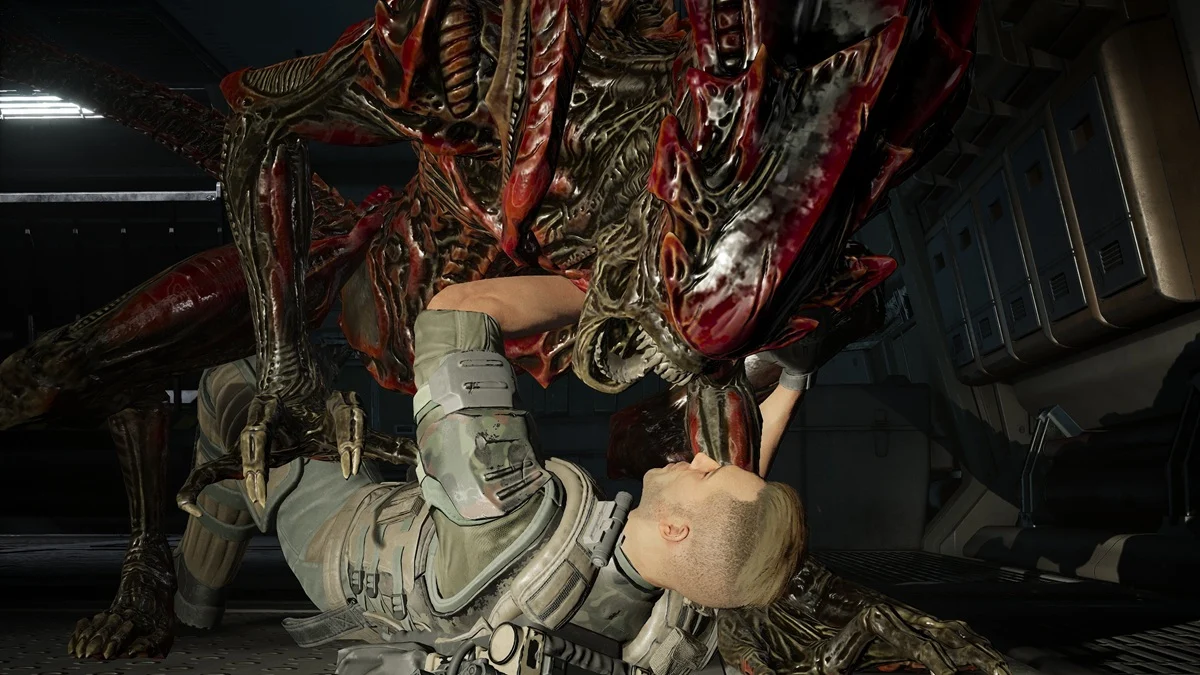
The campaign spans fifteen distinct missions spread evenly across four atmospheric biomes, with each individual run averaging roughly thirty minutes in length. Visually and aesthetically, the game succeeds in evoking the iconic science-fiction horror tone established by Twentieth Century Studios’ cinematic franchise. Environments like the Planet-Side Surface Colony—featuring abandoned industrial laboratories shrouded in thick fog and dimly lit corridors—effectively build suspense, even if the presence of a heavily armed squad prevents the game from ever crossing into true survival horror.
However, these atmospheric triumphs are continually undermined by a barrage of performance glitches, an overcomplicated user interface, and questionable design choices regarding player matchmaking and narrative pacing. For solo players and groups alike, Aliens: Fireteam Elite 2 asks a heavy toll in patience for fleeting moments of cooperative bliss.
Chronology
The trajectory of the Aliens: Fireteam Elite franchise reflects the broader commercial and critical landscape of licensed video game adaptations over the past decade.
- 2021: Cold Iron Studios launches the original Aliens: Fireteam Elite. Though hampered by a modest budget, technical limitations, and limited content variety at launch, the game earns a cult following. Players praise its faithful integration of franchise lore, weapon customization, and the sheer catharsis of mowing down hordes of Xenomorphs alongside friends. Yet, critics and fans alike agree that the title left substantial room for evolution, particularly in mission variety, enemy artificial intelligence, and narrative depth.
- 2022–2025: Throughout the ensuing five-year development cycle, Cold Iron Studios remains relatively tight-lipped regarding its upcoming projects. The co-op shooter genre undergoes a massive evolution during this period, with competitor titles raising the bar for gunplay mechanics, dynamic AI generation, and cross-platform technical stability. Expectations for a sequel steadily mount, with the community anticipating a generational leap forward.
- Early 2026: Cold Iron Studios officially releases Aliens: Fireteam Elite 2. Early pre-release marketing highlights the expansion to four-player squads, a reworked class system, and deeper narrative integration.
- Launch Week 2026: Upon release, reviewers and early adopters encounter widespread technical friction. While the core loop of fighting Xenomorphs with friends retains a baseline level of entertainment, complaints quickly mount regarding persistent frame drops, clunky PC-ported menus, and severe audio balancing issues during narrative cutscenes. The inability to join ongoing sessions without restarting levels and the absence of mid-mission matchmaking further strain the community’s goodwill.
Supporting Data and Gameplay Mechanics
Beneath its polished cinematic veneer, Aliens: Fireteam Elite 2 relies on a rigid structural framework that dictates nearly every facet of the gameplay experience. Analyzing the game’s core systems reveals a stark contrast between its mechanically satisfying class synergies and its deeply flawed logistical execution.
Campaign Structure and Mission Design
The campaign’s fifteen missions are divided among four distinct biomes. Each mission takes approximately thirty minutes to complete, but the actual objectives driving these levels lack imagination and variety. Missions routinely reduce gameplay loops to a predictable checklist of repetitive tasks:
- Clearing an incoming horde of Xenomorphs to unlock a physical corridor or transition zone.
- Interacting with a terminal and defending the position against automated or organic waves of enemies until a countdown timer expires.
- Holding a specific defensive perimeter while scavenging for scarce resources like ammunition crates and medical supplies.
This structural repetition becomes glaringly apparent when playing solo or with randomized matchmaking partners. Without the communicative buffer of playing alongside friends on voice chat, the thinness of the objectives is laid bare. Furthermore, the game implements an awkward hub-world system. Following the conclusion of every single mission, all players are automatically pulled back to a central lobby hub. If a player or the host chooses to leave, remaining players are subjected to an additional, unnecessary loading screen.
Navigating this hub introduces further friction. Players must interact with specific story non-player characters (NPCs) to unlock subsequent missions. When playing with randoms, halting the team to trigger dialogue scenes often results in teammates moving ahead, locking slower players into frustrating loading screens back to an empty hub. The game actively discourages solo engagement and punishes uncoordinated group play through these structural bottlenecks.
Squad Dynamics and Cross-Play
One of the sequel’s most meaningful structural upgrades is the transition from a traditional three-person fireteam to a four-player squad. This additional slot alters the tactical landscape significantly. Xenomorph swarms attack from multidirectional angles, and having a fourth gun on the field successfully covers blind spots that would have gone unnoticed in the first game. It genuinely enhances the cooperative fantasy of operating as a cohesive military unit.
To ensure long-term community health, the game features robust cross-play functionality between PC and console platforms. This inclusion is vital, as the game offers minimal incentive for replayability outside of grinding out currency and experience points to level up individual classes. However, certain design oversights hamper this multiplayer focus:
- No Mid-Mission Joining: If a friend disconnects or crashes mid-game, players cannot invite them back into the active session. The group must either continue shorthanded or restart the lengthy mission entirely.
- Communication Limitations: While in-game voice chat functions as intended, the game lacks quick-gestures, ping wheels, or pre-made text/audio callout menus for players who prefer non-verbal communication during public matchmaking.
Class System and Gunplay
The standout feature of Aliens: Fireteam Elite 2 is its revamped class system, which features six distinct archetypes designed to accommodate diverse playstyles:
- Duelists: Uniquely capable of equipping two primary weapons simultaneously, offering unmatched frontline sustained damage.
- Machinists: Support specialists who deploy automated sentry turrets and reconnaissance drones, assisting the squad in conserving desperately scarce ammunition.
- Medics: Essential for survival on higher difficulty tiers, capable of dropping Trauma Stations that generate wide-area healing radiuses and utilizing Combat Stims.
- Hunters: Long-range specialists designed to eliminate high-threat targets while buffing the fireteam’s overall offensive output.
- Specialists: The most innovative class addition, allowing players to mix and match active abilities unlocked from other classes they have already leveled up (e.g., combining a Medic’s Combat Stims with a Machinist’s Sentry Turrets).
Despite this mechanical depth, the physical act of shooting—the gunplay itself—feels remarkably flat. While weapons directly adapted from the film franchise (ranging from flamethrowers to assault rifles) offer surface-level visual variety, standard assault rifles feel nearly identical in practice. The audio design for weaponry lacks punch, failing to match the booming, iconic soundscapes of the cinematic source material. On the PlayStation 5, the DualSense controller implementation is similarly underwhelming, offering uniform rumble feedback across different weapon types and zero adaptive trigger resistance.
Compounding this issue is the enemy design. Many Xenomorphs and synthetic foes function as damage sponges. They lack dynamic, reactive physical flinch animations when struck by gunfire, reducing combat to a mindless exercise of spraying bullets into silhouettes until health bars deplete.
Official Responses and Developer Context
Cold Iron Studios has historically positioned itself as a developer dedicated to honoring fan-favorite intellectual properties through grounded, team-centric cooperative gameplay. Upon the release of the original Aliens: Fireteam Elite, studio representatives emphasized their commitment to expanding the game through post-launch content updates and community listening.
In the lead-up to the launch of Aliens: Fireteam Elite 2, leadership pointed toward fan feedback as the primary catalyst for expanding squad capacities to four players and restructuring the class progression tree. However, regarding the technical instability, PC-centric user interfaces, and performance complaints that have dominated early critical reception, studio representatives have yet to issue a comprehensive patch roadmap or official statement.
Industry analysts note that the studio’s silence on these technical fronts mirrors the early weeks of the 2021 release, where patches steadily trickled out over several months to address stability and balancing concerns. Whether Cold Iron Studios can course-correct through subsequent hotfixes remains to be seen, but early community sentiment indicates that patience among the fanbase is wearing thin after a five-year wait.
Implications
The commercial and critical reception of Aliens: Fireteam Elite 2 carries significant implications for both Cold Iron Studios and the broader landscape of mid-tier cooperative licensed video games.
1. Stagnation in a Hyper-Competitive Market
The cooperative PvE shooter genre has undergone a seismic shift since 2021. Players are no longer willing to excuse structural repetition, poor user interfaces, and persistent bugs simply because a game features a beloved intellectual property. By delivering a sequel that feels almost indistinguishable from its five-year-old predecessor—save for minor squad expansions and class tweaks—Cold Iron Studios risks alienating an audience that expects continuous evolution. Titles that fail to innovate in mission design, encounter variety, and technical polish are increasingly relegated to fleeting weekend distractions rather than long-term community mainstays.
2. Technical Quality Standards on Cross-Platform Releases
The heavy reliance on PC-first design choices—such as cursor-driven menus requiring analog sticks to act as improvised computer mice—highlights a persistent pitfall in multiplatform game development. When user interfaces are not thoughtfully optimized for console controllers, basic administrative tasks like changing weapon attachments or adjusting loadouts between missions transform into tedious, laggy chores. This friction damages player retention and highlights the dangers of direct porting methodologies without dedicated console-first UI passes.
3. The Value Proposition of Co-op Gaming
Ultimately, Aliens: Fireteam Elite 2 underscores an enduring truth about the cooperative genre: the company you keep matters more than the code running on your screen. As noted by critics, playing the game with a tightly coordinated group of friends over voice chat can salvage an otherwise mediocre evening of repetitive terminal defense and predictable horde clearing. Yet, relying entirely on social safety nets to mask systemic design flaws is no longer a viable long-term strategy for developers. For solo players, the game offers virtually no redeeming structural value. Unless Cold Iron Studios deploys aggressive, sweeping updates to overhaul its technical stability, streamline its user interface, and inject genuine imagination into its mission design, Aliens: Fireteam Elite 2 is destined to drift quietly into the cold expanses of deep space.

