

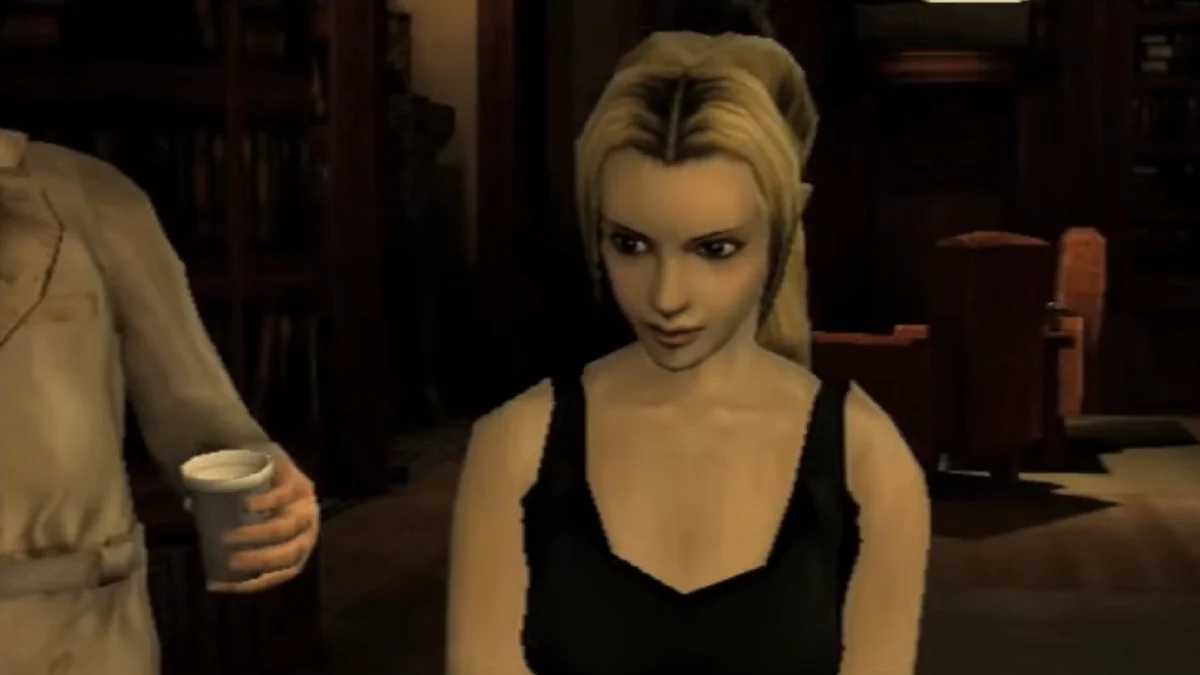
For nearly a quarter of a century, the Nintendo GameCube has been remembered primarily as the home of colorful platformers and quirky family-friendly titles. While the system’s aesthetic—a compact, purple-hued lunchbox—suggested a focus on the whimsical, the console secretly served as a crucible for some of the most influential survival horror experiences in gaming history. While Capcom’s Resident Evil remakes and the groundbreaking Resident Evil 4 often take the lion’s share of the credit for defining the system’s mature library, there remains a singular, haunting outlier that has haunted the dreams of its players for twenty-four years: Eternal Darkness: Sanity’s Requiem.
Published by Nintendo and developed by the now-defunct Silicon Knights, Eternal Darkness remains a singular artifact of the early 2000s. Unlike its peers, it has never been ported, remastered, or made available on digital storefronts, leaving it trapped in a perpetual state of retro limbo. However, recent comments from the industry’s foremost experts in retro restoration have sparked a glimmer of hope for a title long thought lost to licensing purgatory.
The Architect of Sanity: What Makes Eternal Darkness Special?
To understand why the gaming community is currently abuzz over a potential remaster, one must understand the sheer ambition of Eternal Darkness. Released in 2002, the game was a Lovecraftian epic that dared to traverse the breadth of human history. Players assumed the roles of various protagonists across four distinct time periods—ranging from the Roman Empire to modern-day Rhode Island—as they fought against the influence of "The Ancients," eldritch horrors intent on reclaiming Earth.
What truly set Eternal Darkness apart, however, was its innovative "Sanity Meter." As players encountered gruesome sights or were targeted by magical spells, their character’s mental state would deteriorate. As the meter plummeted, the game began to manipulate the player’s perception of reality.
This was not merely a character-level mechanic; it was a fourth-wall-breaking psychological experiment. At low sanity, the game might simulate a volume-down notification, display a fake "Disk Read Error" message, or even cause the game to "delete" save files, sending players into a genuine panic. These meta-fictional tricks were decades ahead of their time, creating a level of immersion that few modern horror titles have managed to replicate.
A Signal in the Noise: The Nightdive Connection
For years, fans have begged Nintendo to bring Eternal Darkness to modern hardware, only to be met with silence. The obstacles are manifold: Silicon Knights, the original developer, filed for bankruptcy in 2014, and the legal ownership of the property has remained notoriously opaque. Nintendo, famously protective of its intellectual property, has historically shown little interest in revisiting the title.
That silence was finally broken—if only slightly—by Stephen Kick, the CEO of Nightdive Studios. Nightdive has earned a near-mythic status in the industry for their meticulous work on classic game restorations, including System Shock, Quake, Turok, and the upcoming Thief: The Dark Project remaster. When a fan queried Kick on social media regarding the possibility of an Eternal Darkness revival, his response was both cautious and tantalizing.
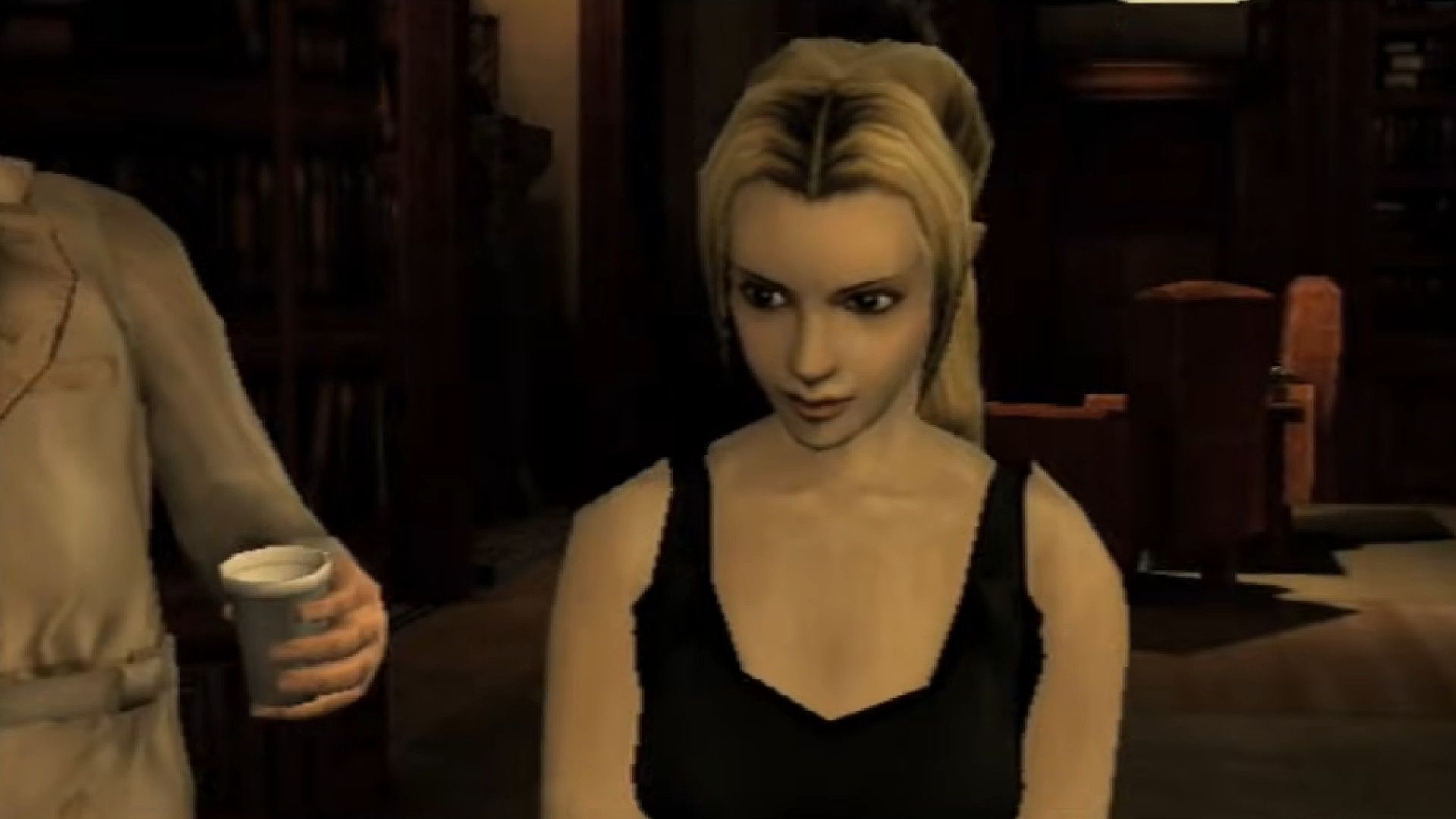
"Eternal Darkness is one of my all-time favorites and it deserves the treatment I know Nightdive Studio is capable of," Kick wrote on X (formerly Twitter). He went on to urge fans to "keep an eye on our Deep Dives," referring to the studio’s official YouTube channel where they announce their upcoming projects. While this is not an official confirmation that a contract has been signed, it represents the most significant professional acknowledgment of the game’s potential for a comeback in over two decades.
A Chronology of Neglect and Hope
- 2002: Eternal Darkness: Sanity’s Requiem launches on the Nintendo GameCube to critical acclaim, praised for its narrative depth and unique sanity mechanics.
- 2006–2010: Rumors circulate regarding a sequel, but the project fails to gain traction as Silicon Knights shifts focus to other titles.
- 2013: Denis Dyack, the creative mind behind the original, launches a Kickstarter campaign for a spiritual successor titled Shadow of the Eternals. The campaign is unsuccessful, and the project eventually dissolves.
- 2014: Silicon Knights files for bankruptcy, further complicating the legal status of the Eternal Darkness trademark and source code.
- 2024: Nightdive Studios CEO Stephen Kick publicly expresses interest in the title, reigniting fan speculation about a potential collaboration with Nintendo.
The Legal Labyrinth: Why It’s So Difficult
The primary hurdle to an Eternal Darkness remaster is the complex web of rights and developer history. Nintendo owns the publishing rights, but the creative assets were forged by a studio that no longer exists. Furthermore, the gaming industry is littered with "orphan games"—titles that are technically owned by a parent company but are ignored because the cost of clearing rights, locating source code, and updating old engines for modern resolutions outweighs the perceived market demand.
Nightdive Studios, however, is uniquely positioned to handle such a task. Their proprietary KEX Engine has proven capable of reviving games that were previously considered "impossible" to port. By rebuilding these titles from the ground up while maintaining the original spirit and "feel," Nightdive has become the industry standard for archival-quality restoration. If anyone has the technical expertise to navigate the technical debt of a 2002 GameCube title, it is them.
Implications for the Horror Genre
Should Eternal Darkness make a return, the implications for the genre would be significant. Modern horror games have become increasingly reliant on "jump scares" and high-fidelity graphics. Eternal Darkness represents a different philosophy: one based on narrative persistence, psychological manipulation, and the subversion of the player’s trust in the medium itself.
A successful remaster would not only serve as a love letter to the GameCube era but would also reintroduce a generation of players to a style of horror that values atmosphere and intellect over simple frights. It would also prove that even the most "lost" titles can be rescued if the right team with the right passion finds a way to open the door.
For now, the gaming world remains in a state of suspended animation. The prospect of seeing the sanity effects updated for 4K displays and modern sound systems is a dream that has eluded fans for twenty-four years. Whether Stephen Kick’s comments were a mere expression of personal fandom or a subtle hint at an ongoing negotiation remains to be seen. However, for a game defined by its ability to play with the player’s mind, the current mystery surrounding its future feels almost fitting.
As we wait for the next "Deep Dive" from Nightdive Studios, the legacy of the GameCube’s greatest horror experiment continues to simmer, proving that some shadows, no matter how long they have been cast, never truly fade away.

