

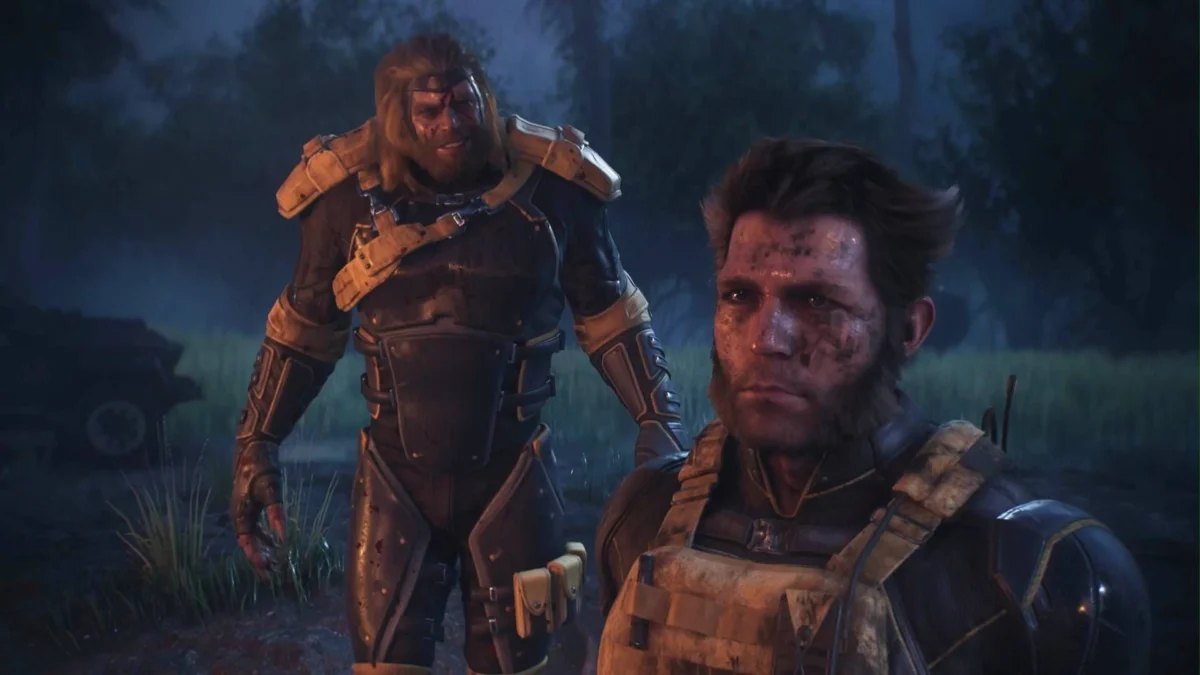
As players prepare to dive claws-first into Sony and Insomniac Games’ latest superhero epic, one burning question dominates gaming forums and community discussions: Just how long is Marvel’s Wolverine?
While the industry has become increasingly saturated with sprawling, 100-hour open-world behemoths that demand weeks of dedicated playtime, Marvel’s Wolverine takes a notably more focused approach. Eschewing the massive sandbox maps seen in titles like Marvel’s Spider-Man, this action-adventure title leans into a linear, narrative-driven structure across its 30 distinct levels. However, a tight structure does not mean a brief experience. Depending on your chosen difficulty, your appetite for exploration, and how thoroughly you wish to conquer its challenges, the time required to see the credits roll can vary significantly.
Here is a detailed breakdown of what players can expect from their journey alongside Logan, structured around playstyles, chronologies of completion, supporting data, official game design philosophies, and what this release means for the future of single-player superhero gaming.
Main Facts: The Core Numbers at a Glance
For the average gamer balancing work, life, and a gaming backlog, Marvel’s Wolverine offers a robust middle-ground campaign length.
- Average Playthrough: Most players will spend between 15 to 20 hours hacking and slashing their way through the campaign.
- The "Sweet Spot": A standard, balanced playthrough—assuming you watch all cutscenes, die a few times to challenging combat encounters, and hunt down a moderate number of collectibles—lands right around 16 hours.
- Speedrun / Low-Difficulty Route: Players rushing through the narrative on a lower difficulty setting while completely ignoring side content and optional challenges can clear the game in under 15 hours. However, due to the substantial volume of cinematic cutscenes, sub-15-hour runs still require purposeful commitment.
- Completionist / 100% Run: For those dedicated to seeing everything the game has to offer—including maxing out Nightmare Trials, collecting every whiskey bottle and material crate, and unlocking all suits and upgrades—expect to invest 20 hours or more.
- New Game+ Replayability: A dedicated New Game+ mode allows players to carry over their hard-earned unlocks into a tougher run, featuring an increased level cap, four exclusive Wolverine Adaptations, and advanced combat techniques.
Chronology and Pacing: How the Campaign Unfolds
Unlike open-world titles where players frequently stray off the beaten path to complete side quests or clear map icons, Marvel’s Wolverine keeps its narrative tight and momentum high. Spanning 30 levels, the game’s chronology is broken down into distinct narrative arcs that shift the tone from stealthy, tactical infiltration to brutal, unrelenting berserker brawls.
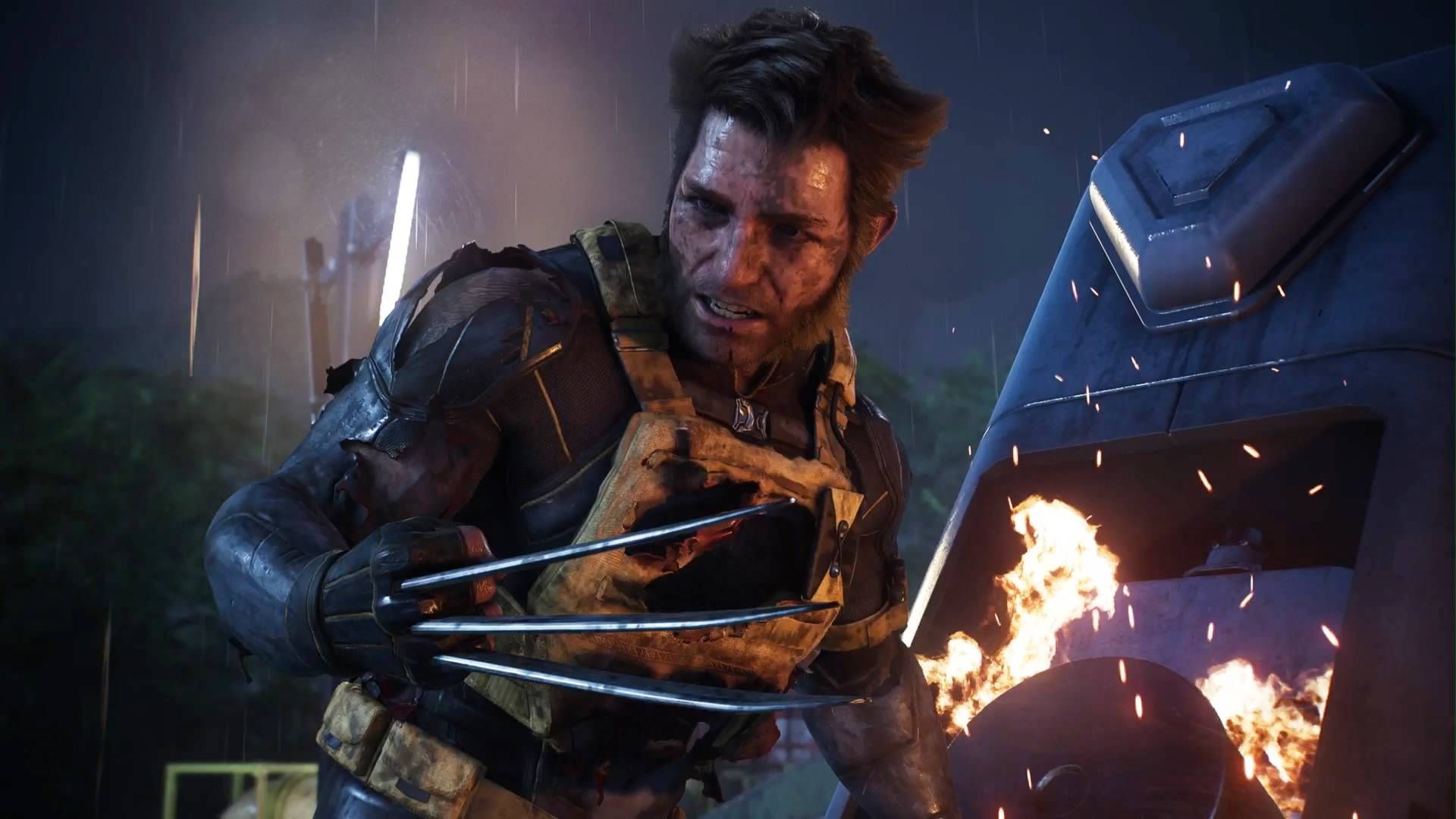
The Early Game (Hours 1–5): Learning the Ropes
The opening chapters serve as a brutal introduction to Logan’s world, featuring high-stakes encounters with iconic rivals like Sabretooth. During these initial hours, players are introduced to the core mechanics: the visceral combat system, healing factor mechanics, and environmental interactions. Because players are still mastering the timing of parries, dodges, and feral lunges, death counts tend to be higher here, naturally stretching out the playtime as players adapt to the game’s demanding combat loop.
The Mid-Game (Hours 6–12): Expanding the Arsenal
As the narrative thickens and Logan travels through diverse global environments, the game opens up slightly in terms of player expression. This is where you begin investing in advanced combat techniques and hunting down collectibles like Material Crates and Wolverine Whiskey Bottles. Pacing remains fast, punctuated by cinematic set pieces that rival Hollywood blockbuster films.
The Endgame and Post-Game (Hours 13–20+): Nightmare Trials and Completionism
In the final third of the game, encounters become significantly more punishing. Players tackling higher difficulties like "The Mutant" will find themselves relying heavily on upgraded abilities and tactical positioning. Once the main campaign concludes, completionists will likely spend several additional hours revisiting chapters to clean up missed collectibles, push through punishing Nightmare Trials to achieve Adamantium-level ratings, and dive headfirst into New Game+ for the ultimate challenge.
Supporting Data: Playstyle Breakdowns
To give a clearer picture of how individual playstyles impact the clock, developers and early reviewers have mapped out three distinct approaches to tackling Marvel’s Wolverine:
| Playstyle Approach | Estimated Time | Description |
|---|---|---|
| The Story Rush | 12 – 14 Hours | Playing on lower difficulties, skipping optional challenges, ignoring collectibles, and focusing purely on the narrative momentum. |
| The Balanced Fan | 15 – 18 Hours | Watching all cutscenes, dabbling in collectible hunting, dealing with occasional combat failures, and exploring levels moderately. |
| The True Completionist | 20+ Hours | Achieving Adamantium-level ratings on every Nightmare Trial, collecting every whiskey bottle and crate, unlocking all suits, and completing New Game+. |
Combat proficiency is arguably the greatest variable in determining your overall play time. Players who frequently utilize Logan’s regenerative abilities reactively rather than proactively may find themselves staring at "Game Over" screens more often, adding cumulative hours to their final playthrough tally.
Official Responses and Developer Philosophy
Insomniac Games has long been praised for respecting players’ time while delivering AAA narrative experiences, and Marvel’s Wolverine is no exception. In developer interviews and behind-the-scenes deep dives, the studio emphasized that they deliberately avoided padding the game with repetitive open-world filler.
Rather than forcing players into hundreds of map-clearing busywork tasks, Insomniac focused its design resources on crafting tightly directed, high-fidelity action sequences. By prioritizing depth over sheer breadth, the team ensured that every hour spent playing felt purposeful, kinetic, and deeply connected to Logan’s character arc. The inclusion of structured features like Nightmare Trials and New Game+ provides optional avenues for mastery, giving hardcore action fans the challenge they crave without inflating the core campaign for casual players.
Implications: What This Means for Single-Player Action Games
The release and reception of Marvel’s Wolverine carry significant implications for the modern gaming landscape. For years, the industry trend has leaned heavily toward massive open-world titles requiring a 60-to-100-hour commitment—a model that frequently leads to player fatigue and bloated game design.
By delivering a polished, intensely focused 15-to-20-hour campaign, Marvel’s Wolverine demonstrates that players still deeply value "mid-length" blockbuster experiences. It proves that a game does not need to span multiple weeks to feel substantial or worth its price tag. The tight pacing, high replay value via New Game+, and lack of artificial padding set a stellar benchmark for future superhero adaptations and linear action games alike.
Whether you plan to casually slice your way through the story over a weekend or meticulously hunt down every hidden secret on the highest difficulty setting, Marvel’s Wolverine promises an unforgettable ride that won’t outstay its welcome.

