

By Gaming News Desk
Published: October 2024
Main Facts
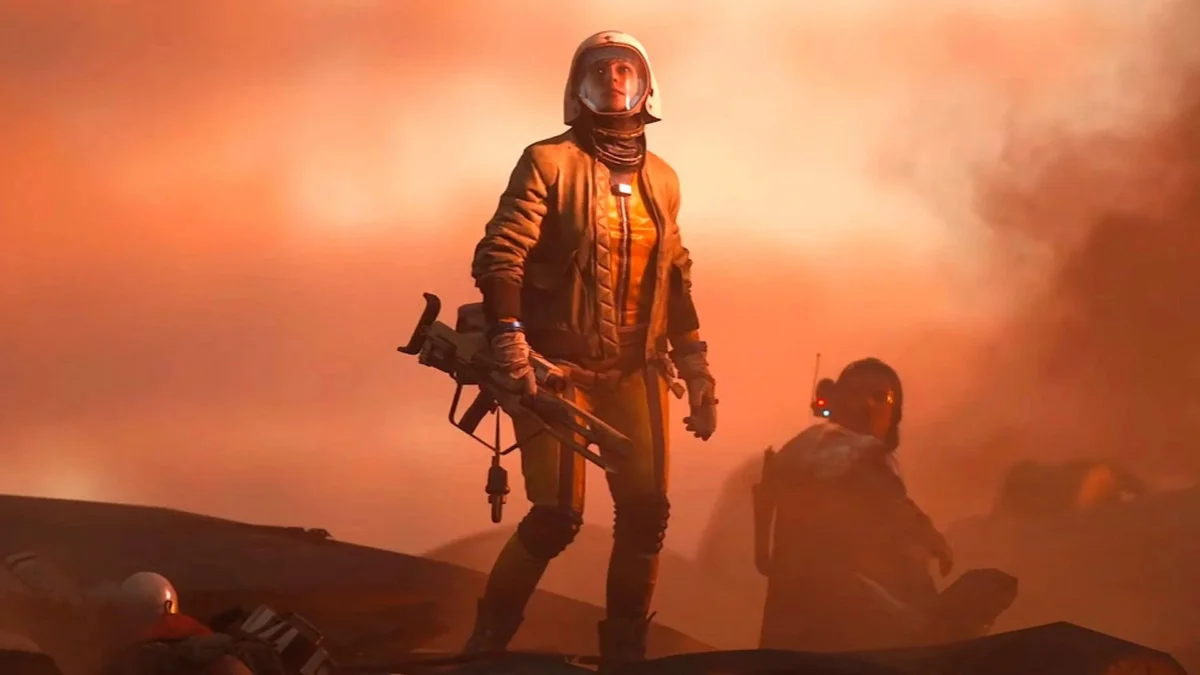
Embark Studios has announced a sweeping, long-term suspension of the "Expeditions" system in its upcoming third-person shooter, Arc Raiders. The feature, which functions similarly to the prestige mechanics found in traditional military shooters like Call of Duty, is being pulled offline following the departure of the fifth Expedition window at the end of September.
According to the developer, the system will remain offline until early 2027. However, recent statements from studio leadership suggest that a temporary hiatus may only be the first step. Speaking to industry media at Gamescom, Arc Raiders Executive Producer Aleksander Grøndal admitted that scrapping the entire mechanic permanently remains a viable option if reworking it proves unfeasible.
The core motivation behind the freeze stems from persistent community backlash regarding the system’s design. Players have long criticized the punishing grind, restrictive departure windows, underwhelming reward structures, and the steep barriers facing newcomers who engage with the mechanic. Embark Studios has conceded that these systemic flaws cannot be resolved through routine patch notes or incremental balancing; they require a ground-up evaluation of how high-level progression functions within the harsh, post-apocalyptic world of the Rust Belt.
Chronology of the Crisis: From Launch Design to 2027 Hiatus
Understanding how Arc Raiders arrived at this pivotal crossroads requires examining the timeline of the game’s high-level progression systems and the escalating friction between developer intent and player reception.
The Inception of the Rust Belt Caravan
When Embark Studios first outlined the mechanics behind Arc Raiders, the studio aimed to create a meaningful endgame loop for players who had mastered the standard survival mechanics. Enter the Expedition system—narratively framed as investing resources into a massive "caravan" that permanently transports a player’s character away from the desolate Rust Belt to safety.
Mechanically, it functioned as a classic prestige reset. High-level players voluntarily wiped their hard-earned levels, skill trees, and inventories in exchange for exclusive cosmetic rewards, legacy badges, and persistent account-wide benefits for their subsequent characters.
The Growing Chasm Between Players and Developers
Almost immediately following the wider availability of high-end gameplay loops, the community began pushing back against the foundational math and structural rules governing Expeditions.
- The Grind vs. Reward Imbalance: Players pointed out that the sheer amount of time, rare materials, and currency required to fund a caravan departure vastly outweighed the tangible benefits received on the other side. For many, the reset felt punishing rather than rewarding.
- Rigid Departure Windows: The timeframes during which players could initiate an Expedition were tightly regulated by the developers, creating artificial bottlenecks and inducing "FOMO" (fear of missing out) rather than organic player engagement.
- Newcomer Alienation: New or returning players found themselves walled off or confused by a meta that heavily favored veterans who had already looped through multiple Expedition cycles.
The August 2024 Breaking Point
Recognizing that community dissatisfaction was reaching a boiling point, Embark Studios took to official channels in August to announce a drastic intervention. The studio confirmed that the fifth Expedition—scheduled to depart at the conclusion of September—would be the final one allowed to run before a prolonged, multi-year suspension took effect.
The rationale was clear: piecemeal adjustments and hotfixes were no longer sufficient. The system required major architectural surgery, prompting the decision to bench Expeditions until early 2027.
Gamescom Revelations and the Threat of Cancellation
The narrative shifted dramatically during Gamescom, where executive producer Aleksander Grøndal spoke candidly with reporters about the true fragility of the feature. Grøndal acknowledged that while the team was committed to investigating deep systemic changes during the multi-year pause, the nuclear option was also under consideration.
As the studio prepares to roll out its next major content milestone—the high-stakes, winter-themed Frozen Trails update in October—the ultimate fate of Expeditions hangs in total limbo.
Supporting Data & Mechanics Analysis
To understand why the Arc Raiders community reacted so negatively to Expeditions, it is vital to analyze how the mechanic operates under the hood compared to similar systems in the multiplayer gaming ecosystem.
| Feature Aspect | Traditional Prestige (e.g., Call of Duty) | Arc Raiders Expeditions System |
|---|---|---|
| Core Loop | Reset level cap for icons/cosmetics | Reset level, skills, and inventory to "leave" the Rust Belt |
| Resource Investment | Time-based (XP accumulation) | Material- and currency-heavy ("caravan" funding) |
| Flexibility | Player-initiated at any time post-cap | Restricted to strict, developer-enforced departure windows |
| New Player Impact | Minimal; mostly affects individual progression | High; creates fractured tiers between veterans and newcomers |
| Current Status | Standard industry feature | Halted until 2027; potential total cancellation |
The fundamental issue lies in the genre shift. While resetting levels in a fast-paced arena shooter like Call of Duty primarily impacts weapon unlocks and cosmetic bragging rights, doing so in a resource-driven extraction or survival shooter carries immense psychological and temporal weight. Losing an accumulated inventory and deeply specialized skill trees in a game where looting and survival are paramount creates a jarring sense of regression that many players found antithetical to fun.
Official Responses and Developer Insights
Embark Studios has handled the controversy with a degree of transparency that is increasingly rare in the modern live-service gaming landscape, though their candor has also introduced substantial uncertainty.
In his interview at Gamescom, Grøndal did not sugarcoat the shortcomings of the original design:
"Was the system perfect? No, probably not. We want to make some significant changes to the Expedition system. But I think right now we’re focused on, ‘Yeah, they are what they are,’ but the intent is to have them change."
Crucially, Grøndal opened the door to the complete eradication of the feature, signaling that the development team is not beholden to sunk-cost fallacies regarding past design documents:
"Maybe we’ll scrap the whole system altogether. That is on the table, too. Right now, the team is trying to figure out what the next steps for Expeditions are."
This sentiment echoes the studio’s earlier August statement, which explicitly noted that the problems plaguing the system—such as the restrictive departure windows, out-of-whack reward curves, and onboarding barriers—demanded a complete structural rethink rather than simple tuning adjustments.
Implications for Arc Raiders and the Live-Service Landscape
The temporary shelving—and potential death—of the Expedition system carries wide-ranging implications for both the immediate future of Arc Raiders and the broader live-service video game industry.
1. Shifting Focus to Core Survival and New Content
With Expeditions officially sidelined until 2027, Embark Studios is redirecting its development bandwidth toward immediate gameplay experiences. The most notable beneficiary of this pivot is the upcoming Frozen Trails update, scheduled for release in October. This major content drop promises to introduce a harsh, high-level frozen map populated by new ARC threats designed to fundamentally test how players navigate, position themselves, and survive in the field. By removing the distraction of a universally disliked endgame loop, the team can concentrate on refining core gunplay, tactical exploration, and environmental challenges.
2. A Lesson in Live-Service Agility
For the broader gaming industry, Embark’s handling of the Arc Raiders crisis serves as a case study in listening to player feedback versus clinging to original design visions. Many live-service titles stumble by stubbornly forcing flawed mechanics down their community’s throat under the guise of "long-term vision." By hitting the brakes for over two years—or demonstrating the willingness to permanently cut dead weight—Embark is signaling that player retention and systemic health take precedence over sunken development costs.
3. Community Trust and Uncertainty
While transparency is generally praised by players, the open-ended nature of the announcement leaves a cloud of uncertainty over the game’s long-term progression roadmap. High-level players who enjoy the concept of resetting for prestige-style rewards now face a multi-year void where no such system exists. Whether Embark can return in 2027 with a radically reimagined loop that satisfies both hardcore grinders and casual survivors—or whether they choose to permanently close the Rust Belt caravan doors forever—will remain one of the most closely watched storylines in online multiplayer gaming.

