

Main Facts: The Shocking Announcement of Diablo 5
In a surprise revelation that sent shockwaves through the gaming community, Blizzard Entertainment officially announced Diablo 5 during the opening ceremonies of BlizzCon 2026. While the title is currently slated for a distant 2029 release window, keeping it deep in its developmental incubation phase, the studio offered a staggering amount of early concept art, narrative framing, and mechanical overviews.
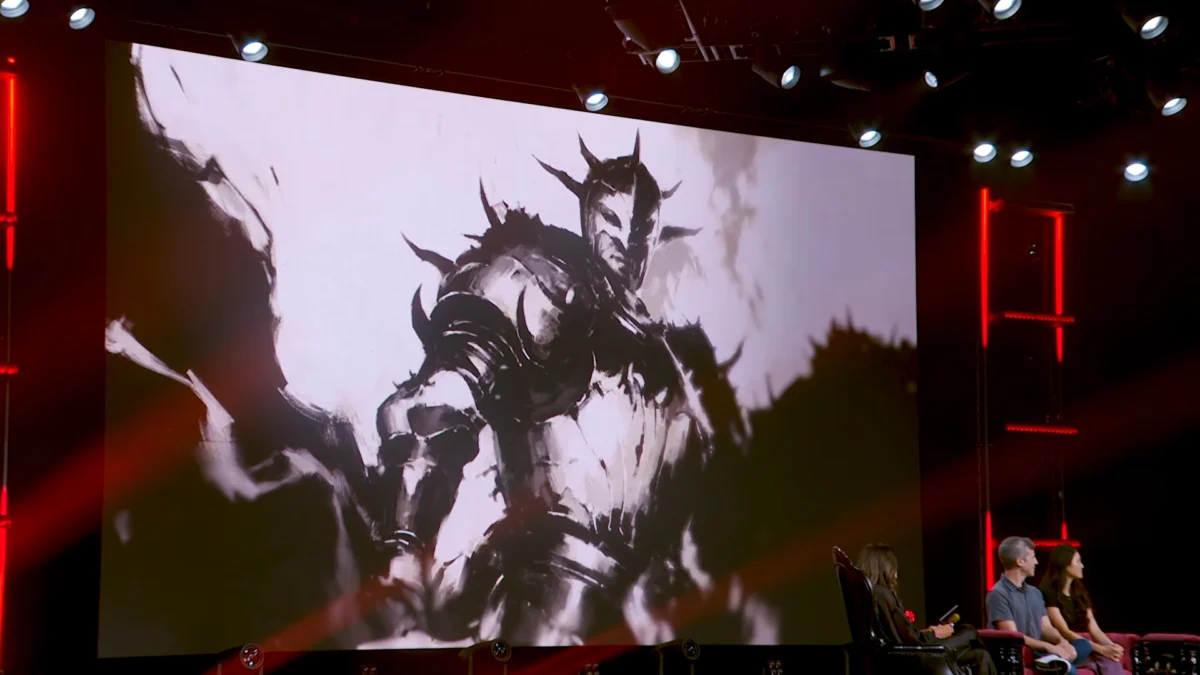
Chief among the announcements is the debut of the Plague Knight, an entirely unprecedented class in the storied history of the Diablo franchise. Alongside this morbid new heavy combatant, Blizzard confirmed the return of fan-favorite archetypes: the swift, ranged Demon Hunter and the martial-arts-mastering Monk.
According to Game Director Joe Shely, Diablo 5 intends to break records for the franchise right out of the gate by launching with the highest number of playable classes in series history. Unlike previous iterations that gradually rolled out roster expansions through post-launch downloadable content (DLC) and expansions, Diablo 5 aims to deliver an unprecedented suite of options on day one. These classes are designed around a dual philosophy: low barrier-to-entry accessibility for casual players paired with the labyrinthine mastery, build diversity, and stat-crunching complexity expected of a premier modern Action RPG (ARPG).
Chronology: From Diablo 4 Evolution to the 2029 Horizon
To understand the magnitude of the Diablo 5 announcement, one must look at the recent timeline of Blizzard’s flagship ARPG ecosystem:
- 2023–2025: Diablo 4 establishes a steady rhythm of seasonal updates, expansions, and mechanical reworks, striving to recapture the grimdark essence of Diablo 2 while maintaining modern live-service viability.
- Late 2026: Blizzard outlines the final chapters of Diablo 4, including major boss additions and the impending introduction of legacy classes like the Amazon slated for 2027.
- BlizzCon 2026 (Present Day): Blizzard stuns attendees with the unexpected teaser for Diablo 5. Rather than merely dropping a cinematic logo, the development team hosts an in-depth follow-up panel revealing lore, structural changes to the game world, and the first three officially confirmed classes.
- 2027–2028: Anticipated period for closed alpha and beta testing phases, where select community members will likely get their first hands-on experience with the game’s baseline mechanics.
- 2029: The targeted global launch window for Diablo 5 across contemporary gaming hardware.
Supporting Data: A World Without Sanctuary
The narrative premise of Diablo 5 represents a radical departure from every preceding entry in the franchise. Historically, the overarching plot of the series centers around humanity—bolstered by heroic Nephalem or wandering adventurers—defying the Burning Hells, pushing back the Prime Evils, and carving out sanctuaries of safety.
In Diablo 5, that foundational premise is obliterated.
The Fall of Sanctuary
Blizzard confirmed during the reveal that the narrative begins in a reality where Diablo has won. The Lord of Terror has successfully subjugated humanity, and the mortal realm of Sanctuary has fallen completely to his dark will.
This lore shift carries massive gameplay implications:
- The Eradication of Safe Havens: Traditional hub towns, localized sanctuaries, and cozy safe zones where players could vendor items, chat with NPCs, and rest between excursions no longer exist.
- Constant Peril: The open world is hostile territory through and through. Players will never truly be safe, transforming the traditional ARPG gameplay loop into a constant struggle for survival against entrenched demonic dominion.
- Bleaker Aesthetics: Early concept art showcases an art direction that pushes past the Gothic horror of Diablo 4 into an atmosphere of absolute desolation, rot, and despair.
Official Responses: Inside the Mind of the Developers
During the post-announcement panel attended by industry press, Game Director Joe Shely and members of the core design team elaborated on the vision driving Diablo 5. Their commentary sheds light on how the studio plans to balance broad market appeal with hardcore ARPG depth.
The Plague Knight: "Walking Death"
The standout revelation of the panel was the Plague Knight. Rejecting the noble tropes typically associated with fantasy knights, this class leans heavily into body horror and grotesque contagion.
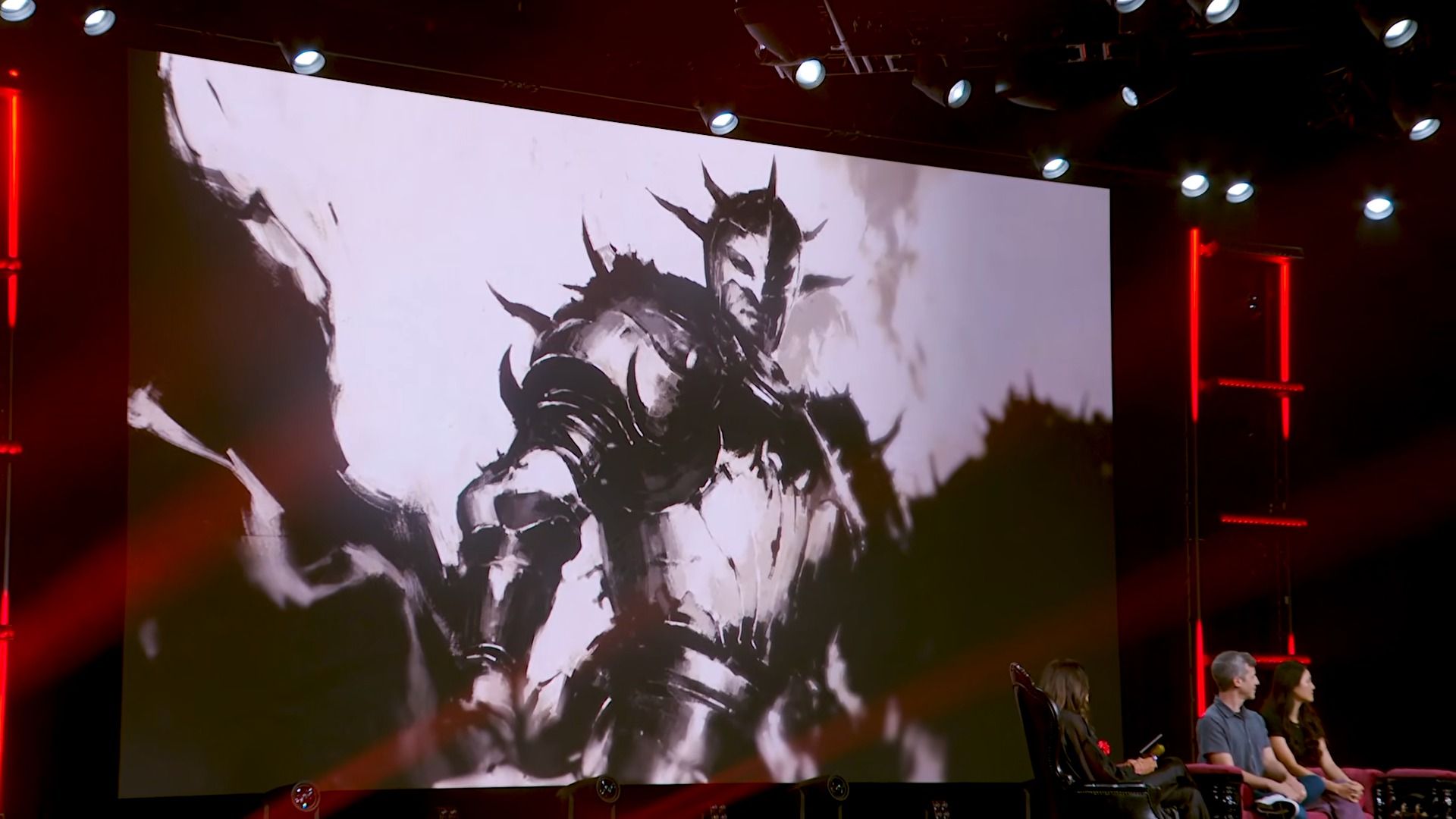
"The Plague Knight is a heavily armored class, a literal walking death that roams across the blighted landscape spreading disease and consuming it for raw power," explained Shely during the presentation.
Analysts and fans alike have noted that the Plague Knight’s mechanics make traditional Necromancers look practically benevolent. Instead of merely raising the dead or commanding bone constructs, the Plague Knight infects living and unholy targets alike, turning afflictions into a resource pool. By consuming the lingering death energy of decayed foes, the knight fuels their offensive and defensive capabilities.
The Launch Roster Strategy
Addressing the scope of the game, Shely made bold claims regarding the launch lineup:
"Diablo 5 is going to launch with more classes than ever before. And I don’t just mean more classes than another Diablo game at ship. I mean more classes total."
Shely emphasized that quantity will not come at the expense of design quality. The development philosophy prioritizes immediate gratification—ensuring that a newcomer can pick up any class and experience visceral, fast-paced action within minutes—while concealing layers of algorithmic complexity, passive skill trees, and legendary synergies that will take dedicated theorycrafters years to fully decode and master.
Implications: What Diablo 5 Means for the ARPG Genre
The announcement of Diablo 5 so early in its development cycle carries profound implications for Blizzard Entertainment, the competitive ARPG landscape, and the player base.
1. A Shift in Live-Service Expectations
Announcing a game three years prior to its expected release is a rarity in modern AAA development, where publishers often prefer tight, 12-to-18-month marketing windows to avoid fatigue. By revealing Diablo 5 now, Blizzard is signaling to the market that Diablo 4 will reach a definitive narrative and structural conclusion in the coming years, paving the way for a generational leap rather than infinite horizontal expansion.
2. Raising the Bar for Dark Fantasy
With competitors like Path of Exile 2 and various indie isometric ARPGs pushing the envelope in terms of mechanical complexity and grimdark storytelling, Diablo needed to make a statement. By permanently altering the status quo—having Diablo win and removing safe zones—Blizzard is taking a narrative risk that could redefine how players interact with open-world ARPG maps.
3. Class Identity and Build Diversity
The inclusion of the Plague Knight alongside returning staples like the Demon Hunter and Monk proves that Blizzard is willing to experiment outside safe design boundaries. Integrating a contagion-based tank/bruiser class opens up entirely new archetypes for cooperative play, PvP meta-gaming, and endgame dungeon scaling.
Conclusion
As the gaming world digests the monumental news out of BlizzCon 2026, the wait until 2029 has officially begun. While details remain scarce and developers keep their cards close to their chests regarding release milestones and platform availability, one thing is certain: the world of Sanctuary as players knew it is gone. In its place rises a bleak, terrifying new frontier ruled by Diablo himself—and humanity’s only hope lies in heroes willing to wield disease, shadows, and martial fury to carve out a bloody path toward vengeance.

