

Main Facts
In a gaming industry where live-service titles are routinely discarded the moment their profit margins dip, miracles are exceptionally rare. MOBAs (Multiplayer Online Battle Arenas) that successfully launch, sustain a player base, and then stage a resurrection years after being placed on life support are practically unheard of. Yet, against all conventional wisdom, Blizzard Entertainment has stunned the gaming community by breaking the long silence surrounding Heroes of the Storm (HotS).
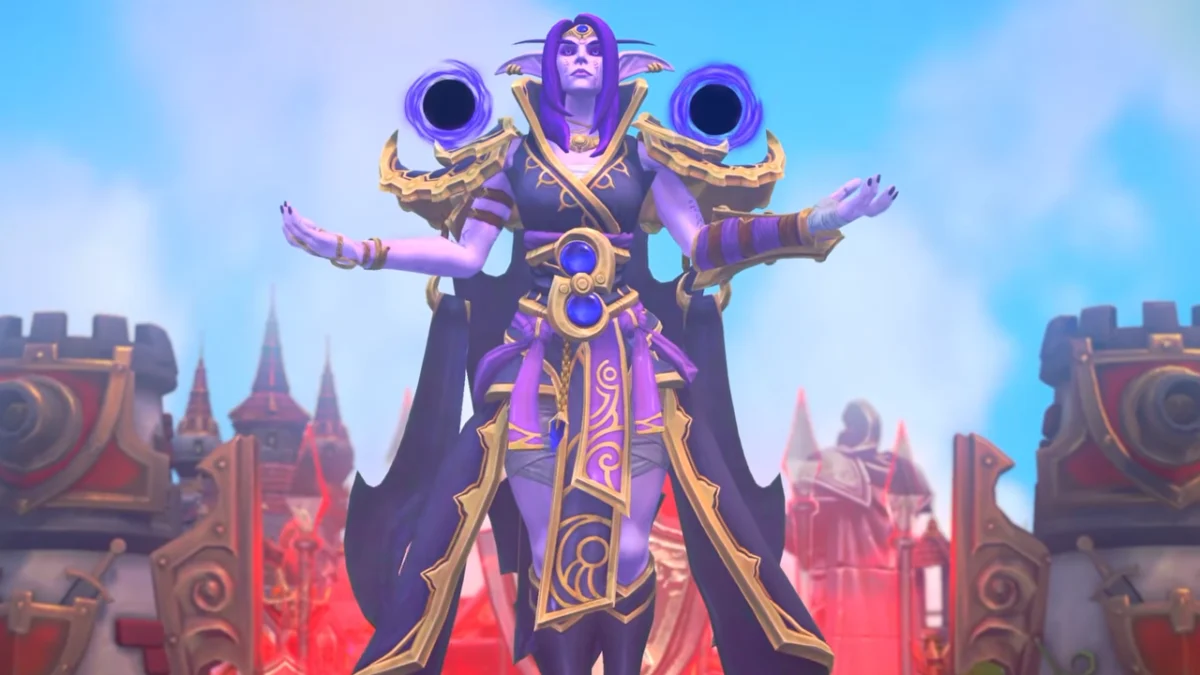
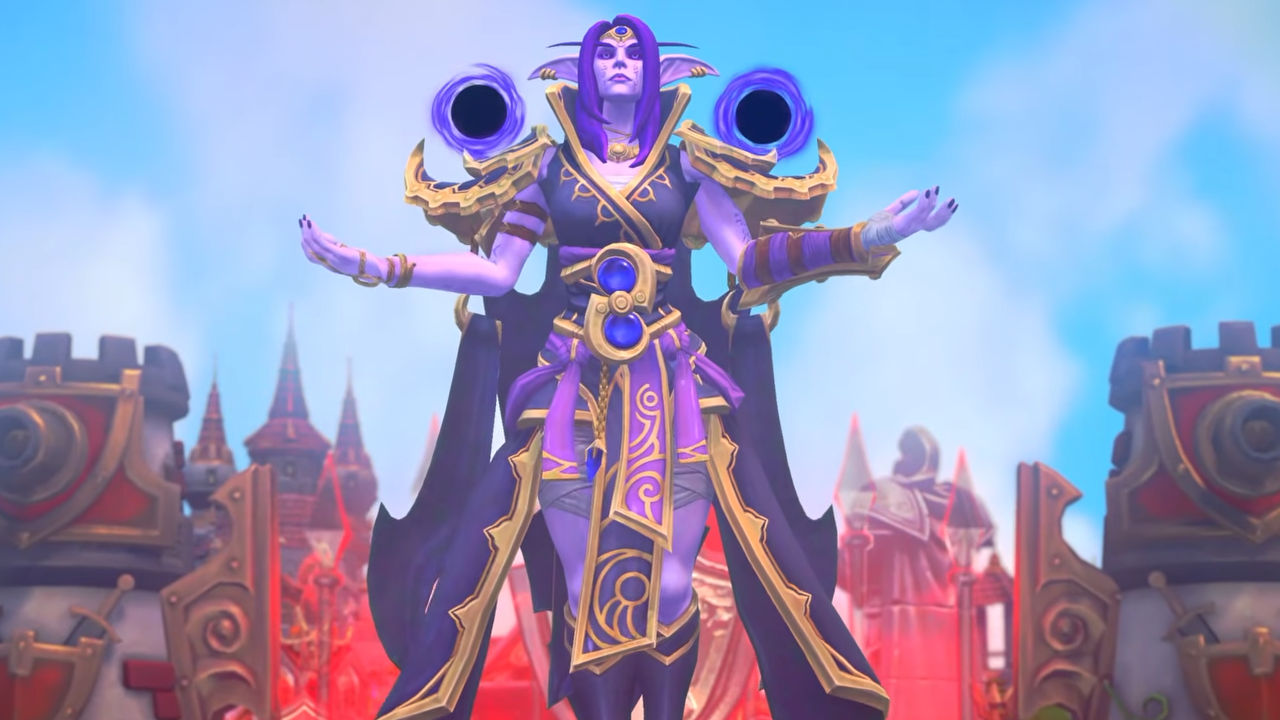
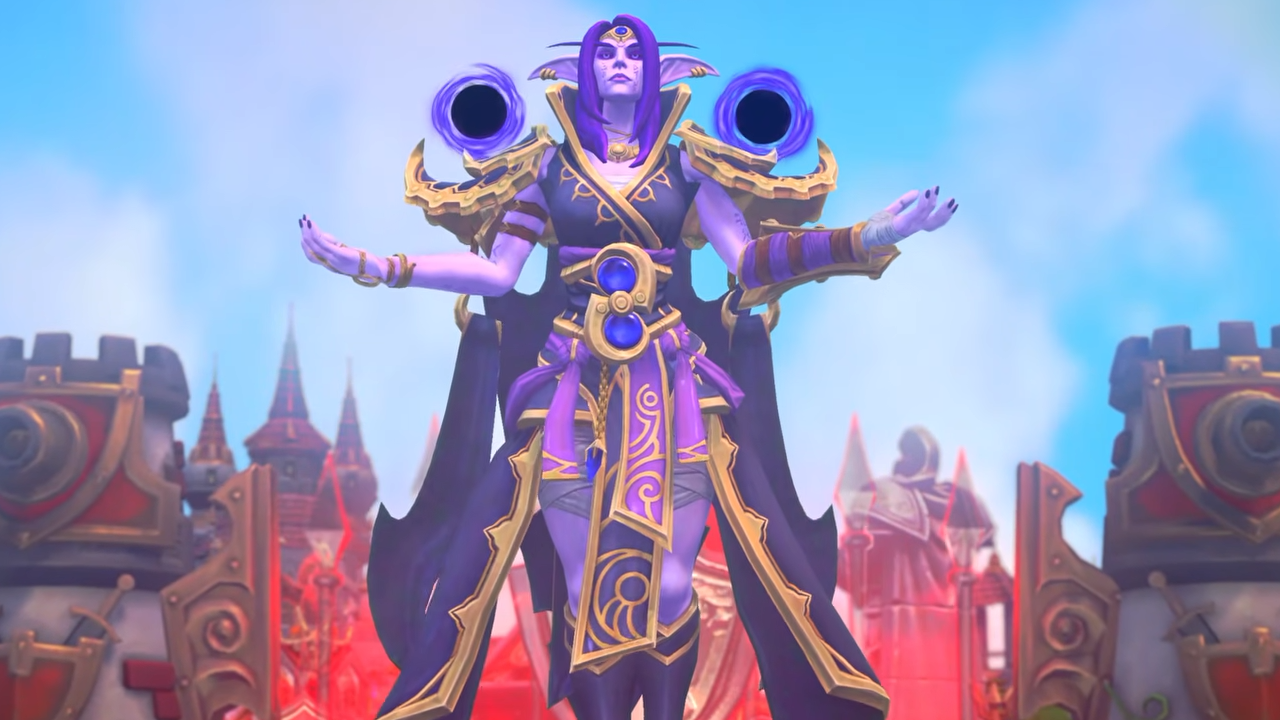
During the opening ceremony of Blizzcon, Blizzard executives made a jaw-dropping announcement: the studio is injecting fresh blood into its dormant crossover MOBA by introducing Xal’atath, the Harbinger of the Void, as a fully playable hero.
This development marks a monumental shift for Heroes of the Storm, which has subsisted on automated maintenance mode, bug fixes, and minor numerical balance patches since 2022. More notably, Xal’atath is the first new hero to join the Nexus since Hogger was released in late 2020. Fans who feared the game was permanently frozen in time can finally rejoice, as Blizzard has also teased that yet another new hero is slated for development down the line.
For the eager player base, the wait to test the Harbinger of the Void will be short. Xal’atath is scheduled to hit the Public Test Realm (PTR) this coming Monday, paving the way for a full live-server release on September 28.
Chronology of a "Dead" Game: From Peak Ambition to Maintenance Mode
To understand the magnitude of Xal’atath’s arrival, one must look back at the turbulent timeline of Heroes of the Storm.
2015–2018: The Golden Era of the Nexus
When Heroes of the Storm officially launched in 2015, it arrived as Blizzard’s unique, streamlined take on the MOBA genre. By stripping away traditional mechanics like item shops and individual gold farming, and instead focusing on team-wide experience and dynamic battlegrounds, HotS carved out a passionate niche. For several years, the game enjoyed a steady cadence of fresh content, drawing beloved characters from Warcraft, StarCraft, Diablo, and Overwatch into the crossover realm known as the Nexus. The HGC (Heroes Global Championship) esports scene flourished, and major hero releases—such as Genji, Ana, and Mephisto—kept the meta perpetually shifting.
2018–2022: The Slow Wind-Down
The turning point arrived in December 2018. In a shocking blog post, Blizzard announced that it was cutting the HGC esports circuit and moving a portion of the Heroes of the Storm development team to other projects. While the servers remained online and minor updates continued, the relentless "live-service" engine sputtered out.
Hero releases slowed to a crawl. In late 2020, the chaotic gnoll Hogger joined the roster, but few suspected he would be the final champion added for years. By 2022, Blizzard made it official: the game was transitioning into a maintenance-only model. Content updates ceased entirely, replaced instead by sporadic bug fixes and seasonal script rotations. The community resigned itself to the reality that HotS was a "dead game," kept alive solely by the stubborn loyalty of its remaining player base.
2025–2026: The Blizzcon Awakening
Fast forward to the present day at Blizzcon. Rumors had swirled regarding what Blizzard’s core franchises—World of Warcraft, Diablo, Overwatch, and StarCraft—would showcase. No one anticipated that a forgotten footnote from the company’s past portfolio would steal a portion of the spotlight. The reveal of Xal’atath shattered years of radio silence, proving that the corporate graveyard for live-service games occasionally yields unexpected resurrections.
Supporting Data and Context: Who is Xal’atath?
While Heroes of the Storm veterans are still processing the shock of a new character release, lore enthusiasts will instantly recognize the heavy narrative weight Xal’atath carries.
From Shadow Priest Weapon to Cosmic Threat
Xal’atath’s journey within Blizzard’s overarching universe is fascinating. She first entered the public consciousness during the World of Warcraft: Legion expansion. At the time, she was not an independent model walking the world, but rather a sentient, whispering dagger wielded exclusively by Shadow Priests. The weapon possessed a distinct, unsettling personality, frequently whispering dark secrets to its wielder and manipulating events from the shadows.
Over subsequent expansions, Xal’atath shed her physical weapon form, eventually seizing a humanoid vessel and ascending to become a primary antagonist across modern World of Warcraft storytelling, most notably steering the plot into the Midnight expansion.
Translating Lore into MOBA Mechanics
Bringing a cosmic entity like Xal’atath into Heroes of the Storm offers Blizzard’s design team an expansive canvas. Given her roots as a master of the Void, players can expect a kit heavily themed around psychological manipulation, shadow magic, and area-of-control disruption. While exact details of her abilities are set to be scrutinized when she hits the PTR, her inclusion represents a bridge between Blizzard’s flagship MMORPG narrative and its beloved crossover arena.
Official Responses and Community Reactions
The gaming industry’s reaction to the news has been a mixture of ecstatic disbelief and cautious optimism. For years, the prevailing industry narrative has been merciless: once a publisher relegates a multiplayer game to maintenance mode, it never returns.
The Community Erupts
On platforms like Reddit, X (formerly Twitter), and YouTube—where the official Xal’atath reveal trailer quickly accumulated hundreds of thousands of views—long-time HotS fans expressed disbelief. Content creators who had moved on to other games began streaming classic matches, speculating on how the meta might adapt to a brand-new hero after six years of stagnation.
"It’s rare that a MOBA comes out, rarer that it manages to stick around, and perhaps rarest of all that it surges back to life after years on the backburner," noted industry analysts tracking the surprise announcement. The emotional resonance of the announcement cannot be overstated; communities that built friendships and rivalries inside the Nexus during the 2010s suddenly found themselves galvanized by a single trailer.
Blizzard’s Strategic Pivot
While Blizzard has not yet committed to a fully restored, multi-year roadmap for Heroes of the Storm on the scale of Overwatch 2 or World of Warcraft, the confirmation that another hero is slated for the future indicates that this is not a one-off publicity stunt. Someone within the corporate structure greenlit the resources required to animate, code, balance, and voice a brand-new character for a game that was ostensibly written off.
Broader Implications for the Gaming Industry
The resurrection of Heroes of the Storm carries significant implications for the wider live-service gaming landscape.
1. Challenging the "Dead Game" Stigma
For years, players and publishers alike have treated abandoned games as permanent digital waste. When a studio pulls the plug on financial support, the community scatters, and the servers eventually close. Blizzard’s move with HotS proves that games with strong foundational design and fiercely loyal communities retain inherent value. A game does not need to host million-dollar esports tournaments to justify occasional injections of fresh content.
2. The Power of Intellectual Property Cross-Pollination
One of HotS’s greatest strengths has always been its identity as a museum of Blizzard’s rich history. By pulling a contemporary, highly relevant villain from World of Warcraft‘s current narrative (Midnight and the Worldsoul Saga) and dropping her into the Nexus, Blizzard is engaging in cross-platform marketing. Players invested in World of Warcraft’s current lore loop may now feel incentivized to check out Heroes of the Storm to play as the very villain dominating their MMO screens.
3. A Precedent for Other Abandoned Titles?
Gamers are already beginning to ask: If Heroes of the Storm can get a new hero after six years of silence, what’s stopping other publishers from reviving cult-classic multiplayer games? While it remains to be seen if companies like Electronic Arts, Ubisoft, or Valve will follow suit with their own dormant projects, Blizzard’s gamble serves as an intriguing case study.
Conclusion
As the countdown to Monday’s PTR launch begins, the atmosphere surrounding Heroes of the Storm is electric in a way it hasn’t felt since before the 2018 contraction. Xal’atath’s arrival is more than just the addition of a new character—it is a symbol of resilience for a player base that refused to let the game fade into obscurity.
Whether this marks the dawn of a permanent renaissance for the Nexus or simply a glorious, swan-song double feature of new heroes remains to be seen. For now, the Harbinger of the Void is coming, the servers are buzzing, and Heroes of the Storm has proven that in the world of video games, nothing is ever truly dead until you turn off the switch.

