

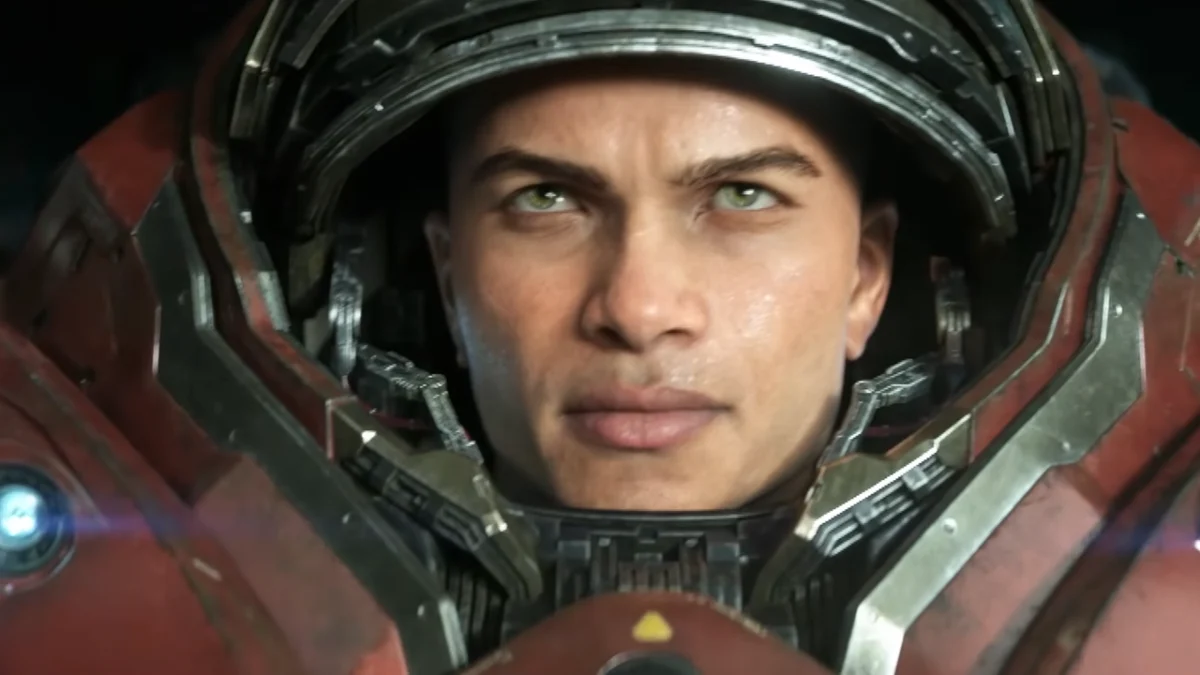
IRVINE, Calif. — Rumors that have swirled through online gaming communities for years have finally materialized into concrete reality. Blizzard Entertainment has officially announced a brand-new entry in its iconic StarCraft universe. Titled simply StarCraft, the upcoming title represents a radical structural departure for the legendary intellectual property: an open-world action shooter.
However, fans eager to drop into the Koprulu Sector will need to exercise considerable patience. Blizzard has confirmed that the game is not projected to launch until 2030, putting the project nearly a decade out from its initial unveiling at BlizzCon.
The announcement has sent shockwaves through the global gaming community, eliciting a complex mix of jubilation, skepticism, and disappointment from a fanbase that has waited well over a decade for meaningful franchise expansion.
Main Facts: A New Direction for a Historic Franchise
The core details surrounding the newly announced StarCraft project signal a major identity shift for a series historically defined by high-intensity Real-Time Strategy (RTS) mechanics:
- Working StarCraft
- Genre: Open-world action shooter
- Developer/Publisher: Blizzard Entertainment
- Target Release Window: 2030
- Setting/Timeline: The cinematic framing and narrative clues place the game during or prior to the events of StarCraft II, focusing heavily on the harrowing ground-level realities of the Terran Dominion’s military machine.
- Gameplay Focus: Unlike the grand, macro-level strategic command of armies seen in past titles, this installment drops players directly into the heavily armored boots of a Terran Space Marine.
The project was revealed to an auditorium of roaring fans via a dramatic cinematic trailer titled "Dominion," establishing an immediate, gritty tone that leans heavily into the military-sci-fi aesthetic that defined the series’ roots.
Chronology: From RTS Legacy to the Long Shadow of Ghost
To understand the weight of this announcement, one must look at the historical trajectory of StarCraft and Blizzard’s previous attempts to venture outside the RTS genre.
The RTS Golden Age (1998–2015)
Released in 1998, the original StarCraft—alongside its monumental expansion, Brood War—cemented Blizzard as a titan of PC gaming and single-handedly birthed the modern esports industry, particularly in South Korea. Twelve years later, StarCraft II: Wings of Liberty launched in 2010, followed by subsequent expansions Heart of the Swarm (2013) and Legacy of the Void (2015).
Following the completion of Artanis’s storyline in Legacy of the Void, the franchise entered a prolonged dormancy. While Blizzard released StarCraft: Remastered in 2017 and StarCraft Cartooned in 2019, real-content updates dwindled, and key development personnel moved on to other projects or left the company entirely.
The Ghost of StarCraft: Ghost (2002–2006)
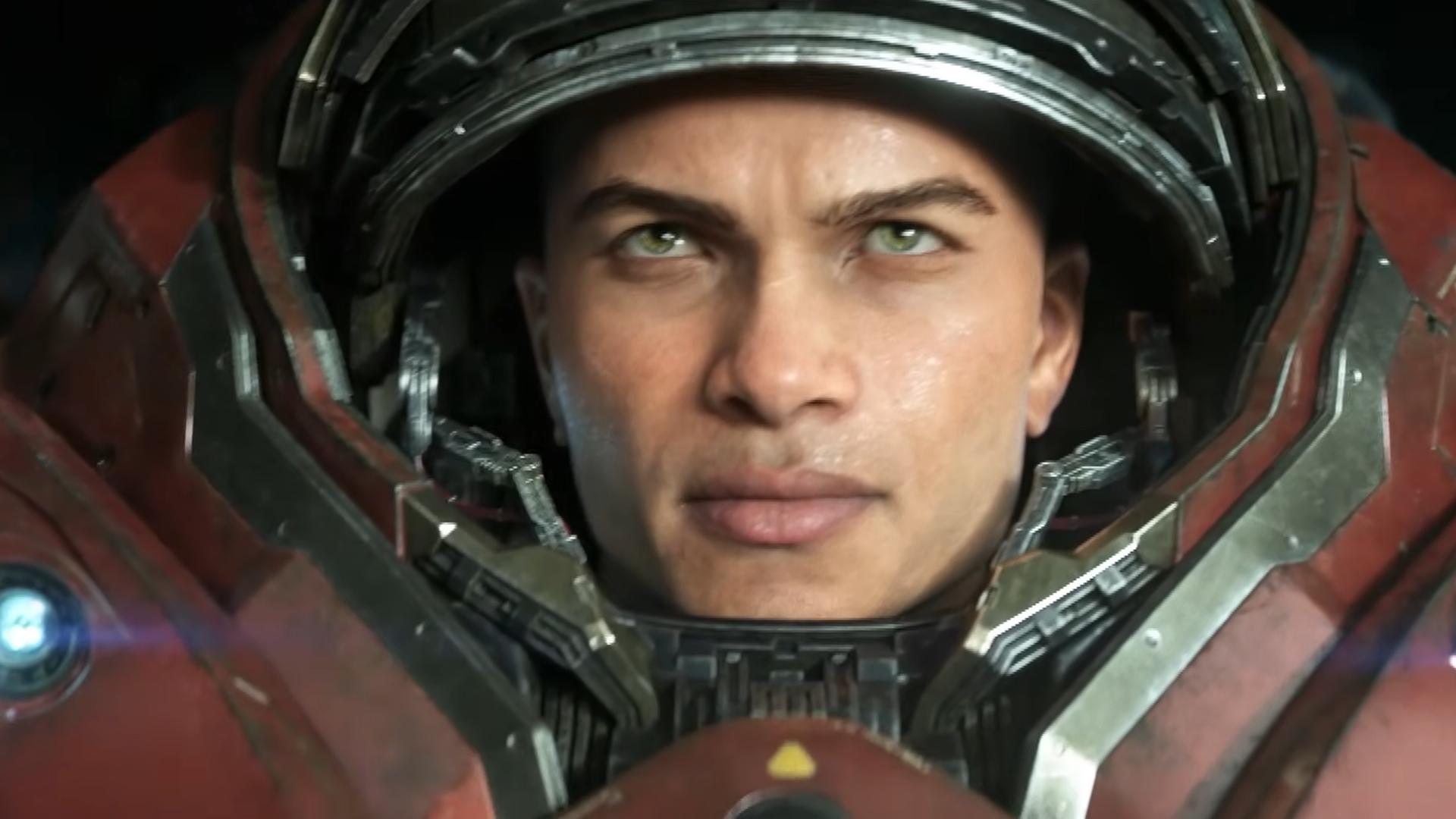
For older fans, the announcement of a StarCraft shooter immediately triggers memories of StarCraft: Ghost. Announced in 2002 as a tactical stealth-action game developed in collaboration with Nihilistic Software (and later handed off to Swingin’ Ape Studios), Ghost became the stuff of industry legend—and vaporware.
Marred by shifting console generations, developmental roadblocks, and changing design paradigms, Ghost was indefinitely postponed in 2006 and ultimately canceled. Its protagonist, the Ghost operative Nova Terra, was later repurposed as a secondary character in StarCraft II and the central figure of the 2016 single-player mission pack, Nova Covert Ops.
Blizzard’s new open-world shooter appears to bear little to no connection to the tactical espionage style of StarCraft: Ghost, aiming instead for a broader, modern open-world design framework.
Supporting Data: The Cinematic Breakdown
While no actual gameplay footage was shown during the BlizzCon reveal—a reality made all too clear by the game’s projected 2030 release window—the "Dominion" cinematic trailer offers rich narrative clues regarding the game’s atmosphere and tone.
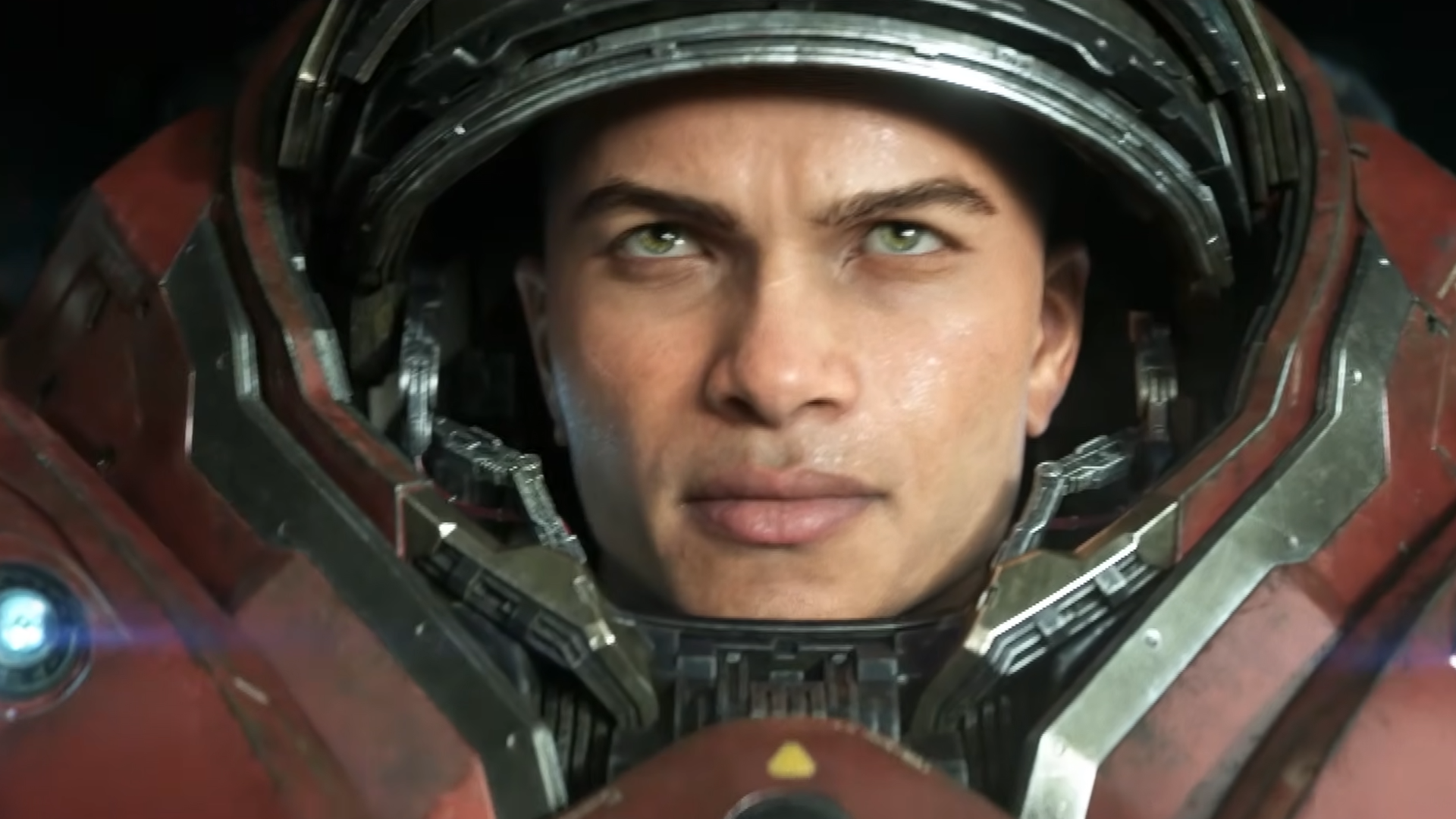
The trailer acts as an intense, sensory-heavy montage detailing the grueling preparation of a Terran Dominion Space Marine. As hydraulic presses clamp heavy plasteel armor plates onto an anonymous recruit, the audio track plays a stirring, propagandistic speech delivered by none other than Arcturus Mengsk, the ruthless emperor of the Terran Dominion and a central antagonist of the early StarCraft saga. Mengsk’s rhetoric focuses on human survival, duty, and the existential threat posed by the alien Zerg swarm.
The cinematic culminates in a violent, chaotic skirmish against a horde of Zerg, highlighting the sheer terrifying scale of the alien menace from a ground-level perspective. In a striking concluding shot, the narrative cuts away from the frontline combat to the aftermath: the hero’s battered, blood-stained armor is being systematically cleaned, repaired, and re-welded aboard a Dominion vessel, while the soldier himself remains unseen and anonymous.
This framing suggests a heavy emphasis on the expendable nature of Terran soldiers within Mengsk’s totalitarian regime, mirroring thematic elements found in military sci-fi classics like Starship Troopers or Halo: Reach.
Official Responses and Industry Context
Blizzard’s leadership has remained tight-lipped regarding specific technical details, engine choices, or studio allocations, opting to let the cinematic trailer speak for itself. However, industry analysts note that the announcement arrives at a pivotal time for Blizzard under the umbrella of Microsoft Gaming.
Phil Spencer and Xbox leadership have repeatedly emphasized a desire to revitalize dormant Activision Blizzard intellectual properties. Bringing back StarCraft—one of the most respected brand names in gaming history—aligns with Microsoft’s long-term strategy of securing powerhouse franchises across multiple genres.
Yet, the decision to pivot StarCraft away from its RTS origins has already sparked intense debate across message boards, Reddit, and professional esports circles.
- The RTS Purists: A vocal segment of the fanbase has expressed dismay over the lack of a traditional real-time strategy announcement. For decades, StarCraft was synonymous with high-APM (Actions Per Minute) competitive multiplayer and intricate base-building. The absence of any concurrent RTS project leaves a void for competitive strategy enthusiasts.
- The Action-Adventure Enthusiasts: Conversely, a separate cohort of players has welcomed the risk. Many argue that the StarCraft universe features a rich, cinematic lore—encompassing the psychic powers of the Protosh, the biological terror of the Zerg, and the gritty, decentralized struggle of humanity—that has long outgrown the limitations of top-down strategy games.
Implications: What a 2030 Horizon Means for the Industry
Announcing a major video game title six years in advance is an increasingly rare practice in modern game development, where studios typically prefer to unveil projects closer to their commercial readiness to manage player expectations and marketing fatigue.
The decision by Blizzard to pull back the curtain on StarCraft in 2024 with a 2030 target date carries several profound implications:
1. Rebuilding Developer Trust and Talent Acquisition
By confirming that a new StarCraft is officially in production, Blizzard signals to prospective developers and industry talent that the studio is actively investing in new, large-scale original intellectual property experiences rather than relying solely on live-service updates for Overwatch, Diablo, and World of Warcraft. It serves as an internal and external beacon for creative recruitment.
2. Managing Hype and Fatigue
A six-year development runway is fraught with peril. Cyberpunk 2077, The Elder Scrolls VI, and Metroid Prime 4 have all demonstrated the risks associated with early announcements. Blizzard will need to carefully manage communication over the remainder of the decade to prevent fan enthusiasm from curdling into cynicism as details remain scarce.
3. The Evolution of Blizzard’s Portfolio
Historically, Blizzard was known for its deliberate, iterative approach to design ("It’s done when it’s done"). The 2030 timeline suggests that the studio is treating this open-world shooter as a monumental, generational tentpole project meant to redefine its output for the 2030s.
Conclusion
Whether the gamble pays off remains to be seen. For now, the Koprulu Sector has been pulled out of deep space stasis. Millions of gamers worldwide are left to ponder what it truly feels like to face down a Zerg onslaught from the mud, dirt, and blood of a frontline trench—even if they have to wait until the next decade to find out.

