

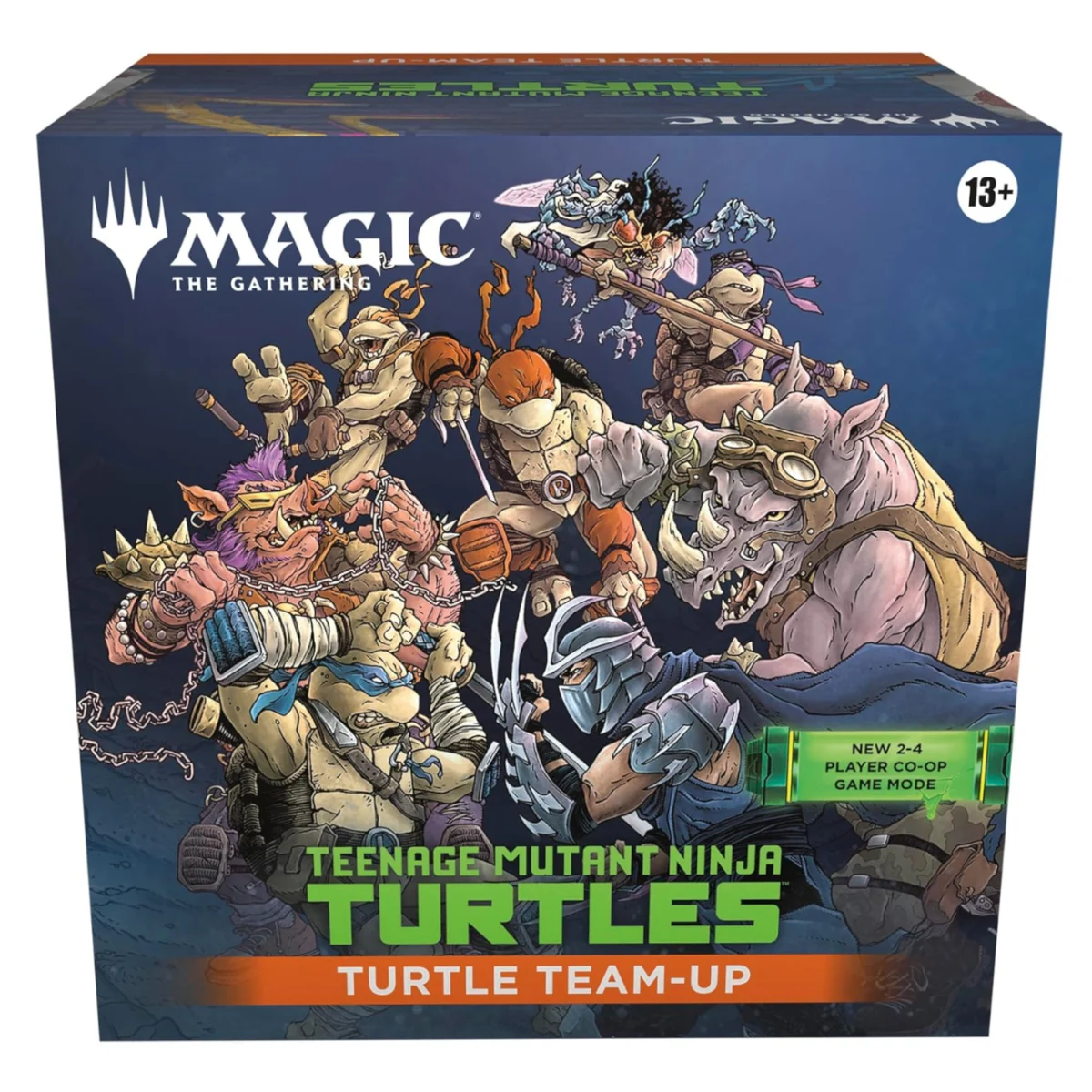
The intersection of high-fantasy tabletop strategy and 1980s pop-culture nostalgia has reached a new zenith. With the release of the Magic: The Gathering (MTG) Teenage Mutant Ninja Turtles cards, publisher Wizards of the Coast has once again leaned into its "Universes Beyond" initiative, proving that even the most disparate intellectual properties can be woven into the fabric of the world’s most enduring trading card game.
For many, this isn’t just a product release; it is a meticulously crafted love letter to the "Heroes in a Half-Shell." As these cards hit the secondary market and specialized retailers, the discourse surrounding the set has moved beyond simple gameplay mechanics, touching upon the broader identity crisis facing Magic: The Gathering in the modern era.
The Evolution of the "Universes Beyond" Strategy
To understand the significance of the TMNT crossover, one must look at the trajectory of the Universes Beyond (UB) line. Originally conceived as a way to introduce iconic characters from outside the Magic multiverse—such as The Lord of the Rings, Warhammer 40,000, and Fallout—into the game, the initiative was initially met with skepticism by purists.
The core of the conflict is simple: Magic: The Gathering has spent over three decades building an intricate, internal lore spanning dozens of unique planes. Critics argue that inserting characters like Leonardo or Donatello into this ecosystem creates a jarring aesthetic dissonance. Despite these concerns, the commercial success of these sets has been undeniable. By leveraging established fandoms, Wizards of the Coast has successfully broadened the demographic of the game, inviting collectors who might never have touched a Magic card otherwise.
A Chronology of the Crossover Release
The journey to the TMNT set began with a strategic shift in Wizards of the Coast’s licensing agreements. While initial UB releases focused on expansive universes like Dungeons & Dragons (an internal property) and The Walking Dead (the controversial "Secret Lair" drop), the TMNT release represents a refined approach to collaborative design.
- Announcement Phase: Teasers began circulating earlier this year, focusing on the blend of tactical gameplay and retro-aesthetic appeal.
- The Design Sprint: Unlike earlier crossover attempts that relied heavily on "re-skinning" existing cards, the TMNT set was developed with bespoke mechanics. The inclusion of the "Sneak" keyword—a mechanic designed to simulate the ninja agility of the turtles—demonstrates a higher level of creative investment than typical promotional tie-ins.
- Current Market Availability: As of mid-2024, the product has moved from its initial high-demand launch phase into a period of wider retail accessibility. The current "Black Friday in July" sales at major retailers like Best Buy represent a critical juncture for collectors, as prices have stabilized, making the set significantly more accessible than at its debut.
Breaking Down the Mechanics: Why the Turtles Work
Critics of the Universes Beyond line often fear that outside properties will dilute the competitive integrity of Magic. However, the TMNT set has largely dispelled these fears by integrating seamlessly into the game’s existing rules engine.
The "Sneak" Mechanic
The standout feature of this set is the "Sneak" mechanic. In Magic terminology, board state management is everything. By allowing players to swap creatures in and out of the fray, the TMNT cards introduce a level of strategic depth that feels thematic to the characters’ agile combat style. It turns a standard combat interaction into a dynamic, unpredictable affair.
Aesthetic Fidelity
The art direction deserves specific commendation. Rather than attempting to force the turtles into the hyper-realistic style of traditional Magic fantasy art, the designers have leaned into a stylized, comic-book aesthetic. This separation of art styles actually helps mitigate some of the "aesthetic dissonance" complaints, as the cards feel like a stylistic departure rather than a failed attempt at homogenization.
Supporting Data: Market Trends and Consumer Sentiment
Data from the tabletop market indicates that the TMNT set is performing significantly above average for a non-core release. Current retail pricing, particularly through promotional events, suggests that demand remains high.
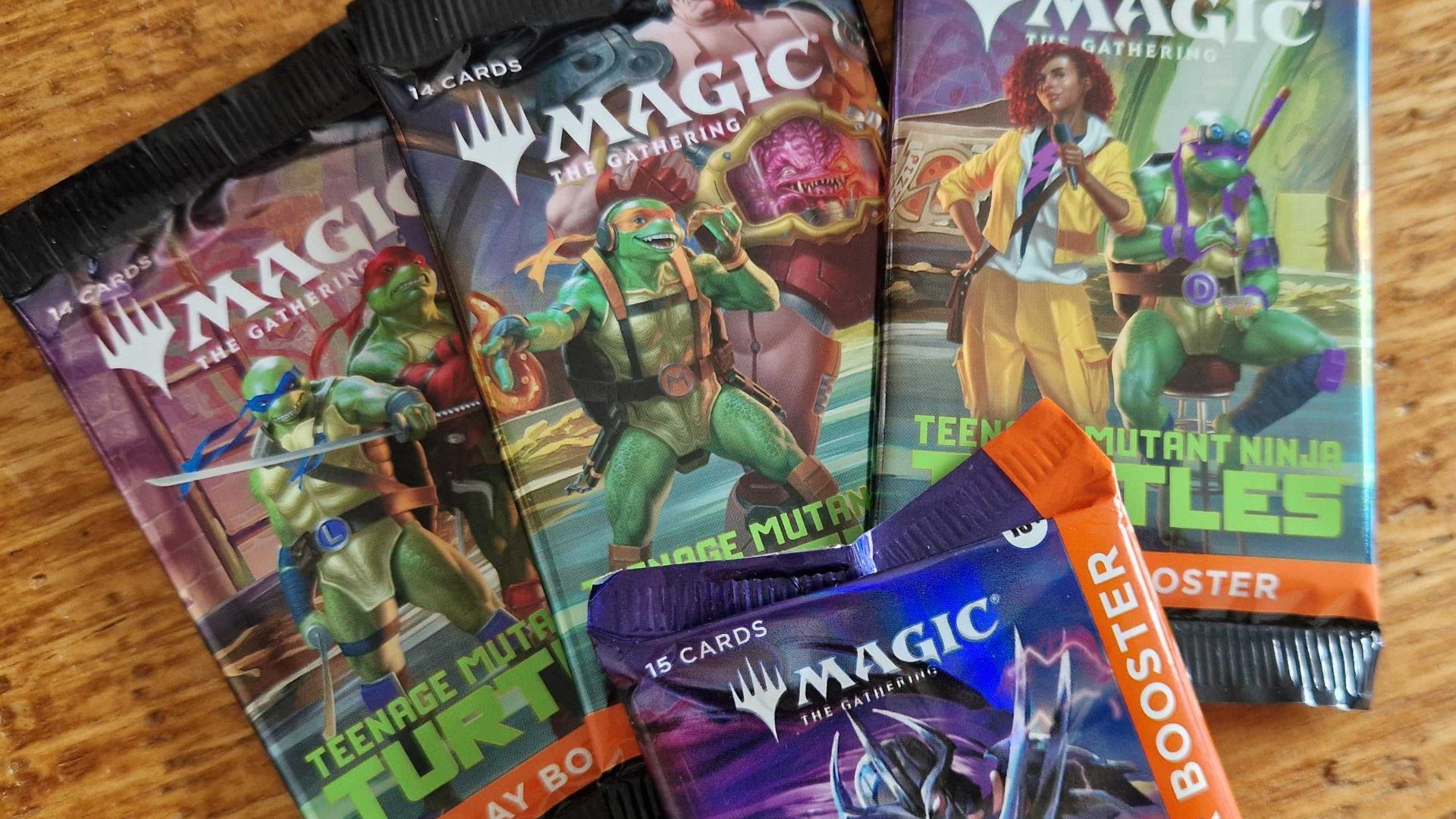
- Comparative Pricing: While major e-commerce platforms like Amazon fluctuate based on algorithmic demand, specialized retail channels—such as the aforementioned Best Buy summer sales—are reporting higher-than-average volume for these specific boosters compared to standard sets.
- Secondary Market Stability: On platforms like TCGPlayer, the "chase" cards from this set have retained their value better than previous, more obscure crossover drops. This suggests that the TMNT brand loyalty is providing a floor for the set’s economic value.
The "Adapt or Walk Away" Controversy: Official Responses
The elephant in the room remains the public stance taken by Mark Rosewater, Magic: The Gathering’s head designer. In recent months, Rosewater has been vocal about the necessity of the Universes Beyond line for the game’s long-term survival.
His assertion that fans must "adapt or walk away" if they dislike the infusion of external IPs sparked a firestorm of debate across forums like Reddit and the official Magic community boards. From a corporate perspective, the logic is sound: Magic is a business that relies on growth. If the game remains static, it risks stagnation. However, from a fan’s perspective, the "lore integrity" of the game is its greatest asset.
This tension is the defining conflict of the current era. While some players feel the soul of the game is being sold for crossover cash, others see a revitalized, evolving platform that is finally embracing its potential to be a "gaming multiverse."
Implications for the Future of Tabletop Gaming
What does the TMNT crossover mean for the future of the industry?
- Normalization of Crossovers: We are likely to see an increase in the frequency of these releases. If TMNT can succeed, properties like Masters of the Universe or G.I. Joe become the next logical steps for Wizards of the Coast.
- Increased Barrier to Entry (and Exit): As the pool of cards grows, new players may find it harder to track the "canon" of the game, while veterans may find it increasingly difficult to curate a collection that fits a specific "Magic" aesthetic.
- Creative Hybridization: Future sets will likely lean even harder into bespoke mechanics. The success of the TMNT "Sneak" mechanic proves that players are willing to learn new, unique rules if the payoff is thematic satisfaction.
Conclusion: A Love Letter, Even to the Skeptics
Ultimately, the Magic: The Gathering Teenage Mutant Ninja Turtles crossover is a triumph of design over apprehension. While the complaints regarding the dilution of Magic’s identity are valid and should be addressed by the designers, they shouldn’t overshadow the quality of the work itself.
For those of us who grew up with the Turtles on Saturday morning, opening these packs isn’t just about playing a game; it’s about recapturing a specific, visceral sense of wonder. Whether or not these cards "fit" into the Magic canon is secondary to the fact that they are, quite simply, fun to play with.
As the tabletop landscape continues to shift, the TMNT set serves as a masterclass in how to handle intellectual property crossovers: with respect for the source material, a keen eye for balanced mechanics, and a willingness to take risks that, despite the vocal minority, resonate deeply with the wider gaming community. Whether you are a competitive grinder or a nostalgic collector, this set is a reminder that in the multiverse of gaming, there is always room for a little pizza-fueled, sewer-dwelling heroism.

