

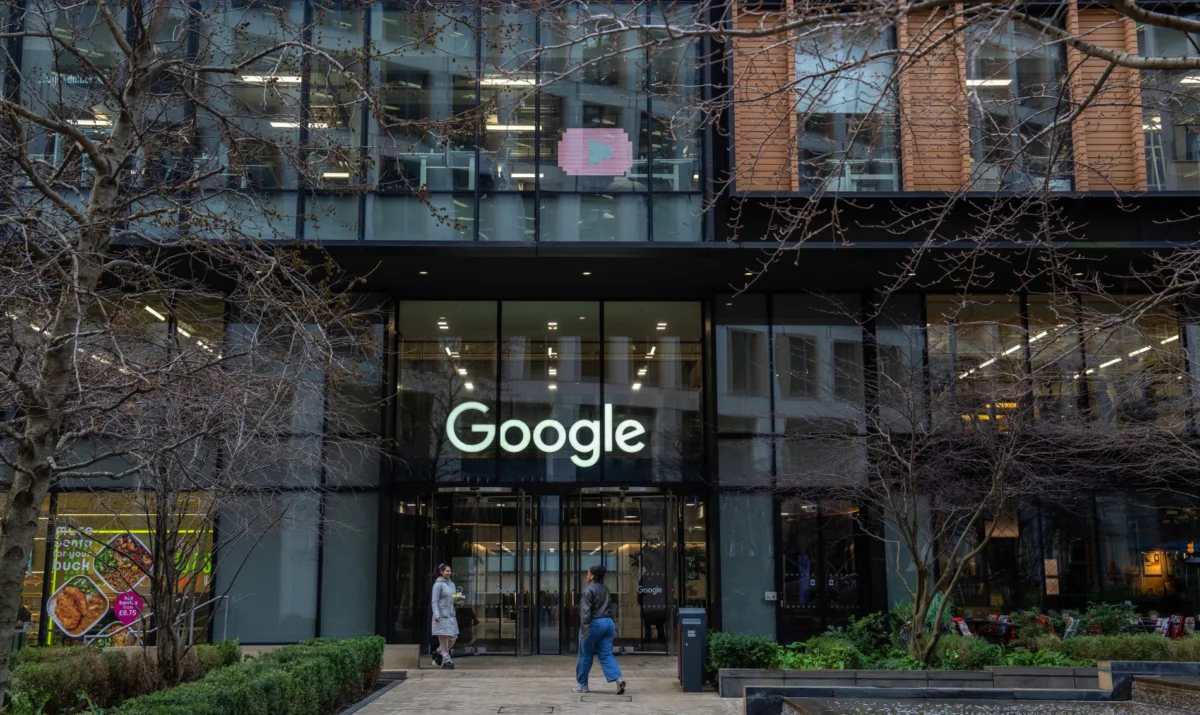
In the high-stakes theater of global digital media, the second quarter of 2026 will be remembered as a watershed moment for YouTube. Just three days after the conclusion of the 2026 FIFA World Cup, Alphabet—YouTube’s parent company—released its quarterly earnings, revealing a financial performance bolstered significantly by the world’s most popular sport. YouTube’s advertising revenue surged by 13% year-over-year to reach $11 billion, a figure that comfortably surpassed Wall Street’s conservative projections.
While the broader Alphabet ecosystem reported a robust 24% year-over-year revenue increase to $119.8 billion, the market reaction was surprisingly bearish. Despite the strong top-line growth, Alphabet shares fell by 4% in the immediate aftermath of the earnings call, signaling that investor sentiment is increasingly driven by concerns over long-term capital expenditures rather than immediate revenue spikes.
The Chronology of a Record-Breaking Quarter
The Q2 2026 fiscal period was defined by a massive consolidation of eyeballs around live events. The narrative began in early April, as anticipation for the World Cup started to permeate global search trends. By the time the tournament kicked off, YouTube had positioned itself as the primary digital destination for fans, offering a mix of official highlights, creator-led commentary, and live-streamed shoulder programming.
Following the tournament’s conclusion in mid-July, the data became clear: YouTube had successfully captured a massive, global audience. According to Alphabet CEO Sundar Pichai, the platform recorded over 1.7 billion unique viewers engaging with World Cup-related content. This engagement was not confined to mobile screens; a staggering 550 million of those viewers consumed the content via their connected TV sets, proving that YouTube has successfully transitioned from a "snackable" video platform to a primary living-room viewing destination.
Supporting Data: The Power of the "Big Screen" Pivot
The shift toward living-room consumption is perhaps the most critical data point for YouTube’s long-term strategy. For years, the platform was viewed as a mobile-first ecosystem. However, the 2026 data confirms a strategic pivot toward the "Big Screen" experience. By securing rights and encouraging high-fidelity viewing experiences, YouTube is effectively competing for the same advertising dollars previously dominated by traditional cable and satellite television.
The $11 billion in ad revenue represents more than just a number; it represents a fundamental change in how advertisers perceive the platform. With the NFL’s Sunday Ticket package serving as the anchor for American viewers, YouTube has built a reliable recurring revenue stream that helps stabilize its quarterly performance.
However, the path forward is not without its hurdles. The platform’s capital expenditure on infrastructure and rights acquisition is rising, and shareholders are beginning to question when the "AI-spend" phase of Big Tech will yield proportional returns. The 4% dip in Alphabet stock reflects this investor anxiety: the market is wary of a future where growth is consistently purchased at the expense of bottom-line profitability.
Official Responses and Strategic Vision
During the earnings call, CEO Sundar Pichai was quick to highlight the synergy between YouTube’s recommendation algorithms and the high-intent nature of sports viewers. "Month over month, people turn to YouTube for major world events," Pichai noted. His message to shareholders was clear: YouTube is no longer just a library of user-generated content; it is a global broadcaster.
Pichai also emphasized the importance of the platform’s "official" status. By securing partnerships with major sporting bodies, YouTube is insulating itself against the fragmentation of the digital landscape. This strategy is part of a larger plan to dominate the premium video market. Looking ahead, the company has already signaled its long-term intent, having secured the official broadcast rights for the Academy Awards (the Oscars) beginning in 2029. This indicates that YouTube is looking to diversify beyond sports, targeting prestige events that command high-CPM (cost per mille) advertising.
The Competitive Landscape: Challenges and Friction
Despite the success of the World Cup, the battle for digital supremacy is intensifying. The sports broadcasting landscape is becoming increasingly fractured, and YouTube is facing unprecedented competition from rivals who are willing to play the game differently.
The Netflix Factor
The most significant "friction" point for YouTube recently has been the loss of specific high-value broadcast packages. Reports suggest that YouTube walked away from an NFL broadcast deal after a coveted international game (the Australia game) was ultimately secured by Netflix. This loss highlights a new reality: Netflix, once a content-on-demand pioneer, is now directly encroaching on the live-sports territory that YouTube has fought so hard to cultivate.
The Rise of Short-Form Competitors
Beyond the "Big Screen," YouTube faces a constant threat from TikTok in the short-form, real-time highlights space. TikTok has been aggressively pursuing deals with the NBA and WNBA, positioning itself as the go-to source for the "second-screen" experience. While YouTube offers long-form depth, TikTok is winning the battle for the immediate, viral highlight. For YouTube, the challenge will be to maintain its dominance in the living room while fending off TikTok’s incursions into the high-frequency highlight consumption that defines modern fandom.
Implications for the Future of Media
What does this mean for the future of digital advertising and content?
- The Consolidation of Rights: Expect YouTube to continue its aggressive pursuit of exclusive rights. The days of YouTube being a passive aggregator are over. The company is now a direct participant in the bidding wars for the world’s most expensive intellectual property.
- Increased Capital Pressure: As YouTube moves further into the world of exclusive rights, its operational costs will rise. This puts pressure on the company to optimize its ad-tech stack, likely leading to more intrusive or "smarter" AI-driven ad placements that can monetize these expensive rights packages more effectively.
- The Pivot to "Eventized" Viewing: YouTube’s strategy is clearly centered on the "event." Whether it is the World Cup, the NFL season, or the Oscars, the goal is to drive massive, synchronous traffic. This "eventized" strategy is designed to combat the decline of linear television and provide a safe, scalable environment for brand-name advertisers.
Conclusion
YouTube’s second quarter of 2026 was a triumph of scale and execution. By leveraging the FIFA World Cup, the platform demonstrated that it could handle massive, concurrent global audiences with the same level of reliability as a major broadcast network. However, the subsequent dip in Alphabet’s stock price serves as a stark reminder that the digital media economy is no longer just about growth—it is about efficiency.
As YouTube moves into the autumn, the transition from soccer to the NFL will be the next major test. With Netflix entering the ring and TikTok nipping at its heels, YouTube’s dominance is not guaranteed. Yet, with a massive user base, an increasingly sophisticated ad-tech ecosystem, and a clear path toward becoming the home of global live events, the platform remains the undisputed heavyweight of the digital video age. The next eighteen months will determine whether the company can maintain this momentum while satisfying a skeptical and increasingly impatient investor base. The future of television is here, and it lives on a URL.

