

The landscape of the United States video game industry is undergoing a significant correction. According to the latest data released by market research firm Circana, total video game sales in the U.S. have experienced a sharp contraction, falling by 20% year-on-year. The data, covering the period between June 2025 and June 2026, highlights a transition period for the industry, characterized by a cooling of hardware enthusiasm and a fierce, competitive shift in software consumption.
Total industry spending, which encompasses hardware, software, and accessories, plummeted from $5.7 billion to $4.5 billion within the twelve-month window. While this headline figure indicates a cooling market, the internal breakdown of these numbers reveals a more nuanced story of platform lifecycles and the evolving appetites of the gaming public.
The Hardware Crisis: A Post-Launch Hangover
The most alarming metric from the latest Circana report is the 62% decline in hardware revenue. Spending in this category crashed from $1 billion in June 2025 to a modest $383 million by June 2026. Industry analysts have pointed to the "Switch 2 effect" as the primary catalyst for this massive discrepancy.
June 2025 served as a historic launch month for Nintendo’s next-generation hardware. The sheer volume of consumer spending during that launch window created an unsustainable baseline for year-over-year comparisons. Consequently, Nintendo hardware spending has dropped by 79% compared to the peak excitement of its debut month.
However, the hardware narrative is not universally bleak. While PlayStation 5 spending dipped by 19% as it enters the later stages of its lifecycle, the Xbox Series line has bucked the downward trend, more than doubling its performance year-on-year. This suggests that Microsoft’s current strategy—potentially bolstered by ecosystem-wide services and hardware promotions—is resonating with a segment of the market that remains active despite the broader industry slowdown.
Software Performance: The Monthly Chart Shake-up
While hardware has struggled, the software market continues to be the primary engine of engagement. The June 2026 sales data demonstrates a clear shift toward new, high-profile releases and surprise indie hits.
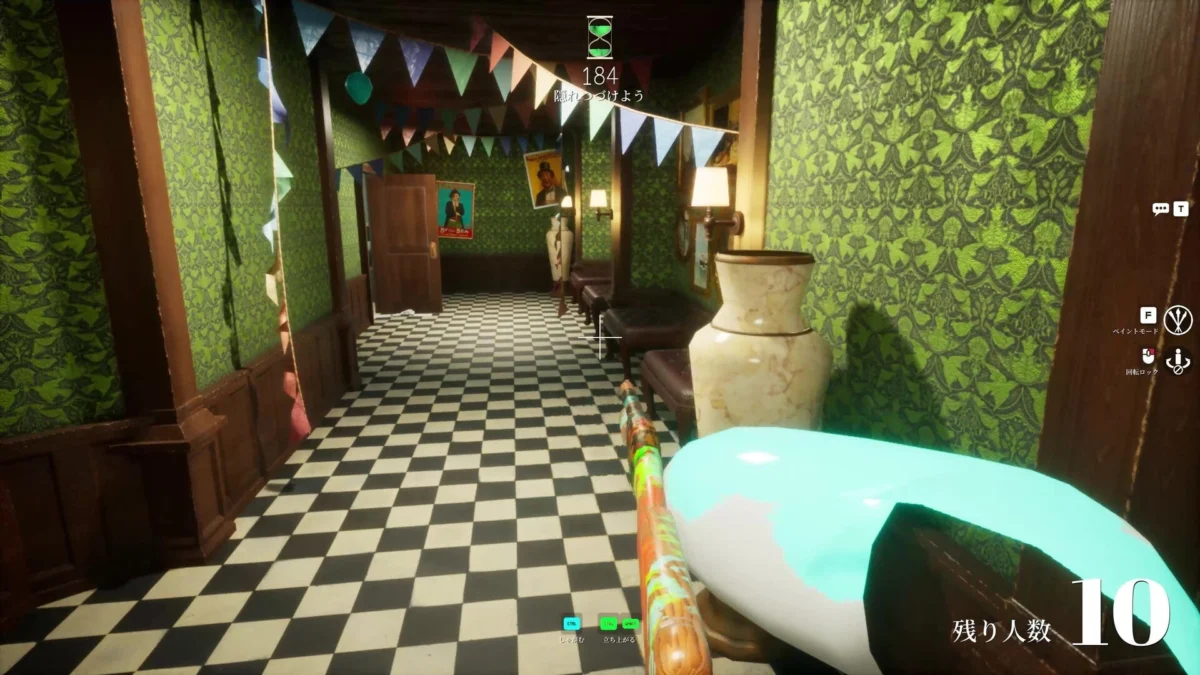
Electronic Arts’ UFC 6 has secured the top spot in the sales charts, confirming the enduring commercial viability of simulation-based sports titles. However, the most significant story of the month is the debut of Meccha Chameleon. The indie title, developed by the team at Lemorion_1224, has defied expectations by landing at second place. Its success serves as a powerful reminder that innovative co-op experiences continue to hold immense sway over consumer spending, even when competing against AAA titans.
007 First Light, which commanded the top spot in May, has slipped to third place, while the highly anticipated Star Fox (2026) made a strong debut at number four. The remainder of the top ten reflects a blend of long-standing evergreen titles and established sports franchises, with Minecraft and NBA 2K26 showing remarkable resilience as they climb back into the top ten rankings.
Chronology of Market Performance: June 2025 to June 2026
To understand the current state of the industry, one must look at the trajectory of the past twelve months.
- June 2025: The industry hits a localized peak driven by the high-profile launch of the Nintendo Switch 2. Consumer hardware spending reaches a historic high of $1 billion.
- Q3 2025: Following the initial hardware rush, the market begins to stabilize, though software sales remain robust due to a strong release calendar.
- Q4 2025: Holiday spending provides a seasonal boost, but year-on-year comparisons begin to show the first signs of the "hardware cliff" as the novelty of new consoles starts to wane.
- Q1 2026: Accessories and peripheral sales begin to decline, signaling a reduction in "attach rate" spending.
- May 2026: 007 First Light dominates the charts, representing the last major surge before the summer release lull.
- June 2026: The market confirms a 20% year-on-year revenue drop. UFC 6 and Meccha Chameleon redefine the monthly hierarchy.
Supporting Data: The Circana Snapshot
The following table details the top-performing games for the period of May 31 to July 4, 2026. This data includes both digital point-of-sale actuals and industry-standard digital sales projections.
| Rank | Last Month | Title |
|---|---|---|
| 1 | NEW | UFC 6 |
| 2 | NEW | Meccha Chameleon |
| 3 | 1 | 007 First Light |
| 4 | NEW | Star Fox (2026) |
| 5 | 3 | Lego Batman: Legacy of the Dark Knight |
| 6 | 5 | Tomodachi Life: Living the Dream |
| 7 | 2 | Forza Horizon 6 |
| 8 | 6 | MLB: The Show 26 |
| 9 | 12 | Minecraft |
| 10 | 13 | NBA 2K26 |
Official Responses and Industry Outlook
While individual publishers like EA have yet to issue comprehensive press releases regarding the June data, the industry sentiment remains one of "calculated patience." Analysts at Circana, including Mat Piscatella, have noted that while the monthly and annual figures appear daunting, the year-to-date performance—down only 1%—suggests that the industry is not in a state of terminal decline.
"We are seeing a normalization period," says one industry consultant who requested anonymity. "Last year was an outlier due to the hardware cycle. If you strip away the massive hardware distortion, the software market is showing surprising durability. Publishers are becoming more efficient, and the rise of indie hits like Meccha Chameleon shows that the market is still hungry for fresh, creative content."
Implications: What This Means for Gamers and Investors
The 20% drop in total revenue has significant implications for stakeholders:
1. The End of the "Easy Growth" Era
Investors should prepare for a period of moderate growth rather than the explosive spikes seen in previous years. With hardware market saturation reaching a point of inflection, companies will be forced to pivot toward increasing Average Revenue Per User (ARPU) through long-term service models and live-service updates.
2. The Rise of the "Mid-Tier" Indie
The success of Meccha Chameleon indicates that gamers are becoming increasingly selective. Titles that offer high replayability and social co-op features are outperforming many mid-tier AAA games that rely solely on brand recognition. Developers should take note: the audience is prioritizing engagement over pure marketing budget.
3. Hardware Strategy Shifts
The poor hardware performance compared to 2025 suggests that the industry cannot rely on generational leaps alone to sustain revenue. The divergence between PS5 and Xbox Series performance suggests that platform-exclusive strategy and service-based hardware bundles (such as Game Pass integrations) are becoming the primary levers for driving console sales.
4. A Shift in Spending Patterns
The fact that total year-to-date sales are only down 1% suggests that the industry is fundamentally stable. The dramatic drop in June is a statistical artifact of a record-breaking month in 2025. For the average consumer, this means that while prices for new titles remain steady, the frequency of "must-buy" hardware upgrades is decreasing, allowing household budgets to shift toward software and subscription services.
Conclusion: Looking Ahead
As the industry moves into the second half of 2026, the focus will likely shift toward holiday-season software releases. With the hardware market cooling, the burden of growth falls squarely on the shoulders of developers and publishers.
If titles like UFC 6 and Meccha Chameleon continue to drive engagement, the industry may avoid a deeper slump. However, the data is clear: the era of post-pandemic hardware-fueled growth is over. We are entering an era of competitive software, where the quality of the gaming experience—not just the hardware it is played on—will determine the winners of the coming fiscal year. The market remains vast and resilient, but the rules of engagement have irrevocably changed.

