

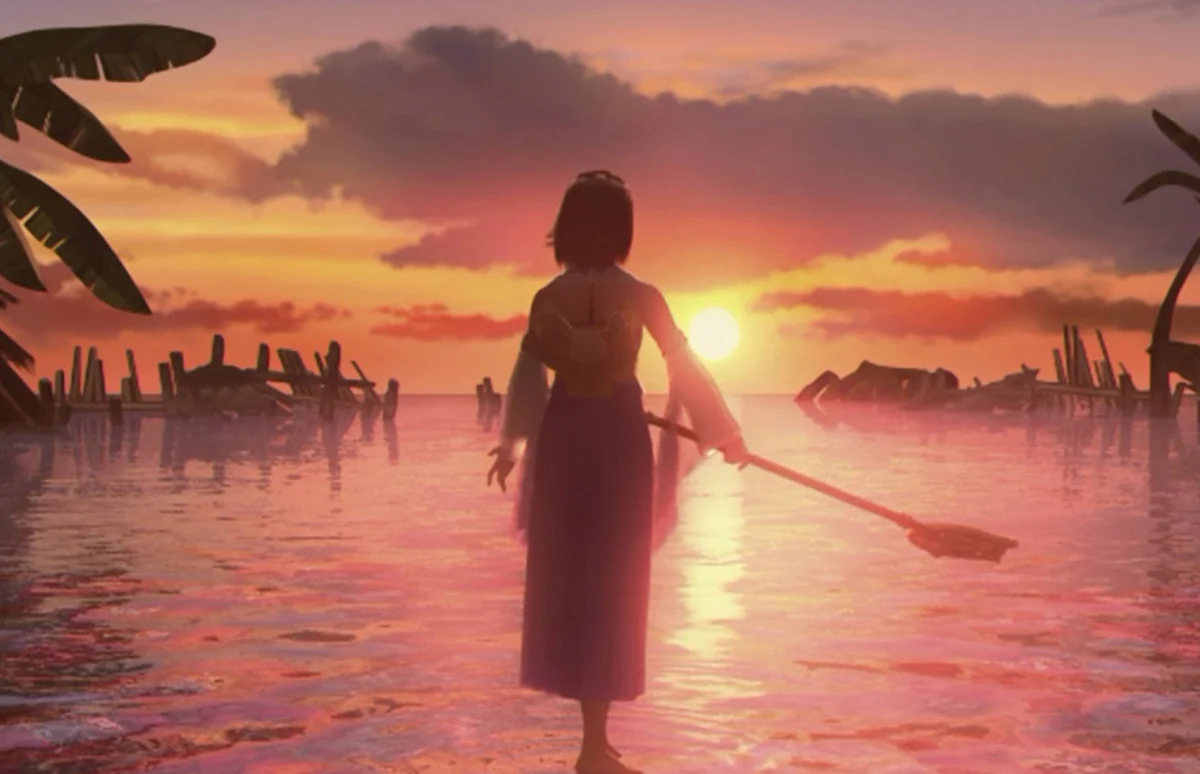
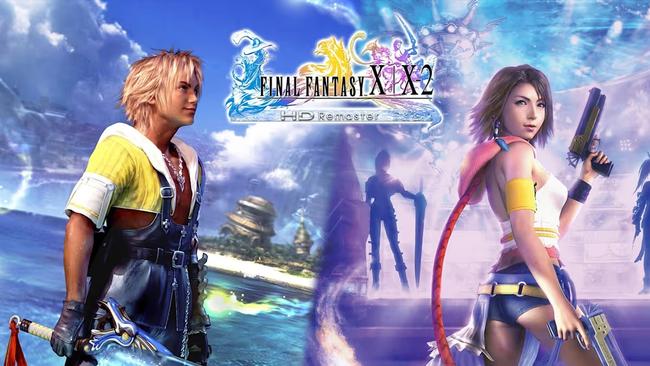
As Final Fantasy X marks its monumental 25th anniversary, the game remains a cornerstone of the JRPG genre—a title defined by its evocative narrative, pioneering turn-based combat, and the heartbreaking journey of Tidus and Yuna. While the Final Fantasy X & X-2 HD Remaster collection has been a staple of modern gaming libraries since its 2013 debut, the landscape of available versions has become increasingly fragmented. With the surprise launch of a new, native Nintendo Switch 2 port this week, the time has come to definitively audit the legacy of these ports.
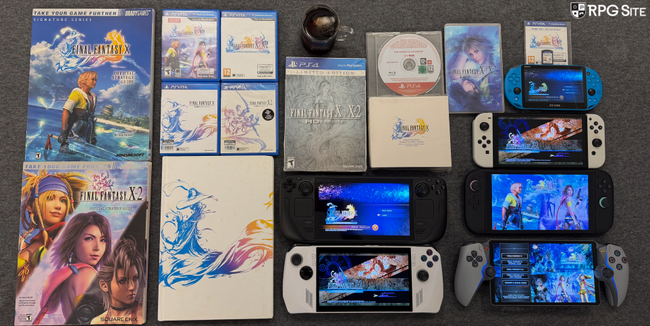
This comprehensive analysis evaluates every iteration—from the legacy PS Vita and PS3 versions to the powerhouse performance on Xbox Series X and the new Switch 2 release. Through rigorous testing across a vast hardware spectrum, we explore the feature disparities, visual fidelity, and technical quirks that continue to define the "best" way to experience Spira today.
A Fragmented Chronology: Two Decades of Ports
The release history of Final Fantasy X & X-2 HD Remaster is a masterclass in platform-specific evolution. Originally conceived to bring the PS2 classics to the PS3 and PS Vita, the collection has since been ported to nearly every major gaming device.
- The Foundational Era (2013–2015): The PS3 and PS Vita versions established the base visual overhaul. The Vita release was notable for its exclusive "Quick Heal" touchscreen feature, a quality-of-life addition that fans adored.
- The PS4/Console Expansion (2015–2019): With the transition to PS4, Square Enix introduced the option to toggle between the original and arranged soundtracks. Later, the Xbox One and the original Nintendo Switch versions brought the game to even wider audiences, though these releases often lacked the deeper customization features found in the PC port.
- The PC Anomaly (2016): The Steam release became the "feature-rich" outlier, introducing high-speed modes, encounter modifiers, and character boosters. However, this port arrived with its own set of stability issues and controller mapping challenges that remain unresolved today.
- The Modern Era (2024): The launch of the Nintendo Switch 2 port brings a new wrinkle to the timeline. It bridges the gap between the console versions and the PC feature set, yet it leaves some baffling omissions in its wake.
Feature Parity: A Comparative Audit
The disparity in features across platforms is, frankly, confusing for the average consumer. While Final Fantasy XII: The Zodiac Age achieved a gold standard of feature parity across platforms, Final Fantasy X & X-2 remains a patchwork quilt of inconsistent design choices.
The "Booster" Divide
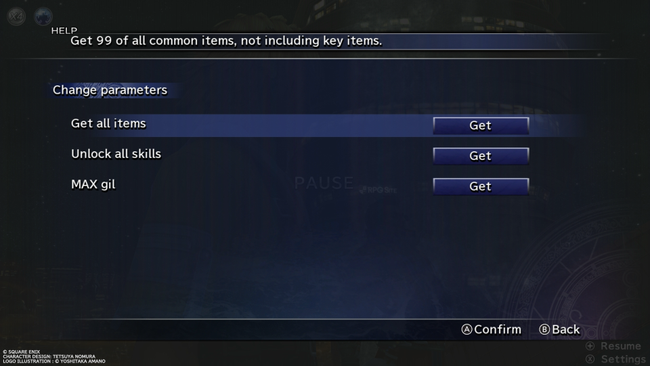
The PC version has long reigned supreme regarding player control, offering "Boosters" that allow users to unlock all skills, max out Gil, and manipulate encounter rates. The Switch 2 port is the first console version to integrate these PC-style boosters, providing a significant advantage over the standard PS4 and original Switch releases. However, the lack of an autosave feature on the Switch 2—a staple of the Steam and Windows Store versions—is a glaring oversight in a modern port.
Technical Feature Table
| Version | OST Option | Boosters | Autosave | Cut-scene Skip | Quick Heal |
|---|---|---|---|---|---|
| PS3 | No | No | No | No | No |
| PS Vita | No | No | No | No | Yes |
| PS4 | Yes | No | No | No | No |
| Xbox One | Yes | No | No | No | No |
| Steam | Yes | Yes | Yes | Partial | No |
| Switch 1 | Yes | No | No | No | Yes |
| Switch 2 | Yes | Yes | No | No | Yes |
Visual Fidelity: From 1080p to Native 4K
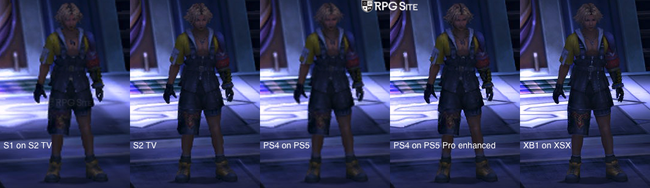
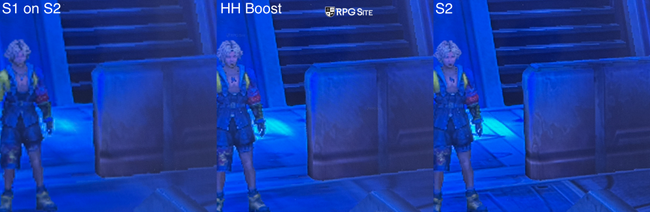
For players prioritizing visual clarity, the hierarchy is clear. The PS4 version serves as the baseline for all modern iterations. However, when the game moved to the Xbox ecosystem, Square Enix implemented native 4K support for the Xbox One X, which carries over to the Xbox Series X. This remains the definitive "console" visual experience.
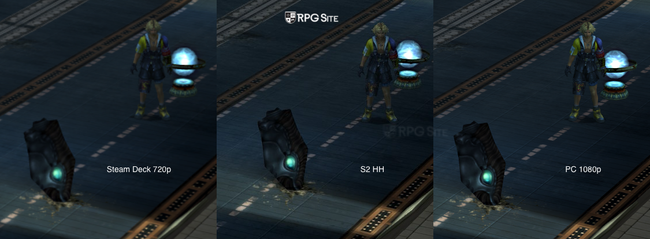
The Switch 2 version, while not reaching full 4K, operates at approximately 1440p when docked. It significantly outclasses the original Switch version, offering improved texture filtering and superior anti-aliasing. When compared to the PS4 version running via backward compatibility on a PS5, the Switch 2 version feels like a meaningful visual step up.
However, we must address the "30fps cap." Regardless of the platform—be it a high-end PC or the new Switch 2—the game logic is tethered to the frame rate. Consequently, all versions are locked to 30fps. While this ensures a consistent experience, it feels dated in an era where 60fps has become the industry standard for remasters.
Performance and Latency Testing
In our stress testing, we measured load times from the dashboard to the title screen and the time required to load an early-game save file.
- Load Time Analysis: The Xbox Series X (internal SSD) leads the pack, with near-instant save-loading times. The Steam version on modern handhelds like the ROG Ally is equally impressive. The original Switch and PS4 versions suffer from longer initial boot times, primarily due to forced splash screens.
- Input Latency: A critical observation involves Quick Time Events (QTEs), such as Tidus’s overdrive. We noted a slight, perceptible increase in input latency on both the Switch 1 and Switch 2 versions compared to the Xbox and PC counterparts. While not enough to ruin the game, it is a point of contention for players attempting high-difficulty challenges.
The Verdict on the Switch 2 Port
The Switch 2 port of Final Fantasy X & X-2 is a curious case. It is arguably the most convenient way to play the game today, especially for those who prefer a hybrid handheld-docked experience.
The Pros:
- Integration of PC-style boosters.
- Superior texture and anti-aliasing performance compared to the original Switch release.
- Retention of the classic Vita-style "Quick Heal" touchscreen functionality.
The Cons:
- Price: At $49.99, it is priced significantly higher than the older PS4 and PC versions.
- Omissions: The lack of save transfers from the original Switch version is a missed opportunity for player loyalty.
- Missing QoL: The absence of autosave and proper cut-scene skipping is inexcusable for a 2024 release.
Despite these flaws, the Switch 2 port is our current recommendation for portable play. It provides a more stable and "plug-and-play" experience than the PC version, which requires significant tinkering with controllers and launchers to function reliably.
Official Responses and Industry Implications
Square Enix has been notably quiet regarding the inconsistency of these ports. The company has historically struggled with a "one-size-fits-all" approach to legacy content. By failing to provide a unified patch for all platforms—as was done with Final Fantasy XII—the publisher forces consumers into a complicated decision-making process.
The implications for the industry are clear: legacy titles are no longer just "ports." They are products of the specific hardware and era in which they were released. When a publisher releases a port without modern quality-of-life standards, it creates a "versioning trap" where the most accessible version of a game is often not the most feature-rich one.
Conclusion: Which Version Should You Choose?
The decision on which version to purchase depends entirely on your setup and your tolerance for technical friction:
- For the TV/Console Purist: The Xbox Series X version remains the king of the hill, offering native 4K visuals and the best stability of any console iteration.
- For the Portable Gamer: The Switch 2 version is now the definitive handheld experience. It avoids the stability and launcher headaches of the PC/Steam Deck versions, even if it lacks some of the deep-tier PC features.
- For the Power User: The Steam version remains the only way to access the full suite of boosters and encounter modifiers, but be prepared to spend time on community-made mods to stabilize the experience and fix controller mapping.
Final Fantasy X remains a masterpiece of the genre, a game that transcends its technical limitations. Whether you are revisiting Spira for the tenth time or taking your first pilgrimage as a Summoner, the game continues to captivate. While we hope Square Enix will eventually release a unified, modern update to bridge the gaps between these versions, for now, the journey remains as essential as ever—regardless of which screen you choose to view it on.

