


In the high-stakes world of PC gaming, few metrics carry as much weight as the Steam "Most Wishlisted" charts. It is the digital barometer of anticipation, a list that dictates which indie darlings will capture the zeitgeist and which will fade into obscurity. This week, a new contender has violently disrupted that list. Dear Passengers, a chaotic cooperative multiplayer game tasking players with running "the world’s worst airline," has vaulted to the number 12 spot on the global charts.
The feat is nothing short of extraordinary. Announced just over a week ago, the title has captured the imagination—and the curiosity—of over 1.5 million prospective players. Yet, beneath the veneer of slapstick humor and gravity-defying hijinks, the project’s rapid ascent has been marked by a turbulent sequence of controversy, public scrutiny, and necessary damage control.
The Premise: Cooperation Under Duress
Developed by the Kyiv-based studio Flexus, Dear Passengers positions itself in the increasingly popular "friendslop" genre—games designed specifically to test the structural integrity of friendships through systemic chaos.
The core gameplay loop is deceptively simple: players form a crew tasked with piloting an aircraft, maintaining the cabin, serving refreshments, and ensuring cargo reaches its destination. However, the "real" game lies in the friction. As the developer describes, the mission is to deliver passengers "preferably in one piece."
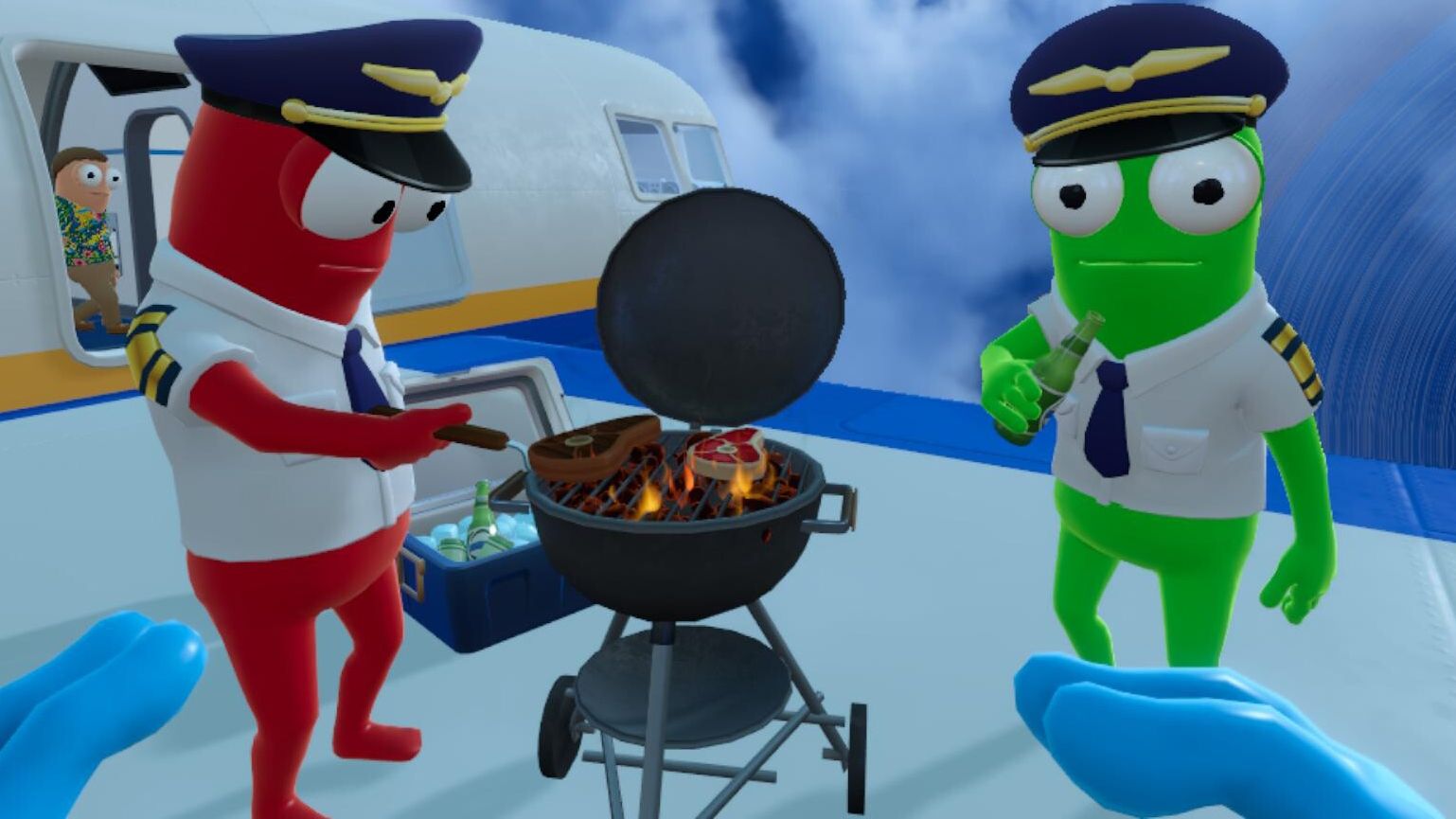
The gameplay trailer showcases a litany of disasters that would make any aviation authority shudder: massive turbulence, erratic weather patterns, sudden bird strikes, and hazardous, shifting cargo. But the primary antagonist is, as ever, the player’s own teammates. With the ability to interact with cabin doors at altitude, the potential for intentional sabotage is immense. The visual language of the game is one of absolute mayhem—pilots barbequing on the wings of a plane in mid-flight and passengers being ejected into the stratosphere. It is a spectacle of failure that has resonated deeply with a gaming audience hungry for the next Overcooked or Lethal Company.
A Chronology of the "Most Wishlisted" Phenomenon
The trajectory of Dear Passengers is a case study in viral marketing.
- July 14: The debut trailer premieres, showcasing the game’s unique blend of simulation and slapstick humor.
- The First 36 Hours: The game experiences an unprecedented influx of interest, securing 700,000 wishlists.
- The 72-Hour Mark: Momentum compounds as social media discourse spreads. The wishlist count crosses the 1,000,000 threshold.
- Late July: The game settles firmly into the top 15 of Steam’s most anticipated titles, currently boasting over 1,500,000 total wishlists.
This rapid adoption is rarely seen for a title with a release window as far out as 2026. Usually, games on the "most wishlisted" list are major AAA blockbusters nearing their launch. For an indie co-op game to maintain this level of sustained interest suggests that the Dear Passengers marketing strategy—or perhaps the sheer visceral appeal of its chaos—has struck a specific nerve in the community.
The Edgelord Controversy: Humor Under the Microscope
However, the game’s sudden fame has invited intense scrutiny. Almost immediately upon the trailer’s release, eagle-eyed viewers noted the use of provocative, "edgelord" humor that pushed the boundaries of standard marketing.
Specifically, the trailer featured characters named "Epst.J" and "PDaddy," explicit allusions to the late convicted sex trafficker Jeffrey Epstein. Furthermore, a character modeled to resemble Donald Trump was depicted being ejected from the aircraft. For many, these inclusions were not seen as harmless satire, but rather as a cynical attempt to court controversy for viral engagement.
The backlash was swift, forcing the developers to issue a clarification on their official Discord server. In a formal statement, Flexus addressed the concerns, stating: "All characters are fictional, and any resemblance to real people is purely coincidental. Flexus Games strongly condemns the actions of Jeffrey Epstein, as well as any crimes and individuals involved in breaking the law."
While the statement served to distance the studio from the individuals referenced, it did little to silence critics who argued that the inclusion of such figures—even in a parody context—was in poor taste.
The AI Allegations: Addressing the Transparency Crisis
As if the character controversy were not enough, the studio found itself at the center of a second, potentially more damaging debate regarding the use of Generative AI.
The suspicion began when users discovered a job advertisement on the Flexus website seeking a "2D Artist skilled in bringing game ideas to life and adept at using generative AI for concept creation." In an era where the gaming community has become increasingly protective of human labor and wary of AI-generated assets, the discovery led to immediate speculation that Dear Passengers itself was built on the back of AI tools. Given that the Steam page lacked any formal AI disclosure, the allegation felt to some like a breach of trust.
Flexus responded to these claims with a rapid, point-by-point rebuttal. Through their Steam community page, they clarified the intent behind the job posting:
"No AI was used in the creation of Dear Passengers," the studio asserted. "That was an old job posting related to marketing assets for some of our mobile projects. It has nothing to do with Dear Passengers. This game was created without generative AI."
To prove their commitment to transparency, the studio amended the job listing, removing the reference to AI. While this quelled the immediate firestorm, the incident highlights the fragility of trust between modern indie developers and their audiences. In the current climate, even the perception of AI involvement is enough to derail a project’s reputation before it even hits the store shelves.
Implications for the Future of Indie Development
The story of Dear Passengers is a microcosm of the modern indie game development cycle. It demonstrates that while the "viral hit" model is more accessible than ever, it is also increasingly dangerous.
For Flexus, the challenge now shifts from capturing attention to maintaining it. With a release date slated for 2026, the studio faces an incredibly long "runway." Maintaining 1.5 million wishlists for nearly two years is an enormous burden. In the gaming industry, momentum is a perishable asset; it is difficult to keep an audience excited for a title that is still several years away, especially after the initial excitement has been tempered by the realities of public relations crises.
Furthermore, the events of the past week serve as a warning to other developers: in the age of the internet, every detail in a trailer is subject to forensic analysis. Whether it is the naming of characters or the wording of a legacy job post on a corporate website, nothing goes unnoticed.
Ultimately, Dear Passengers has achieved the "impossible" goal of reaching the top of the Steam charts on brand identity alone. Whether the final product will deliver on the chaotic, fun-filled promise of its trailer—or whether the controversies of its first week will prove to be a harbinger of a troubled development cycle—remains to be seen. For now, the world is watching, and the flight path to 2026 remains anything but clear.

