

The landscape of open-world, first-person RPGs has remained strangely static for over a decade. Since the monumental release of The Elder Scrolls V: Skyrim in 2011, the gaming industry has seen countless imitations, yet very few titles have successfully captured the specific "Bethesda-style" magic—that unique blend of emergent exploration, environmental storytelling, and the freedom to forge one’s own path in a dense, reactive world.
While titles like Avowed have occupied the periphery of the conversation, a smaller, grittier contender has emerged from the shadows to claim the mantle of the spiritual successor to the genre’s heyday: Tainted Grail: The Fall of Avalon. Developed by Questline, the game officially exited Early Access in May 2024, and in the months since, it has solidified itself as a must-play for fans of dark fantasy and immersive sims.
The Genesis of Avalon: A Chronology of Development
The journey of Tainted Grail began long before its 2024 full launch. Based on the acclaimed board game universe created by Awaken Realms, the digital adaptation was always intended to be an ambitious undertaking.
- 2020-2021 (The Conceptual Phase): The developers announced their intention to translate the bleak, atmospheric lore of the Tainted Grail board game into a 3D first-person RPG.
- March 2022 (Early Access Launch): The game entered Steam Early Access. At this stage, the world was raw and unpolished, but the core mechanics—the "morally ambiguous" dialogue system and the deep exploration—were already showing promise.
- May 2024 (1.0 Release): After two years of iterative development, community feedback, and technical refinement, Tainted Grail: The Fall of Avalon officially hit version 1.0. Critics praised it for its surprising depth, noting that despite being a product of a smaller studio, it managed to rival the scope of much larger triple-A productions.
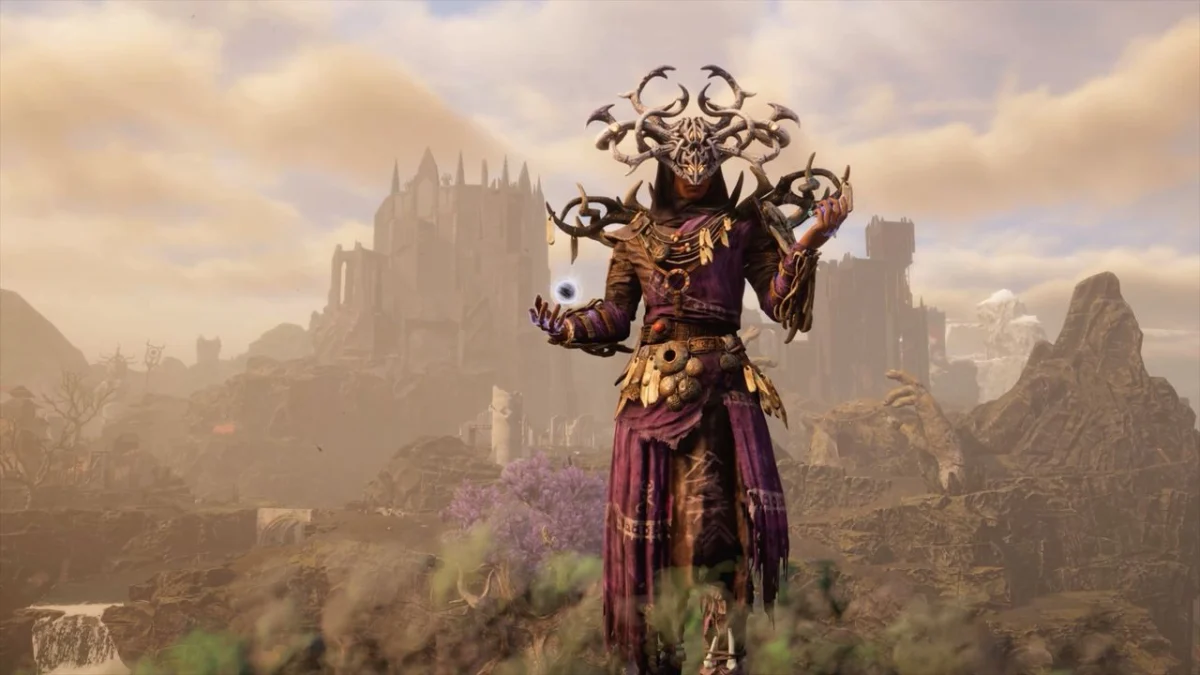
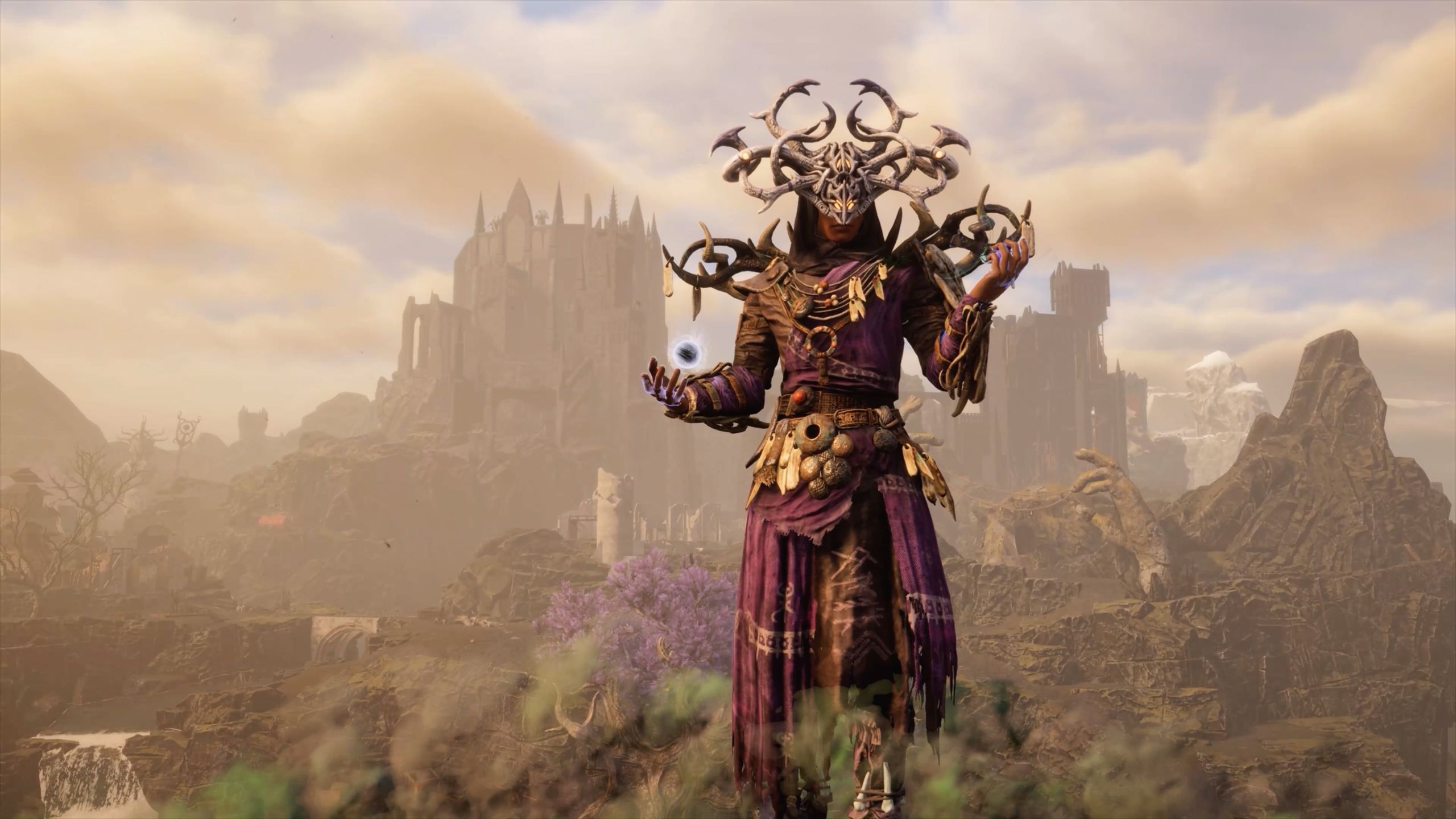
- Late 2024 (The Post-Launch Expansion): Recently, the developers dropped a major update that introduced an "Ultra+" graphical preset, new equipment sets for magical and ranged archetypes, and expanded social features, including new romance options, cementing the game’s longevity.
A Dark Reimagining of Legend
At its core, Tainted Grail is a subversion of Arthurian myth. Far from the polished, heroic tales of Camelot, the island of Avalon depicted here is a dying land, gripped by a mysterious corruption. Players are thrust into this world not as a "Chosen One," but as an individual navigating a crumbling society.
The game’s structure is segmented into three massive, distinct zones. While it avoids the "empty" feeling that plagues some modern open-world titles, it rewards curiosity with environmental density. The gameplay loop is quintessential RPG fare, yet it feels refined: players engage in fishing, cooking, mining, and smithing, all while balancing the pressing needs of dungeon crawling and narrative exploration.
One of the most notable departures from the Skyrim formula is the combat. Where The Elder Scrolls often leaned toward the "floaty" side of melee combat, Tainted Grail opts for a more weighted, tactical approach. It feels like a hybridization of the methodical pacing found in Dark Souls and the expansive freedom of Morrowind.
Supporting Data and Technical Performance
For those concerned about technical stability, the news is largely positive. The game performs admirably even on hardware like the Steam Deck, typically maintaining a consistent 30-45 FPS. This is a significant achievement given the complexity of the world’s lighting and assets.
The recent update has further optimized these systems. The "Ultra+" preset provides a visual fidelity upgrade that caters to high-end PC users, sharpening textures and improving draw distances—a necessity for a game that leans so heavily on its moody, atmospheric art style. The art direction itself is worth noting; it avoids the high-fantasy saturation of modern RPGs in favor of a muted, gothic aesthetic that feels genuinely unsettling.
The Philosophy of Choice
Perhaps the strongest pillar of Tainted Grail is its commitment to moral ambiguity. In a typical RPG, quests often resolve into binary good/evil outcomes. Tainted Grail forces players to make decisions that often leave no "right" answer. The consequences of these choices echo throughout the world, affecting NPCs and faction dynamics in ways that are often not apparent until hours after the initial decision. This reactive narrative engine is exactly what fans have been clamoring for in the years since Skyrim and New Vegas.
Official Responses and Community Reception
The reception to Tainted Grail: The Fall of Avalon has been overwhelmingly positive, particularly from the niche of players who consider themselves "Bethesda-orphans."
In an official statement accompanying the latest patch, the Questline team emphasized their commitment to the player base: "We wanted to create a world that respects the player’s intelligence. We don’t hold your hand; we give you the tools to survive in a place that wants you dead. The community’s feedback during Early Access was instrumental in shaping the combat and the pacing of the endgame."
Critics have echoed this sentiment. Reviews highlight the game as a "love letter" to the genre, acknowledging that while it may lack the massive marketing budget of a Bethesda title, it compensates with heart, mechanical innovation, and a genuine understanding of what makes a first-person RPG compelling.
Implications for the RPG Genre
The success of Tainted Grail signals an interesting shift in the industry. As the wait for The Elder Scrolls VI drags on, mid-tier developers are proving that there is a massive, underserved market for high-quality, immersive single-player experiences.
If this game can thrive on a smaller budget, it serves as a blueprint for other indie studios looking to enter the space. The industry at large is beginning to realize that players are not just looking for the biggest map, but the most meaningful one.
Final Verdict: Why You Should Play It Now
With the game currently enjoying a 50% discount on Steam, there has never been a better time to jump into the island of Avalon. For the price of a mid-range lunch, players are getting dozens—potentially hundreds—of hours of content.
If you are skeptical, the developers have provided a free demo, allowing potential adventurers to experience the opening hours of the game without commitment. Between the new armor sets for rangers and sorcerers, the expanded romance options, and the improved performance, Tainted Grail: The Fall of Avalon has transitioned from a "hidden gem" to a standard-bearer for the genre.
In a gaming climate dominated by live-service titles and endless sequels, Tainted Grail stands as a reminder of why we fell in love with RPGs in the first place: the simple, profound joy of stepping into a strange new world, picking up a sword, and deciding for yourself what kind of story you want to tell. Whether you are a fan of the original board game or simply someone who misses the depth of classic first-person RPGs, Avalon is waiting for you. Just don’t expect to leave the same person you arrived as.

