

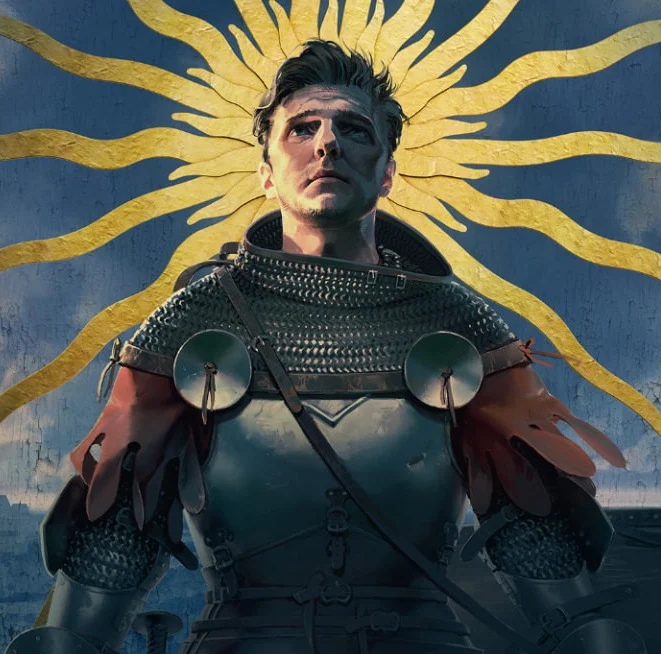
In a move that has sparked both anticipation and critical scrutiny, Ubisoft has officially confirmed that it will be sharing new information regarding the Ghost Recon franchise on August 6th. The announcement, which coincides with the tactical shooter series’ 25th anniversary, arrives less than a week after the publisher cautioned investors and fans alike that the upcoming year would be "quieter" than usual in terms of major releases.
While the gaming community remains eager for a return to the high-stakes tactical gameplay that defined the early days of the Tom Clancy brand, the news arrives against a backdrop of significant instability within the gaming industry and within Ubisoft itself.
The Announcement: A Quarter-Century of Tactical Warfare
The confirmation came via the official Ghost Recon social media channels, which posted a short, punchy message to fans: "It’s been a while, Ghosts! We know some of you saw some updates; we’ll have more to say on the 6th of August when we celebrate the 25th Anniversary of Ghost Recon. Intel coming soon."
For long-time fans, the 25th anniversary is a major milestone. Since the release of the original Tom Clancy’s Ghost Recon in 2001, the series has served as a cornerstone of the tactical shooter genre. It pioneered squad-based mechanics and large-scale, open-ended map design that prioritized patience and planning over the "run-and-gun" arcade style of its contemporaries. However, the franchise has been dormant for seven years following the release of Ghost Recon Breakpoint, a title that struggled to find its identity at launch and remains a point of contention among the series’ die-hard fanbase.
A Chronology of the Clancyverse at Ubisoft
To understand why the August 6th announcement is generating such a complex reaction, one must look at the recent trajectory of Ubisoft’s Tom Clancy-branded titles. The history of these franchises is currently a study in long-term development cycles, cancelled projects, and shifting studio priorities.
- 2017: Ghost Recon Wildlands is released to generally positive reception, successfully translating the series to a massive open-world format.
- 2019: Ghost Recon Breakpoint launches. Despite post-launch efforts to fix the game, the title’s initial critical and commercial performance left the franchise in an indefinite holding pattern.
- 2021: Ubisoft announces a Splinter Cell remake, intended to return the stealth franchise to its roots.
- 2022: The 20th anniversary of Splinter Cell passes with minimal fanfare, save for a few social media posts and the departure of the remake’s director, David Grivel.
- 2024: Following a series of studio closures and widespread industry layoffs, Ubisoft confirms a "quieter year" for new releases, focusing on long-term stability rather than immediate output.
The contrast between the active development of these franchises and their actual presence in the market is striking. Fans have spent the better part of a decade waiting for a Splinter Cell revival that remains in "development hell," while Ghost Recon has essentially vanished from the conversation entirely.
Industry Context: The Weight of Layoffs and Restructuring
The excitement surrounding the Ghost Recon reveal cannot be separated from the broader, more harrowing reality of the current gaming landscape. The industry is in the midst of a massive contraction; recent months have seen thousands of layoffs across major publishers, including Xbox’s closure of several beloved studios.
Ubisoft itself has not been immune to this trend. The company has engaged in multiple rounds of internal restructuring, which have included the closure of smaller studios and the cancellation of long-gestating projects, such as the Prince of Persia: The Sands of Time remake.
When a major publisher drops a "hype" announcement—such as a franchise anniversary tease—it is often viewed through two lenses. To the marketing department, it is a necessary engagement tool to keep a brand relevant in the eyes of consumers. To the critical observer, however, these announcements can feel like a distraction from the human cost of the company’s internal struggles. By promising "intel" on Ghost Recon, Ubisoft is attempting to pivot the narrative toward the future, hoping to remind players that the company still has the capacity to produce the high-quality, blockbuster experiences that made it a titan of the industry in the first place.
The "Splinter Cell" Shadow
One of the most persistent issues facing Ubisoft is the management of its legacy intellectual properties. While Ghost Recon is finally receiving attention, the status of the Splinter Cell remake remains a sore point.
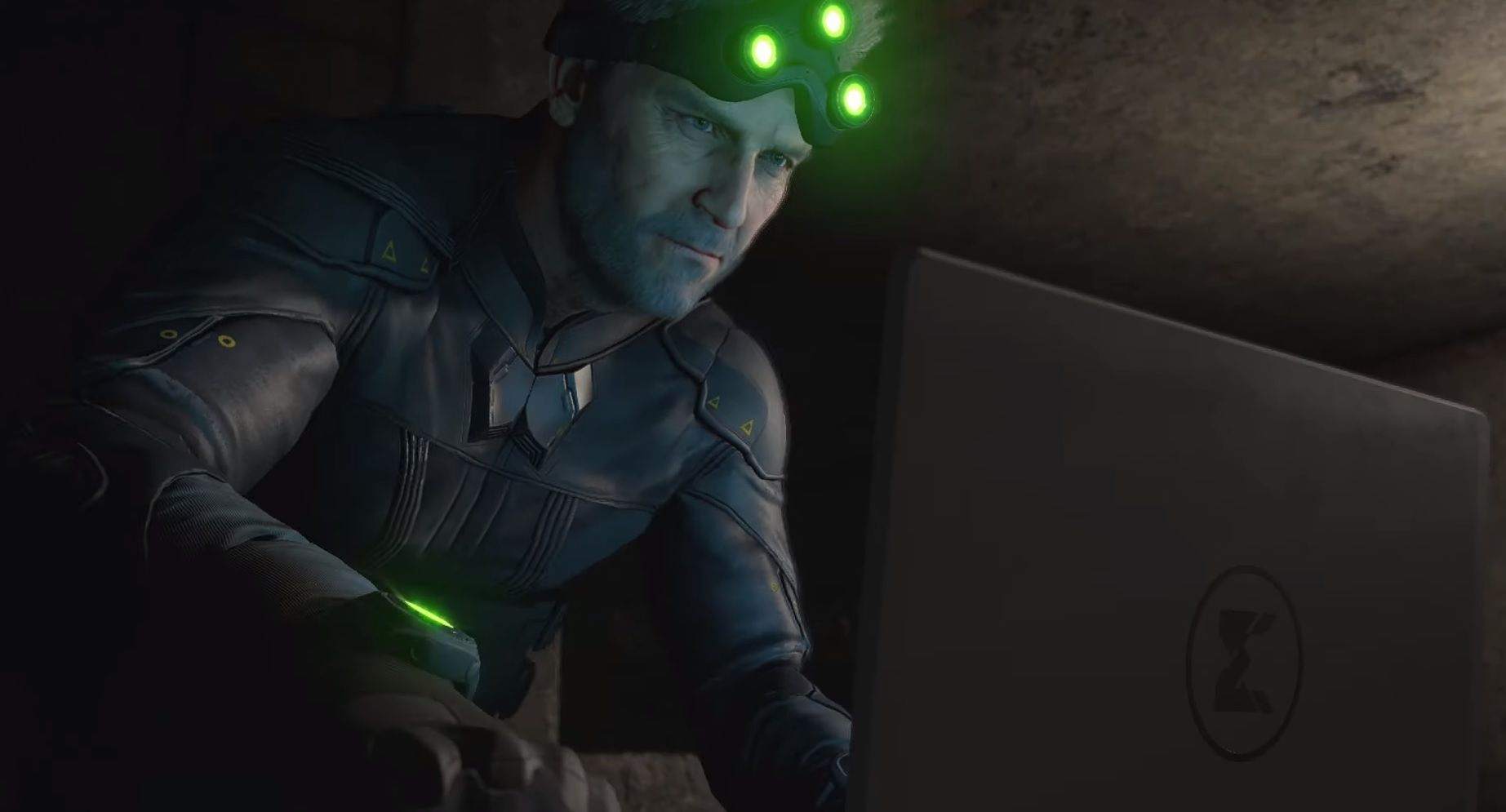
The announcement of the Splinter Cell remake back in 2021 was met with universal acclaim, as fans have clamored for a return of Sam Fisher for years. However, the subsequent years have been defined by silence, staff turnover, and the pivot to other media—most notably a Netflix animated series that famously does not feature iconic voice actor Michael Ironside.
The frustration is compounded by Ubisoft’s history of "trolling" its own fanbase. There have been several instances where the company released social media posts that appeared to tease a Splinter Cell reveal, only to have them amount to nothing, or in one infamous case, using the wrong character model for Sam Fisher. This has led to a perception that Ubisoft is either out of touch with what its fans want or, worse, deliberately baiting them to maintain engagement without delivering a product.
Implications for the Future of Ubisoft
What does this mean for the future of Ubisoft’s tactical shooter catalog?
First, the "quieter year" strategy indicates that the company is attempting to avoid the "crunch" culture that led to the buggy, unpolished releases of previous titles. By giving developers more time, there is a genuine hope that the next Ghost Recon game could be the return to form the series desperately needs.
Second, the reliance on legacy brands like Ghost Recon and Splinter Cell highlights a lack of new, original intellectual property that has captured the public imagination in recent years. Skull and Bones, which spent over a decade in development, serves as a cautionary tale of what happens when a game is forced out after years of shifting design goals.
Finally, the August 6th event will be a litmus test for fan trust. If the "intel" is substantial—perhaps a teaser trailer, a dev diary, or a concrete roadmap—it could go a long way toward rebuilding the goodwill that has been eroded by years of delays and corporate restructuring. However, if the event is merely a commemorative video or a minor content drop for an old game, it may only deepen the divide between the publisher and its core audience.
Conclusion: The Long Road Ahead
As the industry continues to navigate a volatile economic period, the focus for developers and publishers alike must shift toward sustainable growth and transparency. For Ubisoft, the Ghost Recon 25th anniversary is an opportunity to prove that the "Clancyverse" still has a place in modern gaming.
The question remains whether the company can move beyond the cycle of announcement and cancellation that has plagued its recent history. The "Ghosts" may be ready to return, but they will be returning to a very different industry than the one they left. Fans, stakeholders, and critics will be watching on August 6th to see if the "intel" is enough to justify the wait, or if it is merely another tactical maneuver in a long-standing war for the company’s credibility.
For now, the message to the community is clear: prepare for a celebration, but temper the expectations for a immediate release. In the world of high-stakes tactical development, patience is not just a virtue—it is a necessity.

