

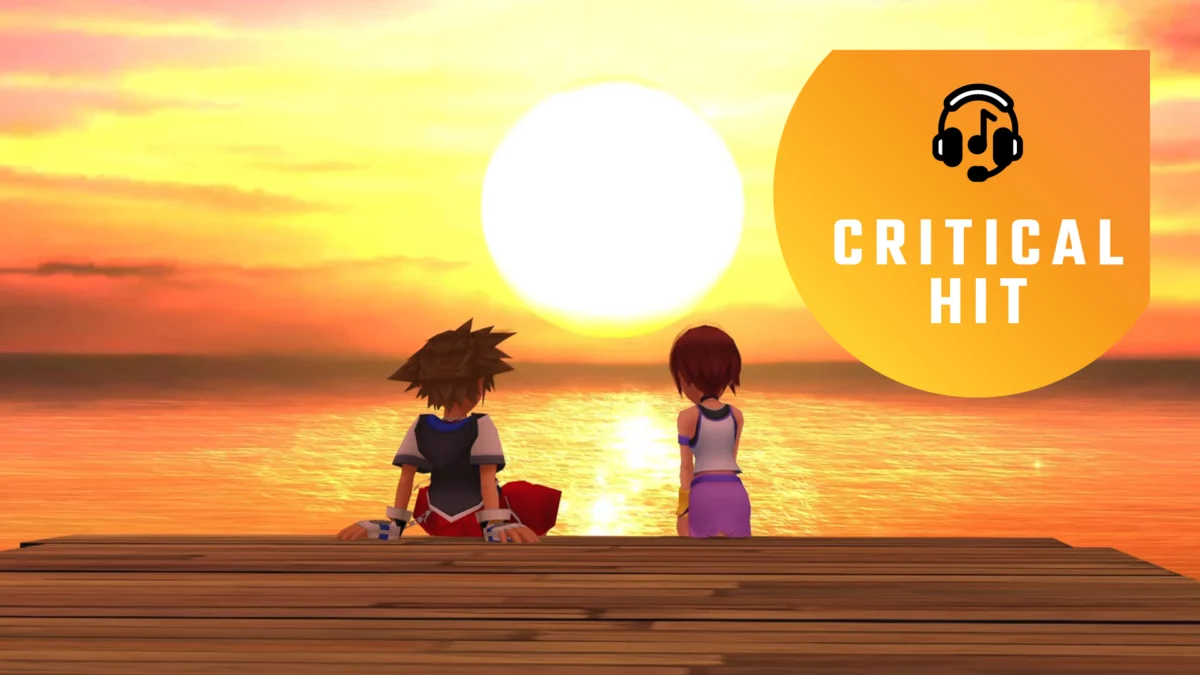
As the Northern Hemisphere plunges into the peak of summer, the atmosphere is often defined not just by the sweltering heat, but by the specific sonic landscape that accompanies the season. For many, the transition from spring to summer is marked by a shift in our media consumption—a move toward brighter, more rhythmic, and arguably more "breezy" audio experiences. In the world of video games, developers have long utilized music to anchor players within the specific sensory experience of the season. Whether it is the frantic, sun-drenched energy of a beach stage or the melancholic, fading light of an August evening, the auditory design of gaming plays a pivotal role in how we perceive the passing of time.
The Seasonal Architecture of Game Audio
The relationship between weather and musical composition in gaming is far from accidental. Much like film scoring, game audio is designed to evoke a specific emotional state that aligns with the environment the player is traversing. When a player steps into a desert biome or a tropical island, the game’s composer acts as a climatic architect, choosing instrumentation that triggers an immediate, subconscious association with warmth, light, and recreation.
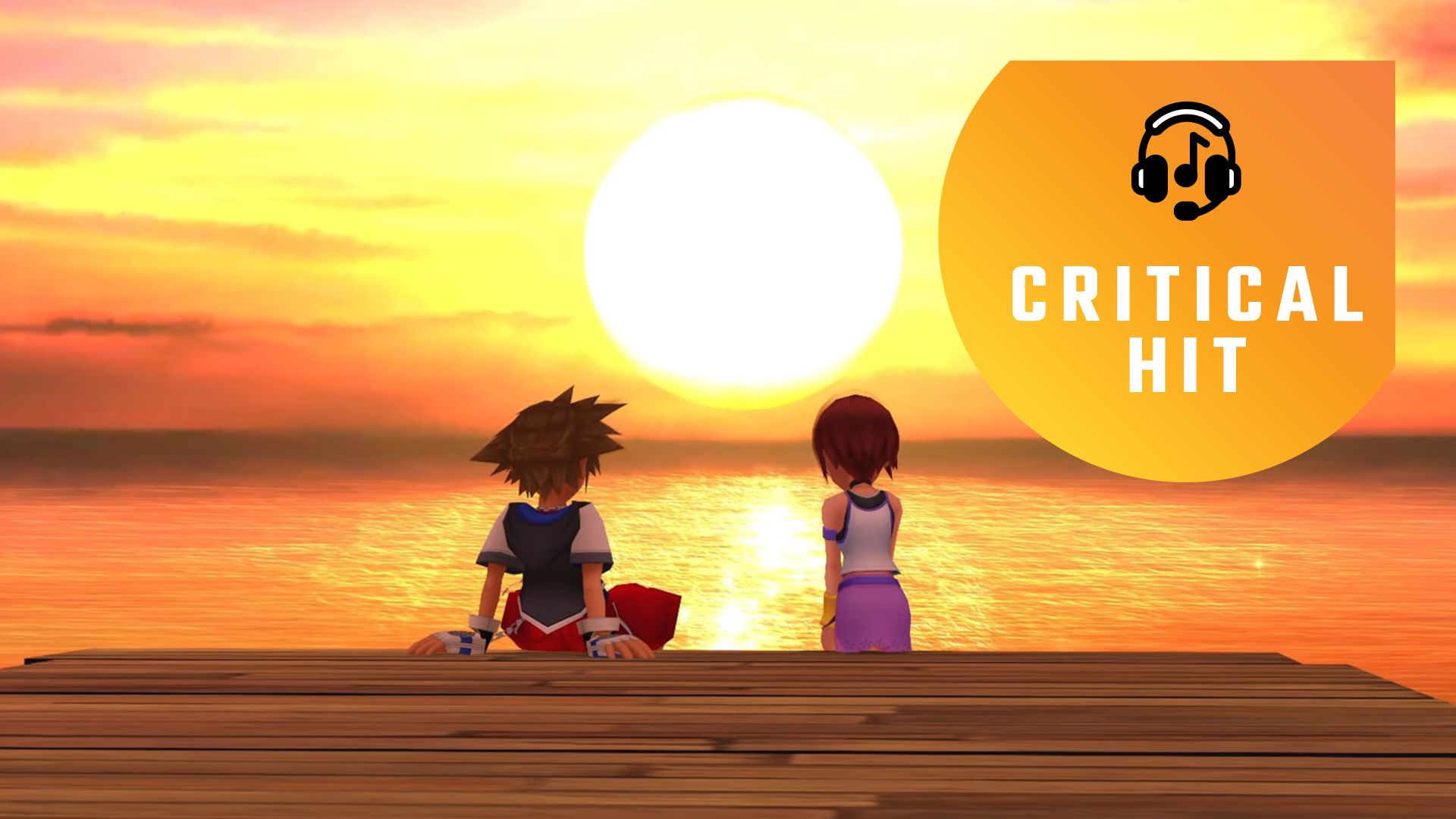
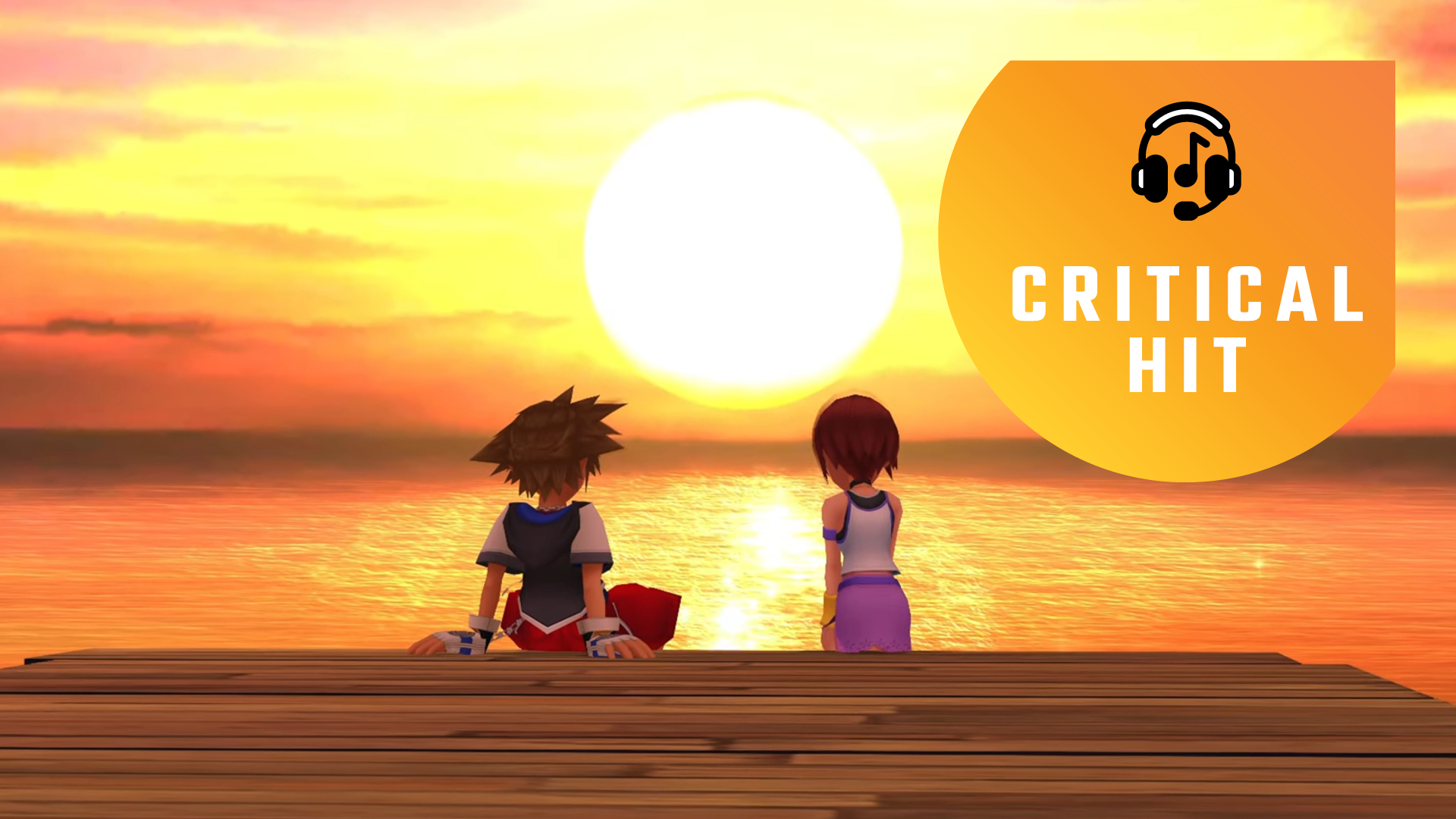
This phenomenon is grounded in the psychological concept of sensory congruence. When a player sees a bright, high-contrast environment—like the azure waters of Kingdom Hearts’ Destiny Islands—the brain expects an auditory landscape that matches that vibrancy. If the music were heavy, orchestral, or dissonant, it would create a sense of unease or "ludonarrative dissonance." By utilizing bright timbres, composers reinforce the player’s immersion, turning a digital space into a tangible memory of summer.
Chronology: The Evolution of the "Summer Sound"
The history of summer-coded music in gaming can be traced back to the early 8-bit and 16-bit eras, where technical limitations forced composers to be incredibly inventive with their sound palettes.
The Era of Percussive Tropics (1990s–2000s)
In the 90s, the "Summer Sound" was defined by the accessibility of MIDI-based steel drums and synthesized marimbas. Titles like Super Mario World and Donkey Kong Country introduced the concept of the "Water Level" theme—often characterized by flowing, rhythmic melodies that mimicked the movement of tides. This was the infancy of summer tropes in gaming, establishing a shorthand that allowed players to immediately identify a level as "vacation-adjacent."
The Rise of Ethereal Nostalgia (2010s)
As gaming technology advanced, the sonic palette expanded. We moved away from the literal "tropical" interpretations toward atmospheric compositions. Final Fantasy XIII-2’s "New Bodhum" stands as a hallmark of this era. By incorporating ethereal, breathy vocals over a rhythmic, island-inspired beat, composers began to shift the focus from "playing on a beach" to "feeling the nostalgia of a summer gone by." This signaled a maturation in game audio, where the goal was to trigger emotional memory rather than just environmental recognition.
The Modern Electronic Fusion (2020s–Present)
Today, we see a fusion of high-fidelity production and genre-bending. Tekken 8’s "Seaside Resort" track is a masterclass in this modern approach. By layering traditional steel pan trills—the classic marker of a beach level—with aggressive, distorted electronic synths and chopped vocals, the track bridges the gap between a relaxing tropical getaway and the high-energy environment of a modern rave or festival. It acknowledges the duality of summer: it is both a time of rest and a time of intense, high-energy activity.
Supporting Data: Why We Crave These Sounds
The effectiveness of these musical choices is supported by studies in music psychology regarding "environmental audio." Research suggests that exposure to sounds associated with specific environments can trigger the release of dopamine, mimicking the feeling of being in those environments.
In a study regarding the impact of tempo and timbre on player retention, it was found that "bright" frequencies—typically found in steel drums, acoustic guitars, and high-pitched synths—are perceived as more inviting, encouraging players to spend more time in those digital spaces. When we hear the ukulele-heavy tracks of Stardew Valley’s Ginger Island, the brain essentially categorizes the environment as a "safe zone," a place where the stress of combat or time-sensitive objectives is replaced by the leisure of the summer season.
Official Perspectives: The Composer’s Intent
Prominent video game composers often speak to the difficulty of capturing a season without falling into parody. In interviews, many emphasize the importance of "textural honesty."
"If you just throw a steel drum on a track, you aren’t making a summer song, you’re making a caricature of a beach," says one industry-leading audio director. "The goal is to capture the heat—the shimmering air, the humidity, the way the light hits the water. That’s done through reverb, through space, and through the choice of chord progressions that feel ‘lazy’ or ‘laid back,’ rather than just relying on standard percussion tropes."
This perspective highlights why tracks like the Animal Crossing series’ summer themes are so effective. They aren’t just loud, energetic tracks; they are subtle, ambient, and spacious. They mirror the slow, creeping pace of a hot afternoon, demonstrating that true summer immersion comes from matching the energy of the heat, not just the idea of a vacation.
Implications for Future Game Design
As we look toward the future of interactive entertainment, the role of seasonal audio is likely to become more dynamic. With the advent of real-time audio synthesis and AI-driven procedural music, we are moving toward a reality where the "Summer Soundtrack" might not be a static file, but a living, breathing composition that reacts to the player’s movement and the in-game time of day.
Imagine an open-world game where the music shifts seamlessly from a bright, percussion-heavy theme at noon to a soft, melancholic, synth-based track as the sun sets over the horizon. This level of dynamic integration would further blur the lines between digital leisure and physical reality, cementing the role of the video game as a primary vehicle for seasonal nostalgia.
Conclusion: The Soundtrack of the Digital Summer
Whether it is the frantic energy of a Tekken stage or the quiet, ethereal beauty of a Final Fantasy beach, video game music has become an essential companion to our summer months. These tracks do more than fill the silence; they serve as sensory anchors, helping us navigate the heat and providing a sense of comfort that transcends the screen.
As the sun continues to beat down on our real-world apartments and offices, we find ourselves retreating to these digital shores, not just for the gameplay, but for the sound of a season that feels exactly like it should. In the end, the best video game music is the kind that stays with you, lingering like the humidity of a mid-August night, reminding you that even in the middle of a digital quest, there is always time to take a seat, listen to the waves, and breathe.

