

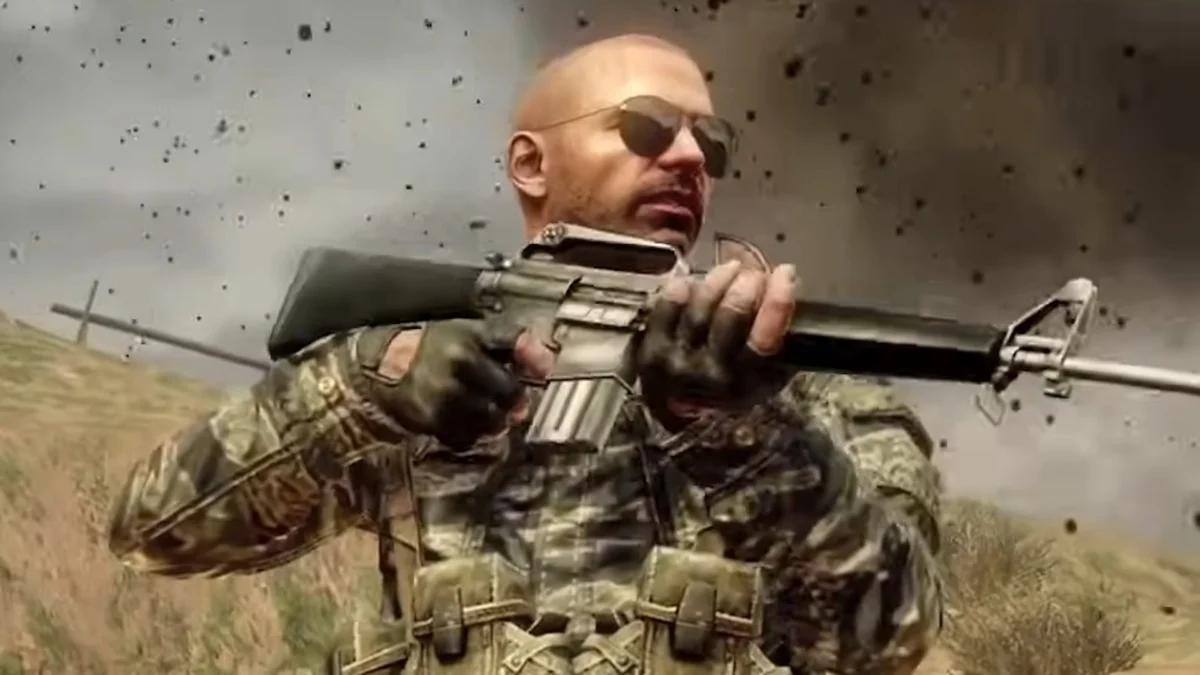
The recent re-release of Call of Duty: Black Ops and Black Ops 2 on modern PlayStation consoles was intended to be a nostalgic victory lap—a celebration of two of the most iconic entries in the long-running first-person shooter franchise. However, instead of a seamless trip down memory lane, players have encountered a digital ghost from the past. Despite being separated by over a decade and a half of technological advancement, the new PlayStation 4 and PlayStation 5 ports are currently plagued by the same security exploits that crippled the original PlayStation 3 and Xbox 360 versions.
This technical oversight has transformed what should have been a highly anticipated return to form into a frustrating ordeal, with multiplayer lobbies becoming increasingly unplayable for the average consumer. As Activision scrambles to contain the damage, the situation serves as a stark reminder of the risks involved in porting legacy software without modernizing its underlying architecture.
The Chronology of the Conflict: From Nostalgia to Chaos
The trouble began almost immediately following the announcement that Activision, in collaboration with developer Iron Galaxy, would be bringing the Black Ops duology to current-gen PlayStation hardware. The community was ecstatic; for many, these titles represent the "golden era" of Call of Duty. Unlike full-scale remasters, which rebuild assets and code from the ground up, these releases were marketed as straightforward ports. While fans were largely satisfied with this approach, the lack of modern security oversight quickly became apparent.
Shortly after the games went live, players began reporting erratic behavior in multiplayer lobbies. What started as minor anomalies—unusual XP gains and erratic scoreboards—rapidly escalated into a full-scale disruption of the competitive experience. Within days, the community identified that users were manipulating game save files to gain unfair advantages. By the end of the first week, social media platforms and forums were flooded with footage showing lobbies rendered unplayable due to automated XP farming exploits and other game-breaking modifications.
The Root of the Problem: Why 2010 Code is Failing in 2025
To understand why a modern port of a 15-year-old game is susceptible to legacy exploits, one must look at the technical architecture. Industry analysts and modders, such as the prominent YouTuber Tdawgsmitty, have pointed to a fundamental failure in the porting process: the decision to retain the original, unencrypted file structures from the seventh generation of consoles.
According to a modder interviewed by Tdawgsmitty, the mechanism used to cheat in these new ports is almost identical to the methods used during the PS3 era. "Essentially, what you’re doing is that it’s like PS3 where you copy a save file to your USB, and there’s a website that lets you unencrypt it," the modder explained. "The site lets you use a jailbroken PS4 or PS5, and it will decrypt it for you. The save data is the exact same as it was on PS3."
The core issue lies in the encryption. Because Iron Galaxy and Activision reportedly chose not to update the encryption standards for these save files, the barriers that kept the game secure in 2010 were easily bypassed by tools that have been publicly available for over a decade. By modifying these decrypted files and re-uploading them to their consoles, users can manipulate their in-game status, granting themselves unfair XP advantages and triggering scripts that disrupt the gameplay experience for others.
Official Responses and Immediate Mitigation
Activision, recognizing the severity of the backlash, moved quickly to address the stability of the servers. A few days after the initial reports of chaos, the company officially disabled "select playlists" in Black Ops. This was a tactical retreat intended to prevent the worst of the exploits from affecting the broader population while the development team worked on a more permanent solution.
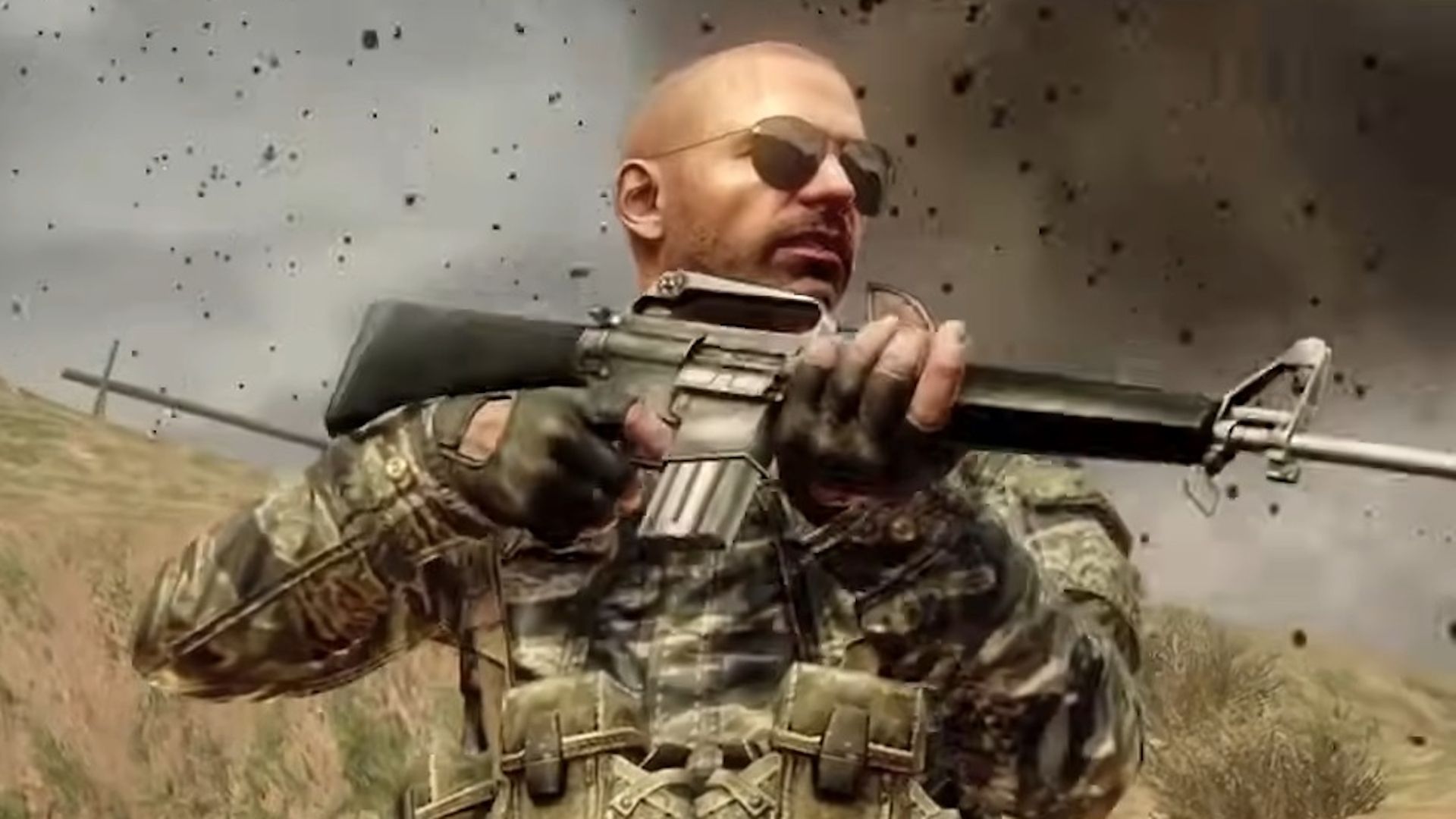
Shortly thereafter, the @CODUpdates account on X (formerly Twitter) confirmed that they had applied a "server-wide fix" to several of the affected playlists. While this move brought a degree of normalcy back to some game modes, it has not been a silver bullet. Security researchers and community members have noted that while the most blatant XP exploits have been addressed in certain sectors, other game modes remain susceptible. The situation remains fluid, with the development team seemingly playing a game of "whack-a-mole" against a user base that is intimately familiar with the game’s original code base.
Implications for Future Legacy Ports
The Black Ops porting debacle carries significant implications for the video game industry, particularly as publishers continue to lean heavily into "retro-resurgence" strategies. When a publisher chooses to port a legacy title rather than remastering it, they are effectively betting that the original code is "good enough" for a modern ecosystem. This case proves that "good enough" is a dangerous standard when it comes to online multiplayer security.
1. The Cost of Shortcuts
The primary lesson is that security is not a "set it and forget it" feature. The technical debt incurred by porting 15-year-old game logic without updating its security layer has cost Activision far more in reputation and developer hours than the cost of implementing modern encryption would have likely required.
2. The Responsibility of Publishers
For publishers like Activision, the expectation from the community is that a paid release—regardless of whether it is a remaster or a port—must function as a modern product. Players expect modern anti-cheat measures, stable servers, and a fair competitive environment. When a re-release fails to meet these baseline expectations, it alienates the very fan base that the project was intended to serve.
3. The Future of Preservation
There is also a broader conversation to be had about the preservation of gaming history. While many fans advocate for the "pure" experience of playing original games on modern hardware, this incident demonstrates that "pure" is often synonymous with "vulnerable." As hardware evolves, the way we secure legacy code must also evolve to protect the integrity of the community.
Conclusion: A Cautionary Tale
The Call of Duty: Black Ops incident is more than just a minor technical hiccup; it is a cautionary tale for the industry. It highlights the tension between the desire for nostalgia and the realities of modern online security. For the casual player, the dream of reliving the glory days of Nuketown and Firing Range has been soured by the realization that the digital environment they inhabit is effectively a museum piece, complete with the structural rot of its predecessor.
Moving forward, if Activision and other major publishers intend to continue bringing legacy titles to current-gen consoles, they must treat these releases with the same level of security rigor as their flagship live-service titles. Until then, the Black Ops ports stand as a reminder that without proper maintenance, the past is not just a place we visit—it’s a place that can actively break the present. As the developers continue to patch the leaks, players are left to wonder if the "golden era" of Call of Duty can ever truly be preserved without being completely rebuilt for the modern age.

