

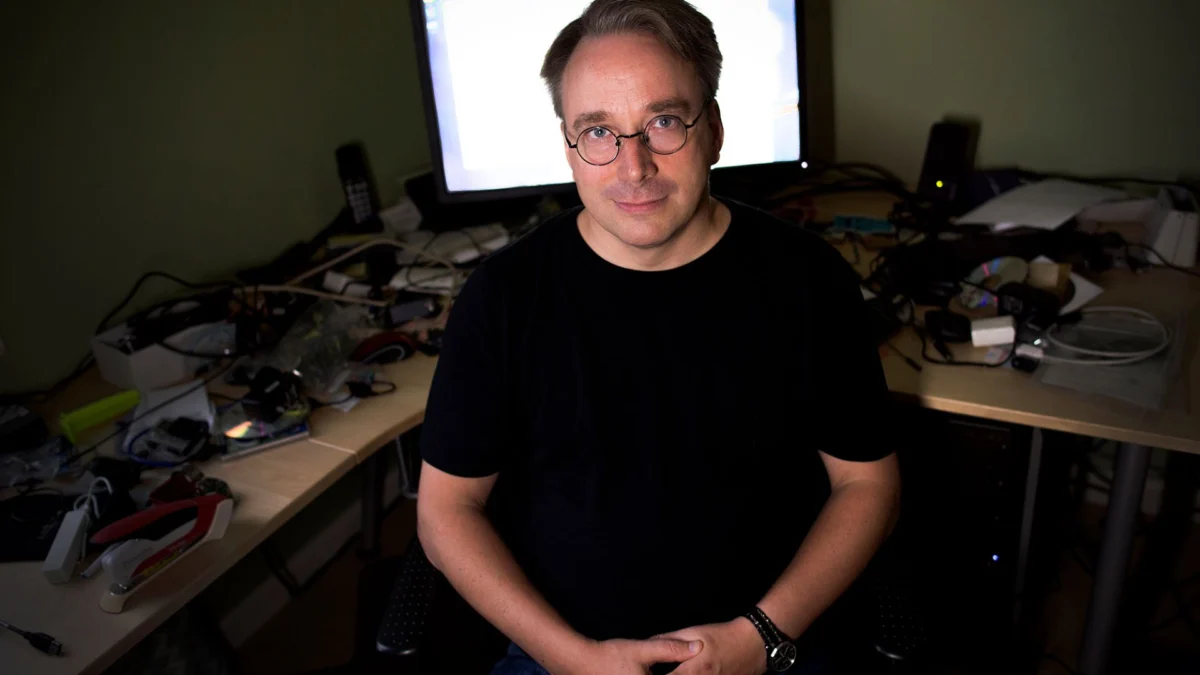
In a move that has sent ripples through the open-source community, Linux creator Linus Torvalds has firmly established the project’s stance on Artificial Intelligence. Rejecting calls from ideological purists to banish AI-driven tools from the kernel development ecosystem, Torvalds has positioned Linux as a technology-first endeavor that prioritizes functional utility over reflexive skepticism. For a community often defined by its meticulous, human-centric craftsmanship, this endorsement of machine intelligence represents a definitive, if pragmatic, turning point in the evolution of the world’s most important operating system.
The Core Mandate: Technology Over Ideology
The controversy ignited during a recent discourse regarding Sashiko—a specialized, agentic Linux kernel code review system. As the debate over the integration of AI tools reached a fever pitch, Torvalds intervened with his characteristic bluntness.
"I realize that some people really dislike AI, but this is an area where I’m willing to absolutely put my foot down as the top-level maintainer," Torvalds wrote in a post on the Linux kernel mailing list. "Linux is not one of those anti-AI projects."
For those within the developer community who remain fundamentally opposed to the use of Large Language Models (LLMs) or automated code-review agents in the kernel’s maintenance pipeline, Torvalds offered a stark ultimatum: "If you don’t like it, fork it. Or just walk away."
This statement is more than a simple reprimand; it is a declaration of philosophy. Torvalds argues that AI is a tool, no different in principle from the compilers, static analysis tools, or version control systems that have defined software development for decades. He maintains that while AI may be an imperfect instrument—capable of generating noise or failing to catch edge-case vulnerabilities—its utility as a force multiplier for maintainers is now beyond dispute.
A Chronology of Skepticism and Evolution
To understand the weight of Torvalds’ recent endorsement, one must look at his trajectory regarding AI over the last few years. His journey from dismissive skeptic to cautious adopter provides a roadmap of how the broader software industry has grappled with the rapid rise of generative AI.
The "Hyped" Era (2024)
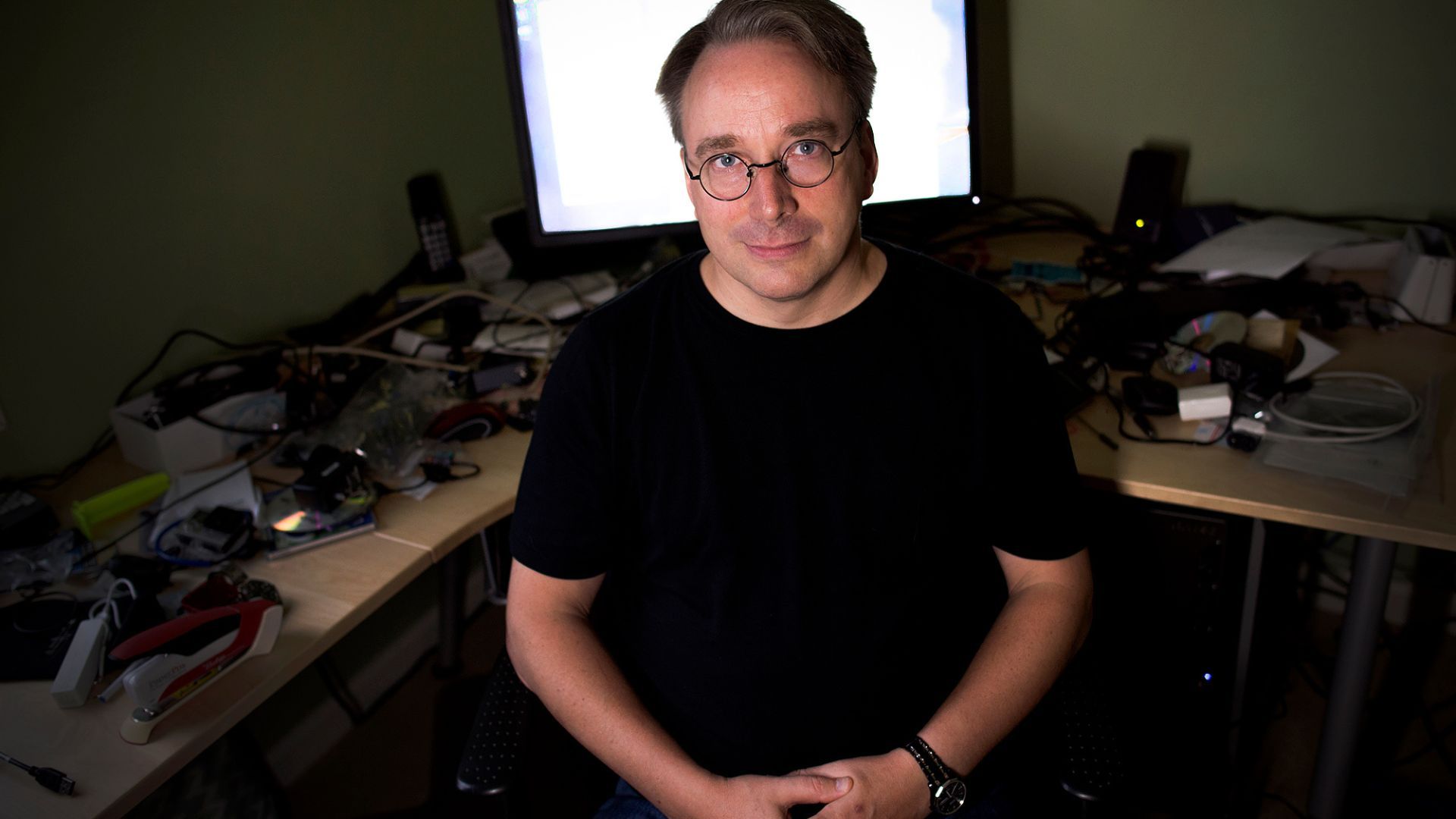
At the 2024 Open Source Summit, Torvalds was famously dismissive of the industry’s frenzied enthusiasm for machine learning. He famously characterized the state of the technology as "90 per cent marketing and ten per cent reality," suggesting that the industry should hold off on grandiose declarations and wait a decade to see if the technology would yield genuine, tangible results. At the time, his priority was maintaining the integrity of the Linux kernel against the flood of low-quality, automated marketing-driven contributions.
The "Autocorrect on Steroids" Phase
Following his initial skepticism, Torvalds compared modern AI to "autocorrect on steroids." While the assessment was lukewarm, it signaled a subtle shift. He recognized that while the current iteration of the technology might be prone to errors, it possessed a functional core that, if directed correctly, could potentially assist in the massive, often exhausting task of kernel maintenance.
The "Unmanageable" Crisis (May 2025)
By mid-2025, the reality of AI-assisted development hit the Linux mailing lists with force. Torvalds expressed frustration as the security list became inundated with AI-generated reports. The problem was not the technology itself, but the "enormous duplication" caused by users throwing the same prompts at different models, creating a mountain of redundant work for the Linux maintainer team. At this stage, AI was a net negative for the project’s efficiency.
The Pivot to Integration (July 2026)
The current stance marks the final evolution of his thought process. Having witnessed the potential for tools like Sashiko to assist in genuine bug discovery—often finding "embarrassing" bugs that human developers might miss—Torvalds has decided that the benefits of an optimized, AI-augmented workflow outweigh the administrative burden of filtering out the noise.
The Pragmatic Defense of AI in Software Engineering
Torvalds’ support for AI is rooted in a fundamental belief in "technical merit." He argues that the kernel project exists to build the best possible technology, and if a tool—regardless of its origins—can make that technology more secure, efficient, or stable, it should be utilized.
In his latest correspondence, he offered a sharp rebuttal to the critics of AI: "And no, AI isn’t perfect. But Christ, anybody who points to the problems at AI had better be looking in the mirror and pointing at themselves at the same time. Because it’s not like natural intelligence is always all that great either."
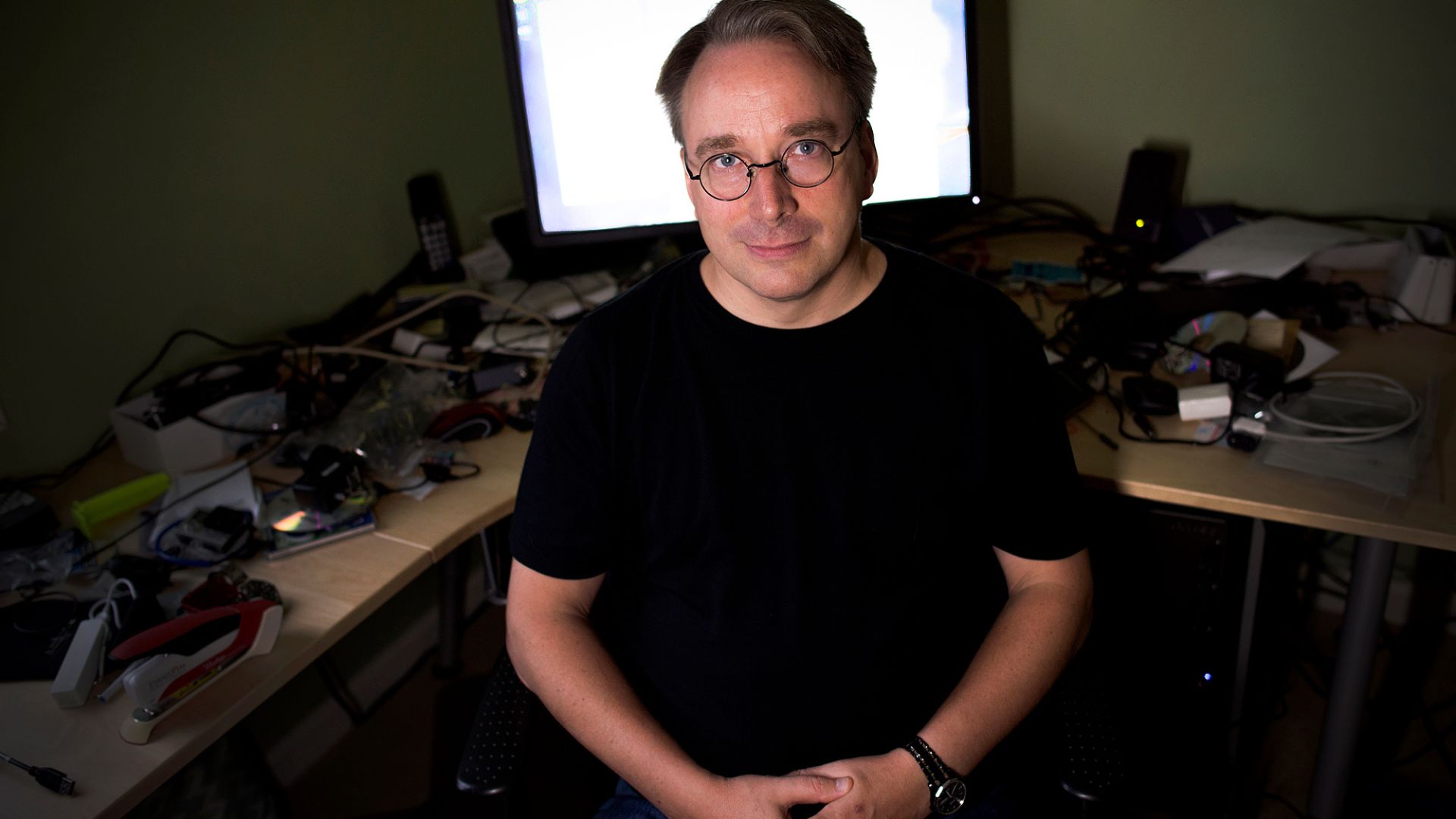
This statement cuts to the heart of the Linux development model. The kernel is a massive, complex, and notoriously difficult codebase. Human error is a constant, and the "human" element of development has historically been the primary source of both brilliance and catastrophic bugs. By acknowledging that human programmers are as fallible as the models they train, Torvalds is effectively de-mystifying the act of coding, stripping away the romanticism often attached to the "human touch" and replacing it with a cold, hard focus on the end product.
Industry Implications: A New Standard for Open Source
The decision to embrace AI within the Linux kernel is expected to have a profound impact on the broader open-source ecosystem. Linux often acts as the bellwether for the entire software industry. When the most significant open-source project in existence moves to integrate agentic AI tools, other organizations are likely to follow suit.
The Security Renaissance
Microsoft, Firefox, and other major players have already begun leveraging AI for vulnerability detection. By adopting a similar stance, the Linux project is signaling that the future of cybersecurity is collaborative—a partnership between human expertise and machine speed. If an AI agent can scan thousands of lines of code and identify a potential buffer overflow in seconds, refusing to use it on ideological grounds is increasingly viewed as a liability rather than a virtue.
The Shifting Role of the Maintainer
As AI becomes more deeply integrated into the kernel development lifecycle, the role of the human maintainer is set to change. Instead of spending hours performing line-by-line manual reviews, senior developers will likely transition into "curators" and "architects," overseeing the output of AI agents. This transition is not without its risks, specifically regarding the "black box" nature of AI decision-making, but it is a necessary evolution to keep pace with the increasing complexity of modern computing.
Conclusion: The Path Forward
Linus Torvalds has effectively drawn a line in the sand. For those who view Linux as an ideological bastion against the encroachment of corporate-backed machine intelligence, the message is clear: the project is not a museum of human-only coding, but a living, breathing laboratory for technological advancement.
While the transition will undoubtedly be fraught with growing pains—including the need to develop better filters for AI-generated spam and the necessity of training developers to better audit machine-generated code—the path is set. The Linux kernel, under the guidance of its principal creator, is choosing to embrace the future. As Torvalds succinctly put it, the project’s history and future will continue to be written by its commitment to technical merit, not by the fear of the tools required to push the boundaries of what is possible.

