

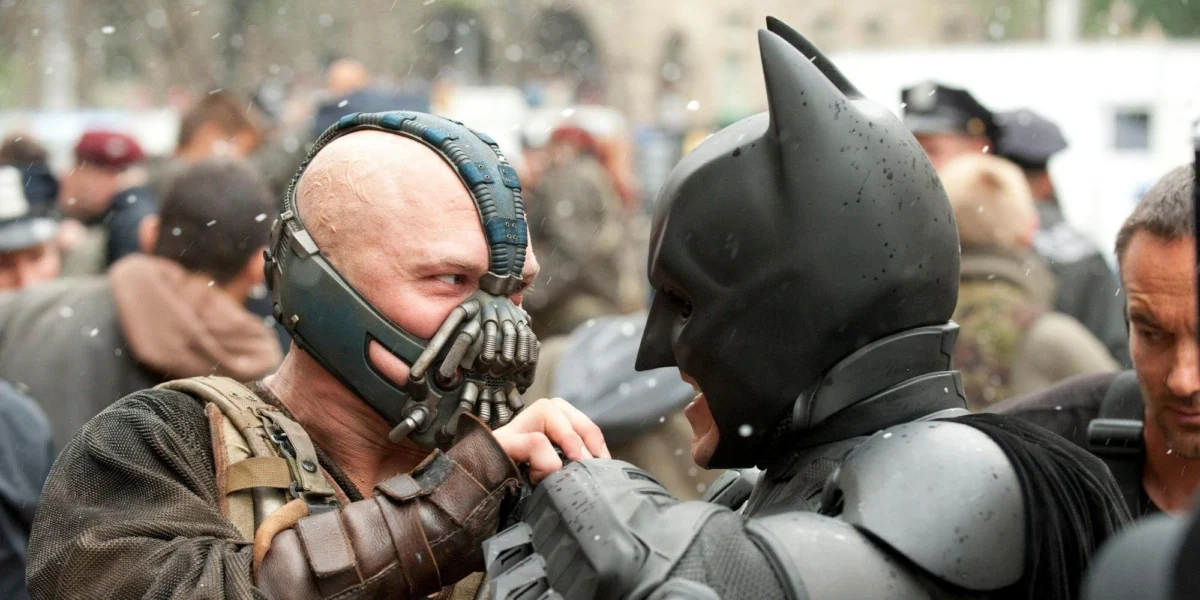
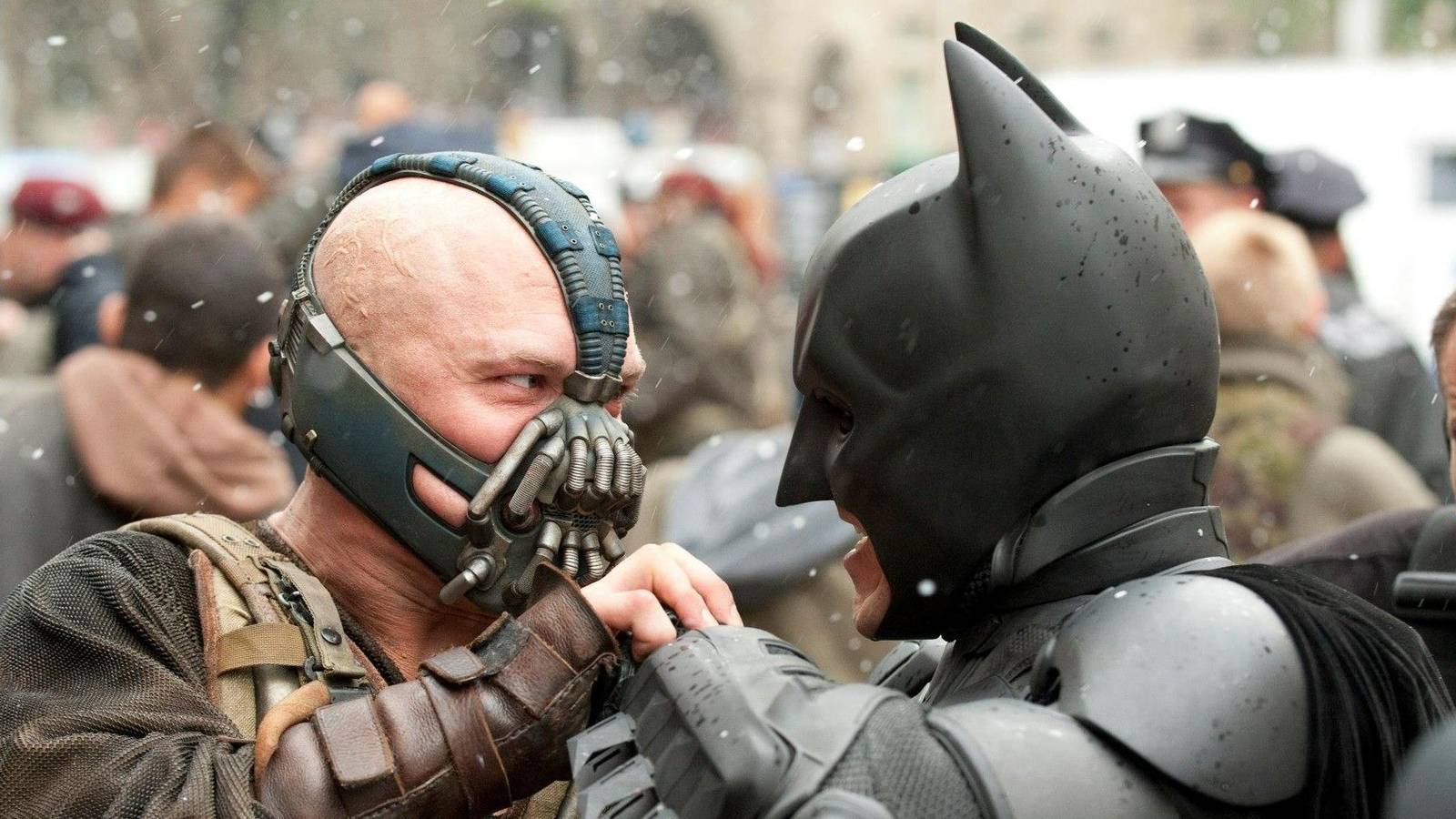
For decades, the cinematic portrayal of Bane has been a point of contention among DC Comics purists. While Christopher Nolan’s The Dark Knight Rises remains a monumental blockbuster that cemented the "Dark Knight" trilogy in cultural history, its handling of the iconic super-villain left many fans wanting. Tom Hardy’s performance, while memorable for its idiosyncrasies, was ultimately relegated to the role of a henchman—a pawn in a larger game orchestrated by Talia al Ghul.
However, the tide has finally turned. With the premiere of Batman: Knightfall — Part 1 at the Annecy International Animation Film Festival, DC has unveiled a vision of the character that is not only more faithful to his comic book origins but arguably more terrifying than anything audiences have seen on screen before. By embracing an R-rated intensity and a methodical approach to villainy, this new animated trilogy is finally giving the man who broke the Bat the cinematic treatment he deserves.
The Evolution of a Legend: From Comics to Screen
The Knightfall storyline is one of the most significant arcs in DC history, running from 1993 to 1994. It was conceived during a turbulent era for the comic book industry, a time when DC executives were desperate to reverse declining sales figures. Much like the concurrent Death of Superman event, which introduced Doomsday to temporarily end the Man of Steel, Knightfall was designed to shock readers by dismantling the status quo of Gotham City.
In the comics, Bane was introduced not merely as a physical threat, but as a tactical genius. He was the dark mirror to Bruce Wayne: a man forged in the crucible of a brutal prison, possessing both the intellect to study his opponent and the physical prowess to overpower him. While Nolan’s film touched on these elements, it ultimately pivoted to a twist-heavy narrative that diminished Bane’s agency.
In contrast, the new Knightfall trilogy, directed by Jeff Wamester with a screenplay by Jeremy Adams, positions Bane (voiced by Michael Mando) as the undisputed architect of Batman’s downfall. By splitting the narrative across three films, the production team has the space to properly flesh out the psychological and physical attrition required to bring a hero of Batman’s caliber to his knees.
Chronology of a Breakdown: The Anatomy of the Fight
Batman: Knightfall — Part 1 wastes no time in establishing the stakes. Clocking in at 80 minutes, the film provides a lean, brutal look at the systematic dismantling of the Batman.
The film establishes that Batman (voiced by Anson Mount) is already operating in a state of exhaustion. Through brief, impactful flashbacks to the departure of Dick Grayson and the tragic events of A Death in the Family, the audience sees a version of Bruce Wayne who is emotionally and psychologically brittle. He is a man holding together a city that is constantly trying to tear him apart.
Bane’s strategy is a masterclass in attrition. Rather than leading with brute force, he initiates a breakout at Arkham Asylum. This forces Batman into a grueling, relentless gauntlet, pitting him against the Mad Hatter, Scarecrow, Victor Zsasz, and the Riddler in rapid succession. Each skirmish acts as a layer of physical and mental erosion. By the time Batman finally encounters Bane, he is not at his peak; he is a man who has been pushed to the absolute edge of his endurance.
Supporting Data: Why This Version Resonates
One of the most significant departures in the Knightfall trilogy is the decision to lean into an R-rating. In The Dark Knight Rises, the PG-13 constraints limited the visceral nature of the conflict. Violence was largely implied or focused on explosives and theatricality.
In this new iteration, the animation team at Studio Mir has been allowed to showcase the raw, bone-crushing reality of Bane’s strength. The film does not shy away from the carnage; Bane is shown crushing skulls and delivering impacts that feel genuinely life-threatening. This escalation is crucial for the narrative, as it establishes why Batman’s eventual defeat feels not only inevitable but entirely earned.

Furthermore, the characterization of Bane as a prisoner of Santa Prisca adds a haunting layer to his motivation. The film depicts his origin through the lens of a man who survived by pure willpower, consuming rats and studying Wayne family archives, all while enduring experimental medical treatments. When he finally dons the mask and uses the super-steroid Venom, the audience understands that he is not just a monster—he is a product of systemic cruelty who has mastered his environment.
Official Responses and Creative Vision
The creative team behind the Knightfall project has been vocal about their desire to honor the source material while modernizing the pacing for an adult audience. Director Jeff Wamester has emphasized that the goal was to return to the roots of the 1993 arc, where the primary tension lies in the fact that Batman is fundamentally outmatched.
"We didn’t want to make Bane a secondary character," notes an insider close to the production. "In Knightfall, the entire point is that Bane is the one person who can actually force Batman to reconsider his existence. If you don’t feel the weight of the physical and mental toll on Bruce, the moment the back-breaking happens loses all of its gravity."
While the film is currently limited to a direct-to-video release, the reception at the Annecy Festival has been overwhelmingly positive. Critics have praised the performance of Michael Mando, noting that he brings a cold, calculated menace to the role that distinguishes it from previous live-action attempts.
Implications for the Future of Batman on Film
The success of Knightfall — Part 1 raises an interesting question about the future of DC’s cinematic offerings. With Matt Reeves’ The Batman universe exploring a more grounded, noir-inspired aesthetic, there is a clear demand for nuanced, complex villain arcs.
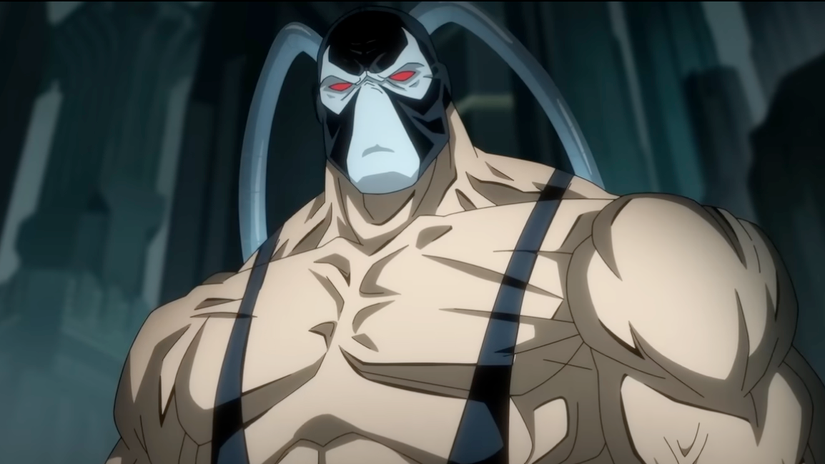
However, because this Knightfall trilogy is an animated, direct-to-video project, it will inevitably have a smaller footprint than a billion-dollar live-action blockbuster. Nolan’s version of Bane will likely remain the "pop culture" version of the character for the casual viewer for years to come. Yet, for the hardcore fanbase and the broader comic book community, this trilogy represents a correction of the record.
The implications are clear: audiences are hungry for stories where the villain is allowed to win, even if only temporarily. By avoiding the trope of the "villain with a secret master" or the "villain with a convoluted, world-ending bomb," Knightfall creates a high-stakes, intimate conflict that feels far more personal.
Conclusion: A Worthy Legacy
As the Knightfall trilogy moves toward its conclusion, it serves as a testament to the longevity of the source material. It is a reminder that some stories are best told when they are allowed to breathe, to be violent, and to be unflinchingly dark.
More than three decades after his comic book debut, Bane has finally been given the spotlight he deserves. He is no longer just a man in a mask, nor a secondary heavy for a more complex villain; he is the man who broke the Bat, and for the first time on screen, that accomplishment feels like the monumental achievement it was always meant to be. For fans who felt that The Dark Knight Rises missed the mark, the wait for a definitive, terrifying, and faithful adaptation is finally over.

