

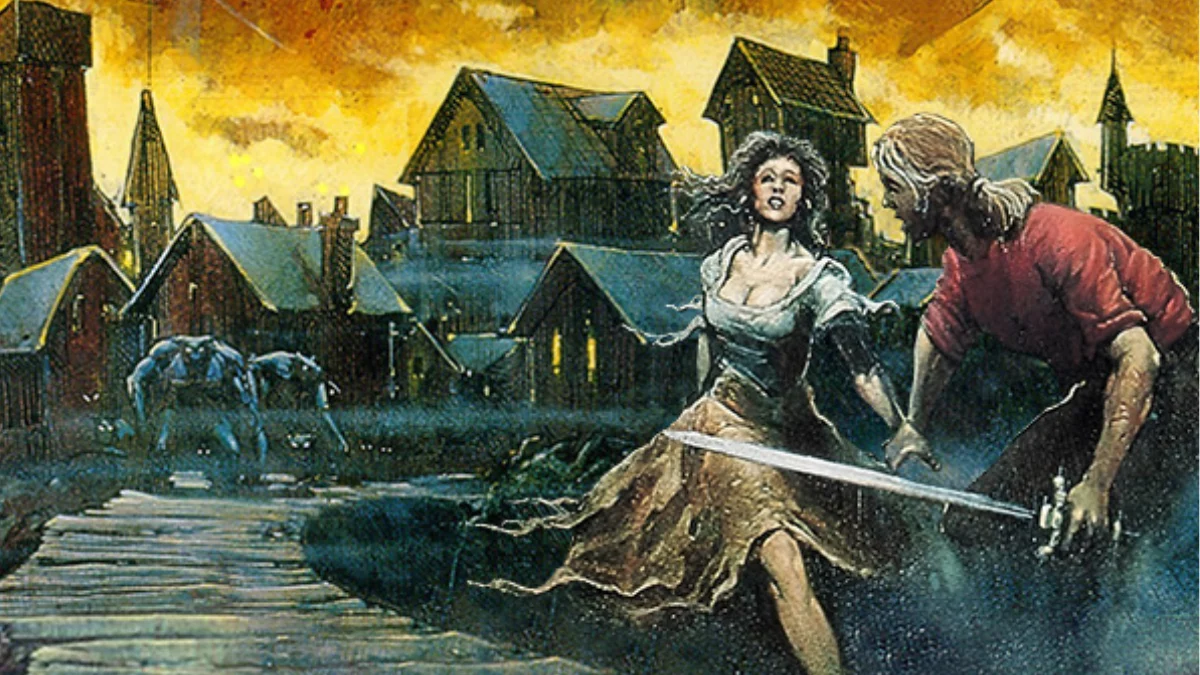
For anyone who thumbed through the dog-eared pages of PC gaming magazines in the mid-1990s, the name Ecstatica likely triggers a very specific, surreal memory. It wasn’t just another survival horror title attempting to emulate the success of Alone in the Dark; it was a technical anomaly, a bizarre experiment in geometry, and a cult classic that defined an era of "anything goes" PC development.
After decades of digital purgatory, developer and publisher SNEG has announced that Ecstatica (1994) and its sequel, Ecstatica II (1997), are finally returning to modern storefronts. This revival is part of a larger, ambitious preservation effort by SNEG, which is bringing a suite of forgotten classics—including Pool of Radiance: Ruins of Myth Drannor, Dark Earth, Warlords IV: Heroes of Etheria, and Soldiers at War—to Steam and GOG.
The Genesis of an Ellipsoid Engine
To understand why Ecstatica warrants such excitement, one must look at the technical landscape of 1994. The industry was obsessed with the transition from 2D sprites to 3D polygons. However, the hardware of the time struggled to render human figures without them appearing as jagged, robotic collections of triangles.
Enter Andrew Spencer, a London-based developer who decided that if he couldn’t make polygons look human, he would simply bypass them entirely. Spencer built the Ecstatica engine from the ground up, utilizing ellipsoids—smooth, bulbous, three-dimensional shapes—instead of standard polygonal meshes.
The Philosophy of Organic Geometry
In a 1996 interview with Next Generation magazine, Spencer explained the logic behind his unorthodox approach: "The main advantage is the organic-looking characters. Triangles tend to make hard, robotic-looking figures, whereas ellipsoids can be used to create more rounded, human alternatives. Ellipsoids can also be more efficient because you can make a much better-looking character out of fewer shapes."
While by the standards of 2026, the characters in Ecstatica may appear less "organic" and more like a collection of melting wax figures, at the time, the effect was jarringly unique. Unlike contemporaries such as Little Big Adventure, which utilized Gouraud shading to fake a sense of roundness on sharp polygonal edges, Ecstatica’s characters were genuinely constructed from smooth, curved volumes. It was a bold aesthetic gamble that gave the game a dreamlike, almost Lynchian atmosphere that remains distinctive to this day.
A Chronology of a Cult Classic
The Ecstatica series serves as a fascinating case study in the rapid evolution of 3D gaming.
1994: The Medieval Nightmare
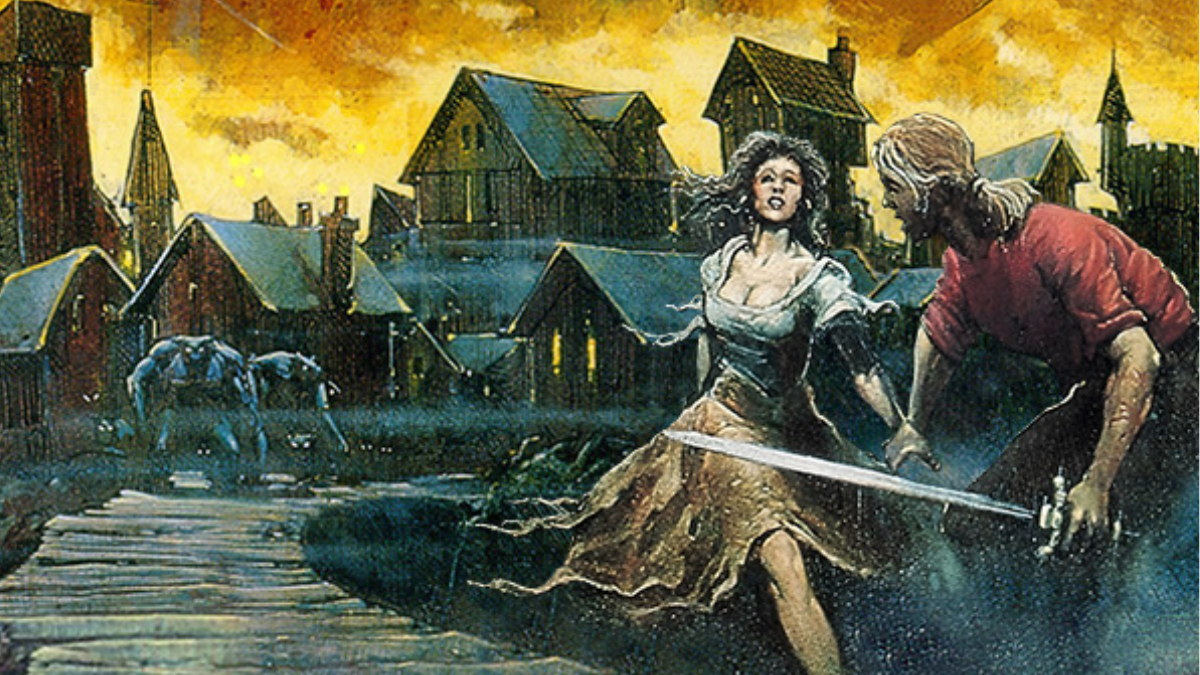
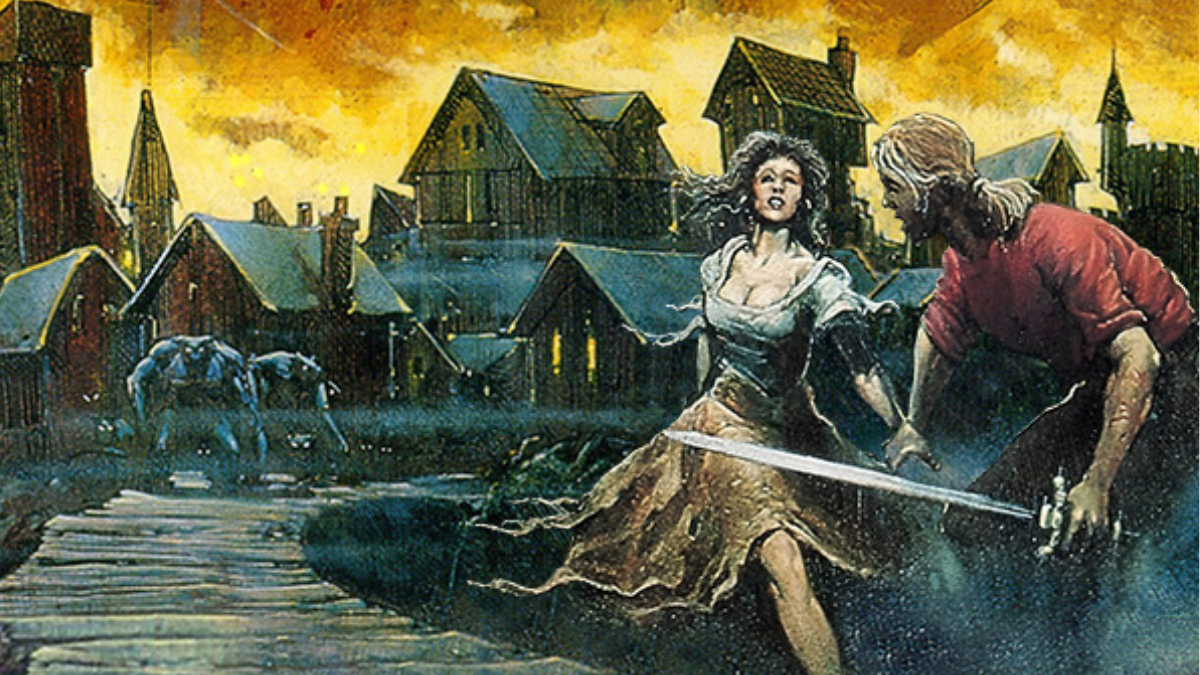
The original Ecstatica was a survival horror game set in a fictional 9th-century village. Players assumed the role of a traveler who arrives in the village of Tirich, only to find it under a demonic curse. The game was notable for its fixed camera angles, tank controls, and a brutal, oppressive atmosphere. It was a game of trial and error, famous for its "instant death" traps that rewarded meticulous exploration and punished impatience.
1997: The Refined Sequel
Ecstatica II arrived three years later, published by Psygnosis. While it retained the signature ellipsoid aesthetic, it shifted its mechanical focus. The horror elements were dialed back, replaced with a more adventure-centric gameplay loop. It felt like a more polished, albeit slightly less terrifying, iteration of the original’s vision. By this time, the industry was moving toward more complex 3D modeling, and the Ecstatica style began to look like a beautiful, isolated evolutionary dead-end.
The SNEG Preservation Initiative
The re-release of these titles is part of a wider trend in the industry: the corporate-led preservation of "abandonware." For years, Ecstatica existed only on illicit download sites or in the dusty attics of collectors who still possessed original floppy disks.
SNEG’s current slate of reissues highlights a diverse cross-section of PC gaming history:
- Pool of Radiance: Ruins of Myth Drannor (2001): A divisive yet deeply ambitious Dungeons & Dragons RPG that serves as a time capsule for turn-based tactical combat at the turn of the millennium.
- Dark Earth (1997): A post-apocalyptic action-adventure game that blended real-time combat with deep narrative choices, often cited as a hidden gem of the late 90s.
- Warlords IV: Heroes of Etheria (2001): The final chapter in the legendary turn-based strategy series, known for its deep hero-management systems.
- Soldiers at War (1998): A squad-level tactical simulation that predated the modern revival of the genre.
By bundling Ecstatica with these titles, SNEG is positioning these games not just as curiosities, but as vital pieces of software history that deserve to run on modern operating systems without the need for complex emulation wrappers or fan-made patches.
Implications for Modern Players: Why Return to the Past?
It is fair to ask: how will Ecstatica hold up for a modern audience?
If one approaches Ecstatica expecting the fluid traversal of a modern action game, disappointment is inevitable. The game is a product of its time—it is stiff, unforgiving, and burdened by the camera constraints that were standard in the mid-90s. The puzzles are often opaque, and the tank controls can feel like wrestling with a ghost.
However, the value of Ecstatica in 2026 lies in its historical significance and its aesthetic bravery. It is an artifact of a time when a single developer could build a proprietary engine that looked like nothing else on the market. It represents a "road not taken"—a path where organic, curved geometry could have been the standard for 3D character design, had the industry not standardized around the efficiency of the triangle.
The "Torment" as an Experience
For the modern player, the "torment" of the controls is part of the experience. It forces a slower, more deliberate pace that actually complements the game’s horror elements. When you are fighting against the controls, the vulnerability of your character increases, making the demonic threats feel more significant.
Furthermore, seeing the ellipsoid art in motion at higher resolutions is a visual experience that defies easy description. It is haunting, surreal, and utterly unlike the hyper-realistic graphics that dominate the current market.
Conclusion: The Importance of Keeping History Alive
The resurrection of Ecstatica is a triumph for game preservationists. In an industry that often treats its past as disposable, SNEG’s commitment to dusting off these forgotten titles is commendable. While the game may not be for everyone, its place in the pantheon of experimental PC gaming is secure.
Whether you are a veteran player looking to revisit the village of Tirich with a sense of nostalgic dread, or a newcomer curious about the "ellipsoid experiment," the upcoming Steam and GOG releases offer a rare chance to engage with a piece of gaming history that was almost lost to time. We are reminded that, occasionally, the most interesting games are the ones that were just a little bit too weird for their own era.

