

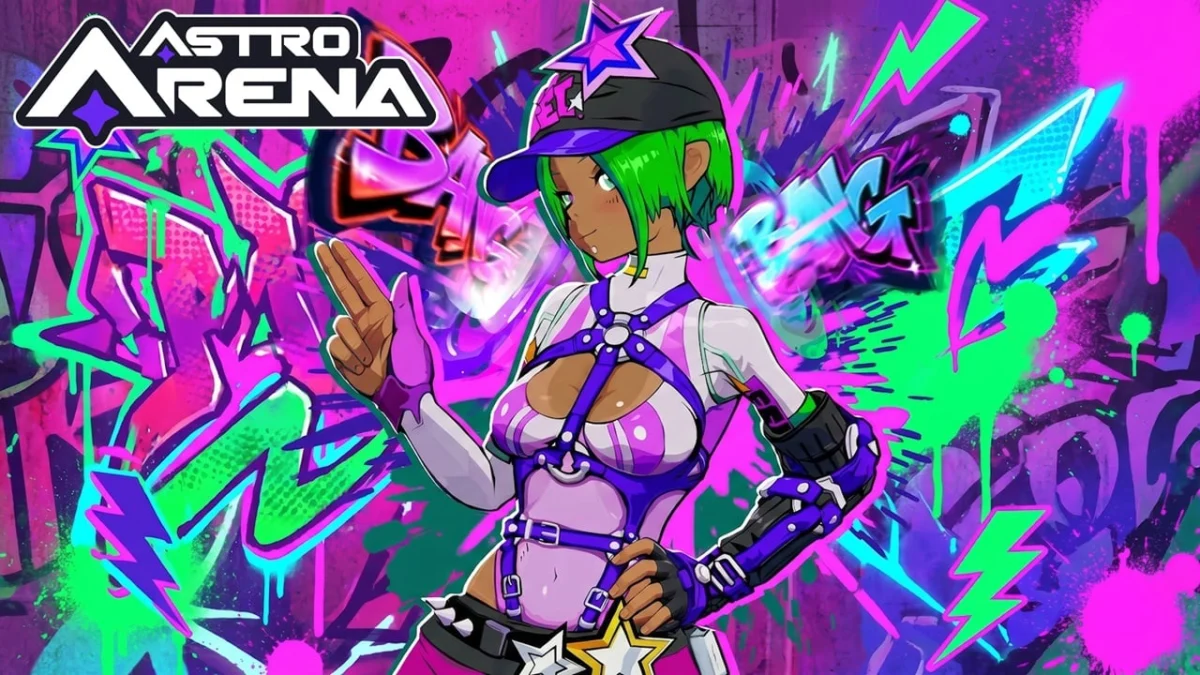
The landscape of mobile competitive gaming is undergoing a significant transformation with the arrival of Astro Arena: 3vs3 Battle PvP. Developed by PUBG Studios—the powerhouse studio under the KRAFTON umbrella—this new title represents a strategic departure from the studio’s gritty, tactical roots in PUBG: Battlegrounds. Instead, Astro Arena embraces a vibrant, anime-inspired aesthetic, blending the strategic depth of a Multiplayer Online Battle Arena (MOBA) with the visceral, high-velocity pacing of modern arcade action.
Designed specifically for the mobile-first generation, Astro Arena promises to redefine the "snackable" gaming experience, with matches engineered to conclude in approximately five minutes. By combining roguelike progression elements with traditional team-based combat, KRAFTON is positioning this title as a serious contender in the hyper-competitive mobile arena space.
The Core Mechanics: Merging MOBA Strategy with Roguelike Chaos
At the heart of Astro Arena lies a gameplay loop that defies the static nature of traditional MOBAs. While players are accustomed to rigid character builds and predictable power curves, Astro Arena introduces dynamic, match-based progression.
The Roguelike Power-Up System
As a match progresses, players are presented with randomized "roguelike" power-ups. These ability choices are not merely incremental stat boosts; they are transformative upgrades that can fundamentally alter a hero’s playstyle. A defensive Tank might suddenly find themselves equipped with high-mobility kits, or a long-range Damage Dealer could pivot into a crowd-control specialist mid-match. Because these ability pools shift from round to round, the tactical meta is in a constant state of flux, demanding that players remain adaptable rather than relying on a singular, static strategy.
Hero Synergies and Team Composition
The game features a diverse roster of anime-styled heroes, categorized into classic archetypes: Tanks, Damage Dealers, and Supporters. The depth of the game lies in the "nasty synergies" that emerge when players coordinate their team compositions. Whether it is combining a Support hero’s healing tether with a Tank’s area-of-effect damage reduction, or timing crowd-control abilities to set up a Damage Dealer’s ultimate, the ceiling for team-based tactical coordination is exceptionally high.
Chronology of the Launch and Content Roadmap
The release of Astro Arena was not a soft launch, but a full-scale deployment featuring a robust suite of game modes and a comprehensive seasonal framework.
Launch-Day Game Modes
The developers have provided a wide variety of ways to engage with the title, categorizing them into four primary 3v3 PvP pillars:
- Energy Stone Rush: A resource-collection objective mode that forces teams to balance aggression with map control.
- Team Deathmatch: A classic, high-octane engagement mode focusing on raw combat efficiency.
- Zone Control: A territory-based mode that emphasizes defensive positioning and team coordination.
- Boss Raid: A unique twist on the 3v3 format, pitting teams against environmental challenges.
Beyond these primary modes, the launch includes additional experimental formats such as Monster Hunt, Duo Battle Royale, and the high-stakes 3v3 Team Escape. KRAFTON has confirmed that this is merely the starting point, with a roadmap currently in development to introduce additional modes that expand upon the game’s core physics and combat systems.
The Frontier Season 1: Vermilion Desert
The launch coincides with the kickoff of "Frontier Season 1," titled Vermilion Desert. This season serves as a narrative anchor for the game, inviting players to uncover the backstory of the character Skull, while also introducing the highly coveted "Hyper Pulse Skull" Ultimate skin.
Simultaneously, the Neon Syndicate Season Pass is now live. This progression track offers a tiered rewards system, granting players exclusive character skins, currency, and growth resources. The introduction of such a comprehensive seasonal structure signals KRAFTON’s intent to maintain a high retention rate through consistent, time-limited content drops.
Supporting Data and Promotional Ecosystem
KRAFTON is employing a multi-faceted promotional strategy to incentivize player adoption during the critical first month of the game’s lifecycle.
Limited-Time Promotions
To capture early interest, the studio has implemented a "First Purchase Event" and a "Limited-Time Ultimate Battle Pass" promotion, both running until August 6th.
- The Ultimate Battle Pass: This pass features the "Street Groove Fei" skin as its crown jewel, accompanied by a bounty of character tokens and Wonder Stones.
- The First Purchase Incentive: By making any initial purchase, players unlock the character Fran. Furthermore, a three-day login streak completes the set, providing the "Disco Fran" skin, alongside a custom profile frame and icon, effectively incentivizing daily engagement immediately post-download.
- Street Boss Olga Event: Beyond paid incentives, the game offers a mission-based reward track. By completing a series of specific combat objectives before August 6th, players can earn the exclusive "Street Boss Olga" skin, ensuring that free-to-play users have meaningful goals to work toward.
Official Responses and Strategic Implications
While KRAFTON has remained relatively tight-lipped regarding specific technical metrics, the release of Astro Arena underscores a broader strategic pivot within the company. PUBG Studios, once synonymous with the "Battle Royale" genre, is clearly diversifying its portfolio to capture the younger demographic that favors the stylized, fast-paced combat found in titles like Brawl Stars or Pokémon Unite.
Market Positioning
By entering the 3v3 mobile space, KRAFTON is attempting to leverage its expertise in high-fidelity mobile performance to create a "polished" alternative to existing arcade-brawlers. The inclusion of roguelike elements is a clever attempt to solve the "boredom factor" that often plagues shorter matches. If the game successfully captures the interest of the mobile esports community, it could provide KRAFTON with a new pillar of revenue that is less dependent on the tactical, long-form Battle Royale genre.
Technical Performance and Accessibility
Astro Arena is currently available as a free-to-play title via the Google Play Store. The technical implementation—focusing on five-minute matches—suggests an optimization strategy geared toward players with limited time, such as commuters or those looking for short, high-intensity gaming sessions. The decision to lead with a strong, character-focused aesthetic suggests that KRAFTON is banking on character personality and "skin culture" to drive long-term monetization.
Implications for the Mobile Gaming Industry
The launch of Astro Arena serves as a litmus test for the industry. It asks a fundamental question: can a traditional studio successfully transplant the "PUBG DNA" of polished gunplay and team coordination into a stylized, arcade-focused environment?
The Shift Toward "Snackable" Esports
If Astro Arena succeeds, it will likely accelerate the industry trend toward shorter, more frequent, and highly randomized competitive cycles. The traditional 30-minute MOBA match is becoming increasingly difficult to maintain in a mobile environment where attention spans are fragmented. By forcing players to adapt to randomized power-ups within a five-minute window, KRAFTON is essentially creating a "speed-run" version of the MOBA experience.
Future Outlook
As the community begins to explore the nuances of the Vermilion Desert season, the focus will undoubtedly shift to balance. The roguelike power-up system is notoriously difficult to balance; one bad iteration of randomized abilities can ruin the competitive integrity of a match. KRAFTON’s ability to patch and tune these ability pools in real-time will be the true measure of the game’s longevity.
For now, Astro Arena stands as an ambitious project that balances the need for mass-market appeal with the depth required to sustain a dedicated player base. As the August 6th deadline for the current promotional events approaches, the initial influx of players will provide the developers with the necessary data to begin the first round of major balance updates and meta-adjustments.
Whether Astro Arena becomes the next household name in mobile gaming or serves as a cautionary tale of shifting genres, it is undeniably one of the most significant mobile releases of the year. Players interested in experiencing the fast-paced, neon-drenched combat firsthand can download the title via the official Google Play Store.
For more updates on the latest in mobile gaming, check out our recent report on the rise of social simulation games like "Tiny Aquarium."

