

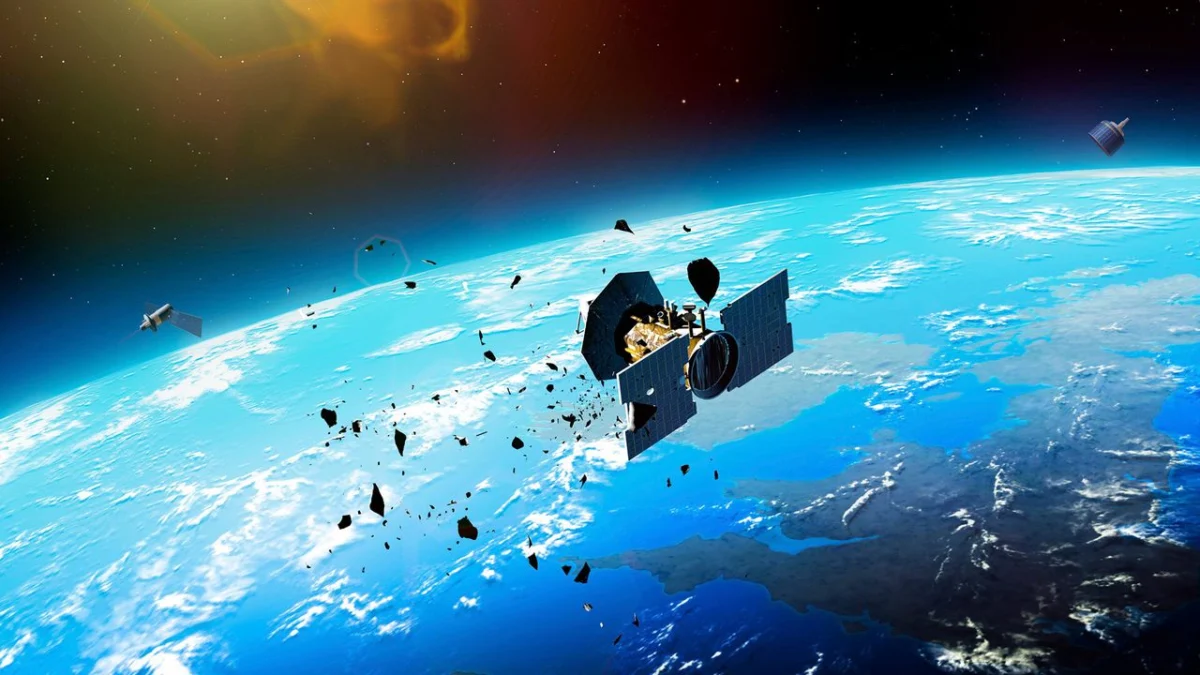
Washington D.C. – SpaceX’s ambitious Starlink project, a sprawling constellation of satellites designed to deliver global internet access, is facing a growing challenge: managing the end-of-life for thousands of its orbital units. A recent semi-annual report submitted to the Federal Communications Commission (FCC) earlier this month has shed light on the company’s extensive satellite disposal operations, revealing both past activities and future projections for de-orbiting. While SpaceX asserts its method of atmospheric incineration leaves no trace, the sheer scale of these operations is sparking intensifying calls for environmental scrutiny and regulatory action.
The report confirms that SpaceX anticipates the controlled de-orbiting and intentional vaporization of 260 Starlink satellites between December 2025 and May 2026. This upcoming wave of disposals will see 176 first-generation Starlink units and the remainder from the newer second-generation constellation plunge into Earth’s atmosphere, designed to burn up completely. Furthermore, an additional 349 satellites are noted as having been decommissioned within that same December 2025 to May 2026 timeframe and are slated for disposal in the months following. These planned activities build upon previous efforts, as the report also indicates that a substantial 472 Starlink satellites were removed from orbit between December 2024 and May 2025, underscoring the continuous nature of this orbital cleanup.
The Relentless Cycle of Orbital Maintenance: Chronology of Decommissioning
SpaceX’s Starlink network currently operates with over 10,000 satellites actively orbiting Earth, making it by far the largest commercial constellation. This immense infrastructure is central to the company’s vision, which includes future expansions like Starlink Mobile, aiming to provide satellite internet directly to mobile phones with enhanced 5G-like speeds and vastly increased data density. However, the operational life of each of these advanced spacecraft is intentionally limited to approximately five years. This relatively short lifespan is a strategic design choice, allowing for continuous technological upgrades and the swift replacement of older models with newer, more capable versions.
When a Starlink satellite reaches the end of its operational life, typically due to fuel depletion or technological obsolescence, it is not simply abandoned in orbit. Instead, it is programmed to execute a controlled de-orbit maneuver. Utilizing its remaining propellant, the satellite lowers its altitude, initiating a controlled descent into Earth’s upper atmosphere. The extreme friction encountered during this plunge generates immense heat, designed to completely incinerate the spacecraft. SpaceX maintains that this process results in the 100% vaporization of the satellite, leaving no harmful debris to fall to the Earth’s surface or contribute to the growing problem of space junk.
Given the staggering size of the constellation and its planned expansion, the decommissioning process is a perpetual undertaking. The rate of disposal is so high that Starlink reportedly de-orbits multiple satellites on a daily basis. The numbers confirmed in the latest FCC filing — 260 projected for future disposal and 472 documented from a recent past period — illustrate the sheer volume of material being intentionally removed from low-Earth orbit (LEO).
The physical characteristics of these satellites further emphasize the scale of this operation. First-generation Starlink units weigh approximately 573 to 650 pounds (260 to 295 kg). The second-generation satellites, however, are considerably larger and heavier, ranging from 1,764 to 2,756 pounds (800 to 1,250 kg). The company states that physically retrieving these decommissioned satellites from orbit is both technically impractical and financially unviable, making atmospheric incineration the preferred and currently utilized method. This approach, while efficient for debris mitigation in orbit, is the crux of the emerging environmental debate.
Supporting Data: Starlink’s Unprecedented Scale and Ambition
SpaceX’s long-term objective for Starlink is truly ambitious: a multi-phased deployment plan that could eventually see up to 42,000 satellites populating low-Earth orbit. This vision is steadily progressing, with the FCC having already granted approval for an additional 7,500 Starlink Gen2 satellites in January, significantly expanding the authorized constellation size.

The technological sophistication of these satellites is also rapidly evolving. Beyond merely providing internet access, SpaceX has unveiled plans for its cutting-edge A1 satellite orbital data centers, designed to incorporate a formidable 120 kW compute payload directly into space. To support this next generation of space infrastructure, the company is constructing an enormous 11-million-square-foot Gigasat manufacturing facility. This colossal factory is envisioned to produce space-based data centers at an unprecedented rate, aiming for a remarkable 1 GW per year of space AI compute capability by late 2027 from its orbital platforms.
This relentless drive for expansion and technological innovation underscores why the efficient, albeit controversial, disposal of older satellites is crucial. Without a robust and continuous decommissioning strategy, the sheer volume of objects in LEO could rapidly lead to a scenario known as the Kessler Syndrome – a cascading chain reaction of collisions that would render certain orbital altitudes unusable for generations. SpaceX’s active de-orbiting strategy is, in part, a preventative measure against such a catastrophic outcome, demonstrating a commitment to responsible orbital management even as it pushes the boundaries of space commercialization.
Official Responses and the Brewing Regulatory Storm
SpaceX’s official position on its disposal method is clear: controlled atmospheric re-entry and complete incineration ensure that no debris remains in orbit and nothing falls to Earth. The company emphasizes the "100% vaporization" of its spacecraft as a key benefit, contrasting it with the risks posed by uncontrolled re-entries or the lingering presence of inactive satellites. The argument that retrieval is economically and technically infeasible further solidifies their reliance on this method.
However, this approach, particularly its environmental implications, has not gone unchallenged. Researchers and environmental advocates have voiced increasing concerns, urging for more comprehensive studies and robust regulations on the atmospheric effects of these frequent incinerations. The core of the debate centers on what happens to the materials that make up these satellites – primarily aluminum and other metals – when they burn up in the upper atmosphere. While no large pieces reach the ground, the release of metallic particles, aerosols, and other combustion byproducts into the stratosphere is a largely unstudied phenomenon at this scale.
The regulatory framework governing space activities, particularly concerning environmental impact, is currently underdeveloped. The FCC, the primary US regulator for commercial space operations, has historically excluded satellites from environmental reviews under the National Environmental Policy Act (NEPA). This exemption has reportedly stemmed from concerns that imposing environmental regulations could impede the pace of the burgeoning space race, potentially disadvantaging US companies.
Adding fuel to this debate, the FCC is officially proposing to solidify this exclusion, arguing that "space-based operations be excluded from NEPA because they are ‘extraterritorial activities’ with effects located entirely outside of the jurisdiction of the United States." This proposal has drawn sharp criticism from various scientific and environmental groups, who contend that the Earth’s atmosphere, where these incinerations occur, is undeniably within the jurisdiction and environmental concern of the United States and the global community. The fate of this proposal, which could significantly shape future environmental oversight of the space industry, is still pending.
Implications: A New Frontier of Environmental Stewardship
The rapid expansion of satellite mega-constellations like Starlink and the associated increase in de-orbiting activities present a complex array of implications, particularly for environmental stewardship and the long-term sustainability of space operations.

Environmental Concerns: Uncharted Atmospheric Waters
The most pressing concern revolves around the environmental impact of depositing hundreds, and eventually thousands, of tons of incinerated satellite material into the Earth’s upper atmosphere annually. When satellites burn up, their metallic components – predominantly aluminum, but also titanium, copper, and other elements – are converted into fine particles, primarily aluminum oxide (alumina), and other aerosols. These particles are released into the mesosphere and stratosphere, regions that are typically pristine and play crucial roles in atmospheric chemistry and climate regulation.
- Stratospheric Pollution: Scientists are investigating whether these newly introduced aerosols could contribute to stratospheric pollution. Analogies are sometimes drawn to the effects of rocket exhaust, which also deposits fine particles, but the continuous, high-volume nature of satellite incineration is unprecedented.
- Ozone Depletion: Aluminum oxide particles could potentially catalyze chemical reactions that deplete the ozone layer, which protects Earth from harmful ultraviolet radiation. While current studies are nascent, the long-term cumulative effect of widespread alumina deposition is a significant unknown.
- Climate Impact: Stratospheric aerosols can influence Earth’s radiation balance by reflecting or absorbing sunlight. While some geoengineering proposals have explored injecting aerosols into the stratosphere to cool the planet, the uncontrolled and potentially varied composition of satellite incineration byproducts could have unforeseen climatic consequences.
- Astronomical Observations: The presence of increased atmospheric haze or persistent metallic layers could potentially interfere with ground-based astronomical observations, adding another layer of light pollution to an already challenging environment for stargazers.
The lack of comprehensive, peer-reviewed studies on the precise chemical and physical impacts of these re-entry byproducts at the scale envisioned by Starlink is a critical gap. Researchers are calling for urgent, independent scientific investigations to understand these potential long-term effects before the scale of operations grows even larger.
The "Space Race" vs. Sustainability Dilemma
The debate over Starlink’s disposal methods highlights a fundamental tension: the accelerating "space race" driven by technological innovation and the demand for global connectivity, versus the imperative for environmental sustainability in a newly accessible frontier. The economic benefits and societal advantages of widespread satellite internet are undeniable, promising to bridge digital divides and foster new industries. However, this progress must be balanced against the potential for irreversible environmental damage or the creation of an unusable orbital environment.
The FCC’s cautious approach to environmental regulation, prioritizing the pace of the space industry, reflects this dilemma. Yet, the argument that space is "extraterritorial" and thus outside environmental jurisdiction is increasingly untenable in an interconnected world where atmospheric effects transcend national borders. The global nature of the problem demands international cooperation and the development of universally accepted standards for space debris mitigation and atmospheric protection.
The Future of Space Debris Management
SpaceX’s commitment to active de-orbiting is a vital step in mitigating the immediate threat of space debris in LEO, preventing the growth of "killer fields" of junk. However, the environmental concerns associated with the chosen disposal method point to the need for further innovation in end-of-life satellite design and management.
- Design for Demise: Future satellites could be engineered with materials that burn up more cleanly or completely, minimizing harmful atmospheric residues. This "design for demise" philosophy is gaining traction within the space industry.
- Active Debris Removal (ADR): While currently cost-prohibitive for individual satellites, advancements in ADR technologies could eventually offer alternative or supplementary methods for removing defunct spacecraft, potentially allowing for material recovery or more controlled disposal.
- International Regulatory Frameworks: The current patchwork of national regulations and voluntary guidelines is insufficient for addressing the global challenge of space sustainability. A robust international framework, possibly building on existing treaties like the Outer Space Treaty, is needed to set binding standards for satellite design, operation, and disposal, including environmental impact assessments.
The Starlink constellation represents a marvel of modern engineering and a transformative leap in global connectivity. However, its immense scale also casts a long shadow, forcing humanity to confront the environmental consequences of our expanding presence in space. The ongoing dialogue between industry, regulators, and the scientific community is crucial to navigating this new frontier responsibly, ensuring that the benefits of space exploration and utilization do not come at an unacceptable cost to our planet. As thousands more satellites are launched and decommissioned in the coming years, the need for proactive policy, transparent scientific inquiry, and a holistic understanding of Earth-space interactions will only intensify.

