

In an industry currently obsessed with the pursuit of technical polish, 60-frame-per-second stability, and the relentless elimination of "friction" from user experience, Sandfall Interactive’s Clair Obscur: Expedition 33 stands as a deliberate act of defiance. The game, a stunning fusion of turn-based tactical depth and high-octane action, has garnered significant acclaim not for its clinical precision, but for its raw, unfiltered personality.
For many players, Clair Obscur is a triumph—an inventive, emotionally devastating romp that features an ending capable of leaving a player’s psyche in tatters. Yet, in the eyes of its creator, the game’s greatest strength isn’t its narrative climax or its painterly aesthetics; it is the presence of its own imperfections. By embracing what the gaming community often dismisses as "jank," Sandfall Interactive has sparked a broader conversation about whether the industry’s current trend toward "perfect" games is actually stripping the medium of its soul.
The Philosophy of the Imperfect
In a recent, wide-ranging interview with the French YouTube channel Konbini, Creative Director Guillaume Broche offered a refreshing take on game design. When asked about the pressures of modern development, Broche argued that the quest for a "perfect" game is not only futile but inherently detrimental to the player experience.
Broche cited iconic, albeit notoriously flawed, moments in gaming history to illustrate his point—most notably the meme-worthy, melodramatic delivery of Dante’s line in Devil May Cry: "I should’ve been the one to fill your dark soul with light!" For Broche, such moments are not failures of design; they are the "scars" that make a game memorable.
"I think these games are really endearing," Broche remarked during the interview. "You see their flaws and think to yourself, ‘Yeah, it’s lame, but I don’t care.’ It’s part of the character’s flaws, and that’s what makes them. You’re not looking for a perfect game. A perfect game is boring, anyway."
Chronology of a Design Rebellion
The development of Clair Obscur: Expedition 33 was marked by a series of high-risk design decisions that challenged conventional wisdom. Early in the project’s lifecycle, the team at Sandfall Interactive faced skepticism from industry peers and business consultants alike.
- The Conceptual Phase: The studio set out to create a genre-bending experience that reconciled the slow, deliberate nature of turn-based RPGs with the twitch-reflex demands of modern action titles.
- The "No-One Will Like It" Phase: During pre-release feedback rounds, consultants warned the team that layering complex dodging and parrying mechanics onto a traditional turn-based structure was a recipe for disaster. The consensus was that players would find the game too divisive.
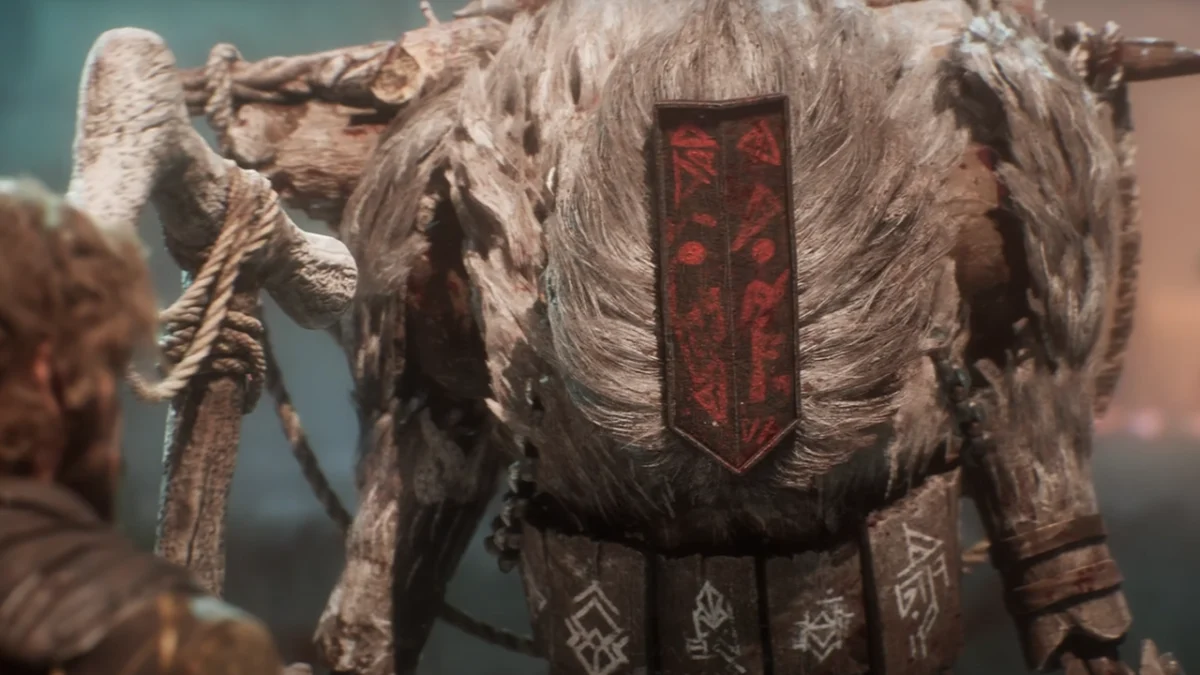
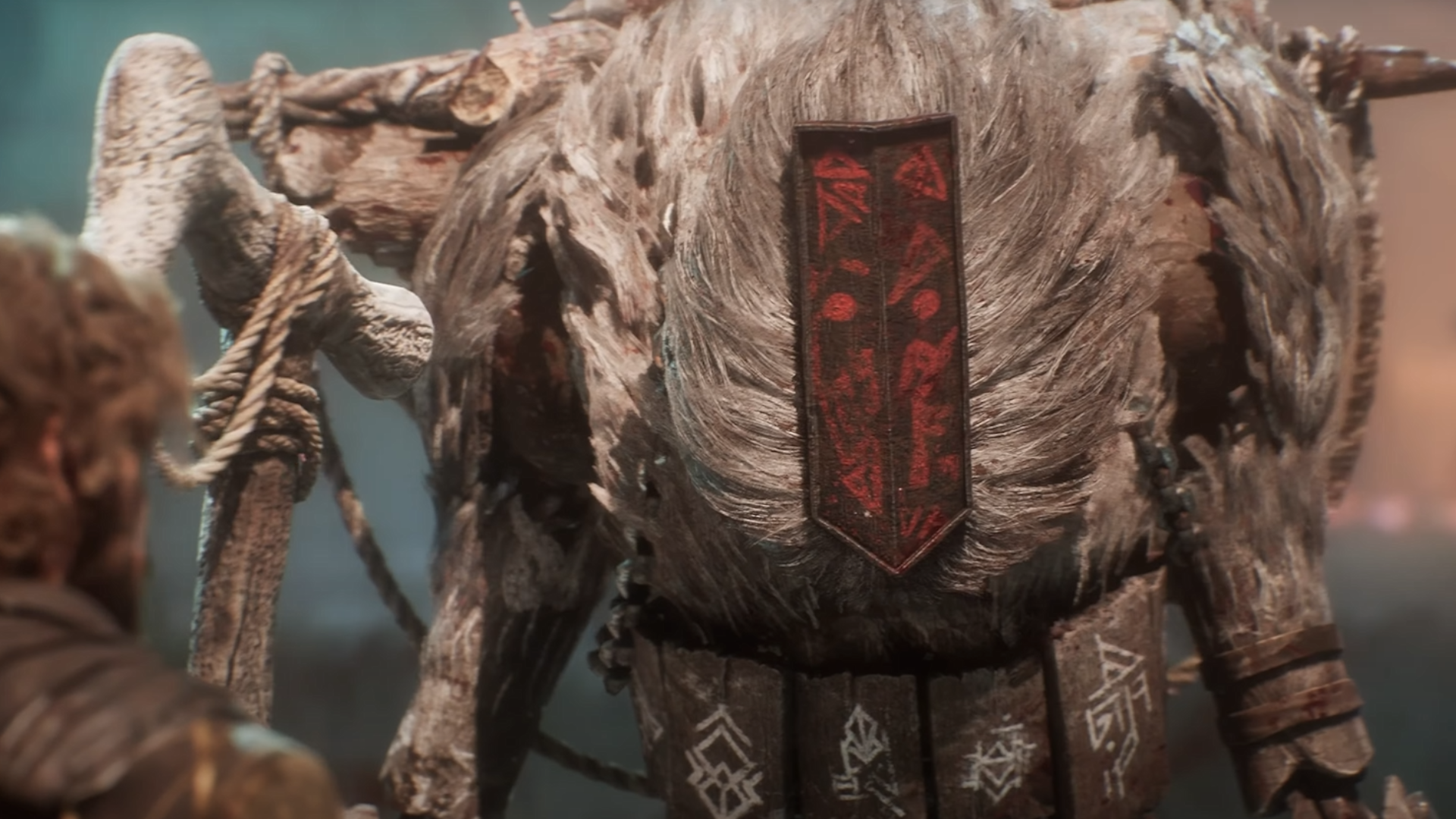
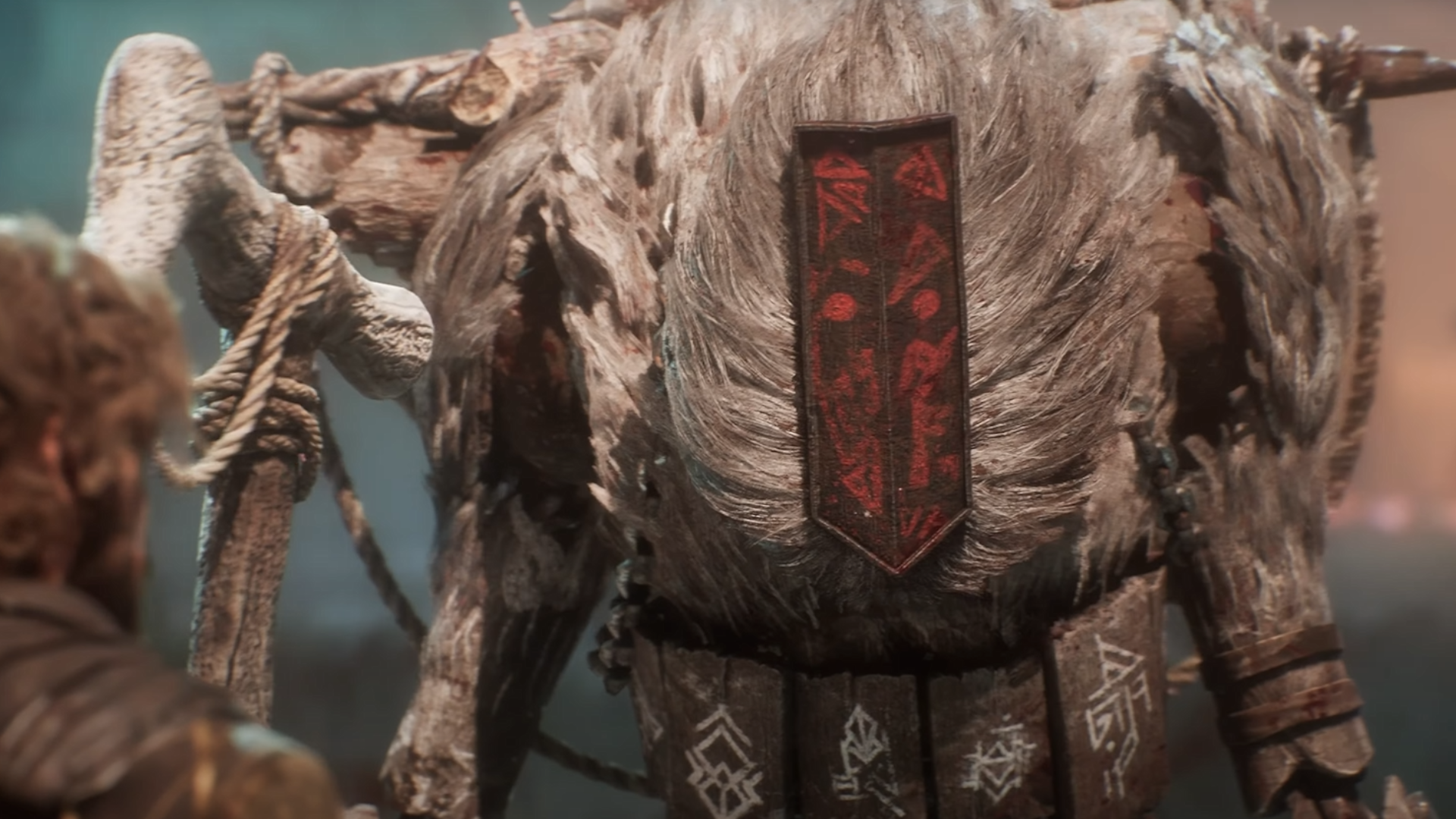
- The Implementation Phase: Rather than smoothing over these "pain points," the developers leaned into them. They introduced intentionally difficult minigames—such as the infamous mimes—that were designed to frustrate and challenge the player, forcing them to engage with the game’s mechanics on a deeper, albeit more irritating, level.
- The Launch: Upon release, the game polarized audiences exactly as predicted, yet it found a devoted following among players who appreciated the challenge and the refusal to hold the player’s hand.
Embracing "Eurojank" as a Design Aesthetic
The term "Eurojank" has long been a double-edged sword in the gaming lexicon. Historically used to describe ambitious, often buggy, but deeply creative role-playing games emerging from European studios, the term is increasingly being reclaimed as a badge of honor.
Broche’s philosophy aligns perfectly with this movement. His theory suggests that games are like people: those who strive for perfection often lack distinct personality, while those who embrace their quirks become the ones we remember. By keeping the "unbearable" minigames and the unconventional combat loops, Sandfall Interactive successfully preserved the game’s unique "voice."
"With Clair Obscur, there are plenty of design decisions that are fundamentally flawed," Broche admitted. "We knew when we were making them: it was going to be unbearable, people were going to lose it, but it’s part of the fun. We thought it was funny. And, well, it’s imperfect, but whatever—we’re putting it in."
Supporting Data: The Player Response
While the game’s design choices were technically "non-optimal" from a commercial standpoint, the reception suggests that the gaming public is hungry for experiences that deviate from the homogenized standard.
The success of Clair Obscur—and the enduring popularity of other "janky" classics like the Gothic series—points to a shift in consumer demand. Players are increasingly weary of "corporate" game design, where every edge is sanded down by data analytics to ensure maximum mass-market appeal.
Data from community forums and player reviews indicate that:
- Engagement Levels: Players who master the game’s complex, often unforgiving combat systems report higher levels of satisfaction than those playing more "streamlined" RPGs.
- Community Sentiment: Discussions surrounding the game’s "frustrating" elements, such as the mime encounters, have created a shared cultural touchstone, driving social media engagement and long-term interest.
- Critical Reception: Despite the design risks, critics have largely lauded the game for its bold artistic vision, proving that innovation often requires the willingness to fail.
The Implications for Future Game Development
What does this mean for the future of the AAA industry? The implications are profound. If creative directors like Guillaume Broche continue to successfully push back against the "perfection trap," we may see a resurgence in games that feel more human and less like products manufactured by committee.
1. The Death of the "Safe" Game
Studios that insist on removing every potential source of player frustration may find themselves struggling to maintain relevance. In a market flooded with content, "safe" games are easily forgotten, while games that elicit strong, even negative reactions, tend to stay in the public consciousness.
2. A Re-evaluation of "Polish"
There is a difference between a game being broken and a game being difficult or eccentric. The industry must learn to distinguish between technical incompetence and intentional design friction. Clair Obscur demonstrates that when "jank" is used as a narrative or mechanical tool, it elevates the experience rather than diminishing it.
3. The Rise of the "Targeted" Experience
As Broche noted, Clair Obscur was designed for a specific type of player—the parry-fanatic, the RPG-purist, the lover of dark, soul-crushing narratives. By targeting this niche rather than the "average" player, the game achieves a level of intensity that is rarely found in broader, more generic titles.
Conclusion: Why We Need More "Lame" Moments
The irony of the current gaming landscape is that in our quest for high-fidelity graphics and seamless, bug-free gameplay, we have accidentally created a feedback loop of sterile, uninspired experiences.
Guillaume Broche’s manifesto for Clair Obscur: Expedition 33 serves as a vital reminder: the imperfections are the point. Whether it’s a clunky menu, a frustrating minigame, or a melodramatic line of dialogue, these moments prove that there is a human hand guiding the experience.
As the industry moves forward, it is essential that we continue to support developers who are willing to be "lame" in the name of creativity. After all, if a perfect game is truly a boring one, then it is the flawed, the broken, and the "janky" titles that will ultimately define the future of gaming. Sandfall Interactive hasn’t just made a game; they’ve made a statement that humanity is worth more than efficiency.

