

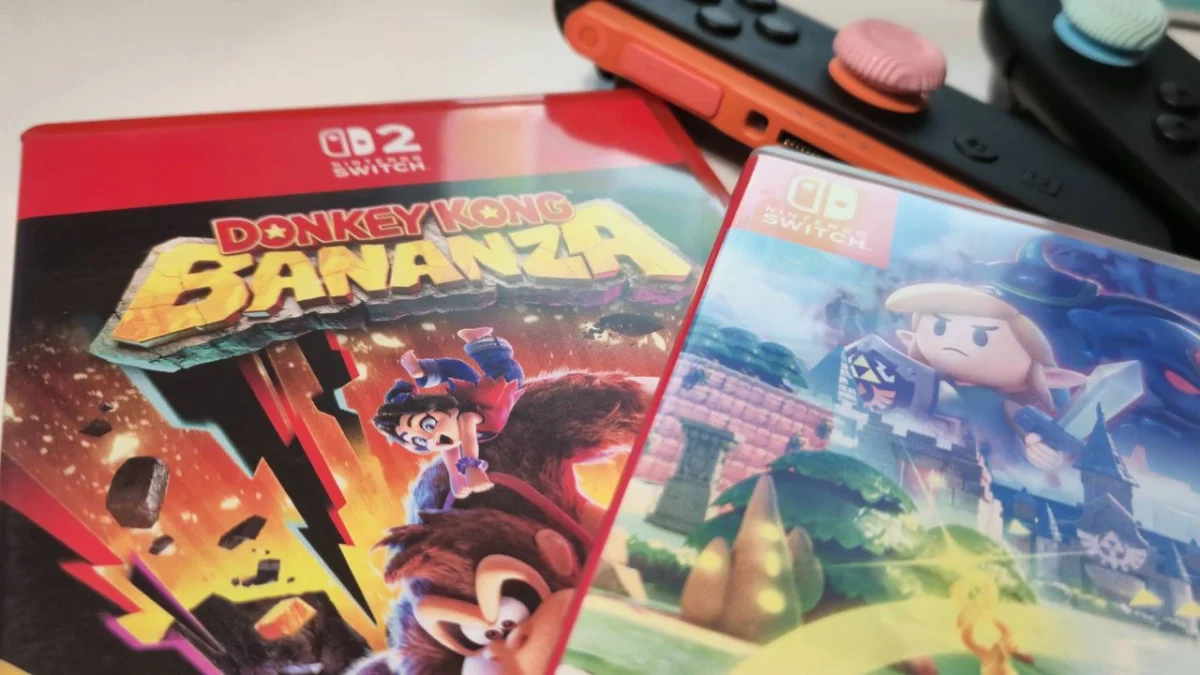
The landscape of video game distribution is undergoing its most seismic shift since the transition from cartridges to optical media. In a move that has sent shockwaves through the industry, Sony Interactive Entertainment has announced that it will cease the production of physical game discs for its PlayStation ecosystem by 2028. Starting in January 2026, the company will pivot exclusively to digital distribution for all new titles across the PlayStation 4, PlayStation 5, and the anticipated future iterations of the platform.
This decision marks the end of an era, effectively closing the door on the traditional retail experience that has defined the medium for decades. As the industry grapples with this paradigm shift, the consequences for game preservation, consumer ownership, and the future strategies of competitors like Nintendo and Microsoft are becoming a focal point of intense global debate.
A Chronology of the Digital Transition
To understand the gravity of Sony’s announcement, one must look at the gradual erosion of physical media over the last two decades. The transition was not an overnight occurrence but rather a systematic move driven by shifting consumer habits and the convenience of high-speed broadband.
- 2010–2015: The Infrastructure Foundation: As digital storefronts like the PlayStation Store, Xbox Live, and Steam matured, developers began utilizing digital patches to fix day-one bugs. This diminished the "complete" nature of a physical disc.
- 2020: The Pandemic Accelerator: The COVID-19 pandemic forced retail closures globally, pushing millions of players toward digital storefronts. Digital sales figures surged, signaling to executives that the convenience of instant, at-home access was highly valued.
- 2024: The Strategic Pivot: Internal metrics at Sony reportedly showed that the consumer preference for digital media had significantly outpaced physical distribution. By early 2024, the internal roadmap for the 2028 sunset of physical media was finalized.
- 2026: The Hard Deadline: Beginning in January, all new titles published for PlayStation platforms will be exclusively available as digital downloads, both on the PlayStation Store and through digital codes at third-party retailers.
- 2028: The Final Sunset: Production of physical discs for new software ceases entirely, marking the end of the traditional console game retail market for Sony.
The Architect’s Perspective: Shawn Layden Weighs In
Shawn Layden, the former head of PlayStation Worldwide Studios, remains one of the most respected voices regarding Sony’s strategic evolution. During his tenure, Layden was frequently questioned about the potential for an all-digital future. His consistent stance was one of caution: he refused to move toward a digital-only model until he was certain that global broadband infrastructure could provide a seamless, equitable experience for all users.
In a recent interview with Eurogamer, Layden acknowledged the weight of the current decision. He noted that while he is no longer privy to the company’s internal data, the move is symptomatic of a leader setting the tone for the entire industry. "Certainly this is an industry where if one company, particularly the leader of the industry, makes a decision of this magnitude, that’s going to heavily influence what the other ones do," Layden remarked. His comments highlight a fundamental reality of the gaming market: Sony’s move provides the "permission" for other stakeholders to follow suit, effectively turning an outlier decision into a standard industry practice.
Economic Contradictions and Market Data
Perhaps the most confounding aspect of Sony’s decision is the state of the physical market. Despite the narrative that physical media is a dying relic, the financial data tells a more nuanced story.
A recent analyst report highlighted that, contrary to the expectation of a terminal decline, spending on physical video games in the United States actually grew over the last 12-month period. Consumers spent approximately $1.6 billion on physical media within the US alone. This growth, however small, indicates a persistent and loyal customer base that values ownership, the ability to trade games, and the aesthetic appeal of a physical collection.
Industry experts suggest that this discrepancy between market performance and corporate strategy stems from the higher profit margins associated with digital sales. When a game is sold digitally, the platform holder retains a larger share of the revenue, eliminates manufacturing and distribution costs, and bypasses the secondary market of used games—a lucrative ecosystem that has long frustrated publishers.
Implications for Nintendo and Microsoft
The ripple effects of this decision are already being felt in Redmond and Kyoto.
Microsoft’s Position: Xbox has been increasingly vocal about its "Project Helix" initiatives, which aim to bridge the gap between console hardware and PC gaming. While Microsoft has not explicitly committed to a disc-less future, its recent hardware releases—such as the all-digital Xbox Series S—suggest a clear direction. Given their massive investment in the Xbox Game Pass subscription model, an all-digital future aligns perfectly with their ecosystem-first approach.
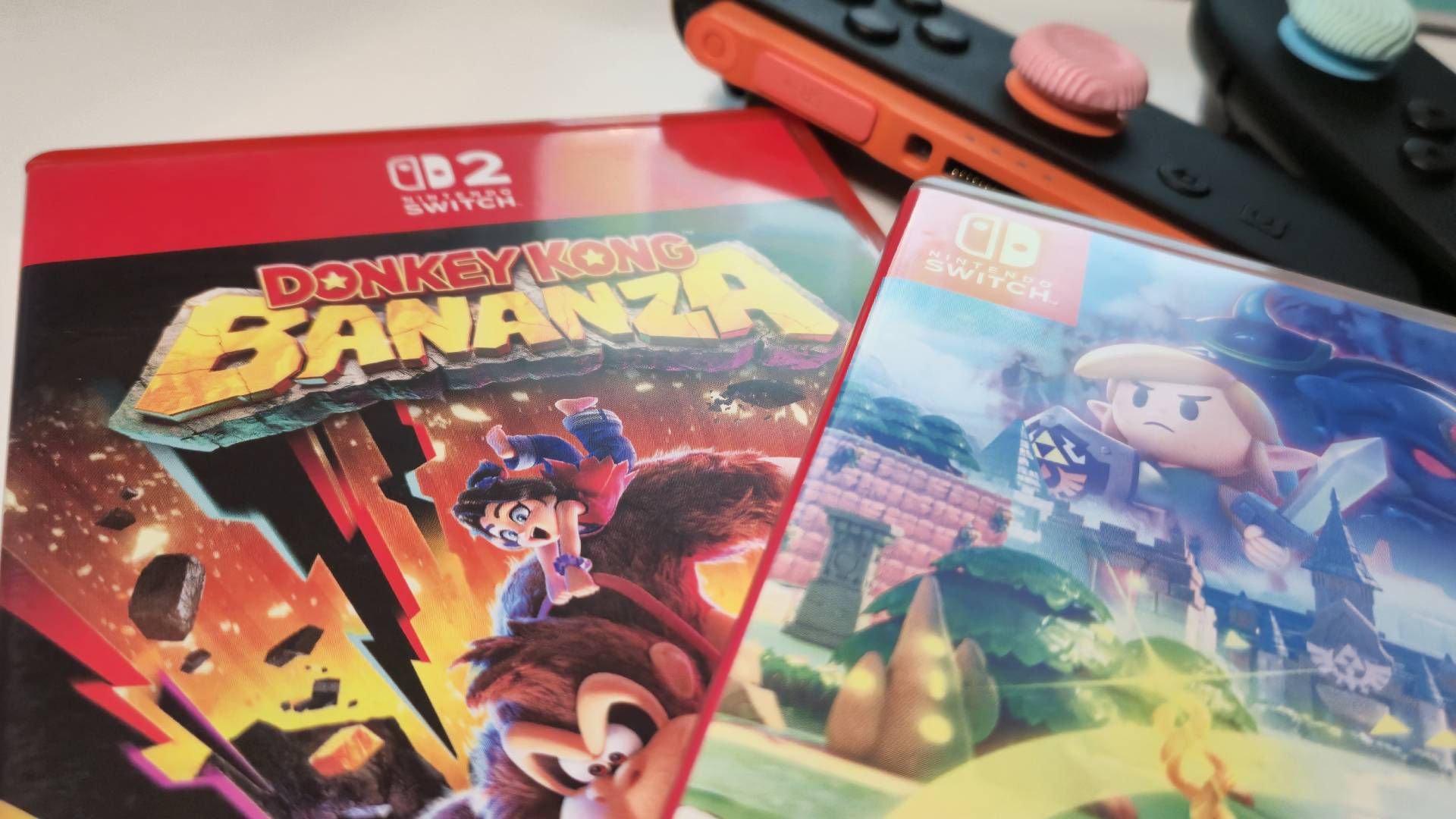
Nintendo’s Dilemma: Nintendo remains the outlier. While the company has experimented with "Game-Key Cards"—a controversial format that essentially functions as a digital license—the Nintendo Switch platform has maintained a robust physical cartridge presence. Analysts generally agree that Nintendo is unlikely to follow Sony’s lead in the immediate future. Nintendo’s business model relies heavily on a family-oriented, giftable, and collectible physical market. However, as the industry standard shifts, Nintendo may find itself under pressure to rationalize the logistical costs of maintaining a physical supply chain if the rest of the market has abandoned it.
The Preservation Crisis and Consumer Rights
Perhaps the most vocal opposition to the transition has come from game developers, preservationists, and consumer rights advocates. The transition to digital-only formats raises significant concerns regarding the longevity of gaming as a cultural medium.
When a game is tied to a digital server, it becomes subject to the whims of the publisher. If a store closes, a server is shut down, or a license expires, the game can effectively vanish, rendering it unplayable. This has led to widespread criticism from organizations dedicated to game preservation, who argue that digital-only distribution creates a "disposable" culture where the history of the medium is at the mercy of corporate bottom lines.
"Stop killing games if you don’t want piracy," a sentiment echoed by various preservation experts, highlights the tension between consumer demand and corporate policy. Without a physical fallback, the only way to ensure the long-term survival of software may eventually be through unauthorized methods, a reality that ironically places the burden of history on the very pirates companies are trying to combat.
Official Responses and Industry Backlash
The announcement has been met with significant, and in many cases, visceral, backlash. Publishers and independent developers alike have voiced concerns that the move will alienate a large segment of the global gaming audience, particularly in regions where high-speed, unlimited broadband is not yet a universal reality.
Furthermore, the "pre-owned" market, which allows millions of gamers to access titles at a lower price point, will be effectively obliterated. This change shifts the power dynamic entirely in favor of the publisher, allowing them to dictate pricing indefinitely without the competitive pressure of the second-hand market.
While Sony maintains that the shift is a response to consumer behavior, critics argue that it is a forced transition. By slowly removing physical options, publishers can manufacture the very demand for digital services that they cite as the justification for their policies.
Conclusion: A New Frontier
The decision to end physical disc production by 2028 is a watershed moment that will be studied for years to come. Whether this move proves to be a masterstroke of efficiency or a catastrophic misreading of consumer loyalty remains to be seen.
As we look toward 2026 and beyond, the gaming industry is moving away from the era of "possession" toward an era of "access." For many players, the physical disc was more than just a piece of plastic; it was a symbol of ownership, a piece of art to display, and a guarantee that their purchase would remain theirs for years to come. In the rush toward a seamless digital future, the industry may find that it has sacrificed the very foundation of trust that built the gaming market into the global juggernaut it is today.
As the sun sets on the physical disc, the responsibility now falls on the shoulders of developers and publishers to prove that their digital alternatives can offer the same level of permanence, value, and respect for the consumer that the physical medium provided for over forty years.

