

For fans of the Forza Horizon franchise, the seasonal cycle is the heartbeat of the gameplay loop. With the arrival of Series 2, Playground Games has introduced a fresh slate of challenges designed to test both mechanical skill and tuning proficiency. Among the most talked-about objectives in the current "Theory of Evolution" playlist is the elusive Festival Loop speed zone. Tasking players with navigating a specific stretch of terrain in a legendary Japanese icon, this challenge has proven to be a significant gatekeeper for completionists.
Successfully conquering this challenge requires more than just raw speed; it demands a tactical approach to vehicle tuning, an understanding of track topography, and precise execution behind the wheel.
The Core Challenge: Navigating the Theory of Evolution
The "Theory of Evolution" challenge is a centerpiece of Series 2, specifically designed to celebrate the rich history of rally-bred performance vehicles. The objective is straightforward on paper: earn three stars at the Festival Loop speed zone. However, the constraints are tight. Players are mandated to use the 2001 Mitsubishi Lancer Evolution VI GSR TM.
While the Lancer Evolution VI is a titan of the rally world, its base B-class configuration is ill-equipped for the specific speed requirements of this challenge. To achieve the three-star threshold, players must maintain an average speed of 90 mph across the stretch. For many, this has resulted in repeated failed attempts, as the stock suspension and tire compound struggle to maintain traction on the loose surface of the Ohtani region.
Locating the Festival Loop: A Map Navigation Guide
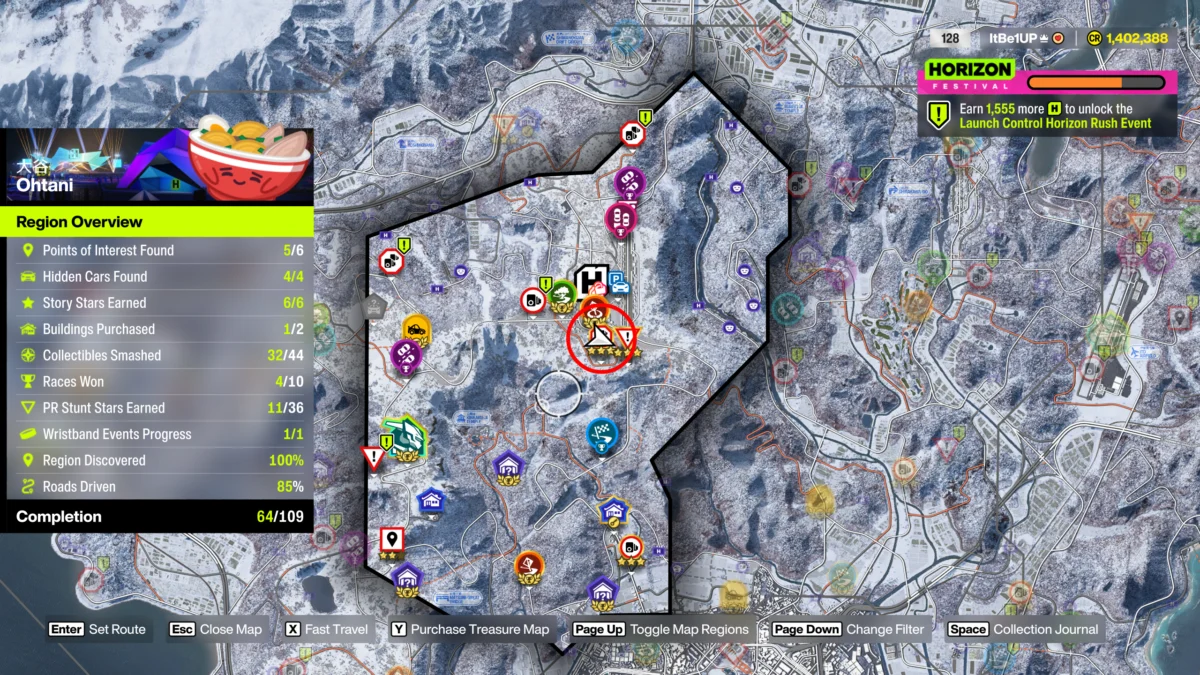
The first hurdle many players face is the sheer density of the Forza Horizon 6 map. The Festival Loop speed zone is tucked away at the far south side of the Horizon Festival grounds, situated in the heart of the Ohtani region.
To locate it, players should scan the map for the distinctive red icon featuring two cameras. The track itself is deceptively short, acting as a technical circuit that wraps around the festival perimeter. It is a dual-surface challenge, shifting from dirt to snow depending on the current seasonal climate, which drastically alters handling characteristics. Whether you approach from the northern or southern entry point, the brevity of the course means there is almost zero margin for error.
The Technical Breakdown: Why Stock Isn’t Enough
In professional sim-racing and arcade-sim hybrids like Forza, the difference between a two-star run and a three-star run often comes down to the "tuning ceiling."
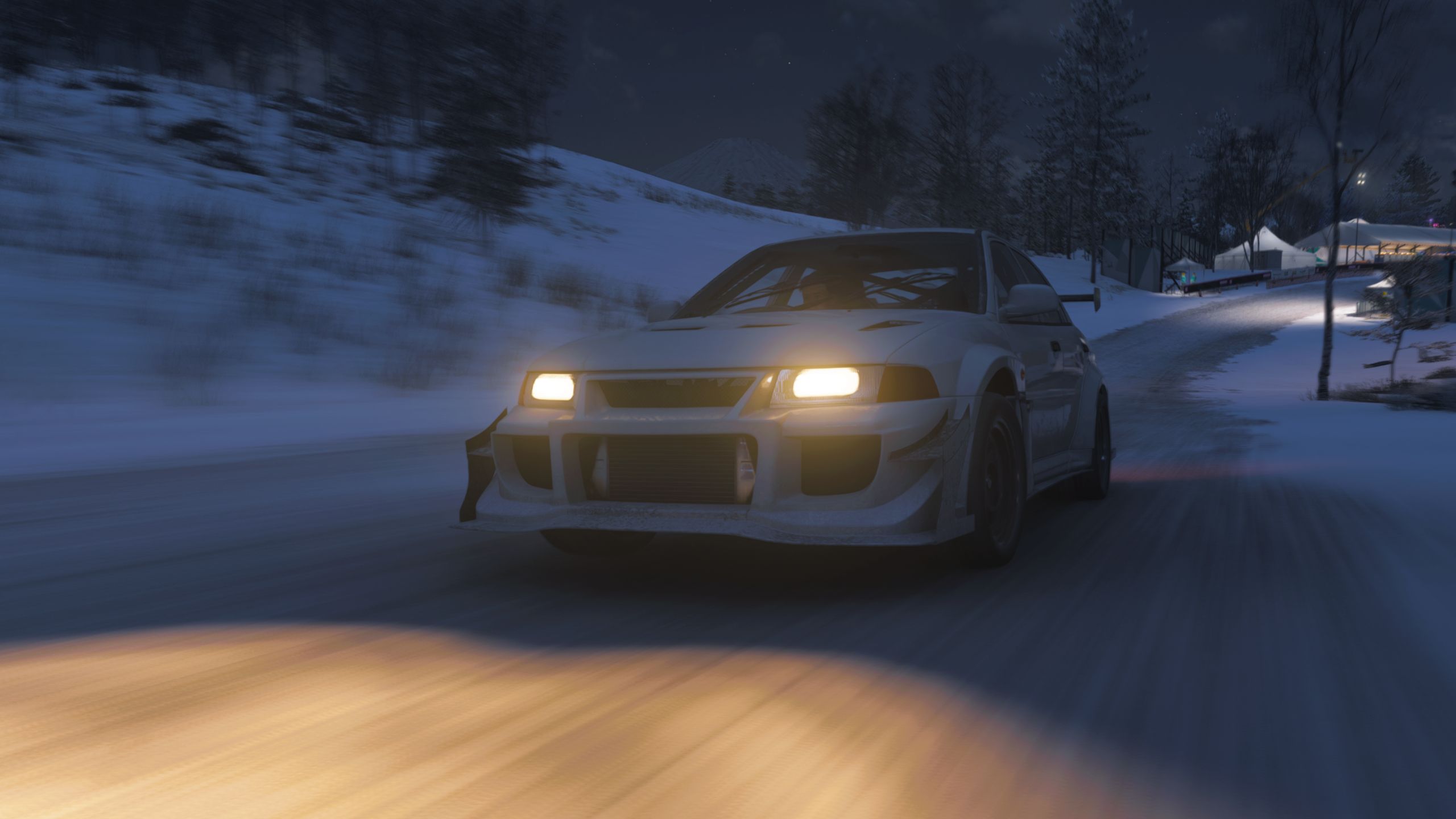
The 2001 Mitsubishi Lancer Evolution VI GSR TM, while iconic, is balanced for general use in its base form. To clear the 90 mph average, you are essentially fighting against the physics engine’s traction model. When cornering on dirt or snow, the stock tires will suffer from significant lateral slip, scrubbing off the exact speed needed to hit the three-star target.
Furthermore, the gear ratios on the stock transmission are tuned for acceleration rather than top-end speed, meaning you will likely hit the rev limiter long before you reach the necessary velocity on the straights. Upgrading the vehicle to the S1 class is not merely a suggestion—it is a performance necessity. By installing rally-specific tires and adjusting the final drive ratio, players can transform the Lancer from a street-legal relic into a competitive rally machine.
Expert Tuning and Community Solutions
For those who prefer not to spend hours tinkering with gear ratios and suspension geometry, the Forza community has already provided reliable solutions. Utilizing the game’s robust "Tune Search" feature is highly recommended.
One of the most effective community-created setups for this challenge is the "Dirt Tuning" package by user KapienPL. By inputting the share code 129 741 033, players can immediately apply a professional-grade setup that optimizes the Lancer’s differential and spring rates for the Ohtani terrain.
Key Tuning Recommendations:
- Tires: Ensure you have fitted either Rally or Snow tires. The compound change is the single most important factor in preventing terminal understeer.
- Suspension: A stiffer setup is required for the jumps and bumps found on the Ohtani course to ensure the wheels maintain contact with the surface.
- Differential: A mid-range lock on the front and rear differentials will provide the necessary torque distribution to pull the car through the two major turns without inducing a spin.
Execution Strategy: How to Hit the 90 MPH Average
Once your Lancer is properly tuned, the actual run requires a blend of aggression and restraint. The Festival Loop features two primary turns that can easily ruin an attempt.
- The Straight-Line Approach: Utilize the full width of the track on the straights. Do not be afraid to use the throttle aggressively, as the AWD system of the Lancer VI is designed to put power down effectively on loose surfaces.
- The Turn Technique: The temptation is to drift through the corners, as is standard in Forza gameplay. However, for a speed zone, drifting is your enemy. Every degree of slip angle represents a loss of forward momentum. "Grip driving"—taking a tighter, more traditional racing line—is the fastest way to maintain the 90 mph average.
- Snow Management: If you are playing during the Winter season, stay on the compacted dirt path. The deeper snow on the periphery acts as a drag force that will instantly drop your average speed below the required threshold.
Official Stance and Game Design Philosophy
Playground Games has maintained that these challenges are intended to push players toward the "Car Culture" aspect of the game. By forcing the use of a specific, historically significant vehicle like the Lancer Evolution VI, the developers are encouraging players to engage with the deep customization options that differentiate Forza Horizon from more casual racing titles.
In recent patch notes, the development team noted that they observe completion rates across all demographics. Challenges like the Festival Loop are designed to act as "skill checks," ensuring that the end-game rewards are earned by players who have mastered the game’s various vehicle classes.
Implications for Future Series
The difficulty of the "Theory of Evolution" challenge serves as a precursor to what players can expect in future Forza Horizon 6 updates. As the live-service model continues to evolve, we can expect to see more "Manufacturer-Specific" challenges that force players to step outside their comfort zones and utilize vehicles that might otherwise sit dormant in their garages.
This creates a healthier internal economy for the game, as it keeps the value of older, mid-tier cars high and encourages the use of the Auction House. For the player, it represents a shift toward a more holistic mastery of the game—learning to tune, learning to drive, and learning to adapt to ever-changing seasonal road conditions.
Conclusion: Perseverance is Key
The Festival Loop speed zone is a masterclass in why Forza Horizon 6 remains the premier open-world racing experience. It is not enough to simply drive fast; one must understand the relationship between machine, surface, and strategy.
Whether you are a veteran of the series with hundreds of hours behind the wheel or a newcomer looking to climb the leaderboard, the 2001 Mitsubishi Lancer Evolution VI GSR TM is a perfect vehicle to showcase your dedication. Take the time to upgrade, download a reliable tune, and stay focused on the racing line. Once you see those three stars light up on your screen, you’ll understand exactly why the "Theory of Evolution" is one of the most rewarding challenges in the current series. Happy driving!

