

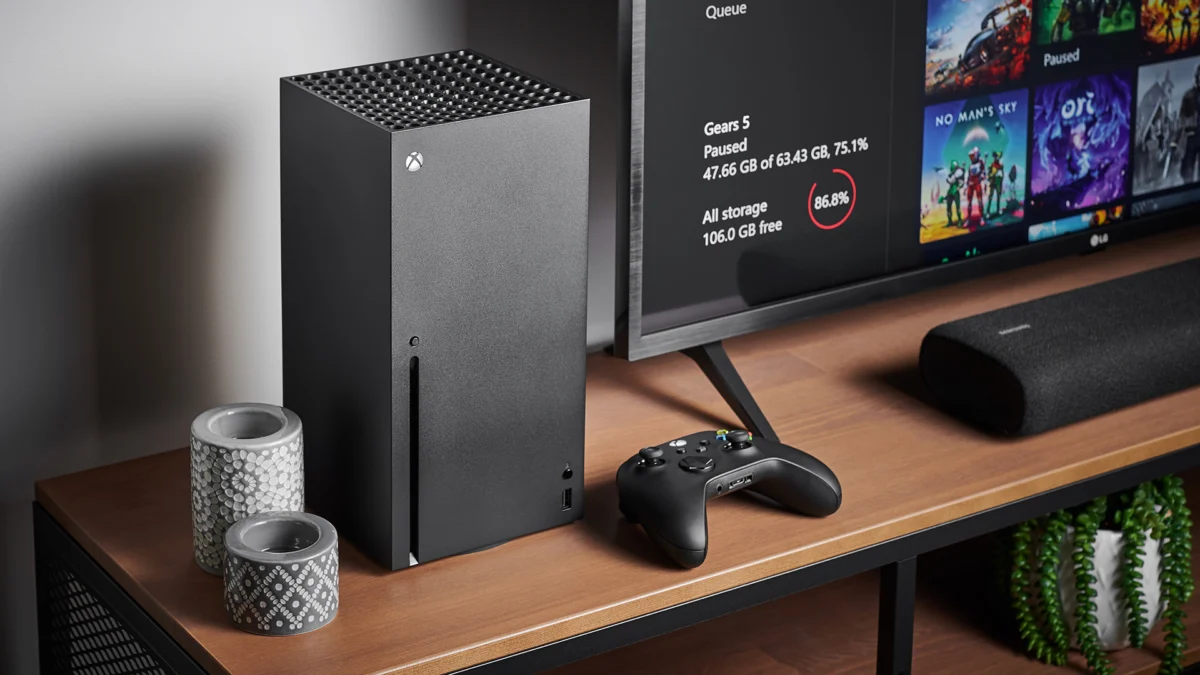
The gaming industry finds itself in a period of profound stagnation. We are approaching the seventh anniversary of the PlayStation 5 and Xbox Series X—a milestone that, in previous decades, would have signaled the inevitable arrival of a new, more powerful generation of hardware. Yet, the current landscape is defined not by technological leaps or revolutionary experiences, but by a pervasive sense of apathy, economic instability, and a fundamental questioning of the "console cycle" itself.
Manufacturers are currently operating on inertia, staggering through the motions of a traditional business model while facing a reality that has fundamentally shifted. With soaring production costs, a global component drought exacerbated by the AI hardware boom, and a growing disconnect between hardware pricing and consumer value, the industry is at a crossroads. The question is no longer "When will the next consoles arrive?" but rather, "Does anyone actually want them?"
A History of Diminishing Returns
To understand the current malaise, one must look at the recent trajectory of console gaming. Historically, each generation provided a "wow" factor—the leap from 2D sprites to 3D polygons, or from standard definition to high-definition fidelity. However, the performance gains between the PS4/Xbox One era and the current PS5/Series X generation have been arguably the most incremental in history.
The introduction of NVMe SSDs in the current generation was a genuine quality-of-life improvement, drastically reducing load times and allowing for new streaming architectures. For many, this was a "plateau" moment; as one industry observer noted, "As soon as we got consoles with NVMe SSDs, I was basically comfortable for life." When the hardware-level bottleneck—waiting for assets to load—was removed, the need for raw, brute-force power became less of a priority for the average consumer.

This reality is compounded by the "Steam Machine" effect. Valve’s venture into the living room demonstrated that forcing PC-level performance into a console-style box leads to prohibitive pricing. When a console enters the market at over $1,000, it ceases to be a consumer electronic device and becomes a luxury enthusiast product, effectively killing the "convenience and affordability" bargain that has sustained the console market for forty years.
The Economic Reality: The "Fast Food" Problem
Console gaming has always functioned on a specific social contract: the hardware is sold at a thin margin (or a loss) to build an ecosystem, and the manufacturer recoups that investment through software sales and services. Today, that contract is fraying.
The recent, aggressive price hikes on consoles and services like Xbox Game Pass have fundamentally altered the value proposition. When the price of entry rises, the "fast food" analogy becomes starkly relevant. Consumers choose consoles for the ease of a plug-and-play experience that is cheaper than building a high-end PC. If the price of a console approaches that of a functional mid-range gaming laptop or a dedicated PC, the primary incentive for the average consumer to opt for a locked, proprietary system vanishes.
Furthermore, the industry is grappling with a "bloated production" cycle. The cost of developing "AAA" titles has skyrocketed, leading to longer development times, fewer original IPs, and a reliance on remakes and remasters to pad release schedules. When a platform holder asks a consumer to spend $500–$600 on a new machine, that machine needs a library of "system sellers." Currently, the list of exclusive titles that justify a new generation is alarmingly thin.

The Human and Structural Toll
The industry’s contraction is not just an abstract market trend; it has had a devastating human impact. Over the past few years, we have witnessed a historic wave of layoffs, with some estimates suggesting that up to one-third of the development workforce has been affected.
The industry’s pivot toward "live service" models—a desperate attempt to secure recurring revenue—has resulted in a string of high-profile failures. When studios are forced to chase trends rather than focus on core gameplay, the quality of the ecosystem suffers. Projects are canceled, studios are shuttered, and the talent pool is drained. Microsoft, in particular, has faced criticism for a strategy that seems to prioritize layoffs over consistent software output.
When a company lays off thousands of employees while simultaneously asking consumers to invest in their future hardware, it creates a crisis of trust. Can the consumer rely on a platform that seems to be in a state of permanent internal restructuring?
Digital-Only Futures and the End of Physical Media
A critical pillar of the console experience—physical ownership—is being systematically dismantled. Sony has already signaled that it will end the production of physical discs for new games by 2028. This transition to a digital-only ecosystem is a massive gamble.
For many players, the ability to trade, sell, or collect physical media is the only thing that makes the high cost of new games palatable. The move to digital-only platforms puts the consumer at the mercy of the platform holder’s storefront pricing and server longevity. While rumors of "disc-to-digital" conversion programs for Xbox hint at a potential compromise, the trend is clear: the industry wants to eliminate the secondary market. If the next generation of consoles removes physical media entirely, they lose a major selling point that has historically kept the console market competitive against the digital-first PC space.
The Road Ahead: Why the "Next" Generation Might Wait
The industry currently feels like an MMA fighter who has sustained a serious injury but keeps fighting on adrenaline, unaware of the damage. We are living through an era of "unprecedented" economic conditions, and yet the industry is trying to force a "precedented" cycle of hardware iteration.
There is little evidence that the average gamer is clamoring for a PS6 or a new Xbox. With the current machines still having massive untapped potential, the pressure to upgrade feels manufactured rather than organic. The "AI monkey" on the back of hardware architects—the push to integrate generative AI and upscaling technology—suggests that next-gen consoles may focus on visual trickery rather than fundamental shifts in gameplay or interaction.
Key Takeaways:
- Performance Plateau: The shift from PS4 to PS5 saw the biggest jump in user experience (load times). Future jumps are expected to be more subtle, making the justification for a new $600+ box harder to articulate.
- The Price Threshold: Consumers have a breaking point. Microsoft’s recent struggles with Game Pass subscription retention suggest that users are highly sensitive to price increases in an inflationary economy.
- Software Scarcity: The lack of compelling, exclusive "next-gen only" titles is the biggest hurdle for future hardware sales.
- The Trust Gap: Industry-wide layoffs and the pivot to live services have damaged the relationship between developers, publishers, and the player base.
Ultimately, we are in a period where "less is more." The most consumer-friendly move might not be to launch new, prohibitively expensive hardware, but to extend the lifespan of the current generation. By focusing on software quality, developer stability, and maintaining affordable entry points, the industry could potentially stabilize itself.
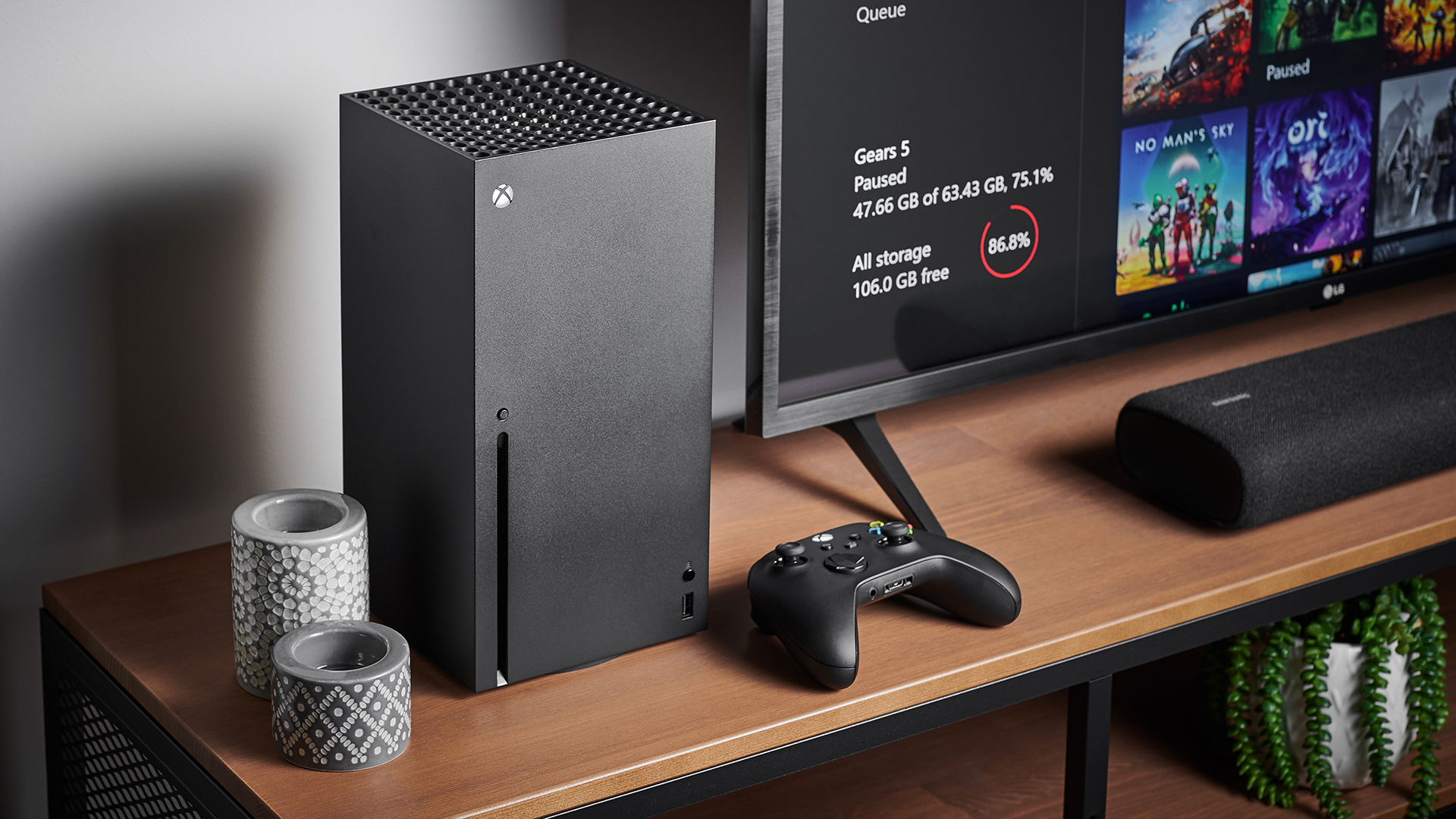
If the platform holders insist on pushing a new generation before the market is ready, they risk alienating the very audience they need to survive. Sometimes, the most progressive move in a "heavy chapter of history" is not to innovate for innovation’s sake, but to provide value in the systems that already exist. As it stands, the next generation is being built on a foundation of shifting sand. Whether it stands or collapses may depend on whether the manufacturers decide to listen to their customers—or just keep staring at the spreadsheets.

