

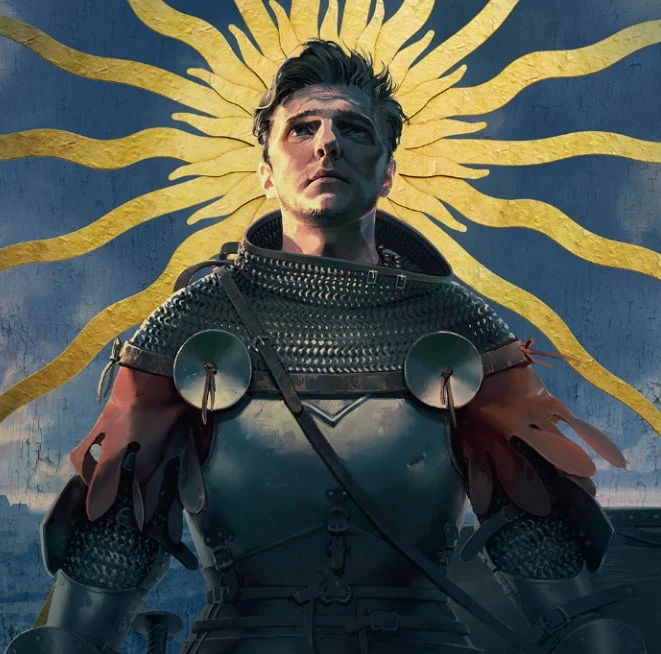
Following the monumental success of their breakout narrative horror title, Mouthwashing, the development team at Wrong Organ has captured the gaming industry’s attention by announcing a radical shift in creative direction. While Mouthwashing was widely lauded for its claustrophobic, script-heavy storytelling and psychological depth, the studio’s upcoming project, Carcass Clad, represents a deliberate "zig" where audiences might have expected a "zag."
Carcass Clad is a co-op, roguelike tank simulator set within a crumbling, grotesque urban landscape. It is a departure that prioritizes mechanical immersion over the traditional, linear narrative structures that defined the studio’s previous work. However, as developer Jeffrey Tomec clarifies, this transition is not a renunciation of the studio’s identity as storytellers, but rather an evolution in how they intend to translate their worldbuilding into the language of interactive play.
The Genesis of a Pivot: Moving Beyond the Script
In the current landscape of independent game development, studios are often pressured to iterate on their successful formulas. For Wrong Organ, the temptation to produce a "better" story-driven game was present, but ultimately secondary to the desire to master the medium of gameplay.
"Mouthwashing was, how do we make the script into a video game?" Tomec explained during the reveal. "Everything in Carcass Clad comes back to the tank, and how you feel in it. That feeling is the primary vehicle for expression."
This philosophical shift acknowledges a common friction point in modern gaming: the tension between scripted sequences and multiplayer dynamics. As seen in titles ranging from Destiny to the co-op modes of System Shock 2, the "multiplayer headspace" often clashes with heavy-handed narrative delivery. When players are focused on coordination, resource management, and survival, long-winded dialogue or scripted cutscenes can feel intrusive, distracting, or entirely ignored.
Chronology of Development: A New Engine for a Familiar World
The development of Carcass Clad did not emerge from a vacuum. While the game marks a new public-facing direction for Wrong Organ, the setting itself has been gestating within the studio’s internal creative space for years.
- Pre-Mouthwashing Era: The foundational lore and worldbuilding for the setting of Carcass Clad were established during the studio’s early internal prototyping phase.
- The Mouthwashing Success: The critical and commercial performance of Mouthwashing provided the studio with the platform and financial stability to experiment with more mechanical-heavy genres.
- Concept Pivot (2025): The team officially decided to move away from purely narrative-driven projects to explore the roguelike genre.
- PC Gaming Show 2026 Reveal: The world received its first official look at the high-intensity, tank-focused gameplay, cementing the studio’s transition.
Despite the visual aesthetic—which features World War II-era heavy armor—Tomec has explicitly confirmed that this is an entirely separate universe from the Mouthwashing narrative. There is no shared history or temporal link between the two projects; Carcass Clad exists as a standalone sandbox for the studio to explore themes of decay and mechanical obsession.
Supporting Data: The Anatomy of the Tank
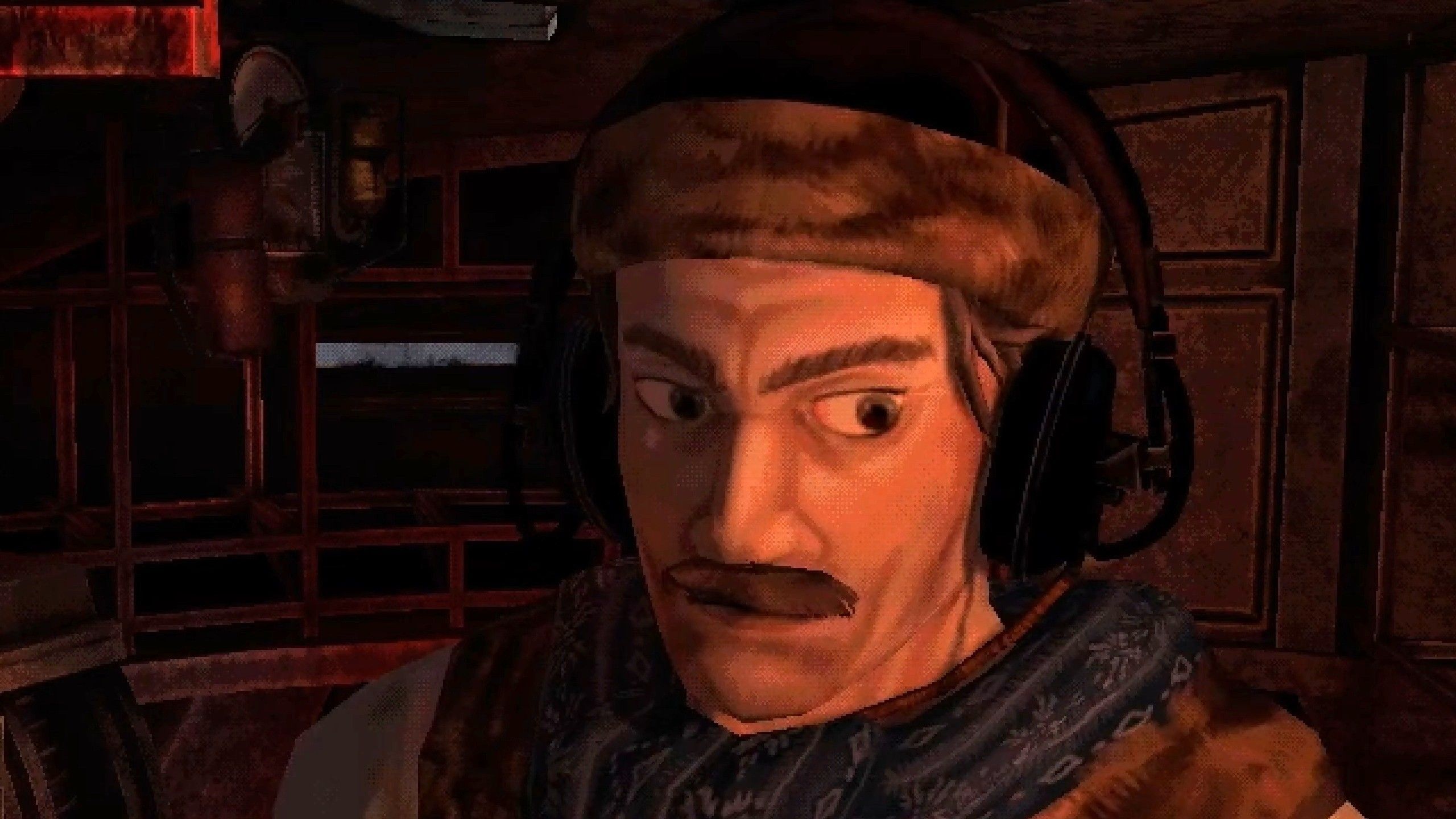
At its core, Carcass Clad is defined by the "tank experience." In the context of game design, this means a focus on heavy, tactile movement and the necessity of cooperation. Unlike standard shooters where players move with agility, the tank serves as a limiting, yet powerful, frame for the player’s perspective.
The gameplay loop is built around:
- Roguelike Progression: Players must navigate procedurally generated urban environments, ensuring the stakes remain high and the experience replayable.
- Co-op Synergy: Success depends on the division of labor—driving, gunnery, and repairs—mirroring the real-world operational requirements of armored vehicles.
- Environmental Storytelling: While the "script" is on the back burner, the world is designed to convey its history through visual cues, architectural decay, and the disturbing nature of the enemies.
The game’s Steam description offers a chilling hint at the narrative tone: "The city’s saint, long since laid to rest, walks again—gilded and defiled." This language confirms that while the method of delivery has changed, the "freaky" and unsettling atmosphere that fans of Mouthwashing expect remains intact.
Official Responses: Balancing Writing and Play
During the development process, the team at Wrong Organ has engaged in a rigorous self-examination regarding the role of text in games. "We are a writing company," Tomec admits, acknowledging that the urge to include dense narrative is a fundamental part of their creative DNA.
However, the team is currently navigating a "wait-and-see" approach. They are testing how much narrative density the gameplay can support without feeling "forced." The goal is to avoid "spitting stuff onto the page" just for the sake of it. Instead, the studio is focusing on whether the game is the most "effective way to deliver" the world’s lore.
"We have stories we may want to tell in this universe," Tomec noted. "There is a lot more [story] than maybe is going to actually come across in the experience." This creates a fascinating potential for the future: if the setting of Carcass Clad proves to be as fertile as the team believes, it could pave the way for a franchise that explores the universe through various genres, from the tactical, gameplay-heavy approach of Carcass Clad to more narrative-focused spin-offs in the future.
Implications for the Future of Wrong Organ
The transition from Mouthwashing to Carcass Clad serves as a case study for how independent studios can navigate creative growth. By prioritizing the "core idea" over the genre, Wrong Organ is insulating itself against the pitfalls of "creative stagnation."
1. The Risks of Genre-Hopping
By moving from psychological horror to a co-op roguelike, the studio risks alienating a portion of its original audience. However, the move also broadens their reach. If Carcass Clad succeeds, it establishes Wrong Organ as a versatile studio capable of executing high-level mechanical design alongside their established prowess in writing.
2. The "Setting as Product" Model
The revelation that the studio has extensive lore that may or may not appear in the final game suggests a shift toward world-building as a product. The setting itself has value regardless of the current game’s outcome. This allows the studio to pivot if the game’s reception suggests that the setting is better suited for a different genre or medium.
3. Redefining Narrative
The most significant implication is the studio’s evolving definition of "narrative." If they succeed in making the act of driving a tank feel like a story, they will have successfully bridged the gap between mechanics and emotion. This is the "holy grail" of game design—creating a narrative that isn’t read or watched, but performed through player action.
Conclusion: A City That Walks
Carcass Clad is shaping up to be one of the most intriguing indie projects on the horizon. By intentionally pulling back on the overt scripts that made Mouthwashing famous, Wrong Organ is challenging itself to tell stories through the grit of steel, the grind of treads, and the chaotic unpredictability of a roguelike urban hellscape.
Whether the studio will eventually return to the narrative-heavy style of their past remains to be seen. For now, the focus is on the city—that gilded, defiled, and deeply unsettling place—and the tanks that crawl through its shadows. With no set release date, fans and critics alike are left to anticipate how this unique blend of mechanical depth and latent storytelling will manifest. For those interested in the studio’s journey, keeping a close watch on their progress on Steam is the only way to see if their latest gamble pays off in the way they envision.

