


While the global gaming community remains locked in a state of feverish anticipation for the release of Grand Theft Auto 6, a growing chasm between the studio’s public-facing image and its internal reality has begun to widen. Rockstar Games, a titan of the interactive entertainment industry, finds itself increasingly besieged—not just by the logistical pressures of developing one of the most expensive media products in history, but by a mounting series of allegations regarding workplace culture, labor practices, and the erosion of employee transparency.
From consumer-facing controversies, such as the studio’s decision to move toward a strictly digital release model, to the more harrowing allegations of systemic union-busting in the United Kingdom, Rockstar is currently navigating a period of profound institutional friction. New reports, based on testimonies from anonymous employees, suggest that the issues plaguing the developer run deep, touching upon the fundamental ways in which the studio manages its most valuable asset: its human talent.
The Culture of Silence: A Triad of Internal Struggles
The most recent revelations, brought to light by GameDeveloper, paint a sobering picture of a workplace governed by fear and ambiguity. Employees, who requested anonymity for fear of professional reprisal, have identified three primary pillars of dissatisfaction: the weaponization of discretionary bonuses, persistent gender pay inequality, and a culture that continues to normalize "crunch."
The "Carrot on a Stick": Bonus Obfuscation
At the heart of the current employee dissatisfaction is the bonus structure. According to staff, the criteria for receiving bonuses are intentionally nebulous. Unlike a transparent meritocracy where goals are clearly defined, Rockstar’s internal bonus distribution appears to function as a tool for management control.
Employees report that the reasoning behind bonus allocations is inconsistent, fluctuating wildly between departments and even between individuals on the same team. These rewards often hinge on subjective or retroactive criticisms, leaving staff in a state of constant, unproductive anxiety. By keeping the "how" and "why" of compensation hidden, the company reportedly creates an environment where employees feel compelled to be hyper-compliant to their supervisors’ whims, fearing that any deviation from the status quo could result in financial penalties. As one source noted, "They are under no obligation to show their working," which effectively strips employees of any leverage or clarity regarding their financial future.
Gender Pay Gaps and Institutional Abandonment
Beyond the bonus system, internal initiatives aimed at addressing the gender pay gap—a significant issue across the technology and gaming sectors—have reportedly been scrapped. Furthermore, the company has ceased offering additional compensation for night-shift work, a move that disproportionately impacts staff in lower-tier roles who are often already struggling with the cost-of-living crisis. These cuts are perceived by the workforce as a signal that the company’s stated commitment to "kindness" and "support" is secondary to bottom-line austerity measures.
Chronology: A History of Labor Tension
To understand the current climate at Rockstar, one must look at the timeline of the company’s recent labor disputes, which have evolved from isolated complaints into a sustained legal and cultural battle.
- Pre-2023: Long-standing complaints regarding "crunch culture"—the practice of mandating extreme overtime to meet release deadlines—have dogged Rockstar for years. While the studio publicly claimed to have reformed these practices, employees suggest that the culture has merely shifted form.
- Early 2024: Reports emerge regarding the aggressive push toward a fully digital release for GTA 6, sparking consumer backlash and internal concern regarding the studio’s detachment from player feedback.
- Mid-2024: A UK employment tribunal reaches a critical juncture, ruling that fired Rockstar employees are permitted to move forward with a comprehensive lawsuit involving multiple allegations of union-busting.
- Late 2024: Following the tribunal’s decision, anonymous employees step forward to detail the systemic issues regarding overtime, bonuses, and the obfuscation of labor rights.
- Present: The company faces increasing pressure to reconcile its internal management style with the legal requirements of UK labor laws, particularly regarding the "opt-out" clauses in employment contracts.
Crunch by Any Other Name: The Regulatory Battle
Perhaps the most significant development in the ongoing saga is the dispute over overtime and the UK’s 48-hour work week regulations. Under UK law, the Working Time Regulations 1998 limit the working week to 48 hours unless an employee explicitly signs an "opt-out" agreement.
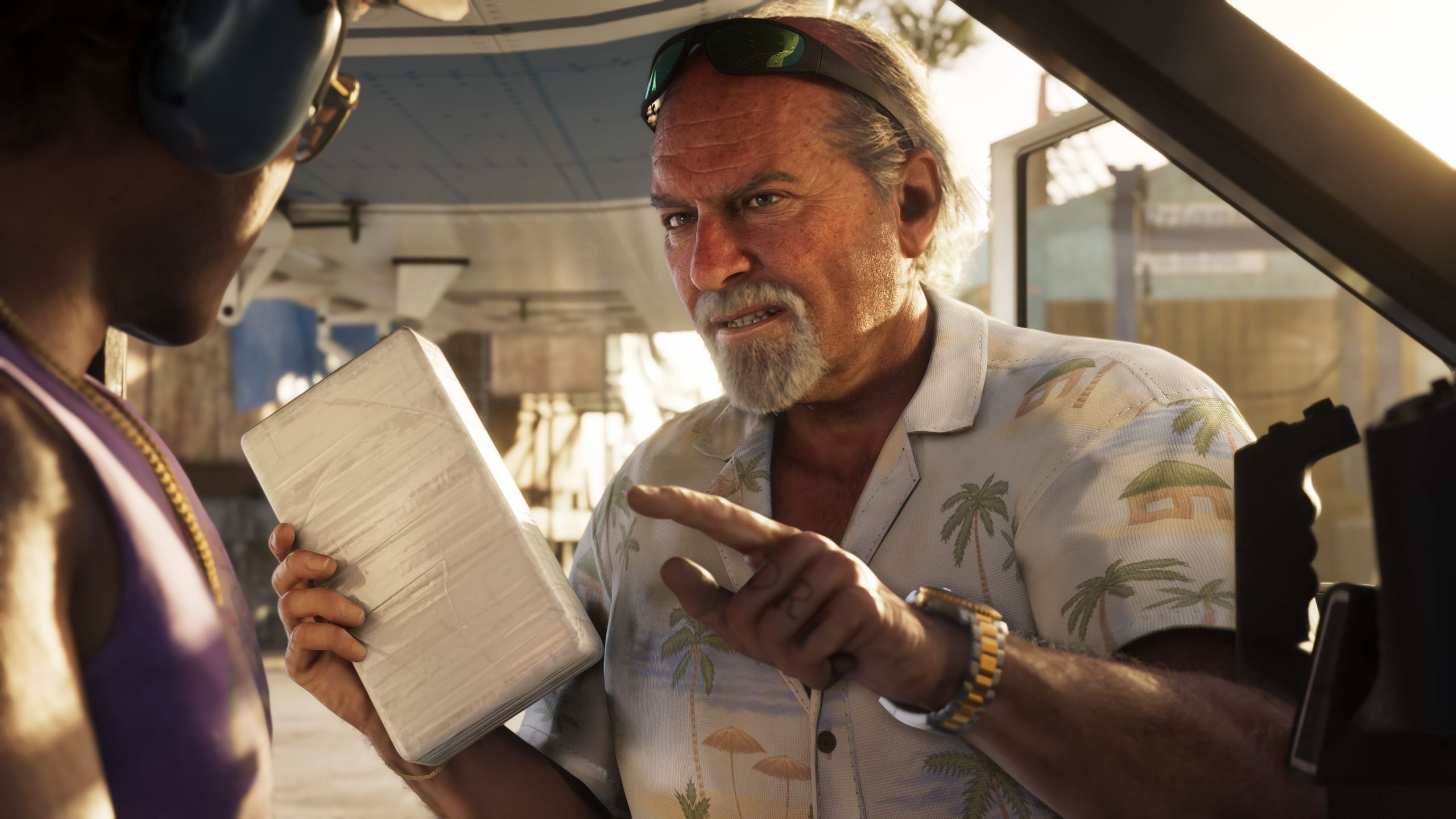
Employees claim that Rockstar had effectively baked these opt-out agreements into standard contracts, making them appear mandatory. Even worse, the process to opt back into the legal protections was obscured, requiring employees to navigate a labyrinthine HR process that discouraged them from reclaiming their right to a regulated work-life balance.
It was only through a concerted union-led information campaign that many staff members realized they had the legal power to opt back into the regulations. Following the pressure, Rockstar management reportedly simplified the process and removed the requirement for HR meetings. However, employees argue that the company has simply pivoted to a new tactic: redefining "crunch." By offering limited, specific compensation for overtime, the company reportedly acts as though the work is no longer "crunch" at all, effectively laundering the practice of overworking staff under the guise of "incentivized overtime."
Official Responses and Corporate Strategy
In response to the growing wave of criticism, Take-Two Interactive—Rockstar’s parent company—has issued statements that rely heavily on corporate boilerplate. The official response emphasizes the company’s commitment to "world-class work environments" and "competitive compensation."
"We strive to make the best games possible by giving our talented teams world-class work environments and ongoing career opportunities," the statement read. "We have fostered a culture which is focused on teamwork, excellence, and kindness, and where we support and reward the team across all levels of the business."
Take-Two also highlighted their employee retention rates as proof of their success, claiming they remain "well above the industry standard." While the company acknowledged the request from the union to discuss voluntary recognition, they framed it through the lens of wanting to maintain "open and constructive dialogue." Critics, however, point out that this "dialogue" comes only after years of reported stonewalling and legal pressure.
Implications for the Future of Rockstar
The implications of these revelations are twofold. First, they represent a significant reputational risk. In an era where players are increasingly conscious of the human cost behind their favorite games, a narrative of systemic mistreatment can tarnish even the most anticipated releases. If GTA 6 is perceived as a product of exploitation, it may face the same cultural scrutiny that has recently affected other major studios.
Second, the legal implications are potentially seismic. If the UK tribunal finds in favor of the employees in the ongoing union-busting case, it could force a fundamental restructuring of how Rockstar operates in the UK, and by extension, its global offices. The move toward unionization is not merely a localized protest; it is a signal that the creative workforce is no longer willing to trade their well-being for the prestige of working on blockbuster titles.
Ultimately, Rockstar Games stands at a crossroads. It can continue to rely on its massive commercial success to insulate itself from criticism, or it can address the internal rot that threatens to hollow out its creative foundation. As the industry watches, the "kindness" mentioned in their corporate statements will need to be proven in the day-to-day lives of their developers, not just in the carefully curated press releases of their PR departments. Until then, the shadow over Grand Theft Auto 6 remains, serving as a reminder that even the most immersive virtual worlds are built on very real, and often very tired, shoulders.

