

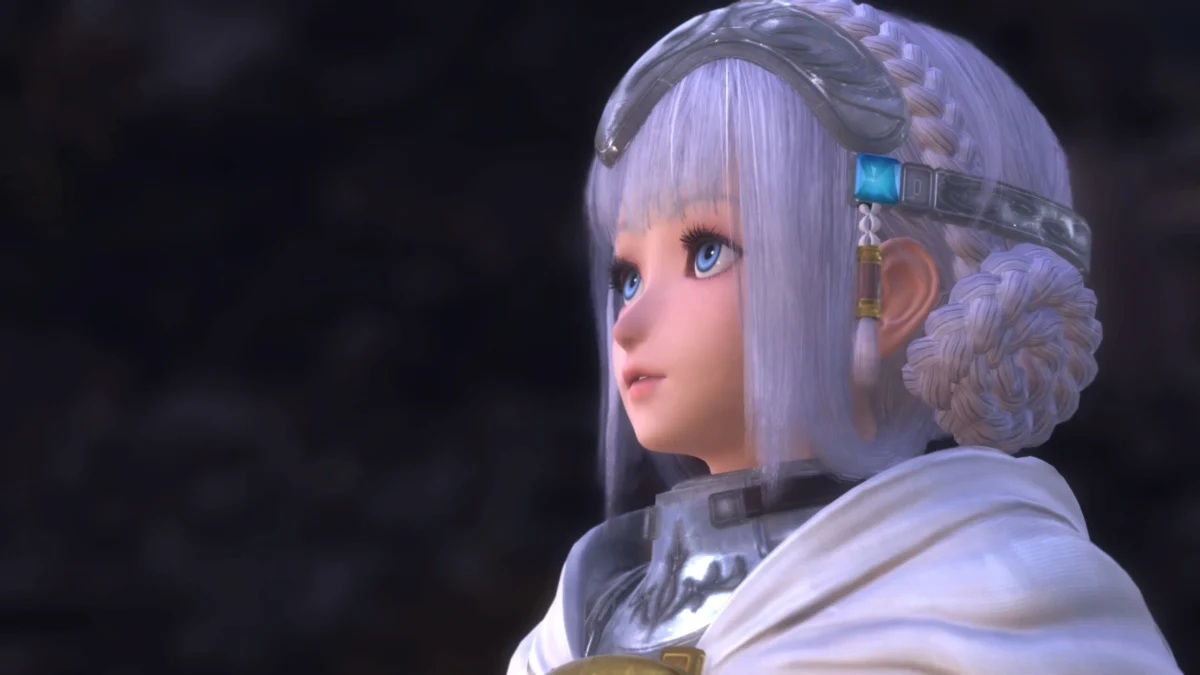
Thirty years ago, in the summer of 1996, the landscape of Japanese Role-Playing Games (JRPGs) was defined by rigid structures. Players followed a predetermined path, witnessed scripted narrative beats, and watched their party members evolve through the singular lens of the developer’s vision. While classics like Final Fantasy and Dragon Quest were busy cementing the genre’s popularity, a quiet, ambitious project from a newly formed studio called tri-Ace was preparing to dismantle the wall between the player and their party members.
That game was Star Ocean. While it arrived with a hybrid of science fiction and high fantasy that intrigued early adopters, its most significant contribution was far more subtle: the introduction of "Private Actions." It was a mechanic that transformed party members from static vessels of exposition into dynamic individuals, forever altering how we experience character growth in gaming.
The Genesis of an Innovation: From Wolf Team to the Stars
The history of Star Ocean is inextricably linked to the history of the Tales series. The developers at tri-Ace were largely composed of former staff members from Wolf Team, who had grown dissatisfied with the creative constraints they faced while working on Tales of Phantasia. Seeking a creative outlet that allowed for more mechanical freedom and a fusion of sci-fi aesthetics with the traditional JRPG formula, they struck out on their own.
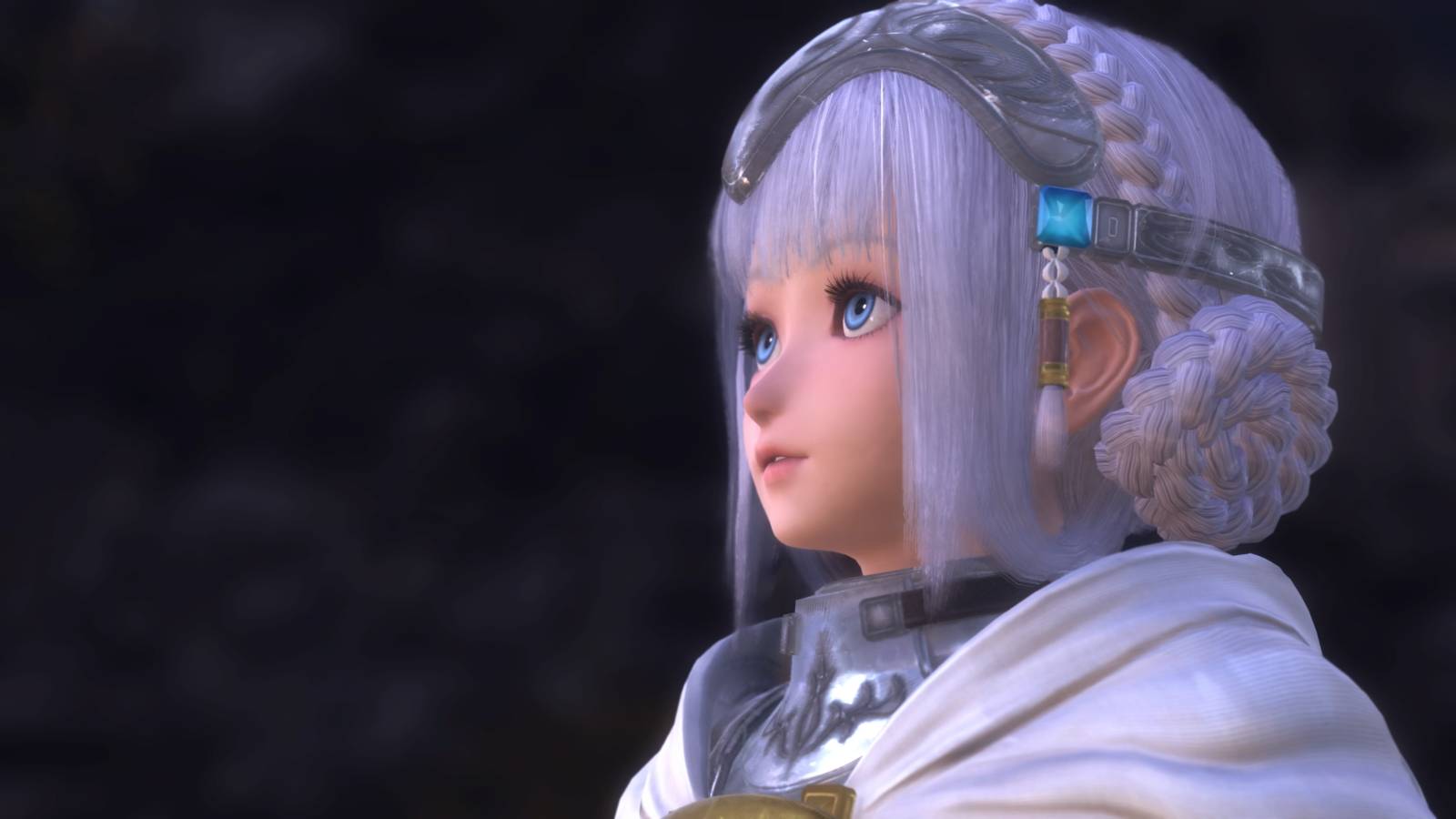
When they released the original Star Ocean on the Super Famicom in July 1996, the gaming world was fixated on the impending 3D revolution. Amidst the hype for Super Mario 64 and the upcoming Final Fantasy VII, Star Ocean’s innovation—the Private Action system—went largely under the radar in Western markets. For years, the series would be relegated to "niche" status in the West, with the original title not seeing an official English-language release until the 2008 PSP remake, Star Ocean: First Departure.
Despite this, the DNA of that first, 16-bit experiment seeped into the bloodstream of the industry, influencing everything from turn-based tactical RPGs to modern social-sim hybrids.
Chronology: The Evolution of the "Private Action"
To understand the impact of Star Ocean, one must contrast it with the standard narrative structure of its time. In titles like Chrono Trigger or Final Fantasy VI, character development occurred during "cutscenes." These were mandatory, non-interactive sequences that pushed the plot forward. If a character had a moment of doubt or a blossoming romance, the player was a passive observer.

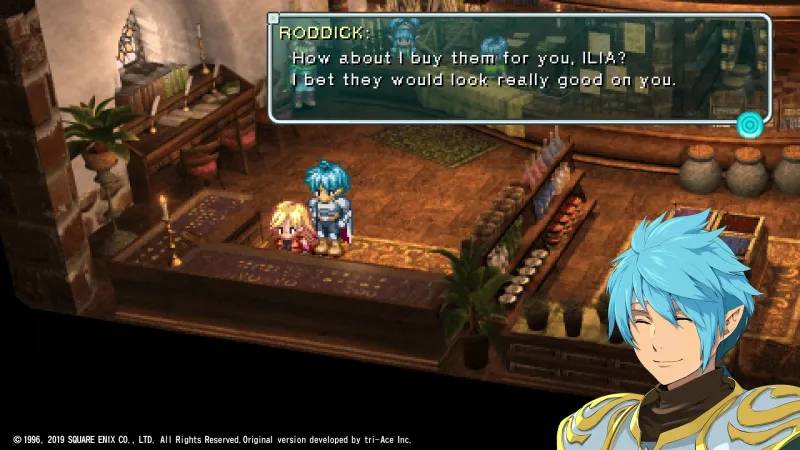
- 1996 (The Birth): Star Ocean introduces the "Private Action" button. Upon entering a town, players could choose to split their party. By triggering these events, the lead character, Roddick, could interact with party members individually. This allowed for branching conversations that were not only optional but entirely dependent on player initiative.
- 1998 (Refinement): With Star Ocean: The Second Story, the system became more robust. The affection levels between party members were now heavily influenced by these interactions, directly impacting the game’s ending and the unique "endings" for individual party members.
- The Early 2000s (Mainstream Assimilation): As the series matured, competitors began to take notice. Namco’s Tales series introduced "Skits"—short, often comedic or character-building dialogues that occurred in the field. Simultaneously, Final Fantasy IX implemented "Active Time Events" (ATEs), which allowed players to see what other party members were doing in different parts of a town, providing a "lived-in" feeling to the world.
- The Modern Era (Integration): By the release of Star Ocean: The Divine Force in 2022, the concept had evolved into a sophisticated web of social simulation. This architecture paved the way for the massive popularity of the Persona series’ "Social Links" and the support conversations found in modern Fire Emblem titles.
Supporting Data: Why Choice Matters
The brilliance of the Private Action (PA) system lies in its ability to quantify player interest. In a standard RPG, a character is either in the party or they aren’t. In Star Ocean, characters are living, breathing entities with shifting loyalties.
Data from the series’ history shows that players who engage with PAs are significantly more likely to complete the game. Why? Because the mechanic creates a sense of "narrative ownership." When a player spends hours in the game’s menu managing crafting skills and triggering specific events to see a character’s personal arc, they are no longer just playing through a script—they are building a relationship.
Furthermore, the "missable" nature of these events creates a high-replayability factor that was revolutionary for the 90s. If a player fails to trigger a specific conversation at the right time, they might lose the chance to recruit a character or miss out on an exclusive ability. This design philosophy shifted the burden of storytelling from the developer to the player, turning the game into a personalized journey rather than a linear cinematic experience.
Official Responses and Industry Legacy
While tri-Ace has remained humble about their contribution, industry analysts and developers have frequently cited Star Ocean as a "developer’s game." In various retrospective interviews regarding the Tales series, producers have acknowledged the influence of the initial tri-Ace staff, noting that the desire to create more intimate character moments was a direct reaction to the limitations of the early 90s.
The impact is most clearly felt in the modern JRPG genre. When a player logs into Fire Emblem: Three Houses to share a meal with a student to improve their support rank, they are participating in a direct evolution of the system that began with Roddick handing a gift to Ilia in a 16-bit village. The "Social Link" mechanics that define modern Persona games—where the player’s choice of who to spend time with determines the outcome of the battle and the story—is the ultimate maturation of the seed planted by Star Ocean.
Implications: The Future of Player-Driven Narrative
Looking at the industry today, the implications of Star Ocean’s innovation are vast. We live in an era where "player agency" is the primary buzzword in game development. However, many modern games attempt to simulate agency through massive, open-world maps or dialogue trees that ultimately lead to the same result.
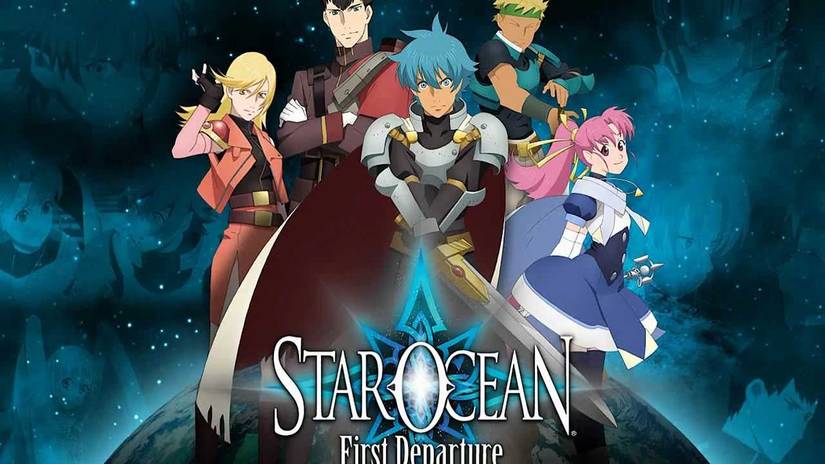
Star Ocean succeeded because it focused on character agency rather than just world agency. It understood that players care more about the people standing next to them than the map they are currently exploring. By making the "party" a collection of individuals with whom the player could choose to engage, Star Ocean made the stakes personal.
As we look back at thirty years of the series, the legacy of Star Ocean is not just in its sci-fi settings or its action-heavy combat; it is in the quiet moments. It is in the choice to stop at the gate of a town and spend a few minutes talking to your companions, knowing that those words matter.
In a genre often defined by world-ending threats and epic, pre-written destinies, Star Ocean reminded us that the most important part of an RPG isn’t the journey—it’s the people you choose to take with you. The industry has been trying to catch up to that realization for three decades, and we are all better off for it.

