


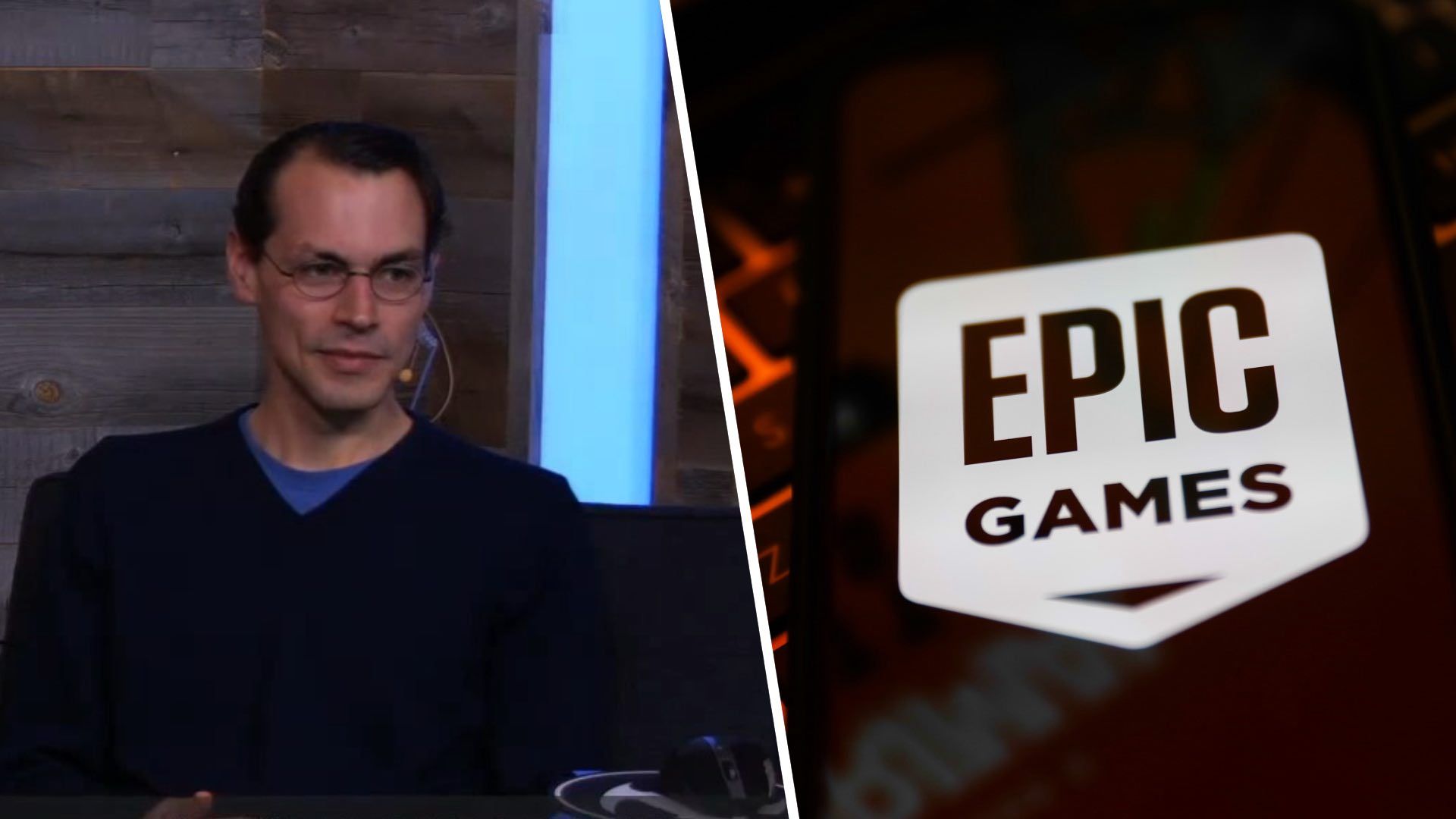
The landscape of game development technology is shifting as one of its most prominent architects prepares to move on. Nicholas Penwarden, a cornerstone of the Unreal Engine division and a long-serving veteran at Epic Games, has announced his departure from the company after a distinguished 15-year tenure. His exit marks the end of an era for the engine that powers a significant portion of the modern gaming industry, coming at a critical juncture as Epic pivots toward the highly anticipated launch of Unreal Engine 6.
The Departure: A Veteran’s Reflection
Penwarden, who has served as a public face for the technical evolution of Unreal Engine, confirmed his departure via a heartfelt post on LinkedIn. During his time at the studio, he ascended from a specialized graphics programmer to become a key leadership figure, ultimately serving as Vice President of Engineering and Engineering Fellow.
"I’m proud of the part I was able to play in Unreal Engine’s evolution from UE3 to where it stands today," Penwarden wrote. "It’s remarkable to see how far the engine has come, how much the community has grown, and all the incredible games and experiences developers have created with it."
Reflecting on his time within the corridors of Tim Sweeney’s studio, Penwarden emphasized the human element of his work. "Most of all, I’m proud of the team we built: the most talented, passionate, and extraordinary group of engine and game developers I could have hoped to work alongside. I wish Epic and the team all the best, and I look forward to seeing what they build next!"
A Chronology of Impact
To understand the weight of Penwarden’s departure, one must look at the trajectory of the engine he helped define. Penwarden joined Epic during the era of Unreal Engine 3, a period that effectively cemented Epic’s dominance in the third-party middleware market.
- The UE3 Era (Early Tenure): Penwarden entered the fray as a hands-on engineer, contributing to the foundational graphics architecture that defined the Xbox 360 and PlayStation 3 generation of gaming.
- The UE4 Transition: As a key engine and graphics programmer, he was instrumental in the development of Unreal Engine 4. This period was defined by the democratization of the engine, as Epic transitioned from a licensing-heavy business model to the subscription-based, source-accessible model that exploded the engine’s user base.
- Director and VP Roles: As his responsibilities grew, Penwarden moved into high-level management. He became a familiar face in "Inside Unreal" livestreams and industry conferences, where he would articulate the technical hurdles of high-fidelity rendering and the push for photorealism.
- The Current Pivot: In his final years, he oversaw the engineering strategy for the integration of high-end features like Nanite and Lumen, which have become the industry gold standard for real-time rendering.
The "Great Exodus" of Unreal Talent?
Penwarden’s exit is not an isolated incident. He joins a growing list of high-level departures that have raised questions about the internal culture and strategic direction at Epic Games. Only weeks ago, the industry was surprised by the departure of Sjoerd De Jong, a legendary figure within the Unreal community who served as the engine’s chief evangelist for 12 years.
De Jong’s departure was marked by a more somber tone than Penwarden’s. "The games industry has always been an industry where change is relentless and inevitable, but it feels like we are reaching a pivotal point now and a potent mix of things," De Jong stated.
When two of the most public-facing, long-tenured leaders exit in such quick succession, industry analysts often point to the "pivotal point" mentioned by De Jong. Whether this signals a shift in company culture, a reaction to the shifting economic landscape of the gaming sector, or simply the natural lifecycle of long-term executive roles, the loss of this institutional knowledge is undeniable.
The Strategic Horizon: Toward Unreal Engine 6
The timing of these departures is particularly significant given Epic’s roadmap. The company is currently in the midst of a massive technological transition as it prepares for the 2027 release of Unreal Engine 6.
Unlike previous generational leaps, which were largely defined by graphical fidelity—more triangles, better lighting, and higher resolution textures—UE6 is being positioned as a fundamental shift in game architecture. Epic Games has confirmed that UE6 will focus on merging the existing Unreal Engine 5 toolset with the vast, robust ecosystem of Unreal Engine for Fortnite (UEFN).
The goal is to create a "unifying force" where content, code, and digital economies are not trapped within individual game silos. Instead, Epic envisions a future where assets are portable and interoperable across the entire Unreal ecosystem. This is a massive undertaking that requires not just creative vision, but the kind of deep, legacy-aware engineering that Penwarden championed.
Implications for the Industry
The departure of a key architect like Penwarden during the development of a major version upgrade creates a vacuum. However, Epic Games has historically proven resilient. The engine remains the most popular middleware in the world, with a developer base that spans from solo indie creators to the world’s largest AAA studios.
1. Technical Continuity
The primary concern for the Unreal community is the continuity of technical vision. Penwarden was known for his ability to translate complex rendering pipelines into actionable strategies for developers. Whoever replaces him in his leadership capacity will inherit a roadmap that is already deeply entrenched.
2. The "Fortnite-ification" of the Engine
There is a segment of the developer community that remains wary of the "UEFN-first" strategy. Critics argue that by prioritizing the portability of assets and the needs of a live-service ecosystem like Fortnite, the engine might become bloated or less focused on the traditional needs of single-player, narrative-driven titles. The departure of "old-guard" engineers who were present during the engine’s transition from a shooter-specific tool to a general-purpose powerhouse may exacerbate these concerns.
3. Corporate Culture and Retention
Epic Games has faced significant pressure in recent years, including mass layoffs in 2023 that saw nearly 900 employees let go. While these departures are likely separate from the economic downsizing, the exit of long-term veterans often serves as a barometer for internal morale.
Looking Ahead
The legacy of Nicholas Penwarden is etched into the very tools that define the current generation of gaming. From the stylized, sharp-edged aesthetic of the late 2000s to the hyper-realistic, virtualized geometry of today, his influence on how games are built is profound.
As Epic Games moves toward the 2027 launch of Unreal Engine 6, the company will have to prove that it can maintain its technical lead without the voices that helped build the foundation. For now, the industry watches with bated breath—not just to see what the next version of the engine will bring, but to see how the company adapts to the absence of the leaders who shaped its most transformative years.
The "relentless and inevitable" change mentioned by De Jong is here. For Epic, the challenge is to ensure that while the faces behind the engine change, the engine itself remains the reliable, innovative, and indispensable tool it has always been.

