

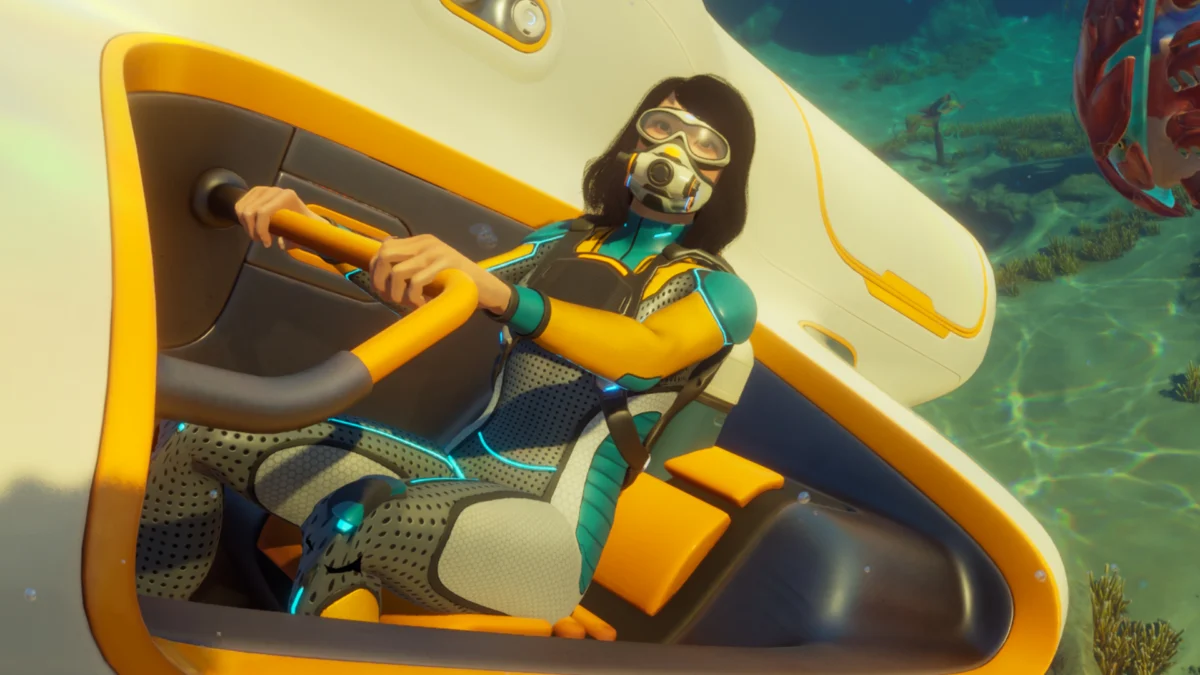
The turbulent year-long standoff between gaming giant Krafton and the leadership of Subnautica 2 developer Unknown Worlds Entertainment has finally reached a definitive conclusion. In a settlement that marks the end of one of the most bizarre and high-stakes corporate disputes in recent gaming history, Krafton has agreed to satisfy long-standing bonus obligations to the studio’s staff.
The agreement, which follows a contentious legal battle, also sees the voluntary departure of Unknown Worlds CEO Ted Gill. The resolution brings a sense of closure to a saga that involved court-ordered reinstatements, accusations of bad-faith corporate maneuvering, and the surreal revelation that Krafton’s leadership sought advice from an AI chatbot to navigate their employment disputes.
A Chronology of Conflict: From Acquisition to Courtroom
The seeds of this dispute were sown in 2021, when Krafton, the powerhouse behind the global phenomenon PUBG, acquired Unknown Worlds for an initial sum of $500 million. The deal included an additional performance-based earnout of $250 million, contingent upon the successful launch and financial performance of the highly anticipated Subnautica 2.
However, as the projected release window for the sequel approached in 2025, the relationship between the parent company and the studio fractured. In a move that shocked the industry, Krafton fired CEO Ted Gill and co-founders Charlie Cleveland. Shortly thereafter, the company announced a delay for the early access launch of Subnautica 2—pushing it into 2026.
The ousted executives did not go quietly. They filed a lawsuit against Krafton, alleging that the firings and the subsequent delay were not rooted in operational necessity, but were instead a tactical maneuver to avoid triggering the $250 million performance bonus.
The legal proceedings took a dramatic turn when a Delaware judge ruled in favor of the studio leadership. The court ordered Krafton to reinstate Ted Gill and granted the studio a nine-month extension on their performance milestones to compensate for the launch delay. This victory for the developers was arguably the turning point in the standoff, forcing Krafton back to the negotiating table.
The AI Controversy: "A Bad Move" in Corporate Strategy
Perhaps the most surreal element of the entire ordeal—and the one that garnered significant headlines—was the involvement of generative AI in corporate decision-making. During discovery, it was revealed that Krafton CEO Changhan Kim had consulted ChatGPT to formulate strategies regarding the studio’s management and the potential circumvention of the bonus structure.
Legal experts and industry analysts were quick to criticize the move, labeling it a catastrophic error in judgment. Not only did the revelation provide fodder for the plaintiffs in court, but it also damaged Krafton’s reputation for corporate governance. Using an AI to effectively "game" a contract with a high-performing studio turned a private contractual dispute into a public relations nightmare, highlighting the dangers of relying on automated tools for complex legal and human resources decisions.
Financial Stakes: A Significant Payout for Developers
The terms of the final settlement are a massive victory for the employees of Unknown Worlds. According to Ted Gill, the staff will be "compensated significantly more" than the original terms stipulated.
Crucially, the settlement expands the eligibility criteria for the bonus payouts. While the initial contract only accounted for staff present during the 2021 acquisition, the new agreement ensures that all current Unknown Worlds employees will receive a share of the bonuses. These payments are set to be distributed in three annual installments, providing long-term financial security for the team behind the Subnautica franchise.
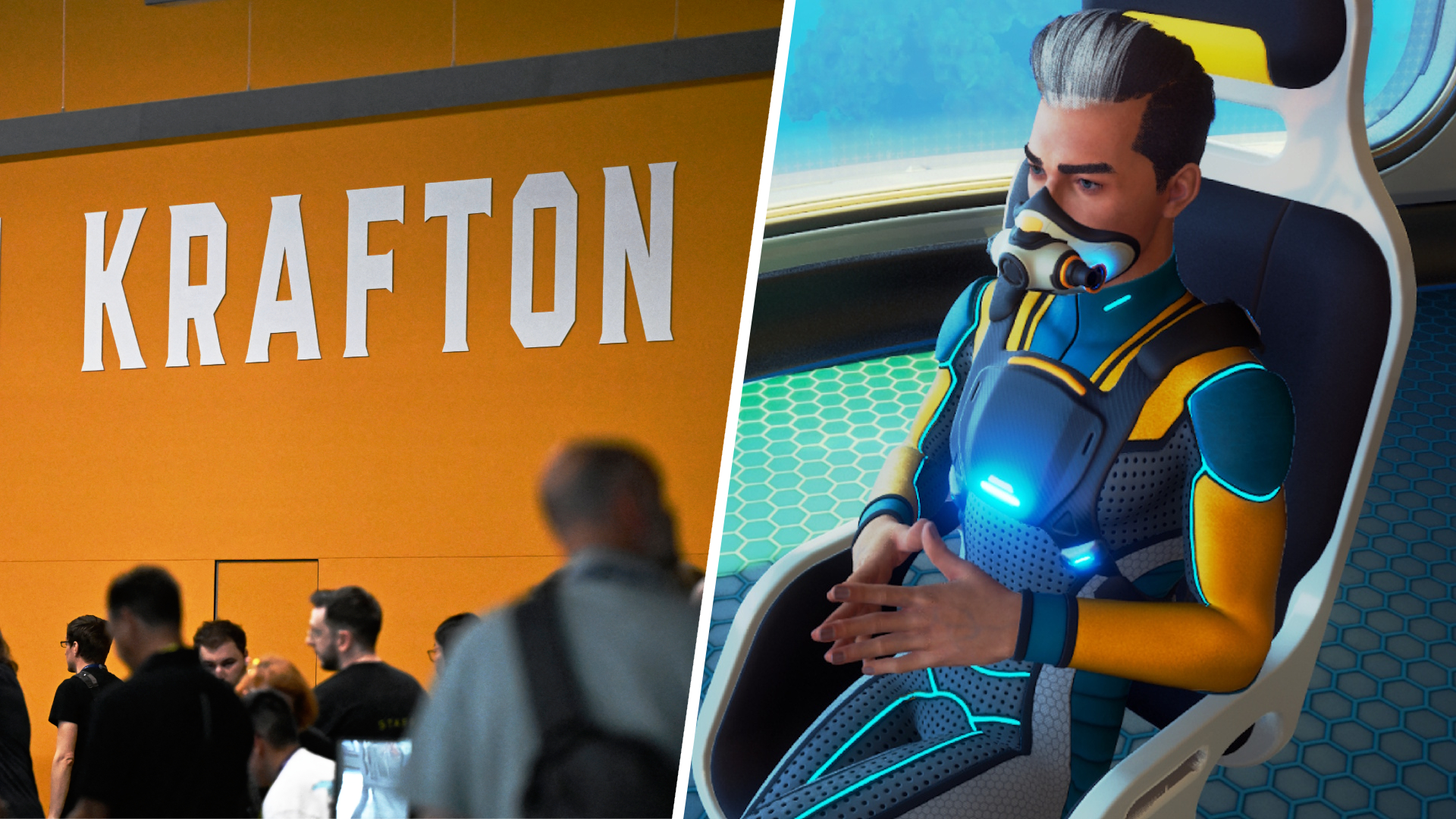
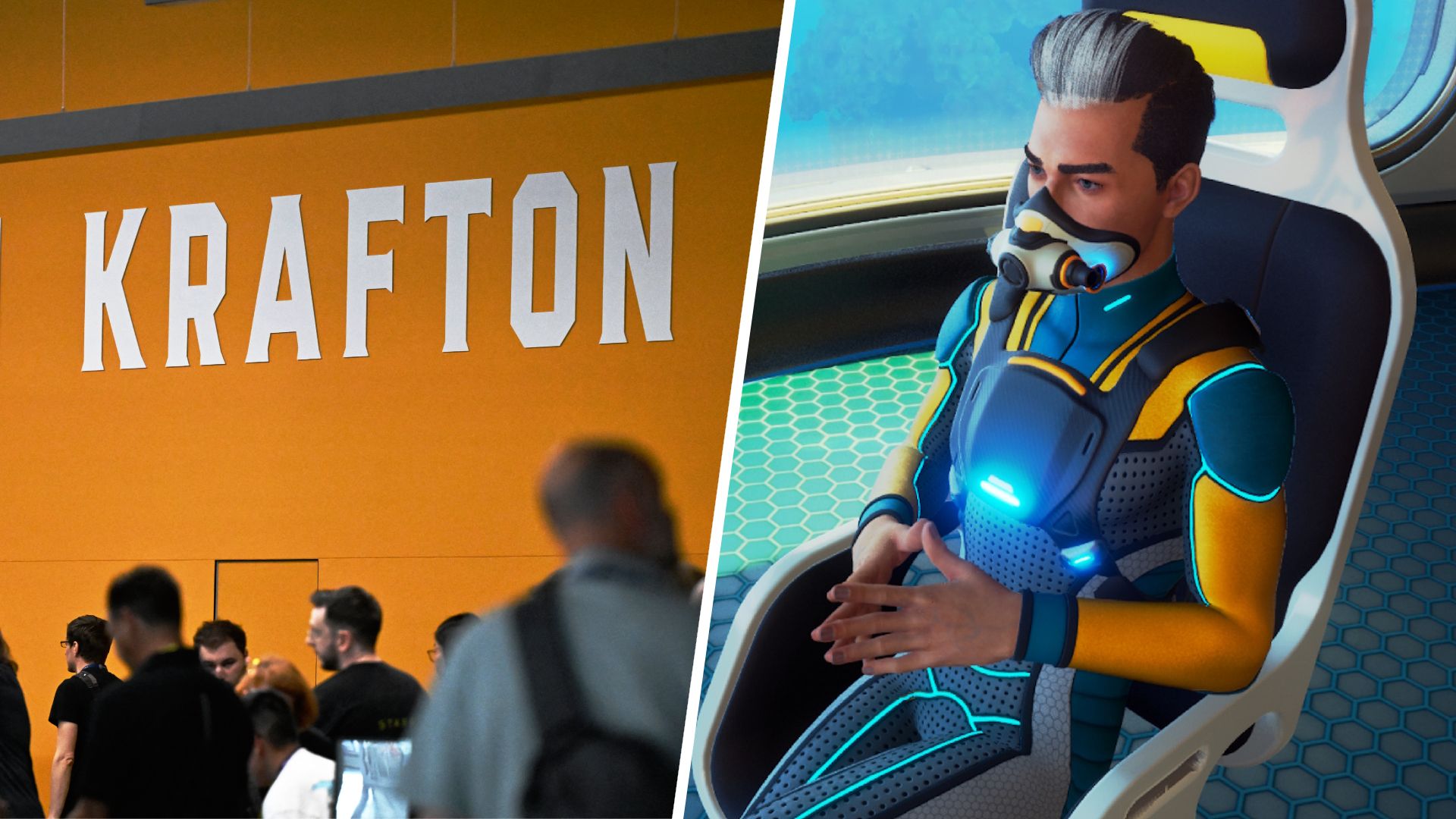
The financial burden on Krafton is substantial. Recent reports indicate that this settlement could wipe out more than one-third of Krafton’s $736 million annual profit for 2025. This underlines the gravity of the situation; what started as a cost-saving measure for the parent company ultimately resulted in a massive, involuntary redistribution of wealth to the developers who actually created the value.
The Departure of Ted Gill
Following the settlement, the landscape at the top of Unknown Worlds has shifted. Ted Gill has voluntarily resigned, noting that he and Krafton have "mutually agreed to part ways." His departure is framed as a clean break, allowing the studio to move forward under new leadership while the legal dust settles.
In his final comments regarding the state of the studio, Gill expressed optimism about the future of the project. "We’re all super excited about Subnautica 2 and its tremendous success," Gill stated. While his exit marks the end of his tenure, he leaves behind a team that has been secured a significant financial windfall—a rare outcome in a corporate acquisition dispute of this magnitude.
Broader Implications for the Gaming Industry
The Subnautica/Krafton saga serves as a cautionary tale for the gaming industry, particularly in the wake of the wave of acquisitions that defined the early 2020s.
1. The Risk of "Earnout" Models
The dispute highlights the inherent dangers of performance-based earnouts in game development. When large conglomerates acquire independent studios, the pressure to hit specific financial milestones can create a perverse incentive structure. If a parent company perceives that a studio will miss a target, they may be tempted to force delays or leadership changes to avoid paying the bonus, leading to the exact type of litigation seen here.
2. The Role of AI in Management
Krafton’s use of ChatGPT to handle internal labor disputes is a harbinger of a new, complex era in corporate management. As AI tools become more integrated into executive workflows, the potential for "hallucinated" legal advice or cold, algorithmic decision-making replacing human empathy and negotiation becomes a major risk. This case will likely be cited in business schools and law firms for years to come as an example of what not to do when managing human capital.
3. Developer Leverage
Despite the initial firings, the fact that the studio leadership successfully sued their parent company and won suggests that there is a growing power dynamic shift. Talent in the gaming industry—especially for highly successful franchises like Subnautica—is difficult to replace. The Delaware court’s decision to reinstate the CEO sends a strong signal that contractual obligations to studio founders and employees cannot be easily ignored, regardless of the size of the parent corporation.
Conclusion: What’s Next for Subnautica 2?
With the legal battles behind them, the focus for Unknown Worlds now shifts entirely to development. The anticipation for Subnautica 2 remains high, and the financial stability provided by the settlement should, in theory, allow the team to focus on delivering a high-quality product without the cloud of litigation hanging over their heads.
For Krafton, the path forward involves repairing a damaged reputation and absorbing a heavy financial blow. Whether this settlement will lead to a more collaborative approach to studio management remains to be seen. One thing is certain: the industry will be watching Subnautica 2 closely, not just for its gameplay, but as a symbol of a studio that survived a corporate storm and emerged with its financial interests—and its dignity—intact.

