

For years, PC gamers on Linux have navigated a complex landscape of hardware optimization. While the Steam Deck has propelled Linux gaming into the mainstream, a persistent, invisible bottleneck has plagued devices utilizing discrete graphics cards: inefficient VRAM management. Now, with the release of the SteamOS 3.8.20 beta, Valve has introduced a sophisticated patch that promises to revolutionize how games interact with graphics memory, potentially eliminating the stuttering and performance degradation that have long frustrated enthusiasts.
The Core Issue: The VRAM vs. GTT Struggle
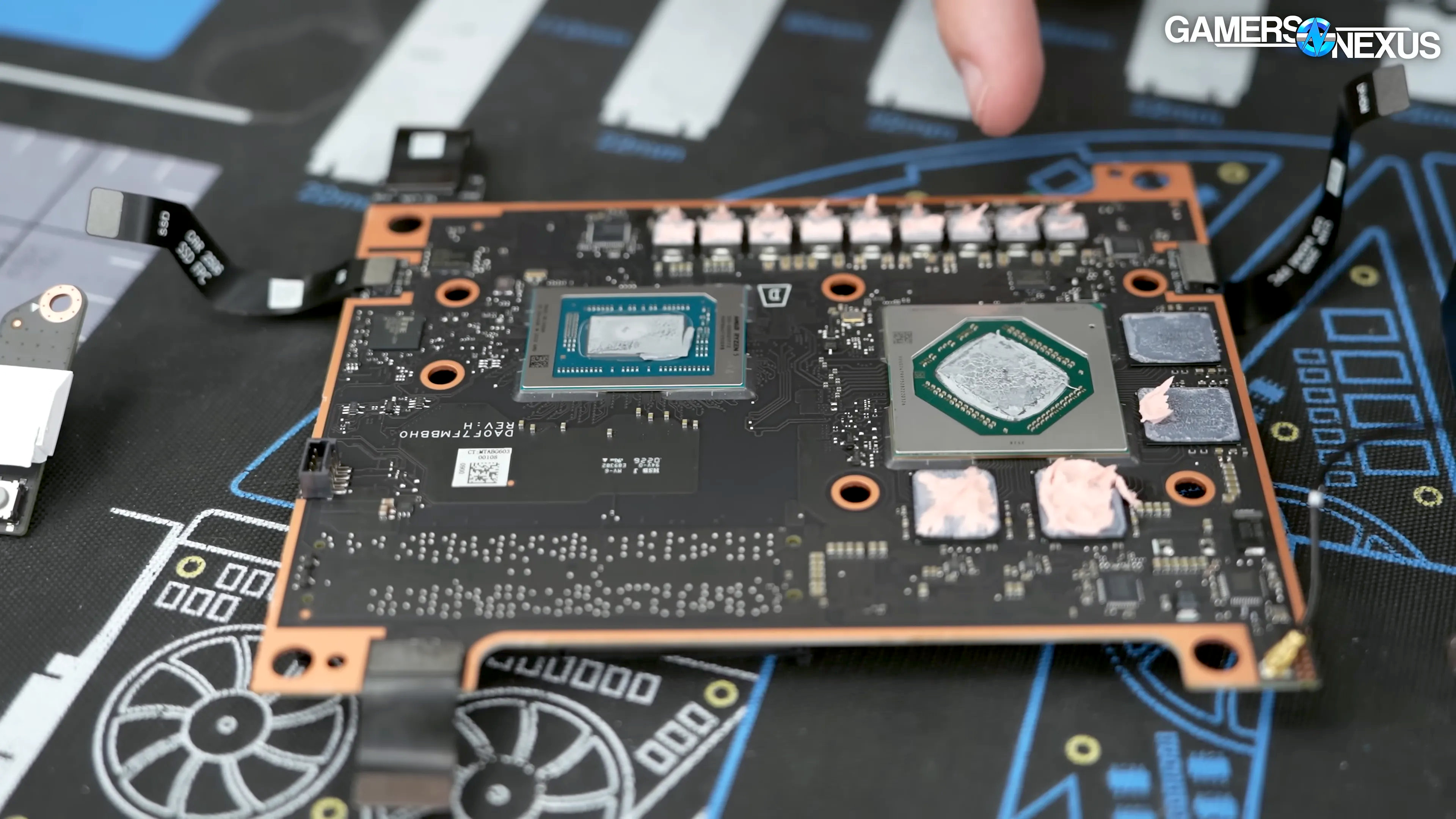
To understand why this update is a significant milestone, one must first grasp the architectural dance between a GPU and the system’s memory. A discrete GPU relies on two primary pools of memory: its own dedicated Video RAM (VRAM) and a secondary, slower pool residing within the system’s main RAM known as the Graphics Translation Table (GTT).
The GTT is a necessary bridge, acting as a spillover buffer when the dedicated VRAM is full. However, the GTT is accessed over the PCIe interface, which introduces significant latency and limited bandwidth compared to the high-speed local VRAM. When an operating system incorrectly moves assets between these two pools—a process known as "eviction"—the performance of a game often tanks.
Previously, the Linux kernel struggled to differentiate between "essential" assets that must stay in VRAM and "disposable" data that could be relegated to the GTT. The result was a chaotic, constant shuffling of data that caused micro-stutters, particularly in memory-intensive titles like Cyberpunk 2077.
Chronology of the Fix: A Community-Driven Solution
The journey to this fix was not a solitary effort by Valve, but rather a collaborative triumph of the open-source community. The narrative began earlier this year when independent developer Natalie Vock, a contractor for Valve working on the RADV (open-source Vulkan driver for AMD GPUs), published a detailed investigation into Linux VRAM allocation failures.
Vock’s research identified that the Linux kernel’s memory manager was far too permissive. It treated VRAM and GTT as nearly interchangeable domains for allocation requests. Consequently, the kernel would often allow the GTT to bloat with data that should have been prioritized for VRAM, simply because it lacked a mechanism to "protect" VRAM from being unnecessarily cleared.
In the months following the publication of these findings, a specialized team—including Vock, Intel’s Maarten Lankhorst, and Red Hat’s Maxime Ripard—began developing a kernel-level solution. By leveraging Linux "cgroups" (control groups), they created a framework that allows the system to prioritize VRAM usage for gaming tasks, effectively "pinning" critical game data to the fastest memory available.
Supporting Data: Testing the Efficiency Gains
The impact of this kernel patch is best illustrated by real-world telemetry. During tests conducted on a system with 8GB of dedicated VRAM running Cyberpunk 2077, the findings were stark.
Prior to the implementation of the new memory management logic, the system’s GTT usage hovered around 1,370 MB, while the game’s dedicated VRAM footprint was 6,105 MB. This indicated that nearly 1.4 GB of data was sitting in the slower, high-latency GTT, despite available headroom in the VRAM.
Post-patch, the metrics shifted dramatically:
- VRAM Usage: Increased from 6,105 MB to 7,395 MB.
- GTT Usage: Dropped from 1,370 MB to 650 MB.
By ensuring that over 1.2 GB of additional data resided in the dedicated VRAM, the system significantly reduced the frequency of PCIe bus traffic and memory-pool evictions. For the player, this translates to a smoother frame time graph, fewer "hiccups" during intense scene transitions, and more consistent 1% low frame rates.
Implications for Hardware: Steam Machines vs. Steam Deck
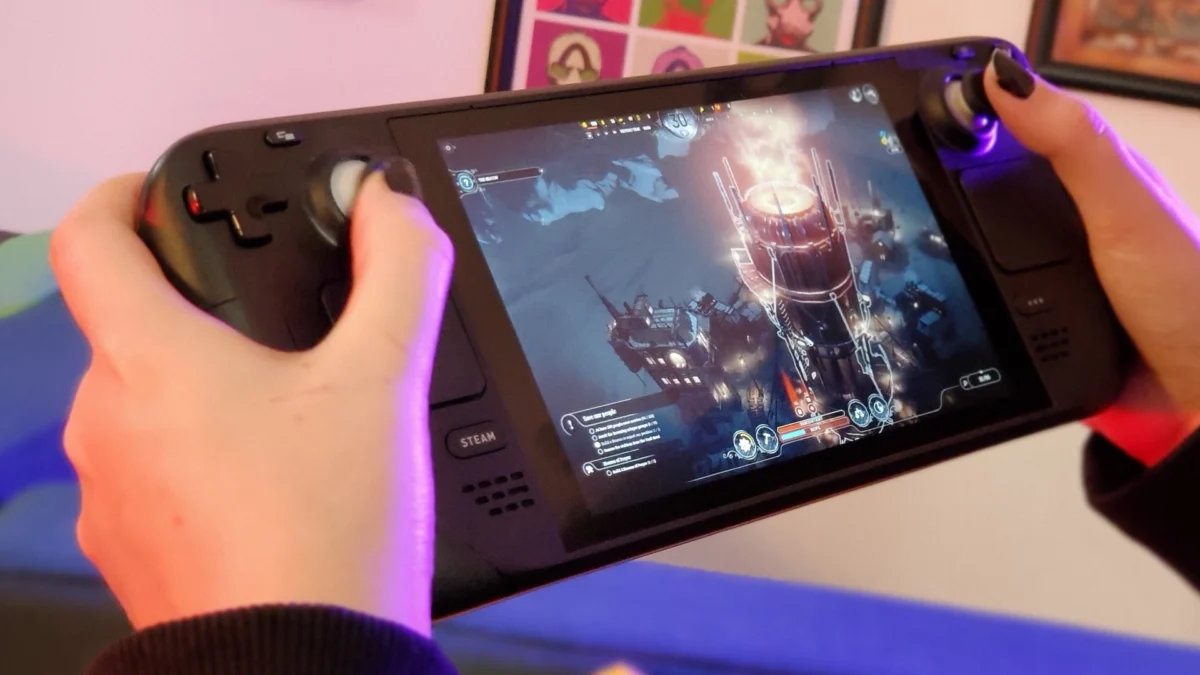
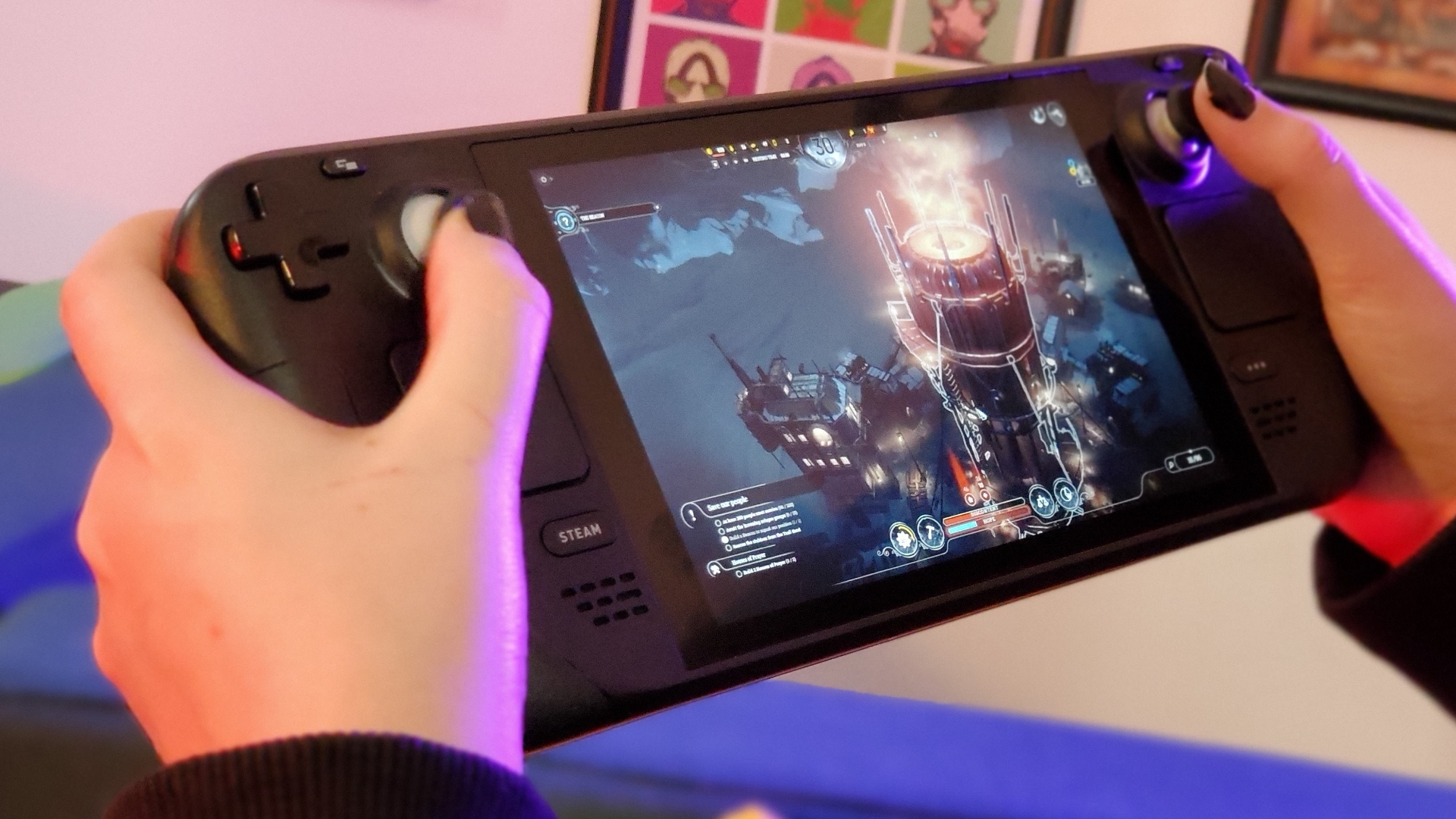
It is crucial to clarify which hardware will benefit most from this development. The Steam Deck, while a masterpiece of portable engineering, utilizes an Integrated Graphics Processing Unit (iGPU). In an iGPU architecture, the "VRAM" and system RAM are one and the same—the GPU simply carves out a portion of the system memory to act as its frame buffer. Because there is no discrete PCIe interface or separate memory pool, the performance gains from this specific patch will be negligible for handheld owners.
However, for users of "Steam Machine" style desktops, mini-PCs, or DIY Linux gaming rigs equipped with dedicated AMD GPUs, this is a massive boon. It bridges a long-standing performance gap between Windows and Linux, where Windows’ DirectX memory management has historically been more adept at handling large asset streaming.
The Broader Context: Linux vs. Windows Memory Management
The success of the SteamOS 3.8.20 beta highlights a broader philosophical difference in how operating systems manage resources. Microsoft’s Windows has long utilized proprietary, closed-source drivers and memory management APIs (like WDDM) to force games into using the fastest available hardware resources.
For years, the Linux community has relied on general-purpose memory management that wasn’t specifically tuned for the volatile, high-throughput demands of modern gaming. By implementing cgroups and specialized kernel patches, Valve is essentially creating a "Gaming-First" kernel profile. This indicates that Valve is moving beyond simple translation layers like Proton and is now actively optimizing the foundation of the Linux kernel itself to serve the needs of the gaming market.
Future Outlook and Expert Commentary
While this patch is currently in the beta phase, its inclusion in the official SteamOS branch is a signal of Valve’s long-term commitment to the platform. Industry observers have noted that this level of kernel-level contribution is rare for a private company, suggesting that Valve is positioning SteamOS as a robust, viable alternative to Windows for the foreseeable future.
For the end user, the path forward is clear: as Valve continues to refine the SteamOS kernel, the gap in performance between Windows and Linux for high-end gaming continues to shrink. Whether this will lead to broader adoption by other Linux distributions remains to be seen, but the "dmemcg-booster" and related patches are open-source, meaning the entire Linux ecosystem stands to benefit.
As we look toward the future of PC gaming, the work done by Vock, Lankhorst, and Ripard serves as a reminder that the "Linux Gaming" dream is being built on the backs of granular, low-level technical improvements. It is not just about compatibility; it is about performance parity. And with this latest beta, Linux has taken a significant, measurable step toward achieving that goal.
If you are a Linux gaming enthusiast using a discrete GPU, the SteamOS 3.8.20 beta is not merely a routine update—it is a foundational change to how your hardware communicates with your software. As testing continues, we can expect these optimizations to become a standard part of the Linux kernel, ensuring that the hardware you bought is finally being used to its full potential.

