

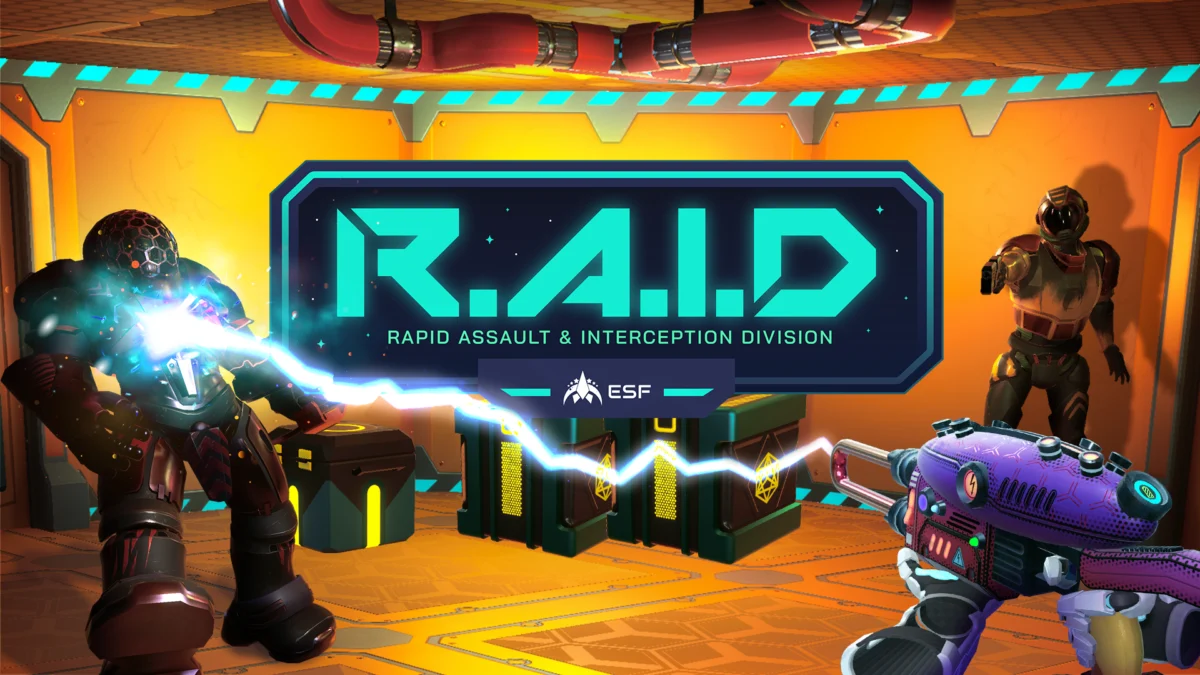
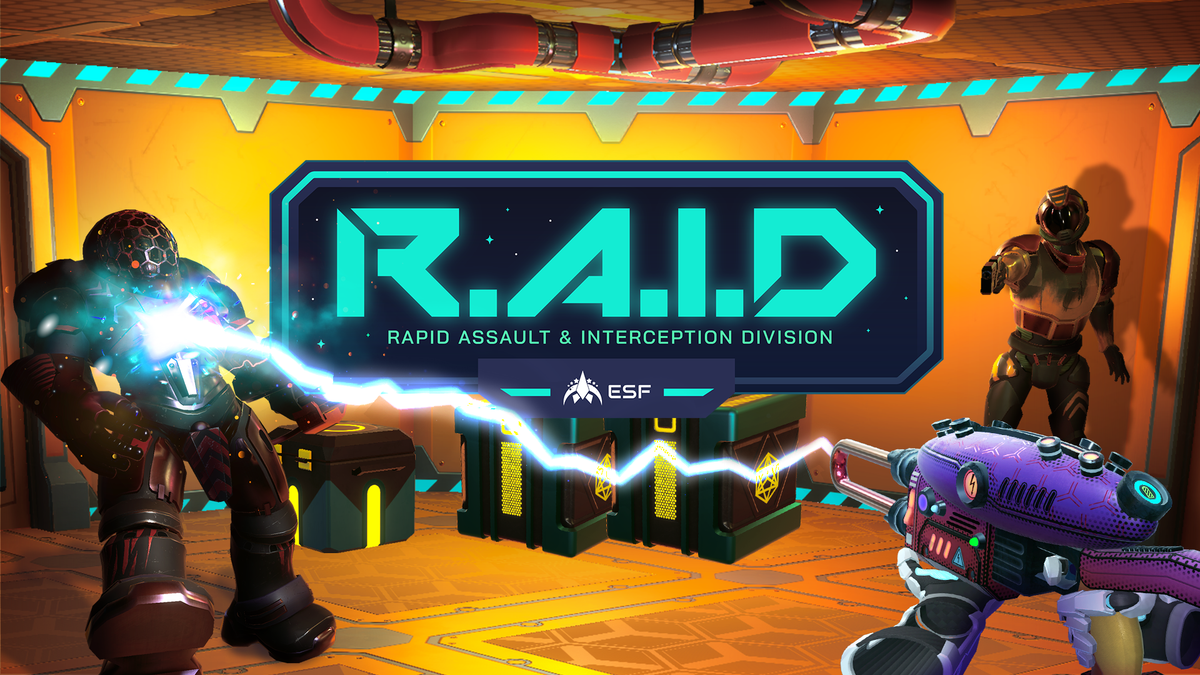
The landscape of virtual reality gaming is currently experiencing a pivot toward high-fidelity, high-intensity simulation, and at the forefront of this shift is R.A.I.D. (Rapid Assault & Interception Division). First teased as a mysterious logo during last month’s "Creature Feature Showcase," the project has finally pulled back the curtain. Following a formal reveal at today’s VR Games Showcase, developers at FusionPlay and publishers Impact Inked have provided the public with their first substantial look at what promises to be one of the most mechanically dense shooters to hit the platform.
While initial buzz was generated by a simple call-to-action for playtesters by Impact Labs’ Todd Jackson, the new trailer clarifies the game’s core loop: a tense, atmospheric fusion of bureaucratic inspection and adrenaline-fueled tactical combat.
The Core Concept: Law and Order at the Edge of Space
At its heart, R.A.I.D. places the player in the role of a frontline sentinel aboard an orbital customs station—the final gatekeeper for Earthbound interstellar cargo. The premise is deceptively simple: inspect incoming vessels, assess their manifest against their cargo, and determine their fate.
However, the reality of the game is far more volatile. Utilizing procedurally generated spacecraft, R.A.I.D. ensures that no two inspections are identical. Players must scan containers and cargo holds for discrepancies, identifying potential contraband, stowaways, or biological hazards. The decision-making process is binary—clear the ship for passage or initiate an interception—but the implications are constant. Choosing to board a ship marks the transition from a calm, methodical inspection phase to a chaotic, room-clearing tactical firefight.
A Chronology of the Reveal
To understand the trajectory of R.A.I.D., one must look at the rapid development cycle it has undergone in the public eye over the last several weeks.
May 2026: The Tease
The project first gained traction during the Creature Feature Showcase. The reveal was understated, consisting of little more than a logo and an invitation for the VR community to participate in early playtesting. This "soft launch" of the concept served as a litmus test, allowing FusionPlay to gauge interest in a sci-fi customs-enforcement simulator.
June 2026: The VR Games Showcase
Today’s reveal at the VR Games Showcase served as the definitive announcement. The trailer released today provided the first glimpse of the gameplay loop, transitioning from the sterile, high-tech environments of the customs station to the claustrophobic, dimly lit corridors of alien freighters. It confirmed the game’s official title—Rapid Assault & Interception Division—and highlighted the intensity of the boarding sequences, which contrast sharply with the investigative desk work.
Mechanics and Gameplay Depth
The brilliance of R.A.I.D. lies in its structural duality. By splitting the gameplay into two distinct phases, FusionPlay is attempting to capture both the "bureaucratic dread" of space travel and the visceral excitement of a tactical VR shooter.
The Inspection Phase
During the inspection phase, players are tasked with managing the logistics of the station. This isn’t a passive experience; it requires spatial awareness, tool management, and quick thinking. Players use a variety of scanners and forensic equipment to probe the integrity of docked ships. The procedural generation of these vessels means that players must learn to identify patterns of smuggling and illicit activity, effectively turning the game into a high-stakes puzzle.
The Interception Phase
When a ship is flagged for interception, the game shifts gear. Players must breach the airlock and clear the vessel room-by-room. Combat in R.A.I.D. is designed to be punishing. With pirates, hostiles, and potentially hazardous biological lifeforms lurking behind every corner, the game leans into the room-scale movement capabilities of modern VR hardware. Cover usage, leaning, and manual reloading are not just features; they are requirements for survival.
Progression and Economy
The bridge between these two phases is the game’s economy. Between shifts, players return to the hub area, where they can utilize credits and "protocol points" earned during their successful interceptions. This progression system allows for:
- Weapon Upgrades: Modifying firearms to handle different types of armor or biological threats.
- Higher Ranks: Unlocking access to more complex, higher-risk ships.
- New Gear: Upgrading scanners and breaching tools to better handle the procedural challenges of the late-game ships.
- Milestone Abilities: Specialized perks that allow for more effective combat or more efficient inspections.
Supporting Data: The VR Market Context
The success of R.A.I.D. is tethered to the current health of the VR shooter market. As hardware becomes more capable of rendering complex environments, players have moved away from "arcade-style" experiences toward more grounded, simulation-heavy titles.
According to industry data, there has been a 22% year-over-year increase in demand for VR titles that offer "replayable loops." The use of procedural generation in R.A.I.D. directly addresses this market desire. By ensuring that ship interiors and cargo manifests change with every session, FusionPlay is positioning R.A.I.D. to have the long-tail engagement potential that many VR titles struggle to achieve.
Furthermore, the game’s multi-platform strategy—launching on both Steam and the Meta Quest store—indicates a push for maximum accessibility. By targeting both the PCVR enthusiast and the standalone Quest user, Impact Inked is betting that the game’s mechanical depth will satisfy the former while its accessibility will hook the latter.
Official Responses and Developer Intent
In correspondence following the showcase, representatives from FusionPlay emphasized that R.A.I.D. is intended to be a "thinking person’s shooter."
"We didn’t just want to build another corridor shooter," said a lead developer during a post-showcase briefing. "We wanted to build an environment where the player feels the weight of their decisions. If you board a ship, you’re not just entering a map—you’re entering a scenario where you have to justify the force you use. The procedural element isn’t just for variety; it’s to force the player to be a detective, not just a gunner."
Impact Inked, the publishing house behind the project, has echoed these sentiments, noting that the "call-to-action" during the Creature Feature Showcase resulted in some of the most constructive playtesting feedback they have received in years. This feedback, they claim, has directly influenced the balancing of the game’s economy and the intensity of the AI encounters.
Implications for the Future of VR Shooters
The implications of R.A.I.D. for the broader VR industry are significant. If a title can successfully balance the slow, methodical pace of inspection with the high-octane pace of combat, it could create a new sub-genre within the shooter category.
We are currently witnessing a departure from the "wave-shooter" era. Titles that incorporate deep simulation, persistent progression, and environmental storytelling are becoming the new standard. R.A.I.D. represents the next evolution of this, potentially proving that players are willing to engage with "work-like" mechanics if the payoff—in this case, the tactical breach—is sufficiently rewarding.
Moreover, the use of procedural generation in a narrative-driven context suggests that developers are finding more efficient ways to build "infinite" content without sacrificing the polish that players have come to expect from premium VR titles.
Conclusion: How to Engage with R.A.I.D.
As the development cycle for R.A.I.D. continues to ramp up, the developers have made it clear that they remain committed to community-driven refinement. For those interested in the title, the game is now officially available for wishlisting on both Steam and the Meta Quest store.
While a release date has not yet been finalized, the transparency shown by FusionPlay and Impact Inked suggests a developer that is confident in their vision. Whether you are an enthusiast of space-themed simulators or a competitive shooter fan looking for something that demands more than just twitch reflexes, R.A.I.D. is shaping up to be a title that will demand your attention when it eventually hits the airlock.
The question remains: When you stand at the threshold of a dark, suspicious vessel, will you clear it for safe passage, or will you pull the trigger? That is the choice that awaits in R.A.I.D.

