

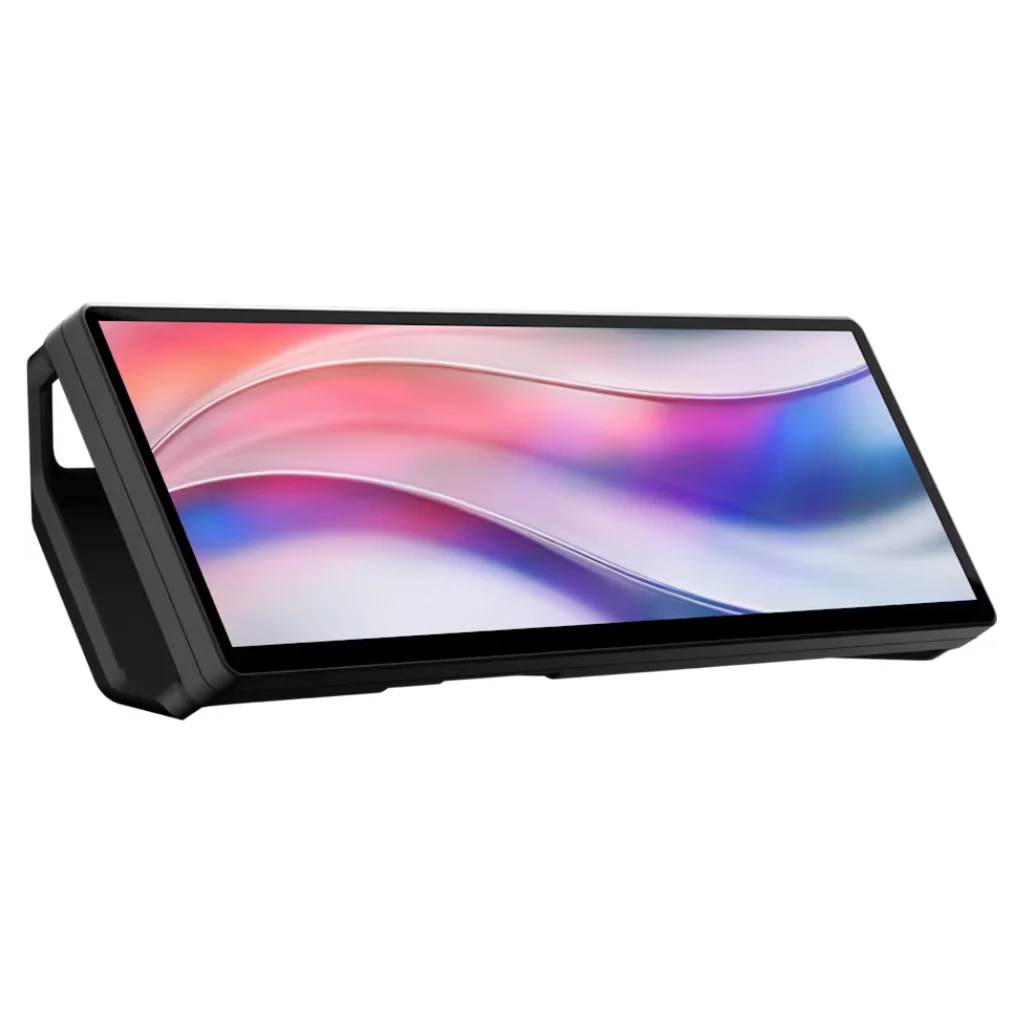
The landscape of PC hardware and consumer electronics has witnessed an unprecedented shift, marked by escalating component prices and a scarcity of new, desirable graphics processing units (GPUs). In a year where traditional PC building interest waned in favor of more cost-effective pre-built systems, an internal analysis of reader engagement at Tom’s Hardware revealed a surprising divergence in consumer clicking habits. Far from the anticipated pursuit of elusive GPU deals or deep discounts on high-end RAM, readers gravitated towards a trio of unexpected products: a portable touchscreen monitor, DVD burners, and a discounted Nintendo Switch 2. This phenomenon underscores a profound recalibration of consumer priorities, driven by economic realities and a renewed focus on utility and value.
Main Facts: A Year of Shifting Sands and Surprising Clicks
The past year presented a challenging environment for PC enthusiasts and builders. Sky-high prices for storage solutions and RAM, coupled with a notable absence of compelling new GPU releases, stifled enthusiasm for DIY PC construction. The economic calculus often tilted in favor of pre-built systems, which frequently offered better value propositions. Against this backdrop, Tom’s Hardware, a leading authority in PC technology, intensified its efforts to unearth and disseminate the best deals across various platforms, including live blogs, dedicated posts, deal hubs, and community channels like Discord.
While diligent searches for deals on crucial components yielded some moderate success—such as a few "reasonable" SSD deals from Western Digital and Samsung—the overarching trend for GPUs was one of scarcity, with genuine bargains proving largely non-existent. This scarcity, however, did not deter readers from seeking out information, indicating a persistent, albeit frustrated, demand.
Yet, the true revelation came from the raw click data. The products that commanded the most attention were startlingly distinct from the high-performance PC components one might expect. Topping the charts were:
- Corsair Xeneon Edge Portable Touchscreen Monitor: Despite frequently being out of stock, the sheer volume of clicks on this innovative peripheral highlighted a strong interest in flexible, multi-purpose display solutions.
- DVD Burners: An almost anachronistic product in an era dominated by digital downloads and cloud storage, the humble DVD burner unexpectedly captured significant reader interest, suggesting a latent demand for physical media solutions or specific legacy use cases.
- Nintendo Switch 2: Positioned against the backdrop of expensive gaming PCs and other consoles, a deal offering $100 off the rumored "Nintendo Switch 2" (likely referring to the then-current or an anticipated model of the popular console, reflecting consumer desire for value) resonated deeply with budget-conscious gamers. The article points to the $1,049 starting price of the Steam Machine and the general high cost of gaming PCs as factors making the Switch’s value proposition particularly attractive.
These top-performing items paint a picture of a consumer base prioritizing practicality, portability, and accessible entertainment over raw power or bleeding-edge specifications, especially when facing inflationary pressures and limited options in the high-performance segment.
Chronology: The Evolution of Consumer Priorities in a Restrictive Market
The narrative of consumer tech engagement over the past year can be traced through several distinct phases, reflecting both market constraints and adaptive user behavior.
Phase 1: The Pre-Deal Landscape (Initial Market Conditions)
At the outset of the period under review, the market was already grappling with significant challenges. Supply chain disruptions, exacerbated by global events, led to elevated pricing across a spectrum of components, notably RAM and SSDs. Simultaneously, the GPU market was in a state of flux. Following a period of intense demand driven by cryptocurrency mining, the subsequent market correction, coupled with a slower pace of new generation releases and high pricing for existing stock, left consumers with few attractive upgrade paths. This created an environment where the traditional allure of building a custom PC began to diminish, making pre-built systems, with their often superior price-to-performance ratios and bundled deals, increasingly appealing.
Phase 2: The Intensive Deal Search (Active Engagement Period)
As major shopping events approached, such as Prime Day 2026 (as indicated by the deal hubs), Tom’s Hardware, alongside other tech publications, launched comprehensive efforts to track and highlight potential bargains. The initial focus, aligned with historical reader interest, was heavily skewed towards core PC components. Teams worked "night and day" to identify discounts on GPUs, CPUs, motherboards, and memory. During this phase, early click data confirmed some expected trends: moderate interest in the few available SSD deals (like those from WD and Samsung) and a consistent, albeit often unfulfilled, search for GPU discounts. The sheer volume of searches for GPUs, despite their scarcity, underscored a deep-seated desire among the audience for these powerful components, even as the market failed to deliver.
Phase 3: The Emergence of Unexpected Leaders (Observation and Reassessment)
It was during the peak of these deal events that the truly unexpected trends began to solidify. As readers navigated the curated lists of deals, their clicks started to diverge significantly from the anticipated pattern. The Corsair Xeneon Edge portable monitor, with its blend of utility and modern design, began to climb the ranks of popular items. Its appeal, even when out of stock, suggested a strong underlying need for flexible display solutions in an increasingly mobile and hybrid-work-oriented world.
Almost simultaneously, the surprising resurgence of DVD burners as a high-click item forced a re-evaluation of assumptions about consumer tech needs. This indicated a segment of the audience looking beyond the latest trends, perhaps for practical, cost-effective data management or retro-compatibility.
Finally, the consistent performance of the Nintendo Switch 2 deal solidified the hypothesis that value and accessible entertainment were paramount. The console’s ability to offer a compelling gaming experience at a price point significantly lower than high-end PC alternatives, especially with an attractive discount, proved irresistible to a broad audience, including "cash-strapped gamers."
Phase 4: Post-Event Analysis (Reflective Understanding)
The culmination of these observations led to the internal analysis by Tom’s Hardware, identifying these three disparate products as the "undisputed click leaders." This final phase involved piecing together the "why" behind these trends, recognizing the broader economic and psychological factors at play that steered consumers away from traditional high-performance PC component pursuits and towards solutions offering immediate utility, value, and accessible entertainment. The data provided a clear snapshot of a consumer base adapting its purchasing behavior to prevailing market conditions rather than simply waiting for ideal component prices to return.
Supporting Data: Dissecting the Consumer Shift
The unexpected popularity of the Corsair Xeneon Edge portable monitor, DVD burners, and the Nintendo Switch 2 provides rich data points for understanding evolving consumer behavior in the tech market.
The Portable Monitor Phenomenon: Corsair Xeneon Edge
The Corsair Xeneon Edge portable touchscreen monitor, despite its occasional unavailability, consistently drew significant attention. This isn’t merely a testament to Corsair’s brand appeal but reflects broader market trends:
- Rise of Hybrid Work and Remote Learning: The need for extended screen real estate beyond a single laptop display has surged. Portable monitors offer a flexible solution for professionals and students who work or learn from various locations, from home offices to coffee shops.
- Enhanced Productivity and Multitasking: A second screen, especially a touchscreen, can dramatically improve productivity for tasks ranging from coding and graphic design to content consumption and casual gaming. Its utility extends beyond a static desktop setup.
- Niche Innovation Appeal: The Xeneon Edge likely stood out due to its specific features (touchscreen, portability) in a market saturated with standard monitors. Consumers are increasingly willing to invest in products that solve specific pain points or enhance convenience. The "Edge" in its name might also imply a cutting-edge design, attracting early adopters or those seeking modern aesthetics.
- Complementary Device: Unlike core PC components, a portable monitor is an add-on that enhances existing setups (laptops, mini-PCs, even smartphones/tablets), making it a lower-barrier entry for an upgrade in functionality compared to a full PC build.
The Enduring Allure of DVD Burners
The top-tier performance of DVD burners in click metrics is perhaps the most surprising finding, challenging assumptions about the obsolescence of optical media. Several factors likely contributed:
- Niche Archiving and Data Backup: In an era of subscription-based cloud storage and potential data privacy concerns, physical media offers a tangible, one-time-cost solution for long-term archiving of important documents, photos, and videos. Many users still prefer having a physical backup independent of internet connectivity.
- Legacy System Compatibility: A significant portion of the global computer user base still interacts with older systems or media. DVD burners are essential for maintaining compatibility with legacy software, game installations, and physical media collections (e.g., old family videos, music CDs).
- Media Conversion and Transfer: Users may be digitizing old home movies, converting audio CDs, or burning custom compilation discs. DVD burners serve as a bridge between physical and digital formats.
- Cost-Effectiveness: Compared to external hard drives or cloud storage subscriptions, blank DVDs are incredibly inexpensive per gigabyte, making them an attractive option for budget-conscious individuals or small businesses for certain types of data storage.
- Offline Entertainment: For some, burning DVDs remains a way to create physical copies of movies or TV shows for offline viewing, particularly in areas with unreliable internet access or for use in vehicles and other environments where streaming is impractical. The simplicity and universality of DVD playback devices also play a role.
Nintendo Switch 2: The Value Proposition for Gamers
The strong performance of the Nintendo Switch 2 (likely referring to a discounted Switch OLED or an anticipated model) underscores a critical shift in the gaming market:
- Price Sensitivity: With gaming PCs commanding high prices and next-generation consoles like the PlayStation 5 and Xbox Series X often difficult to acquire or equally expensive, the Switch offers a more accessible entry point into modern gaming. The reported $100 discount makes it an even more compelling value.
- Unique Gaming Experience: Nintendo’s unique first-party titles and hybrid handheld/docked gameplay model offer an experience distinct from PC or other console gaming, appealing to a broad demographic, including families and casual gamers.
- Portability: The Switch’s core appeal lies in its versatility. Its ability to transition seamlessly between a home console and a portable handheld resonates strongly with modern lifestyles, offering gaming on the go.
- Erosion of PC Building Advantages: When GPU prices are high and new generations are scarce, the performance advantage of a custom-built PC diminishes relative to its cost, pushing some gamers towards more convenient, value-packed console alternatives. The article explicitly mentions the high cost of the Steam Machine and gaming PCs as drivers.
- "Next-Gen" Hype, Even for Consoles: The mention of "Switch 2" suggests that even if it was a misnomer for an existing model, the promise of a newer, better version of an already popular console generated significant excitement and clicks, highlighting consumer appetite for advancements within familiar ecosystems.
Collectively, this supporting data reveals a tech consumer base that is pragmatic, value-oriented, and keenly aware of how current market conditions impact their purchasing power. They are seeking solutions that offer immediate utility, address specific needs, or provide accessible entertainment, even if it means looking beyond the traditional "hot" components of the PC enthusiast market.
Expert Commentary and Industry Reactions: Interpreting the Signals
The surprising click data, while an internal observation from Tom’s Hardware, offers valuable insights that resonate with broader industry trends and could prompt reactions from various stakeholders. While no direct "official responses" from manufacturers were provided in the original article, we can infer expert commentary and potential industry perspectives.
Tom’s Hardware’s Own Perspective:
The article itself serves as Tom’s Hardware’s "official response" to its own data. The clear surprise expressed by the editorial team – "much of it was not what we could have possibly predicted" – indicates a genuine revelation. Their active role in "searching for and sharing deals in live blogs, standalone posts, deal hubs, and Discord" highlights their commitment to serving reader needs, even as those needs unexpectedly diverged from the norm. This observation underscores the dynamic nature of consumer tech journalism, requiring constant adaptation to audience behavior. The article implicitly suggests that even seasoned tech journalists can be caught off guard by the nuances of market shifts, emphasizing the importance of data-driven insights.
Market Analyst Perspectives (Inferred):
Industry analysts, observing these trends, would likely highlight several points:
- Validation of Value-Driven Strategies: The strong performance of discounted consoles like the Nintendo Switch 2 validates the strategy of offering strong value propositions in a high-cost environment. It suggests that while cutting-edge performance always has an audience, a larger segment of consumers is actively seeking affordable, complete entertainment solutions.
- Resilience of Utility Products: The portable monitor’s popularity indicates a robust market for peripherals that enhance productivity and flexibility, particularly in the post-pandemic era of hybrid work. Analysts might advise manufacturers to diversify their product lines beyond raw power, focusing on practical, problem-solving innovations.
- Niche Market Endurance: The unexpected demand for DVD burners points to the enduring power of niche markets and specific use cases. It reminds the industry that not all consumers are chasing the latest trends; some require dependable, cost-effective solutions for specific, often overlooked, needs like archiving or legacy compatibility. This challenges the notion that older technologies are universally obsolete.
- Impact of Macroeconomic Factors: Economic headwinds, inflation, and tighter household budgets inevitably influence purchasing decisions. Analysts would likely connect these click trends to broader macroeconomic conditions, noting that consumers are becoming more discerning and less impulsive with their discretionary tech spending.
Manufacturer and Retailer Implications (Hypothetical):
- For Corsair (and similar peripheral manufacturers): The Xeneon Edge’s success could encourage further investment in innovative, utility-focused peripherals, especially those catering to hybrid work environments and multi-device ecosystems. It signals that consumers are willing to pay for convenience and flexibility.
- For Optical Drive Manufacturers: While DVD burners are a mature product, this data might prompt manufacturers to recognize a small but consistent demand, perhaps even exploring niche updates or marketing strategies targeting specific archiving or media conversion needs. Retailers, in turn, might ensure better stocking of such "legacy" utility items.
- For Nintendo (and console makers): The Switch 2’s performance reinforces the importance of accessible pricing and a unique value proposition. It highlights that even in a competitive gaming market, a well-positioned console offering distinct experiences and good value can thrive, particularly when PC component costs are prohibitive. This could influence future pricing strategies and bundle offerings.
- For General Tech Retailers: This data serves as a crucial reminder to diversify deal offerings. Relying solely on discounts for the latest GPUs or high-end CPUs might miss a significant portion of the market. Curating deals that cater to value, utility, and diverse user needs (e.g., portable devices, archiving tools, affordable gaming) is essential for maximizing engagement and sales.
In essence, the expert commentary would converge on a common theme: the tech market is not monolithic. Consumer desires are complex and highly responsive to prevailing economic conditions and technological trends. The click data from Tom’s Hardware offers a tangible illustration of this adaptability, providing a micro-level view of macro-level shifts.
Implications: Reshaping the Future of Tech Consumption and Journalism
The unexpected patterns observed in reader engagement carry significant implications for various facets of the technology ecosystem, from consumer purchasing habits to industry strategies and even tech journalism itself.
1. Re-evaluation of "Hot" Tech Segments:
For years, the narrative in PC hardware has been dominated by the pursuit of raw power: the fastest CPU, the most powerful GPU, the quickest SSD. However, this data suggests a potential shift where "hot" doesn’t necessarily mean "most powerful." Instead, "hot" might signify "most useful," "most affordable," or "most versatile." This could lead to a broader appreciation for product categories that previously received less mainstream attention, such as portable peripherals and value-driven entertainment systems.
2. Consumer Behavior: The Reign of Value and Utility:
The most profound implication lies in consumer behavior. Faced with economic pressures and a market that struggles to deliver affordable high-performance components, consumers are clearly prioritizing value, utility, and immediate problem-solving. This isn’t just about saving money; it’s about making smart investments in technology that genuinely enhances their daily lives, whether through increased productivity (portable monitor), reliable data management (DVD burner), or accessible entertainment (Nintendo Switch 2). This trend suggests that future purchasing decisions will be heavily influenced by a product’s practical application and its cost-benefit ratio, rather than just its specifications sheet. "Cash-strapped gamers" are a prime example, opting for a discounted console over an expensive PC.
3. Impact on PC Building and Upgrade Cycles:
The "tepid interest in PC building" highlighted in the article could persist if component prices remain high and innovation in core components slows or becomes prohibitively expensive. This might further entrench the dominance of pre-built PCs, as manufacturers can leverage bulk purchasing and assembly efficiencies to offer better value. For DIY enthusiasts, it might mean longer upgrade cycles or a greater focus on targeted upgrades (e.g., a new monitor) rather than complete system overhauls. The dream of a custom-built, cutting-edge PC might become a luxury for an even smaller segment of the market.
4. Retailer and Manufacturer Strategies:
Retailers must diversify their promotional strategies beyond traditional "doorbuster" deals on GPUs or CPUs. The success of portable monitors and even DVD burners signals a need to understand the underlying, often unspoken, needs of their customer base. Manufacturers, in turn, might pivot their R&D and marketing efforts to emphasize utility, affordability, and innovative niche solutions. The enduring appeal of a discounted console like the Switch 2 is a powerful lesson for all gaming hardware developers: value and a unique experience can often trump raw graphical horsepower in market penetration.
5. Evolution of Tech Journalism:
For publications like Tom’s Hardware, these findings are a critical feedback loop. While covering the bleeding edge of technology remains essential, understanding and addressing the broader, more practical needs of a diverse readership becomes paramount. This implies a need to:
- Diversify Content: Beyond reviews of high-end components, more focus on value-oriented products, peripherals, and solutions for specific use cases.
- Emphasize Deal Aggregation: Continue and enhance efforts to track and present deals across a wider range of products, acknowledging that "value" is a primary driver. The extensive list of deal hubs provided in the original article (for everything from 3D printers to USB chargers) reflects an existing understanding of this need.
- Deep Dive into Consumer Psychology: Explore the "why" behind purchasing decisions, analyzing market trends through the lens of economic factors and user needs.
In conclusion, the unexpected clicks on portable monitors, DVD burners, and a discounted Nintendo Switch 2 are more than just anomalous data points. They are clear signals from a market in transition, where consumers are adapting, prioritizing, and redefining what constitutes "desirable" technology. For the tech industry and those who report on it, understanding these shifts is crucial for staying relevant and serving the evolving needs of a pragmatic and value-conscious audience. The future of tech consumption, it seems, is less about chasing the ultimate spec sheet and more about finding clever, accessible solutions for everyday challenges and entertainment.

