

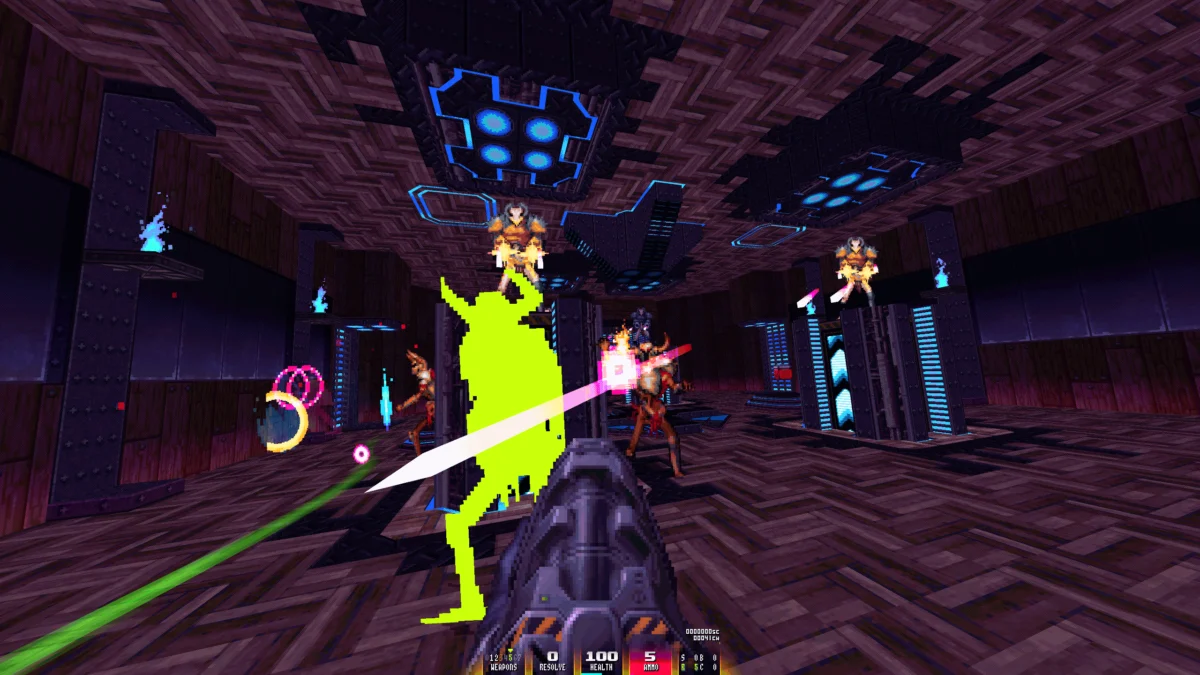
In the pantheon of first-person shooters, few titles possess the structural integrity and cultural longevity of id Software’s Doom. For over three decades, its source code has served as a digital sandbox for developers, architects, and artists. Yet, rarely does a project emerge that fundamentally recontextualizes what the GZDoom engine is capable of. End of Starchild, a free, standalone experience by musician and developer Em Essex, is one such rarity. It is not merely a "Doom mod"; it is a multi-layered, existential odyssey that challenges the boundaries of the engine and the expectations of the genre.
The Genesis of an Eldritch Arcade
At its surface, End of Starchild presents itself as a hyper-kinetic, polarized "bullet hell" arcade shooter. Clocking in at a deceptively small 36-megabyte download, the game serves as a spiritual successor to Essex’s 2021 cult hit, Time Tripper.
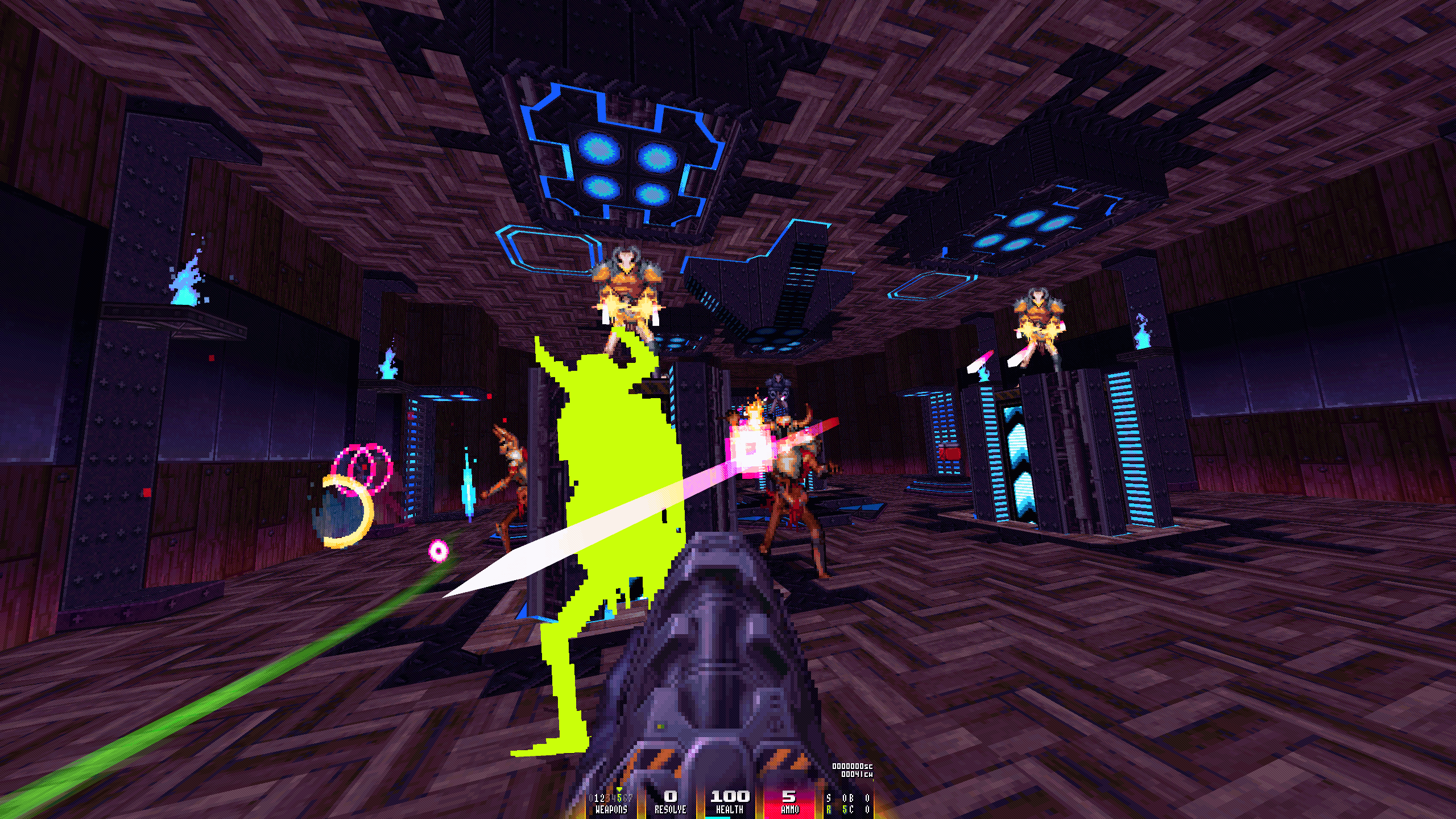
Players take on the role of Elph, a non-binary, horned protagonist traversing six distinct, ornate, and eldritch environments. The core gameplay loop involves navigating through dense, neon-hued patterns of projectiles while engaging in combat that favors speed and improvisation. Unlike traditional Doom gameplay, where the focus often lands on strategic resource management and positioning, End of Starchild pushes the player to move at velocities far exceeding the legendary 60mph sprint of the original Doomguy.

The combat is punctuated by a unique weapon economy: enemies drop single-use sub-weapons upon defeat, forcing the player to constantly adapt their playstyle on the fly. This, combined with the game’s distinctive aesthetic—ranging from "cozy" cult libraries to psychedelic, high-energy neon raves—establishes a pacing rhythm that feels closer to a shmup (shoot ’em up) than a standard corridor shooter.
Chronology and Scope: A Three-Tiered Experience
To understand the significance of End of Starchild, one must view it not as a linear experience, but as a three-tiered structure.
Layer One: The Arcade Campaign
The initial experience is a tight, three-hour campaign. The design philosophy here is "refined chaos." The classic Doom arsenal has been overhauled for maximum impact: the shotgun is a powerhouse of visceral feedback, the machine gun rewards sustained fire, and the rocket launcher creates skull-shaped explosions that act as both a visual spectacle and a tactical hazard. The difficulty is dynamic, utilizing a ranking system that monitors player performance, subtly adjusting enemy aggression based on how well—or how poorly—the player is faring.

Layer Two: The Oneiric Scavenger Hunt
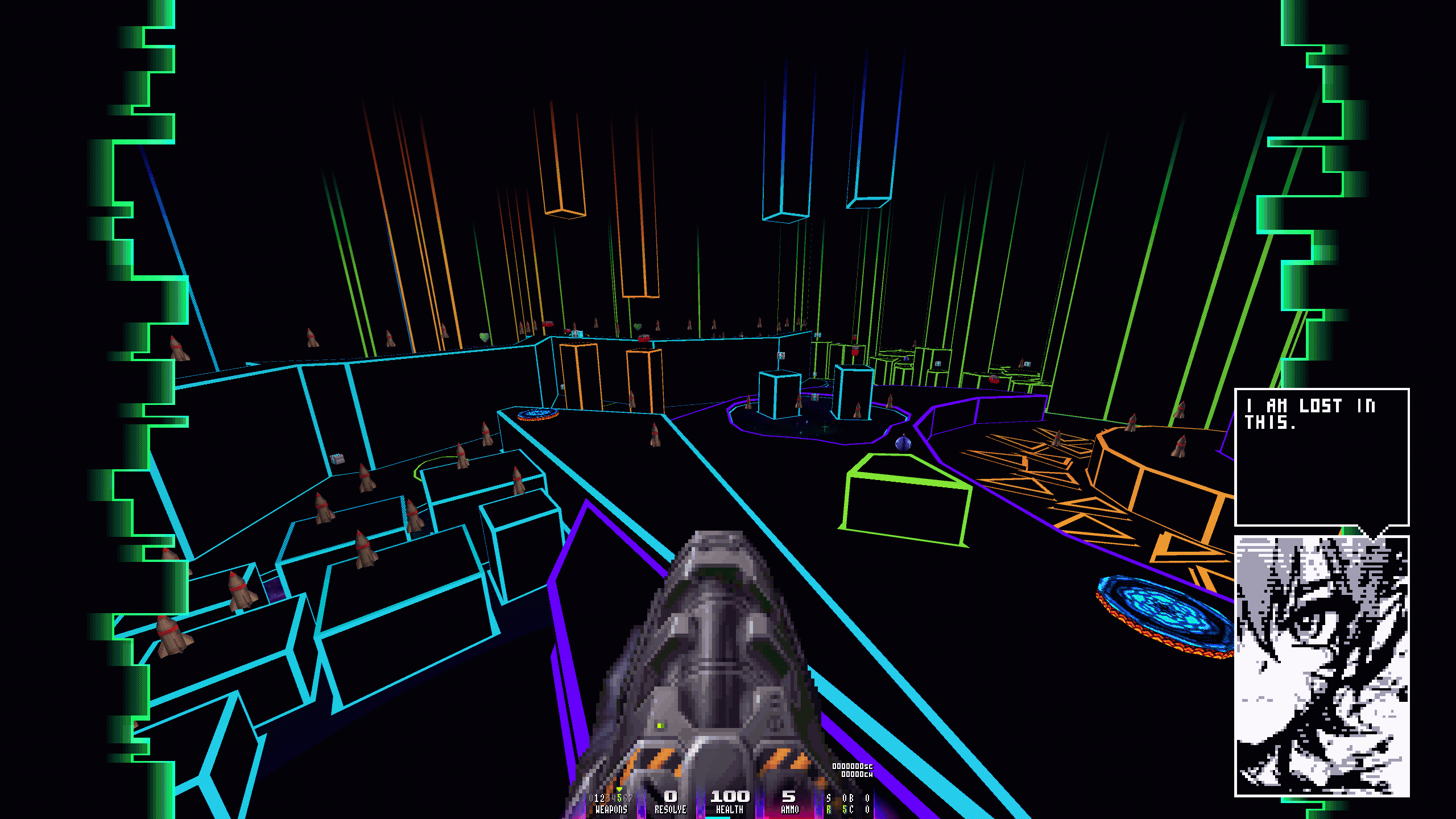
Once the surface campaign is cleared, the game pivots into a non-linear exploration adventure reminiscent of Yume Nikki. Here, the player is encouraged to scour the environments for secrets, utilizing advanced air-dashing mechanics to uncover hidden, narrative-heavy areas. These "fragmented memories" are not just world-building; they alter the game state, introducing permanent changes that reward the inquisitive player.
Layer Three: Sonata
The most startling aspect of End of Starchild is the inclusion of "Sonata." Embedded within the GZDoom framework is an entirely separate 8-bit JRPG. Inspired by titles like Mega Man Battle Network, Sonata features real-time combat on a 3×3 grid. It is an unsettling, low-fidelity mirror to the 3D world above, filled with cryptic lore and punishing difficulty. It serves as a structural subversion of the core game, offering a deep, grueling challenge that requires its own set of survival skills, including the strategic use of limited-supply health potions and escape items.
Technical Feats and Supporting Data
The technical accomplishment of running a 3D shooter and an 8-bit JRPG simultaneously within the GZDoom engine cannot be overstated. By customizing the engine, Essex has demonstrated that the limitations of a 30-year-old codebase are largely illusory, provided there is enough creative ingenuity.
Data-wise, the game relies heavily on player persistence. Completionists looking to unearth every secret and witness every ending will find themselves investing upwards of 15 hours. This level of depth, hidden behind what initially appears to be a short arcade experience, invites comparisons to high-concept, subversive indie titles like Void Stranger. It is a masterclass in "hidden depth," where the developer has crafted a world that feels as though it actively resists being fully understood.
Official Stance and Community Reception
Em Essex has remained relatively enigmatic regarding the specific lore of End of Starchild, preferring the player’s experience to dictate the interpretation of its themes. However, the reception within the modding and retro-gaming community has been overwhelmingly positive, with many critics citing the game’s "unsettling poetry" and mechanical polish as a high-water mark for the GZDoom scene.
It is worth noting, however, that the game has faced a common hurdle for independent, standalone software: false-positive virus detections. Because of the way the game’s custom executables and scripts are packaged, some overzealous antivirus software may flag the download as a threat. Thorough testing by the community and independent security researchers has confirmed these to be false positives, likely stemming from the unconventional nature of the software’s architecture.
Implications for the Future of Modding
End of Starchild represents a shift in how the community views "modding." Historically, a Doom mod was seen as a way to extend the life of an existing game. Today, developers like Em Essex are using the GZDoom engine as a legitimate game development tool, creating original, proprietary experiences that happen to utilize the engine’s physics and renderer.
The implications are clear: the barrier to entry for high-level, complex, and deeply layered game design is lower than ever, yet the ceiling for artistic expression remains infinitely high. End of Starchild is not just a tribute to the past; it is a blueprint for the future of indie development. By merging the visceral satisfaction of 90s shooters with the dense, psychological puzzle-solving of modern indie darlings, Essex has created a piece of software that demands to be played.
For those wary of the difficulty, the inclusion of robust accessibility options and an "Easy" mode ensures that the narrative and stylistic brilliance of the game remains available to all players, regardless of their proficiency with twitch-based shooters. Whether you are a long-time veteran of the Doom engine or a newcomer looking for something profoundly weird and expertly crafted, End of Starchild is an essential experience that proves the wells of 1993’s greatest shooter are nowhere near dry.

