

The indie gaming landscape shifted seismically this week as Toby Fox, the visionary creator behind the global phenomenon Undertale, unleashed the fifth chapter of his sprawling follow-up, Deltarune. The launch has not only reignited the fervent fan base that has sustained the series for nearly a decade but has also propelled the title to the upper echelons of Steam’s commercial performance. With concurrent player counts reaching nearly 300,000—a figure that effectively doubles the game’s previous records—Deltarune has cemented its status as a cultural juggernaut.
As players dive into the latest installment, the narrative threads that began in 2018 have begun to weave into a more complex, dark, and enigmatic tapestry. Beyond the immediate excitement of new gameplay, the release of Chapter 5 serves as a pivotal moment in the title’s development history, signaling that the end of the Deltarune saga is finally within sight.
A Chronology of Chaos: From Humble Beginnings to Modern Success
To understand the significance of Chapter 5’s release, one must look back at the unconventional rollout of the Deltarune project. Toby Fox has consistently eschewed traditional industry marketing, opting instead for surprise drops and cryptic, community-driven communication.
- 2018: The Shadow Drops. The first chapter of Deltarune arrived as a complete surprise in late 2018, released for free. Its arrival was framed as a "survey program," leaving fans to speculate about its connection to the critically acclaimed Undertale.
- 2021: Expanding the World. Three years later, Chapter 2 was released, also for free. This period marked a transition, as the game began to shed its identity as a mere spin-off and established itself as a distinct, massive undertaking.
- 2025: The Official Release. In a shift of strategy, Fox moved to an "official" release model. With the simultaneous launch of Chapters 3 and 4, the game shifted from a free-to-play experiment to a premium title. This move validated the project’s scope and allowed the developer to secure the resources necessary to finish the remaining chapters.
- 2026: The Chapter 5 Milestone. The current launch represents the culmination of that pivot. By releasing Chapter 5, Fox has successfully delivered a substantial portion of the planned narrative, satisfying a community that has been eager for more content since the 2025 releases.
Data and Performance: Why Deltarune Remains Indomitable
The numbers surrounding Deltarune are, by any metric, extraordinary for an indie project. The surge to 300,000 concurrent users on Steam places it in direct competition with major AAA live-service titles, a rare feat for a narrative-driven, single-player RPG.
Market analysts suggest that the success is driven by the "legacy effect" of the Undertale community combined with the sustained interest in Deltarune’s unique "Dark World" mechanics. Unlike traditional sequels, Deltarune offers a complex, multi-layered combat system and a narrative that rewards deep-dive community theorizing.
The game currently sits within the top 10 best-selling titles on Steam, a testament to the fact that, despite the long gaps between releases, the audience has not only remained loyal but has grown. The transition to a paid model has not hindered the game’s popularity; rather, it has formalized the relationship between the creator and his audience, providing a stable foundation for the final two chapters.
Official Communications: The Roadmap to 2027
Following the release, the official Deltarune Steam page and Toby Fox’s personal newsletters have provided much-needed clarity on the future of the franchise. Addressing the anxiety of fans who feared the game might enter another long, undefined hiatus, the developer has offered a concrete timeline.
"The story is still continuing, and more chapters will be added for free over time," the official FAQ states. "We are aiming for a 2027 release! Meanwhile, we will be periodically releasing information on the development progress of the game."
This promise of a 2027 window for the next installment is a radical departure from the previous "when it’s ready" approach. Furthermore, the news is even more optimistic regarding the final act. In a recent newsletter, Fox hinted that the development cycle for the penultimate chapter is progressing at a pace that has exceeded his own internal projections. He noted that it is "not unrealistic that some staff members may start working on Chapter 7 before the end of the year."
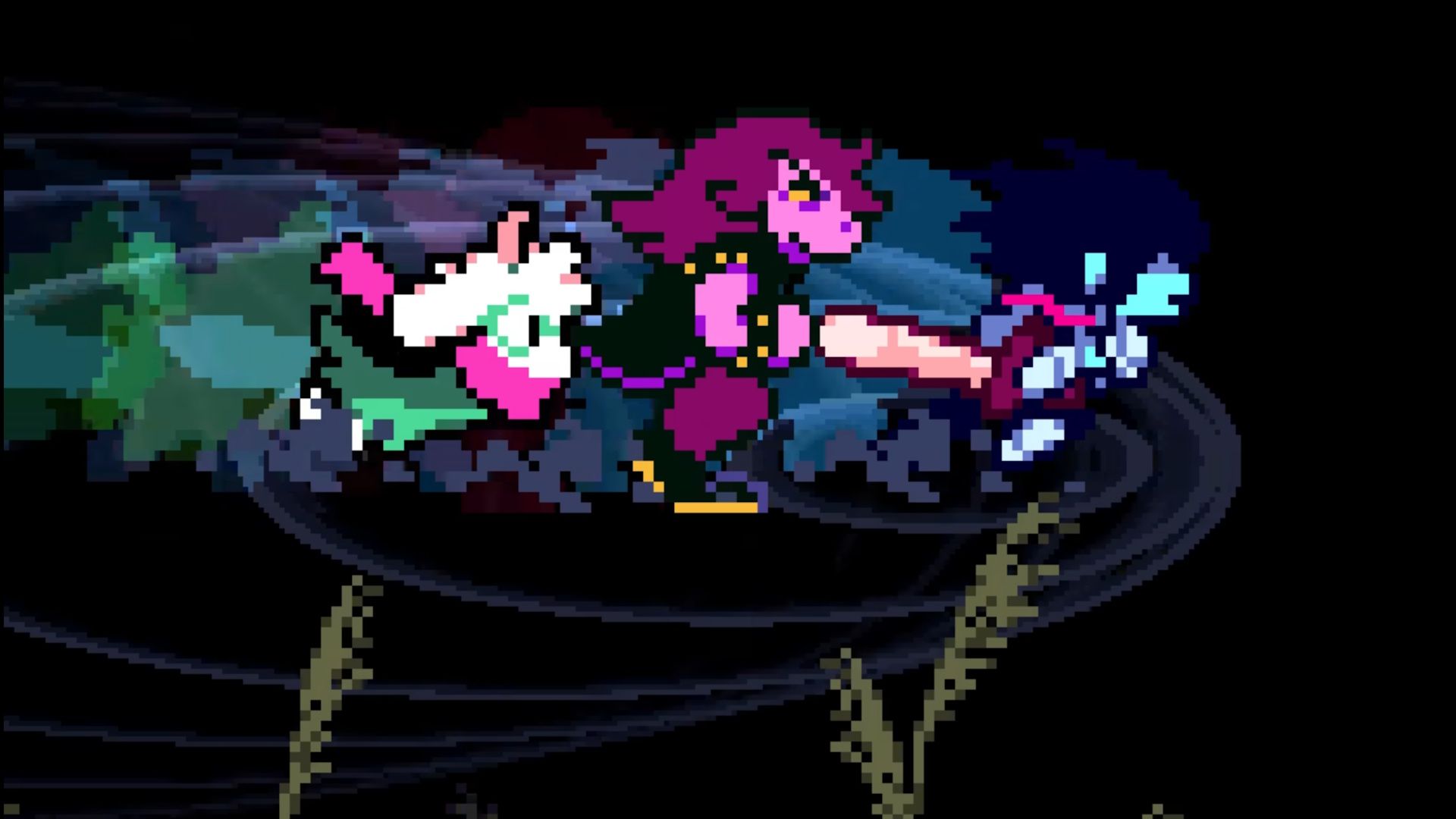
This efficiency suggests that the core engine and asset pipeline for Deltarune have reached a state of maturity, allowing the team to iterate and produce content much faster than in the early, experimental stages of the project.
The Implications: What This Means for Indie Development
The success of Deltarune carries significant implications for the wider gaming industry. It serves as a case study in how "slow-burn" development—when managed by a trusted auteur—can yield higher engagement than the traditional, high-pressure, yearly sequel cycles seen in larger studios.
The "Auteur" Model
Toby Fox has successfully maintained complete creative control while navigating the commercial demands of a global audience. By utilizing a pay-once model that grants access to all future chapters, he has created a "Season Pass" structure that feels consumer-friendly rather than predatory. Fans who purchased the game in 2025 are essentially receiving the subsequent chapters as a reward for their early investment, a model that fosters immense goodwill.
Community Engagement
The role of the community in the success of Deltarune cannot be overstated. From the cryptic social media posts to the intricate lore-hunting that occurs on platforms like Bluesky and Discord, the game thrives because the audience feels like a participant in the process. The "wait" for new chapters has become a part of the game’s identity, transforming a potential negative into a shared, communal experience.
Technical Scaling
The fact that Deltarune can handle such a massive influx of players during launch windows without significant technical degradation is a testament to the engine’s stability. While the aesthetic remains retro-inspired, the underlying architecture is clearly robust enough to support a large-scale, multi-part narrative project.
The Final Stretch: Looking Toward the Horizon
As we look toward 2027 and beyond, the focus shifts to how the Deltarune story will conclude. With the release of Chapter 5, the narrative stakes have never been higher. Players are currently piecing together the implications of the latest plot twists, many of which appear to bridge the gap between the world of Deltarune and the beloved characters of Undertale.
The upcoming release of Chapter 6, and the eventual arrival of Chapter 7, will mark the end of an era. For Toby Fox, this is the final realization of a vision that began over a decade ago. For the industry, it stands as a reminder that patience, quality, and a direct, honest connection with the audience remain the most powerful tools in game development.
As the community settles into the content provided by Chapter 5, the mood is one of quiet, expectant triumph. The game that was once an experimental curiosity has become one of the defining titles of the decade. The road to 2027 is long, but for a legion of fans, the journey—marked by the humor, darkness, and heart of the Dark World—is well worth the wait.

