

In the evolving landscape of digital entertainment, the line between cinema and software is blurring. Ahead of this year’s Summer Games Fest, Paramount and Skydance announced a strategic consolidation of their gaming divisions into a single, unified entity: Paramount Games Studio. This move marks a pivotal shift for the media conglomerate, signaling an end to the era of passive licensing in favor of active development, co-production, and long-term brand stewardship.
Helmed by Executive Vice President Dan Prigg—a veteran of Scopely and Aspyr Media who joined Skydance Interactive in 2022—the new division brings together 170 staff members. Their mission is clear: to transform Paramount from a company that merely rents out its intellectual property to one that nurtures it within the interactive space.
The Evolution of a Strategy: A Chronology of Change
For years, Paramount’s relationship with the video game industry was defined by a distance that often led to inconsistent results. Historically, film studios treated games as mere marketing collateral—"tie-in" products rushed to market to coincide with a theatrical release, often sacrificing quality for temporal alignment.
The consolidation of Skydance Interactive, Skydance New Media, and Paramount’s internal IP marks the culmination of a multi-year pivot:
- Pre-2022: Paramount operated primarily as a licensor, allowing third-party developers to utilize its vast library of film and television properties with minimal oversight or internal development capacity.
- 2022: Dan Prigg joins Skydance Interactive as EVP and Head of Studio, bringing a focus on high-quality, interactive experiences and modern development methodologies.
- Early 2024: Paramount and Skydance begin the internal structural shifts necessary to merge their disparate gaming assets into a singular, cohesive division.
- June 2024: Paramount Games Studio is formally unveiled, consolidating Skydance’s development prowess with Paramount’s expansive IP catalog.
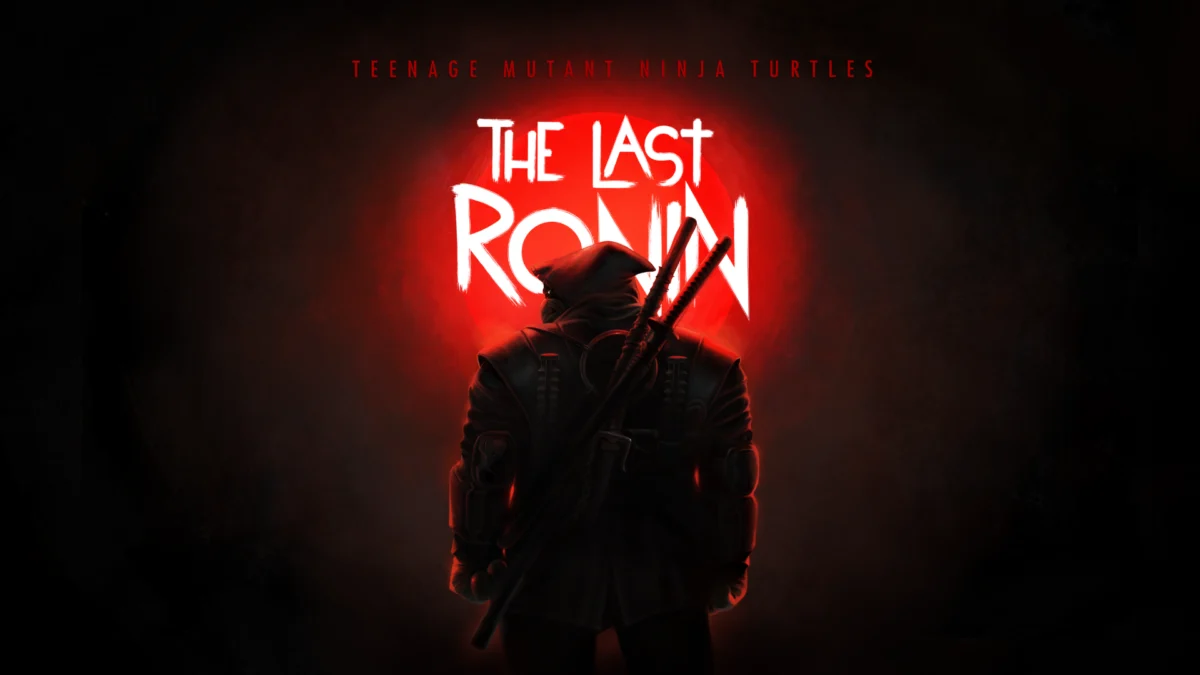
- Present Day: The studio begins an aggressive push into co-development, marked by the announcement of a new Teenage Mutant Ninja Turtles title from PlatinumGames and Star Trek: Shadow Frontier from Bloober Team.
The Architecture of Paramount Games Studio: Supporting Data
The newly formed entity is not just a branding exercise; it is a resource-heavy pivot designed to handle a diverse portfolio. With 170 employees, the studio is positioned to act as a hub for both internal creation and external partnership management.
According to Prigg, the studio’s current slate is robust and multi-faceted:
- AAA Console Projects: The studio is overseeing the highly anticipated Marvel project from Amy Hennig’s studio, as well as an undisclosed Star Wars title.
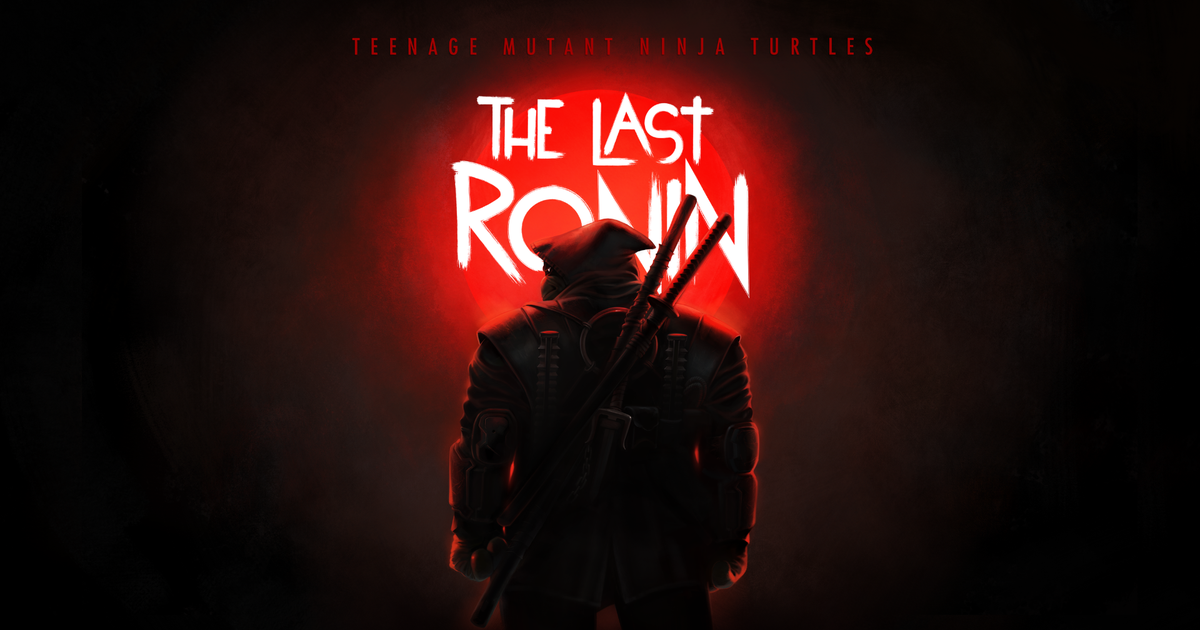
- Co-development Initiatives: Teenage Mutant Ninja Turtles (PlatinumGames) and Star Trek: Shadow Frontier (Bloober Team) highlight a strategy of pairing established, genre-specific studios with iconic brands.
- Emerging Platforms: A continued commitment to the Roblox ecosystem (featuring SpongeBob SquarePants and TMNT titles) to capture Gen Alpha, alongside a growing focus on mobile partnerships with industry titans like Scopely and FunPlus.
The "right IP, right team, right size" philosophy dictates their approach. Prigg emphasizes that not every project needs to be a "triple-A" blockbuster. By allowing for "double-A" titles, the studio creates room for creative risks that might otherwise be stifled by the immense budget and risk-aversion associated with AAA development.
Official Perspectives: The Philosophy of Dan Prigg
In an exclusive discussion, Dan Prigg articulates the necessity of this structural change. "Paramount, prior to the merger, was just licensing," Prigg notes. "They weren’t doing any internal development. They weren’t really doing much in terms of co-development and publishing."
The new organization aims to manage the "4D quadrants" of its audience—a challenge involving a vast library of IP that spans generations. "There are kids who may have never heard of Teenage Mutant Ninja Turtles," Prigg explains, "or there might be that Gen X [viewer] that hadn’t thought of Turtles in 20 years. For us, it’s really about the exposure: if we continue to build a brand [through games], maybe then they want to see the TV show or the movie or an animation."
Perhaps most importantly, Prigg is adamant about decoupling game development from film release schedules. The days of "movie tie-in" games—infamous for their poor quality—are over. Paramount Games Studio intends to let games exist as standalone entities. "You can’t do it if you’re under the extra restriction of having to be out by the theatrical release date," Prigg says. "The games stand on their own."
Implications: Can Paramount Avoid the "Hollywood Curse"?
The history of Hollywood’s involvement in gaming is littered with failed experiments. From Disney’s shuttering of Disney Infinity to various mid-2000s studio closures, the gaming industry has proven time and again that it is not a market to be trifled with by outsiders. The common thread among failures has been a lack of institutional commitment—treating games as a "side hustle" that can be discarded when the margins thin.
However, Paramount is approaching this with a "pragmatic" mindset. Prigg suggests that current senior leadership at Paramount genuinely believes in games as a vital medium, not just a marketing tool. This, he argues, is the differentiator.

The Flywheel Effect: Games Creating IP
A revolutionary aspect of this new studio is the plan to move beyond just adapting existing films. Skydance Interactive is currently focusing on original properties, moving away from its roots in VR to develop new titles for PC and console. The long-term goal is to initiate a "reverse-flywheel": instead of movies spawning games, successful, original games could spawn television series or cinematic universes.
The Integration Factor
With the looming acquisition of Warner Bros. assets—a group that already includes the highly successful WB Games—the industry is watching to see how these giants will eventually merge their digital footprints. Prigg remains focused on the present: "I’m just treating my division as a business-as-usual."
Conclusion: A New Horizon
The establishment of Paramount Games Studio represents a maturity in how legacy media companies view interactive entertainment. By prioritizing talent, platform diversity, and creative independence over the archaic "licensing-only" model, Paramount is positioning itself to be a permanent fixture in the gaming landscape.
As the studio continues to solicit pitches and refine its co-development strategy, the goal remains singular: to build a portfolio where the games are as legendary as the intellectual property they represent. In a world where players are becoming increasingly discerning, Paramount’s willingness to let games breathe, stand on their own, and potentially lead the charge for future cinematic narratives may prove to be their greatest advantage. The industry is watching—and for the first time in a long time, it’s not because of a blockbuster movie, but because of a studio that is finally playing by the rules of the game.

