

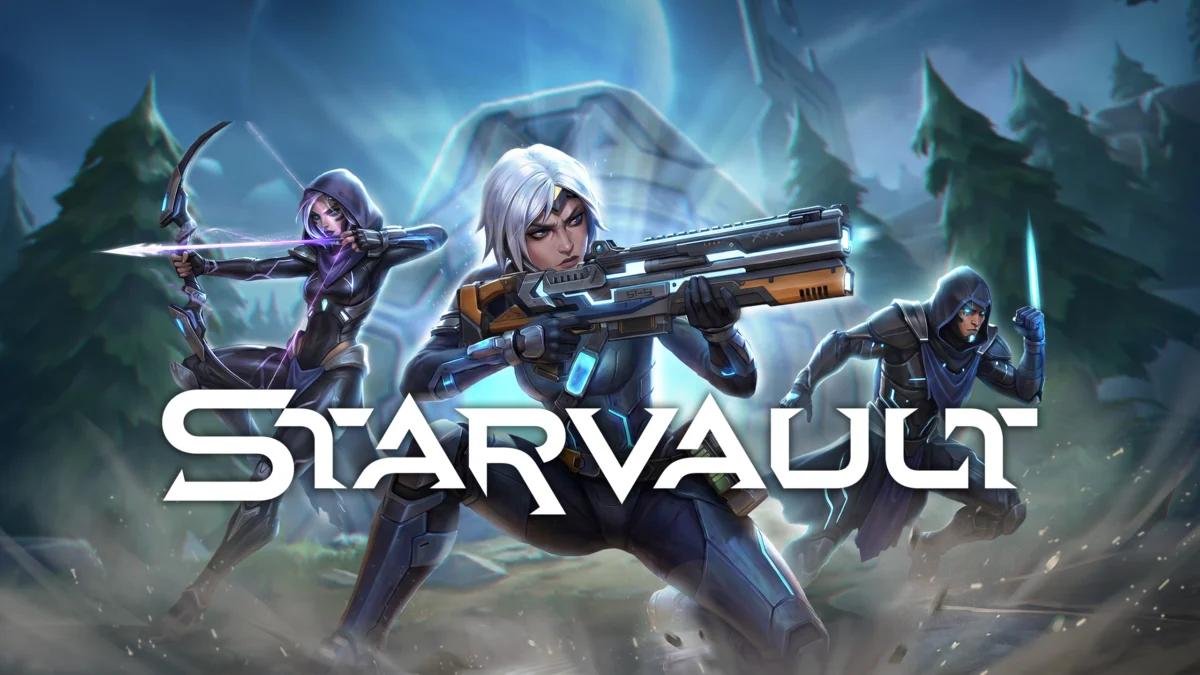
When Starvault first launched on the Meta Quest in November 2025, it was met with cautious optimism. In the crowded ecosystem of virtual reality shooters, developers often struggle to innovate beyond the standard battle royale or tactical arena tropes. However, with its recent arrival on SteamVR in June 2026, Starvault has transitioned from a promising standalone experiment into a fully realized, cross-platform competitive powerhouse. By blending the high-stakes tactical depth of a Multiplayer Online Battle Arena (MOBA) with the immersive physicality of VR, developer Theia Games has crafted something that defies genre expectations.
Main Facts: At a Glance
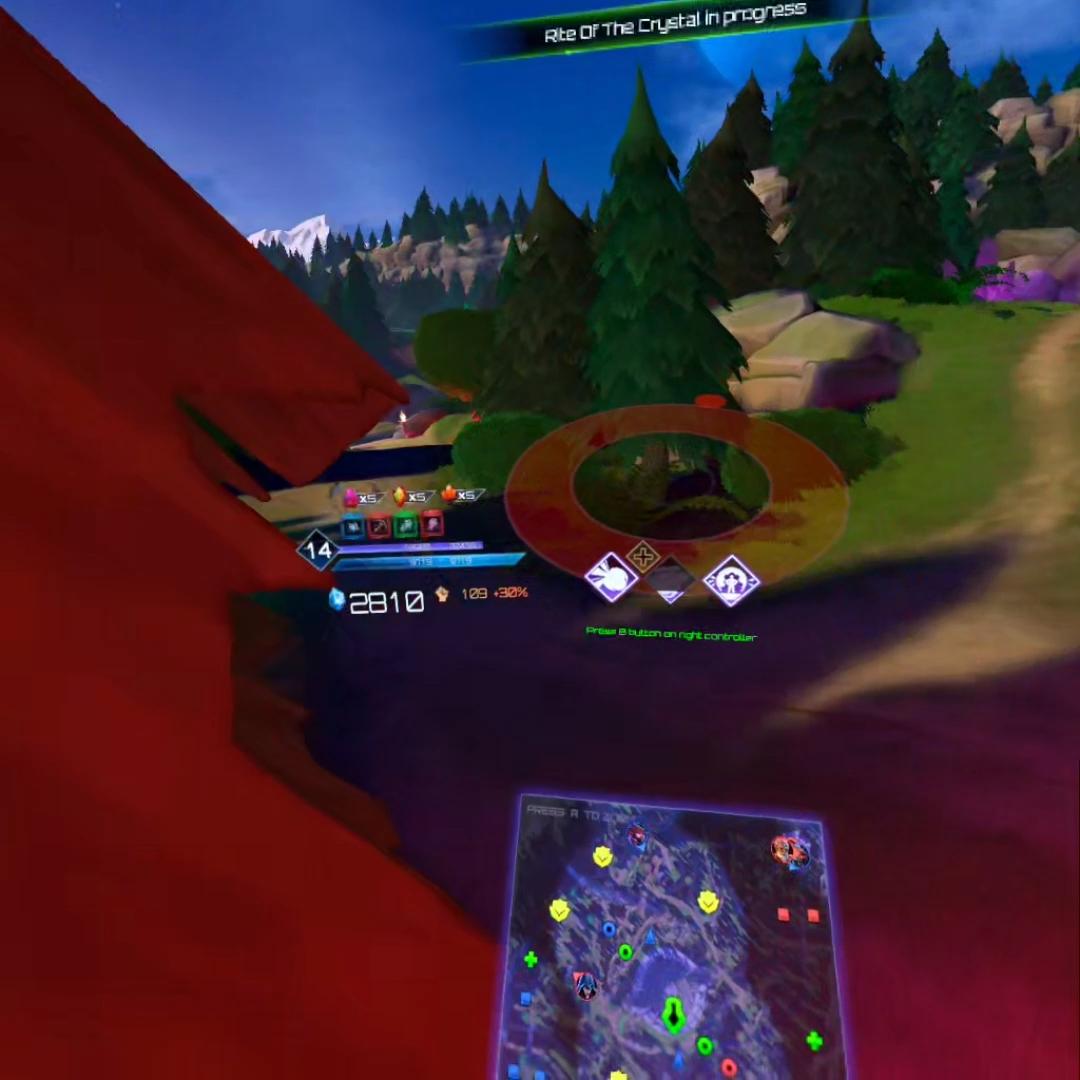
Starvault is an ambitious, fast-paced first-person MOBA that prioritizes strategic decision-making over raw twitch reflexes. While many VR titles attempt to capture the "hero shooter" feel, Starvault distinguishes itself by integrating traditional MOBA infrastructure—lanes, creep waves, and base-destruction objectives—into a virtual space.
- Developer/Publisher: Theia Games
- Platforms: Meta Quest, SteamVR
- Release Dates: November 27, 2025 (Quest); June 25, 2026 (Steam)
- Price: $30.00 USD
- Core Loop: Destroy the enemy base, manage lane pressure, secure neutral objectives, and evolve your hero build throughout the match.
The game is not merely a "port." The Steam release brings a level of visual fidelity and refinement that complements the core gameplay loop established during the Quest early access phase, effectively inviting PC VR enthusiasts into a robust, active competitive ecosystem.
A Chronological Evolution: From Quest to PC
The trajectory of Starvault is a study in iterative development. When the game first entered its early access phase on the Meta Quest, it was functionally sound but lacked the breadth of content required to sustain a long-term player base. The initial feedback loop was centered on mechanical stability and balancing the complex interplay between VR movement and MOBA-style ability cooldowns.
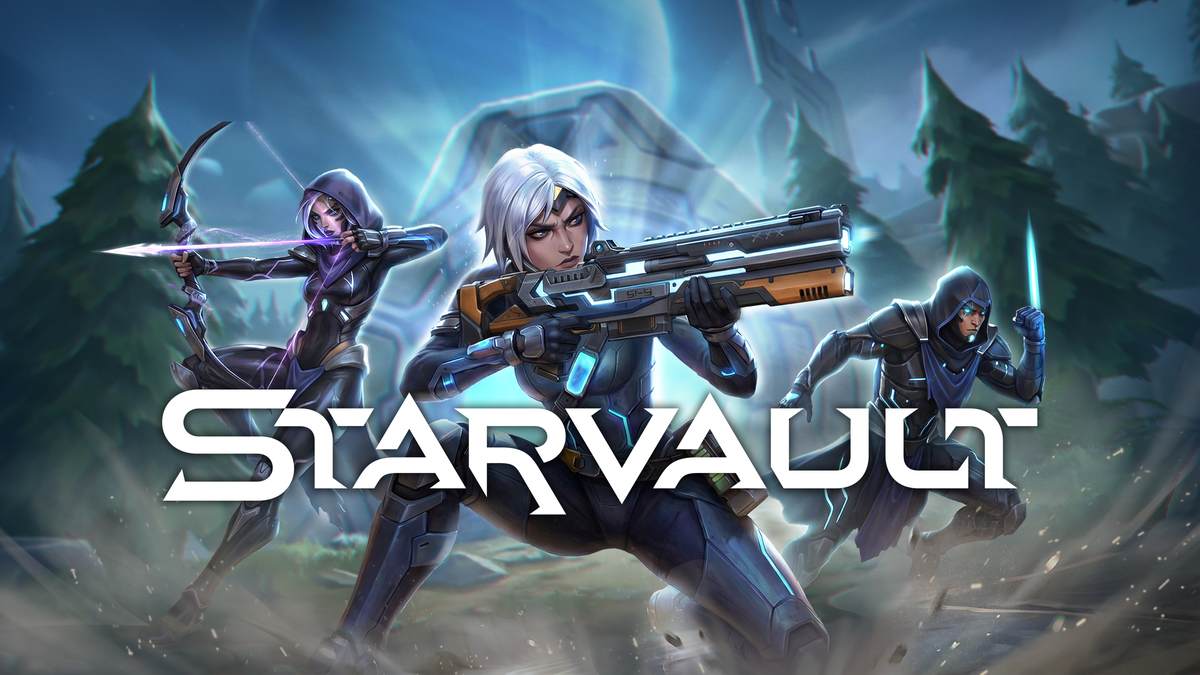
Over the course of the following year, Theia Games aggressively expanded the roster and refined the map architecture. By the time the game hit its 1.0 milestone on the Meta Quest in late 2025, it had already established a dedicated following. The jump to Steam in June 2026 was not a pivot, but an expansion. It introduced higher-resolution assets and, more importantly, a wider audience that brought new life to the game’s matchmaking queues and tournament scene.
For those who have followed the game since its inception, the transformation is striking. What began as a novel idea—a "first-person MOBA"—has become a refined experience where every mechanic, from the UI to the intricate balance of the fifteen playable heroes, feels intentional and polished.
Deep Dive: The Strategic Complexity of Starvault
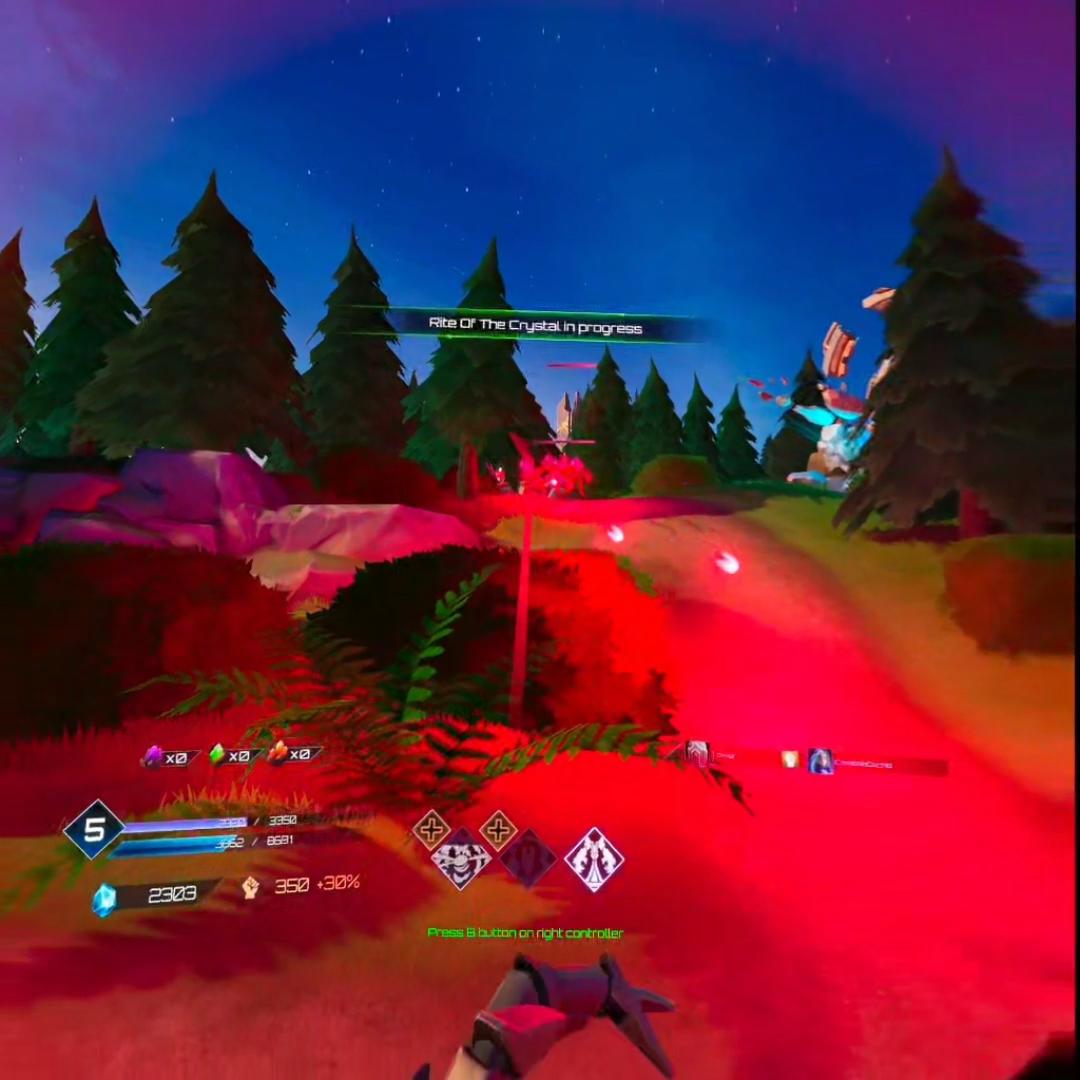
The core of Starvault lies in its "Zero to Hero" progression system. In each match, players start as a blank slate. As they clear waves of NPC "Creeps" and secure objectives like the formidable Titan—a massive stone automaton that can be piloted to siege enemy defenses—they gain experience and currency.
Tactical Decision-Making
Unlike traditional shooters where the goal is simply to secure kills, Starvault forces players to treat every minute as a tactical crossroads. Do you push the lane, or do you retreat to the jungle to secure a buff that could tip the scales in a team fight? The game rewards players who understand the "macro" of the match—knowing when to abandon a losing fight to secure a more valuable objective elsewhere.
The Hero Roster
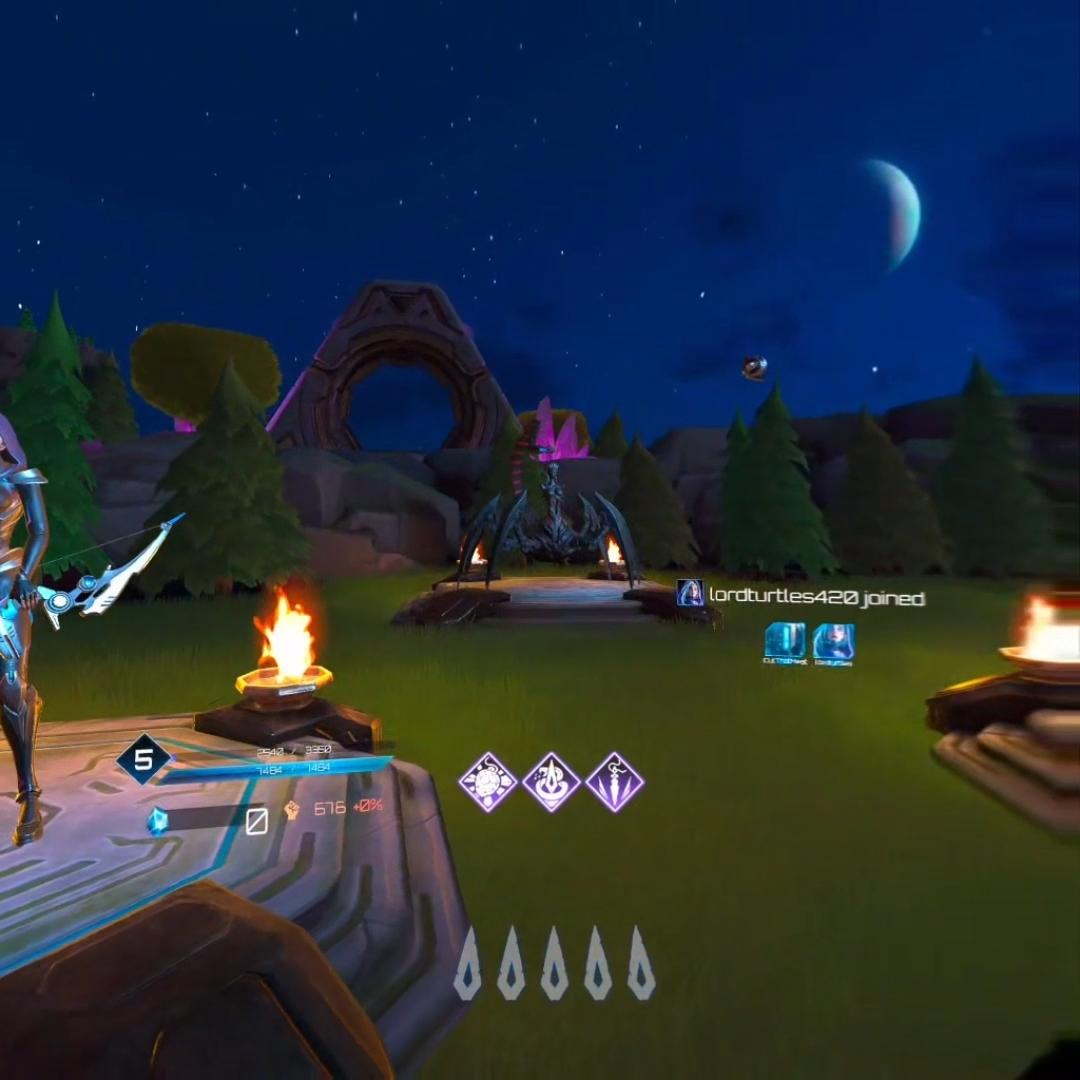
With fifteen unique heroes, the diversity of playstyles is staggering. Theia Games has successfully avoided the "copy-paste" trap. You have agile blade-wielding assassins, heavy-duty mechs that utilize arm-swing locomotion, and support units that hover across the battlefield. Because every character is fully viable in the right hands, the game avoids the stagnation often found in competitive titles where only a "meta" handful of heroes are ever selected.
Supporting Data and Community Health
A competitive game is only as strong as its community, and Starvault has managed to cultivate a remarkably healthy ecosystem. Even during non-peak hours, the inclusion of competent, behaviorally-adjusted bots ensures that matches are rarely empty. However, it is the human-driven competitive scene that truly shines. Regular tournaments, often featuring cash prizes, have helped elevate the skill ceiling, providing a blueprint for the game’s long-term sustainability.
The matchmaking system also deserves praise. By effectively segmenting players based on experience, Starvault avoids the "new player meat grinder" common in other MOBA titles. Newcomers can spend time in the dedicated hub world or the deathmatch arena to master the nuances of a hero before entering the high-pressure environment of a ranked lobby.
Official Responses and Transparency
One of the most controversial chapters in Starvault’s development was its pricing model. Initially marketed by Theia Games as a "free-to-play" experience, the shift to a $30 paid model upon the Steam launch caught many in the community off-guard.
The developer has since clarified this, acknowledging that the transition from a free-to-play service model to a premium model was necessary to avoid the pitfalls of pay-to-win mechanics. By opting for a $30 entry fee, Theia Games has ensured that every hero, upgrade, and cosmetic can be earned through gameplay alone. This decision, while initially met with skepticism, has ultimately fostered a fairer, more balanced competitive environment where skill—not the size of one’s wallet—is the primary determinant of victory.
Implications for the VR Industry
Starvault represents a critical shift in the VR landscape. For years, the industry has been dominated by arcade-style shooters. Starvault proves that VR is capable of hosting high-complexity, "hardcore" competitive genres that require significant time investment and strategic thinking.
The "Match Duration" Challenge
However, the game is not without its hurdles. The primary critique remains the length of matches. As a MOBA, Starvault matches can occasionally stretch into the 40-minute mark, which can be taxing in a VR headset. This creates a barrier for players who only have short windows for gaming.
The implications for future updates are clear: the community is clamoring for a "quick-play" or "blitz" mode. If Theia Games can introduce a smaller map designed for 15-to-20-minute rounds, they could solve one of the few remaining friction points that prevent the game from reaching a truly mass-market audience.
Conclusion: A New Benchmark for VR Shooters
Starvault is an outlier in the best possible way. It is a game that respects the player’s intelligence, offering a depth of strategy that is rare in the VR medium. While the transition from a free-to-play promise to a paid title was a bumpy road, the quality of the final product justifies the cost.
Whether you are a seasoned MOBA veteran looking to test your skills in an immersive, first-person environment, or a VR enthusiast seeking a game with a high skill ceiling and a rewarding progression system, Starvault is an essential addition to your library. It is polished, it is challenging, and it is profoundly addictive. As it continues to evolve, Starvault stands as a testament to the potential of VR as a platform for deep, competitive, and long-lasting gaming experiences.
For now, the battle for the Starvault is just beginning, and for those who enjoy the thrill of the climb, there has never been a better time to jump in.

