

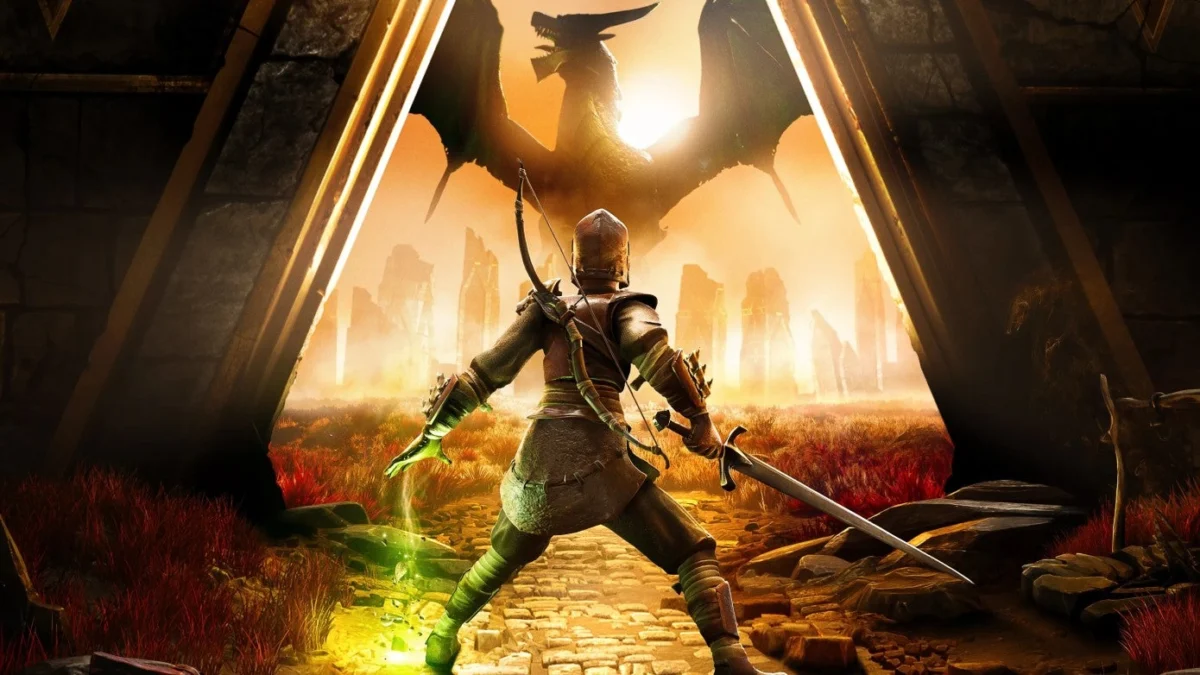
For 25 years, Jagex has stood as a titan of the MMORPG genre, primarily managing its flagship title, RuneScape, as an internally published, community-driven ecosystem. However, as the studio approaches its quarter-century milestone, it is pivoting toward a more aggressive, outward-looking growth strategy. The latest chapter in this evolution is the expansion of RuneScape: Dragonwilds into the Asia-Pacific (APAC) market—a move that signifies a major structural shift in how the developer intends to operate on the global stage.
In an unprecedented move for the Cambridge-based studio, Jagex has secured high-profile regional publishing partnerships, marking the first time in its history that a Jagex-developed title will be handled by third-party entities. By aligning with Japan’s Graph and South Korea’s H2 Interactive, Jagex is betting that localized expertise will be the key to unlocking the lucrative, yet notoriously difficult, East Asian gaming landscape.
The Strategic Blueprint: Breaking New Ground
The expansion into Japan, South Korea, and South East Asia is not merely a localized launch; it is the cornerstone of Jagex’s "RS25" strategy. This long-term initiative is designed to leverage the studio’s 25th anniversary as a springboard for sustainable growth, franchise evolution, and significant capital reinvestment.
Historically, Jagex has maintained a "direct-to-player" philosophy. While this created a tight-knit community, it often posed barriers to entry in regions where domestic platforms, unique cultural gaming behaviors, and language hurdles dominate the market. By outsourcing the publishing duties for RuneScape: Dragonwilds to regional experts, Jagex is effectively bypassing the "trial and error" phase of internationalization.
The Partners at the Helm
- Graph (Japan): A division of Active Gaming Media, Graph specializes in bridging the gap between Western developers and the sophisticated Japanese market. Their role will involve deep localization, ensuring that the nuances of RuneScape lore resonate with local sensibilities.
- H2 Interactive (South Korea & South East Asia): As a powerhouse in the Korean market, H2 Interactive provides the infrastructure necessary to navigate the competitive South Korean gaming scene, which is heavily reliant on local storefronts and community engagement platforms.
Chronology: From Cambridge to the Global Stage
1999–2023: The Era of Self-Sufficiency
For over two decades, Jagex built its identity around the RuneScape engine. The studio thrived by keeping its operations centralized in the UK, fostering a community that grew alongside the game. During this period, international presence was largely organic, driven by English-speaking fans worldwide.
Early 2024: The RS25 Announcement
Jagex unveiled its "RS25" initiative, signaling an intent to evolve the RuneScape brand beyond its existing boundaries. The company committed to record-level investment in its future, signaling to investors and the community that the "classic" era was giving way to a "global expansion" era.
April 2024: The APAC Reveal
The studio confirmed that RuneScape: Dragonwilds would be the spearhead of this international expansion. The initial announcement highlighted plans for full localization in Simplified Chinese, Japanese, and Korean—a massive undertaking for a studio that had previously focused almost exclusively on English-language markets.
Present Day: Formalizing the Partnerships
With the ink dry on the contracts with Graph and H2 Interactive, the stage is set for the rollout of RuneScape: Dragonwilds across the APAC region. This transition represents a structural shift in the company’s business model, moving from a monolithic publisher to a collaborative, partner-reliant global brand.
Supporting Data: Why APAC Matters
The decision to target the Asia-Pacific region is backed by compelling industry data. The APAC market is currently the largest gaming market in the world by revenue. However, it is also the most fragmented.
- Market Penetration: Japan and South Korea represent two of the most mature gaming markets in the world, with a high propensity for in-game spending (microtransactions) and a strong culture of MMORPG loyalty.
- Localized Demand: Recent trends show that international players are increasingly demanding titles in their native languages. While Western games often perform well, those that provide "cultural parity"—where the marketing, community support, and language are tailored to the local experience—see retention rates 30% to 50% higher than those that do not.
- The "Dragonwilds" Factor: The Dragonwilds iteration of RuneScape was specifically designed with modern, fast-paced mechanics that align more closely with the expectations of the current APAC demographic, making it the perfect vehicle for this experiment.
Official Responses and Strategic Intent
The move has been framed by Jagex leadership as a necessity for modernizing the company’s outreach. Anna Mostyn Williams, the Senior Director of Business Development and Partnerships at Jagex, offered insight into the decision-making process during the announcement:
"As we looked to expand RuneScape: Dragonwilds internationally, it was essential that we found partners with strong regional expertise and a deep understanding of local players and gaming culture," Williams stated.
She emphasized that this was not merely a distribution deal, but a "strategic and creative alignment." The goal is to ensure that RuneScape does not feel like an "imported" product, but rather a game that belongs to the local ecosystem. By leveraging the local teams at Graph and H2 Interactive, Jagex is looking to avoid the common pitfalls that Western developers encounter when entering the APAC market—namely, a lack of local community management and cultural tone-deafness.
Implications: The Future of Jagex
The implications of this partnership strategy are profound, both for Jagex and the wider MMORPG industry.
1. The End of the "Island" Model
For years, Jagex operated as an "island," handling all aspects of development, operations, and publishing. By inviting third-party partners into the fold, Jagex is signaling that it is willing to sacrifice absolute control for the sake of market scale. This indicates that the studio is preparing for further, perhaps more aggressive, international expansion in the coming years.
2. A Shift in Game Design Philosophy
If RuneScape: Dragonwilds finds success in Japan and Korea, it will likely influence how Jagex designs future content. Developers will be forced to consider global cultural sensitivity and localization requirements from the very first line of code, rather than as an afterthought.
3. The "Platformization" of RuneScape
With this move, RuneScape is effectively becoming a platform that can be "exported" to different regions. This opens the door to potential future partnerships in Latin America, Eastern Europe, or the Middle East. The success of the APAC expansion will serve as the "proof of concept" for this new, partner-led business model.
4. Competitive Pressure
Jagex’s entry into the APAC market forces competitors—many of whom are already established in the region—to react. This will likely spark a new wave of competition within the MMORPG space, as Jagex brings its 25 years of experience to bear against local titans.
Conclusion: A New Era for an Old Legend
As the dust settles on these historic agreements, it is clear that Jagex is no longer the quiet, Cambridge-based studio it was at the turn of the millennium. The decision to partner with Graph and H2 Interactive is a bold, calculated move that recognizes the reality of the modern global gaming economy.
By prioritizing regional expertise and cultural alignment, Jagex is positioning RuneScape: Dragonwilds not just as an export, but as a genuine contender in the world’s most competitive gaming markets. Whether this strategy will yield the massive growth the "RS25" plan envisions remains to be seen, but one thing is certain: Jagex has successfully signaled that it is ready to evolve, adapt, and compete on the global stage. The legacy of RuneScape is about to be written in languages and markets that were once out of reach, marking the most ambitious chapter in the company’s storied history.

