

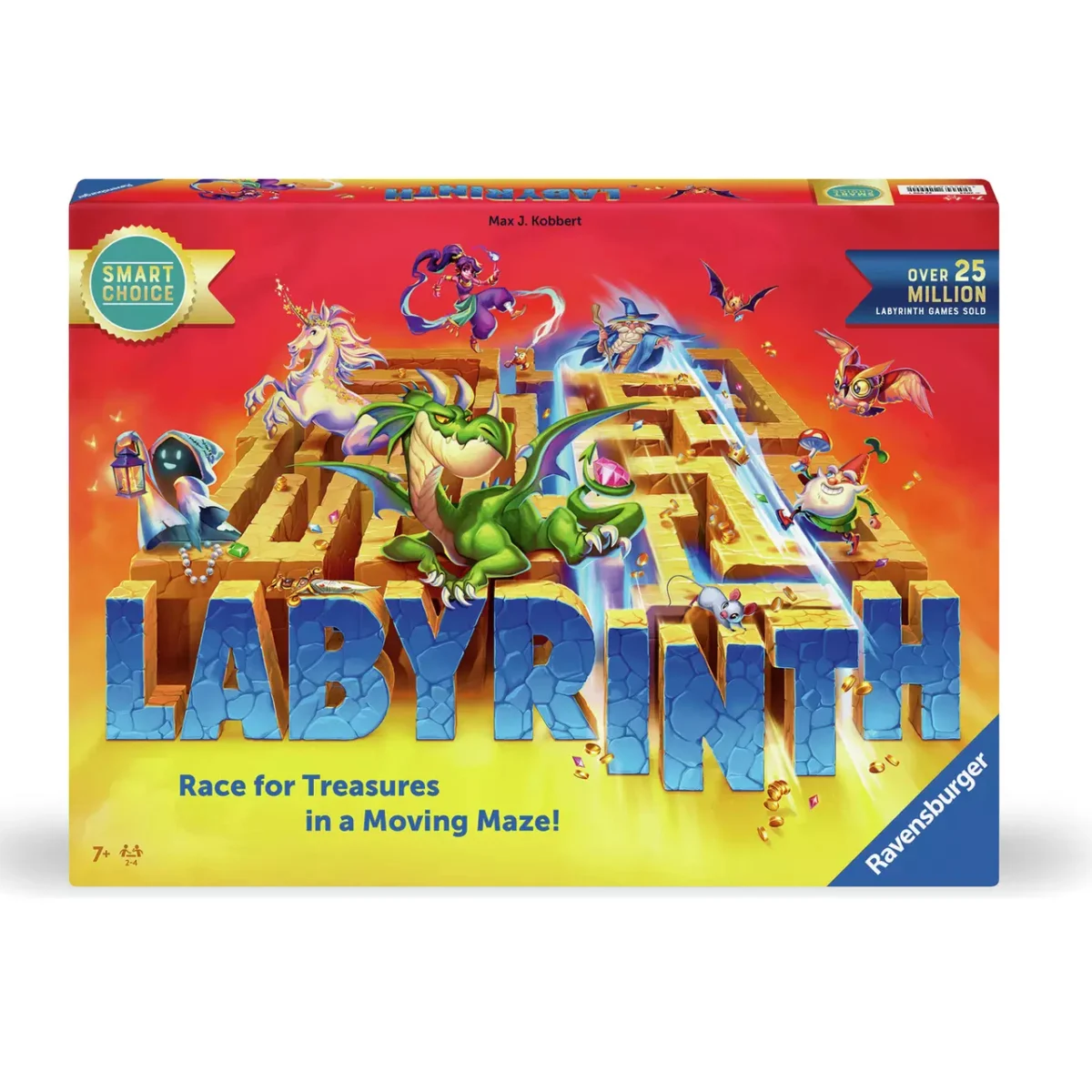
For tabletop enthusiasts, the annual Amazon Prime Day event has evolved into something far more significant than a mere retail promotion. It has become a pivotal cultural touchpoint—a moment where the hobbyist community, casual gamers, and families alike converge to stock their shelves with the "best of the best" at historically low prices. This year’s event is no exception, representing a massive influx of accessibility into a market that has seen a meteoric rise in popularity since 2020.
The State of the Industry: Why Prime Day Matters
The board game industry has shifted from a niche subculture to a multi-billion dollar juggernaut. With the digital fatigue brought on by the pandemic, consumers have rediscovered the tactile satisfaction of physical play. Prime Day acts as a pressure valve for this demand, allowing publishers to move massive units while enabling players to experiment with complex, often expensive titles that they might otherwise overlook due to price barriers.
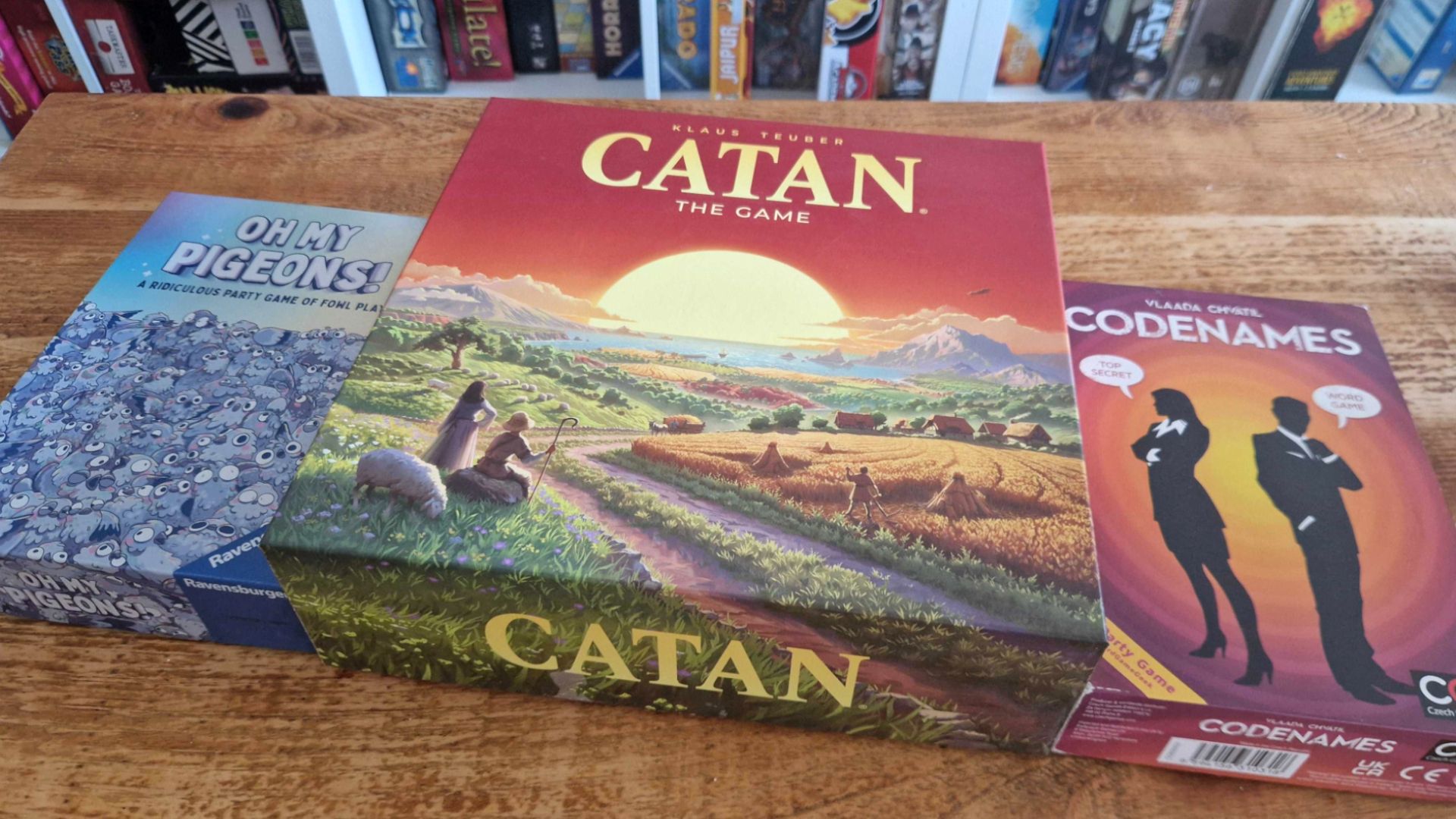
The current landscape of gaming is defined by "evergreen" titles—games like Catan, Codenames, and Ticket to Ride—that serve as gateways for new players. When these titles receive aggressive discounts, it effectively lowers the barrier to entry, sparking a ripple effect that fuels the industry’s growth throughout the remainder of the calendar year.
Chronology of the Prime Day Gaming Surge
While Amazon Prime Day was originally conceived as a mid-summer sales event, the integration of board games into its marquee offerings is a relatively recent phenomenon.
- Early Days (2015–2017): Board games were largely relegated to "Toys & Games" sections, with little distinction between mass-market children’s games and hobbyist-grade strategy titles.
- The Hobbyist Pivot (2018–2020): As independent publishers (like Asmodee, Stonemaier Games, and Ravensburger) began to dominate the space, Amazon shifted its strategy to highlight critical darlings. The surge in demand during the 2020 lockdown turned board games into a top-tier category for the retailer.
- Modern Expansion (2021–Present): Today, board games receive dedicated editorial coverage and curated storefronts during Prime Day. The focus has shifted from clearing out old inventory to promoting high-demand, top-rated games, making the event a key milestone for collectors.
Supporting Data: The Economics of the Sale
The current discounts are not merely cosmetic; they represent a significant shift in pricing strategies. Analyzing the current trends, we see three distinct tiers of value:
1. The $15 and Under Threshold
This segment is designed for the impulse buyer. Games in this category—often lighter, card-based, or social deduction games—see the highest volume of sales. The psychological impact of a "sub-$15" price point is substantial; it removes the friction of decision-making, allowing households to pick up multiple titles for the price of a single premium game.
2. The Family Tier ($20–$40)
This remains the "sweet spot" for the average consumer. Discounts here are typically between 20% and 40%, targeting titles that provide high replayability. These games are specifically curated to appeal to multi-generational households, a demographic that Amazon heavily incentivizes during the summer vacation months.
3. The Strategy Tier ($50+)
For the serious enthusiast, the real value of Prime Day lies in the deep discounts on "heavy" strategy games. These titles often come with intricate components, miniatures, or complex board designs that drive up their MSRP. When these see price slashes, it allows for the expansion of home libraries that would otherwise take months to accumulate.
Official Industry Responses
The sentiment among major publishers and retailers is one of cautious optimism. While deep discounting can occasionally devalue a brand, the consensus is that Prime Day acts as a massive marketing engine.
"Events like Prime Day allow us to reach players who might be intimidated by the price of a ‘hobby’ game," says a representative for a leading board game distributor. "By bringing these games into the mainstream, we aren’t just selling a box; we are selling an experience. Once a family sits down and plays a high-quality game, they are far more likely to return for the expansion packs or the publisher’s next release."
Retailers also emphasize that the data gathered during these sales informs future production runs. If a specific genre—such as cooperative strategy games—sees a massive spike in sales during Prime Day, publishers take note, often pivoting their development pipelines to match the demonstrated consumer interest.
Implications for the Consumer
What does this mean for the person sitting at home with a wishlist? The primary implication is that the "curation" aspect of the sale is now just as important as the discount itself.
Building a Killer Collection
The modern board game shelf is no longer just about volume; it is about variety. The current deals allow players to fill "gaps" in their collection. If your shelf is full of competitive combat games, this is the perfect time to pivot toward cooperative titles or social deduction games, which are currently seeing some of the most aggressive price drops.
The "Vacation Gaming" Phenomenon
A unique trend this year is the focus on portability. With families traveling, there is a marked increase in demand for games that can be packed in a carry-on. Publishers have responded by pushing "travel editions" and card-only variants of popular games, which are heavily featured in the current Prime Day promotion.
Longevity and Value
The shift toward high-quality, long-lasting materials—thicker cardstock, metal coins, and better-molded plastic—has made board games more durable. When you factor in the reduced price point, the "cost per hour of entertainment" for a board game now drastically undercuts most digital subscription services or one-off cinematic experiences.
Looking Forward: Beyond the Sale
As the Prime Day window closes, the industry faces the challenge of maintaining this momentum. The data generated during these 48 hours will serve as a roadmap for the upcoming holiday season. Retailers have learned that when they provide the right tools—clear categories, expert recommendations, and competitive pricing—the appetite for physical, face-to-face social interaction remains insatiable.
For the gamer, the takeaway is clear: while the deals are certainly a "personal attack on the wallet," they are also an investment in community. Whether you are a veteran Dungeon Master, a family looking for a way to unplug, or a solo player seeking a new challenge, the current market climate has created an unprecedented opportunity to expand your horizons.
As you navigate the digital aisles, remember that the best purchase isn’t just the one with the biggest percentage off—it’s the one that promises the most memorable nights around the table. From the classic strategy of Catan to the rapid-fire wit of Codenames, the games you buy today will likely be the ones that define your social gatherings for years to come.
For those looking to expand further into the hobby, consider exploring the deeper worlds of tabletop RPGs or the nuanced strategy of modern card-based deck-builders, both of which are seeing their own specialized growth in the current market.

