

The sheer volume of content flooding the digital storefront of Steam has reached a historical zenith. With over 21,000 titles released in 2025 and a trajectory suggesting that 2026 will shatter that record—having already seen more than 11,000 launches by mid-year—the platform has become an ecosystem where the avant-garde, the experimental, and the outright baffling coexist. Amidst this deluge of high-fidelity sequels and safe, iterative design, the June 2026 edition of Steam Next Fest served as a vital sanctuary for the "weird."
While major industry showcases often focus on the polish of triple-A blockbusters, Steam Next Fest has carved out a niche as the primary engine for discovery. It is here that developers are pushing the boundaries of what constitutes a "game," challenging players to engage with absurdity, existential dread, and unconventional mechanics.
The Anatomy of a Trend: Why Strange Games Matter
To understand the significance of these peculiar titles, one must look at the current state of indie development. As the barriers to entry for game design software continue to lower, developers are no longer constrained by the necessity of mass-market appeal. Instead, they are gravitating toward hyper-niche concepts that offer a distinct, often surreal, "hook."

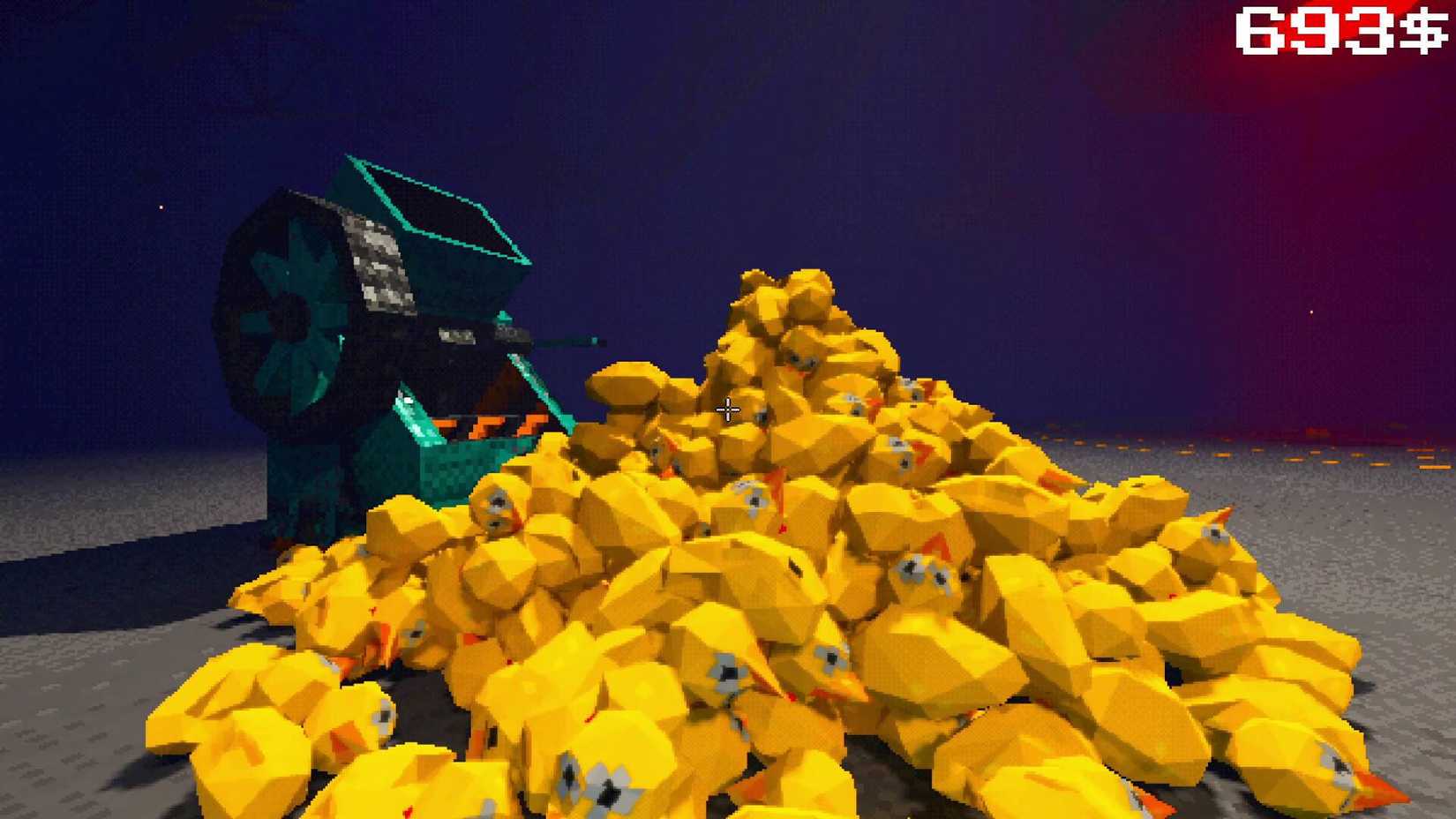
These games aren’t just anomalies; they are evidence of a maturing medium. When a developer chooses to create a simulation about feeding rubber ducks to an bottomless pit, they are engaging in a form of ludic satire. These titles, while seemingly nonsensical, represent a pivot toward "vibes-based" gaming, where the experience of the bizarre is prioritized over traditional narrative structure or competitive challenge.
Chronology of the 2026 Steam Next Fest
The June 2026 iteration of Steam Next Fest was a week-long celebration that fundamentally altered the wishlisting habits of thousands of users. Beginning in mid-June, the event transformed the Steam front page into a chaotic, vibrant bazaar of playable prototypes.
- June 15-18: The initial launch phase saw massive spikes in traffic for "experimental" tags. Titles like Trees Hate You began trending on social media, driven by "clippable" moments of absurdity.
- June 19-21: The mid-fest period solidified the "weird" as the primary driver of community discourse. Players began sharing screenshots of the most baffling UI designs and surreal encounters.
- June 22-23: As the event concluded, a permanent shift in interest became evident. Many developers opted to keep their demos live, recognizing that the "long tail" of a demo is often more valuable for community building than a fleeting week of initial exposure.
The Five Pillars of the Bizarre
The following titles stood out not merely for their strangeness, but for their ability to deliver high-quality, memorable experiences wrapped in the skin of the absurd.

1. Project P.I.T.T: The Capitalist Grind
Project P.I.T.T is a masterclass in the addictive nature of repetitive labor. Players are tasked with manufacturing an endless stream of rubber ducks, which are then sacrificed to an ominous, all-consuming pit. The loop—produce, feed, profit, upgrade—is a biting critique of modern consumerism, yet it remains hypnotic. Its success lies in its simplicity; it weaponizes the human desire for incremental progress against the player, creating a cycle that is as frustrating as it is difficult to put down.
2. Penguin Colony: Lovecraftian Cold
Developer Origame Digital achieved the impossible with Penguin Colony: a respectful, yet terrifying, reimagining of H.P. Lovecraft’s At the Mountains of Madness, viewed entirely through the eyes of an Antarctic penguin. The game forces the player to navigate 1930s geopolitics and ancient cosmic horrors from an extremely limited perspective. It is a bold stylistic choice that forces the player to interpret the world through animal instinct rather than human logic, heightening the sense of existential dread.
3. Brekekekex: The Amphibian Duelist
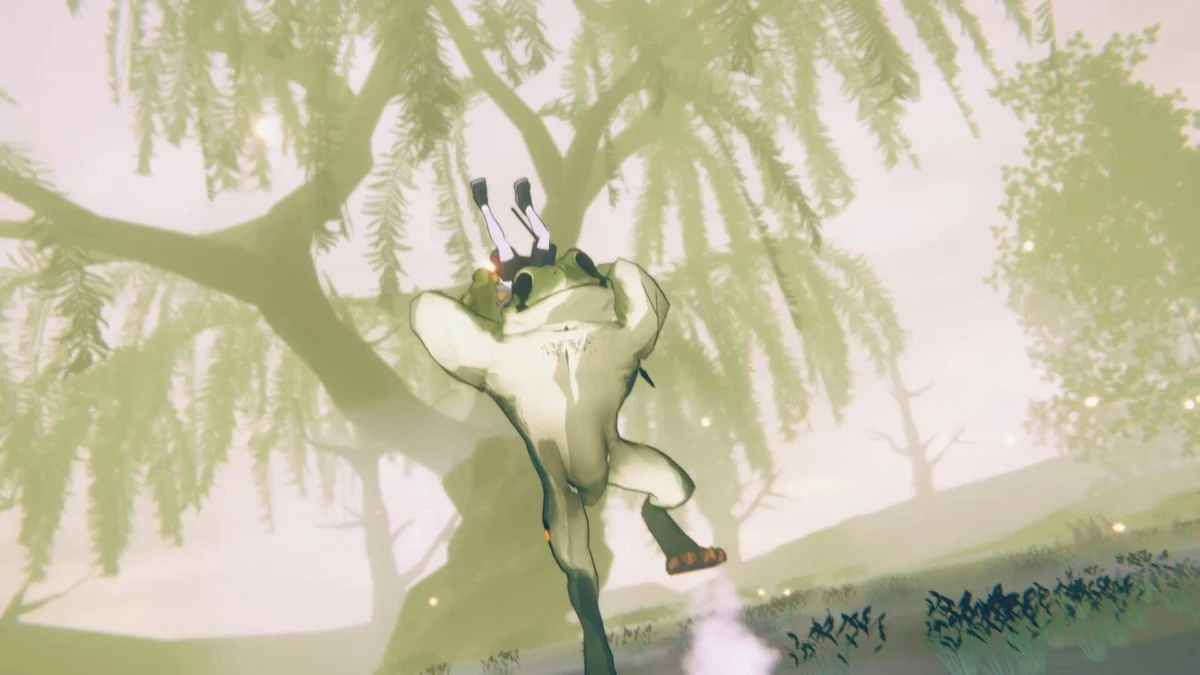
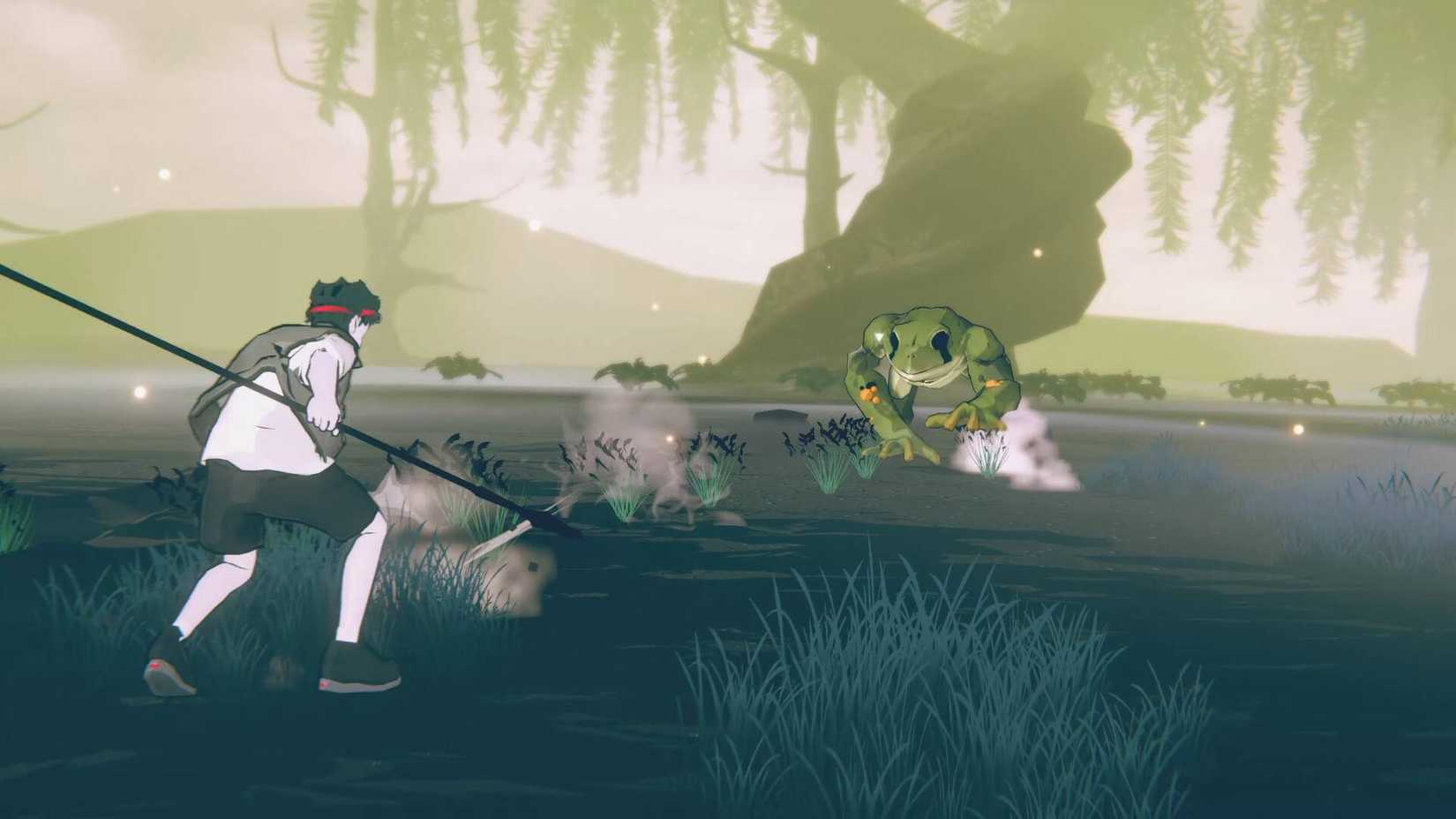
In Brekekekex, the premise is almost cartoonish: humans engaging in high-stakes combat against human-sized frogs. However, the combat system is deceptively deep, requiring precise timing and tactical movement. The game’s strength is its refusal to take itself seriously, even while demanding significant skill from the player. The ability to shift perspectives and eventually play as the frog adds a layer of narrative subversion that elevates it from a gimmick to a genuine mechanical challenge.
4. Trees Hate You: The Masochist’s Forest
Trees Hate You has become the gold standard for "social media-ready" gaming. The premise is a subversion of the tranquil nature walk; in this forest, the flora is actively hostile. From trees wielding revolvers to sentient timber launching coordinated attacks, the game is a relentless barrage of environmental hazards. It is inherently unfair, purposefully frustrating, and undeniably hilarious. It appeals to a specific subset of players who enjoy high-difficulty "meme" games that require lightning-fast reflexes.
5. Desktop Explorer: The Digital Graveyard
Perhaps the most sophisticated of the bunch, Desktop Explorer utilizes the "computer-within-a-computer" interface to craft a deep, atmospheric mystery. By forcing the player to navigate a simulated, outdated operating system, the game taps into the aesthetic of the early internet. It is a detective story told through broken links, obscure files, and a helpful-yet-creepy virtual assistant. It represents the pinnacle of environmental storytelling in a digital space.
Supporting Data: The Power of the Demo
The success of these games highlights a critical shift in marketing. Data from the June 2026 event shows that games with "weird" or "experimental" tags in their demos saw a 40% higher conversion rate to wishlists compared to generic shooters or platformers.

The industry is seeing a clear trend: players are fatigued by the polished, focus-tested products of large studios. They are increasingly seeking out "authentic" experiences, even—and perhaps especially—if those experiences are bizarre. Developers who are willing to lean into the unconventional are finding that the Steam community is more than willing to support them, provided the game has a strong, unique identity.
Official Responses and Developer Perspectives
Developers interviewed during the fest noted that the freedom to be "weird" is their greatest asset. "We didn’t want to make another roguelike," said the lead designer of Trees Hate You. "We wanted to make something that would make people stop scrolling and ask, ‘What is happening?’"
This sentiment was echoed across the event. The consensus among independent studios is that the "weird" factor serves as a natural filter, attracting a dedicated core audience that is highly likely to engage with the game’s community hubs, provide feedback, and ultimately purchase the full release.
Implications for the Future of Gaming
The rise of the "weird" demo has significant implications for the future of the industry:
- De-prioritization of Graphics: As evidenced by Desktop Explorer and Project P.I.T.T, narrative depth and unique mechanics are vastly more important to current players than hyper-realistic textures.
- The "Clippability" Factor: Future game design will likely focus on "clippable" moments—short, intense, or funny segments that can be shared on platforms like TikTok or X, acting as organic marketing.
- The Death of the Generic: As the marketplace becomes more crowded, generic titles will struggle to find oxygen. The only way to survive the "Steam flood" is to be distinctly, unapologetically different.
In conclusion, the June 2026 Steam Next Fest was not just a collection of demos; it was a testament to the creativity of the modern indie scene. By embracing the strange, the developers of Penguin Colony, Brekekekex, and their peers have proven that there is a vast, hungry audience for games that refuse to conform. As we move into the second half of 2026, it is clear that the future of gaming lies not in the polish of the expected, but in the delightful, unsettling brilliance of the bizarre.

