

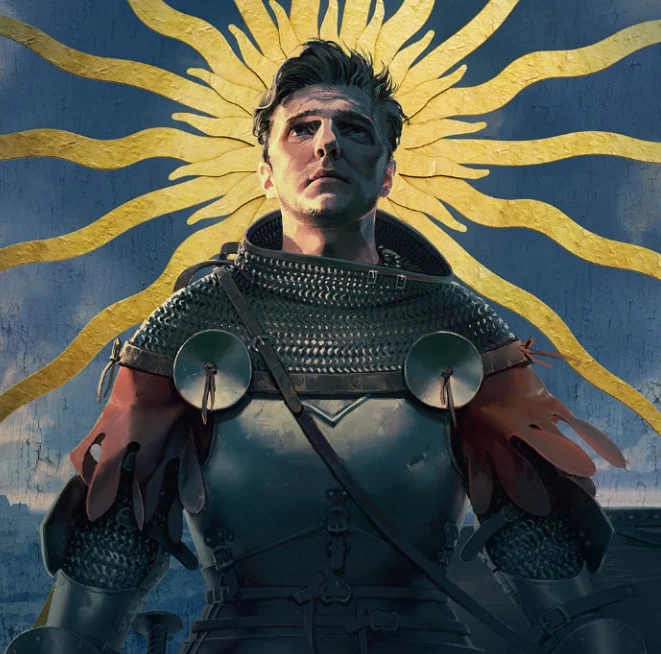
After six years operating under the expansive corporate umbrella of the Embracer Group, 34BigThings—the developer behind acclaimed titles such as the Redout series, Mars or Die!, and the upcoming Carmageddon: Rogue Shift—has officially returned to its roots as an independent studio.
The announcement, which marks a significant shift in the landscape of European game development, confirms that original co-founder Valerio Di Donato has successfully acquired full ownership of the studio. This transition signals not just a change in leadership structure, but a strategic pivot toward total creative and operational autonomy. Joining Di Donato in steering the studio’s future are fellow co-founder Giuseppe Enrico Franchi and newly appointed Chief Financial Officer, Daniel Giagnorio.
The Chronology of a Corporate Partnership
To understand the significance of this move, one must look at the trajectory of 34BigThings over the last half-decade. Founded with a vision for high-octane, innovative titles, the studio quickly gained a reputation for technical prowess and stylistic flair.
- 2013–2018: The Independent Era: 34BigThings established its identity in the indie market, successfully launching Redout, an anti-gravity racing game that garnered critical acclaim for its speed and aesthetic.
- 2018: The Embracer Acquisition: As Embracer Group (then known as THQ Nordic AB) went on a historic spending spree, acquiring studios at an unprecedented rate, 34BigThings was folded into the conglomerate. This period provided the studio with the capital and organizational scaffolding necessary to scale from a small team to a robust workforce of over 70 employees.
- 2019–2023: The Scaling Phase: Under the Embracer banner, 34BigThings expanded its production capacity, working on a diverse range of titles and honing its ability to manage larger, more complex projects.
- 2024: The Buyback: As the gaming industry faced a period of intense volatility, 34BigThings initiated its own reacquisition, culminating in the formal announcement that they are once again an independent entity.
Embracer’s Influence: A Double-Edged Sword
For many studios, the acquisition by a "mega-publisher" like Embracer is viewed as a life raft that offers financial security in an inherently risky industry. Valerio Di Donato has been vocal about the positive aspects of the partnership. In his official statement regarding the buyback, Di Donato paid tribute to the stewardship provided by the Swedish conglomerate.
"This provided us with invaluable structure and stability, while offering a first-hand look at the complexities of balancing internal development with external stakeholders," Di Donato noted.
The support from Embracer allowed 34BigThings to refine its processes, professionalize its management, and grow its talent pool. However, the benefits of corporate backing often come with a trade-off: the need to align with a parent company’s broader financial goals, which can sometimes stifle the agility required for rapid innovation.
The Mandate for Autonomy
The return to independence is, by all accounts, a deliberate effort to reclaim the studio’s "garage-style" agility while maintaining the resources of a mid-sized developer. Giuseppe Enrico Franchi, in a conversation regarding the shift, emphasized that the decision was driven by a desire for "absolute autonomy to shape our structure, our projects, and our development approach."
When asked about the tangible benefits of this freedom, Franchi was candid. "Being independent means being free to pick and choose our own projects, freely discard what doesn’t work, allocate production resources the way we see fit, and being quicker in seizing external opportunities without having to wait for approval."
This level of operational flexibility is rare for studios that have become accustomed to the bureaucratic layers of large parent companies. For 34BigThings, it appears that the goal is not merely to "survive" as an indie studio, but to operate with a level of speed and decisiveness that large corporations often lack.
Industry Context: The Great Embracer Contraction
It is impossible to discuss the departure of 34BigThings without acknowledging the current state of the Embracer Group. The company, which once aimed to be the "Netflix of gaming," has spent the last 18 months in a painful state of flux.
Following a failed $2 billion partnership deal, Embracer launched a massive restructuring program. This has included the closure of beloved studios like Free Radical Design, deep layoffs across Eidos-Montréal and Crystal Dynamics, and the sale of various assets, including Gearbox Entertainment and Saber Interactive.
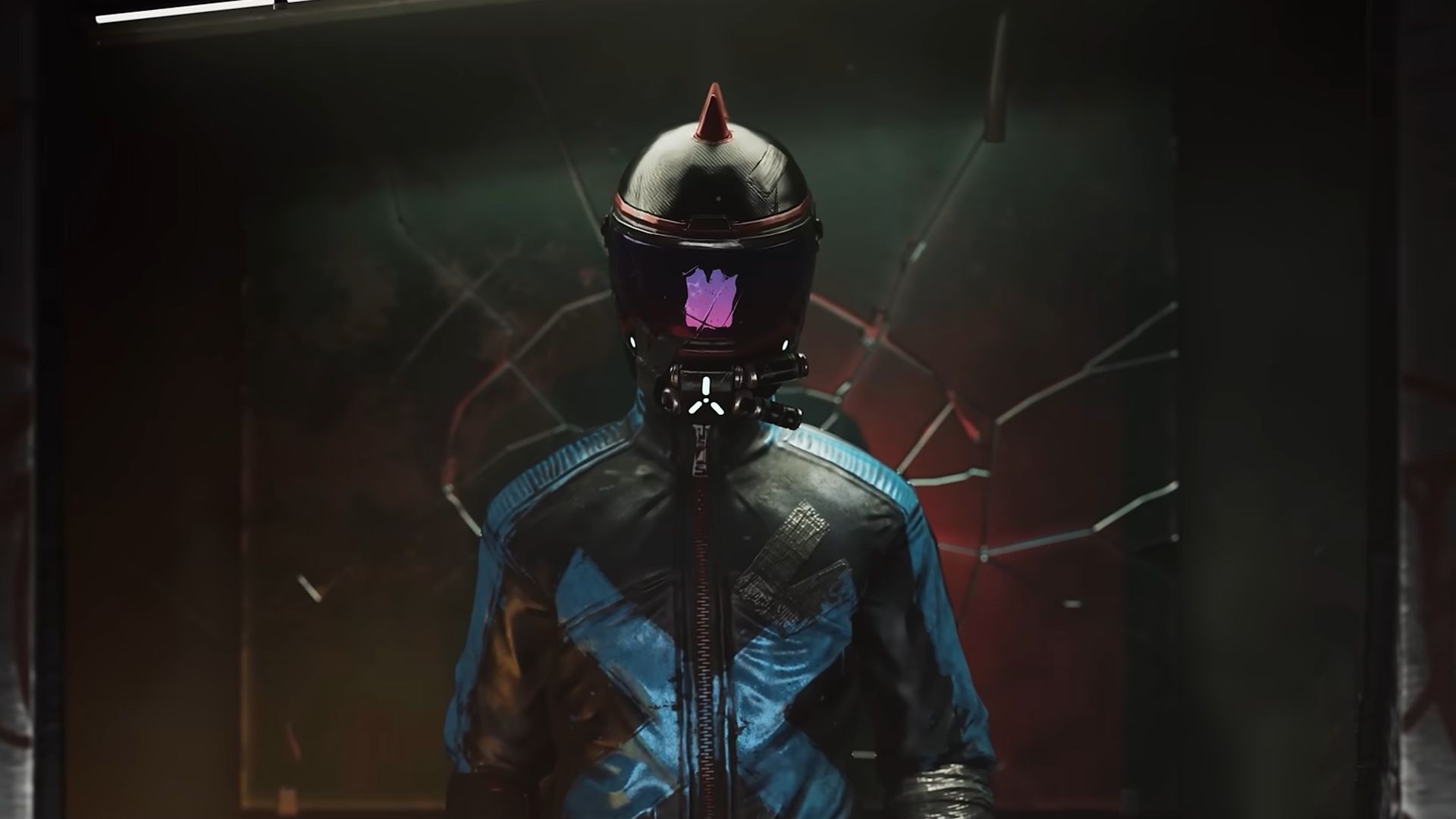
While the industry at large might view 34BigThings’ departure as another symptom of Embracer’s ongoing contraction, the studio’s leadership is quick to frame the move as a proactive, strategic decision rather than a reactive escape. Franchi noted, "Our reacquisition plans were independent to any, if existing, conversations otherwise and motivated by the growth and future direction we wanted to see in the studio."
Whether or not the studio was "shopped around" during the restructuring remains unknown. What is clear, however, is that 34BigThings has successfully managed to extricate itself from a parent company that is currently shedding weight, potentially shielding its future output from further corporate interference.
The Roadmap Ahead: A "Bang" and Beyond
With the administrative heavy lifting of the buyback behind them, 34BigThings is turning its attention toward a highly ambitious production schedule. The studio is not merely looking to sustain itself; they are aiming to make a significant impact on the market.
"Later this year, we will be announcing a major title built on one of the most important, beloved, and revered intellectual properties in the world," Franchi teased. While the details of this IP remain under lock and key, the ambition behind the statement is clear.
The studio’s roadmap is meticulously planned:
- Late 2024: Announcement and reveal of a major title based on a world-renowned IP.
- 2027: The release of a secondary major title currently in the production pipeline.
- 2028: The launch of a "groundbreaking" project that the team claims will redefine their creative output.
This long-term planning suggests that the management team, led by Di Donato and Giagnorio, has already secured the necessary capital to sustain operations for the next several years—a feat that is often the biggest hurdle for newly independent studios.
Implications for the Gaming Ecosystem
The return of 34BigThings to independence serves as a case study for the current climate of the gaming industry. As major conglomerates pivot toward risk-aversion and cost-cutting, the value of independent, nimble studios that can iterate quickly is rising.
If 34BigThings can successfully leverage its independence to produce the high-profile titles it has promised, it may set a blueprint for other studios currently trapped under the weight of struggling parent companies. The ability to "pick and choose" projects, as Franchi described, allows for a level of creative risk-taking that is often absent in the quarterly-driven reporting cycles of publicly traded mega-publishers.
Furthermore, the studio’s success or failure in this new chapter will be closely watched by investors and fans alike. If a studio that once required the protection of an industry giant can thrive on its own, it may embolden other founders to consider buybacks, potentially leading to a fragmentation of the monolithic publishing houses that have dominated the last decade of gaming.
Ultimately, 34BigThings has traded the stability of the corporate world for the volatility and potential of the independent market. In an industry defined by the cycle of boom and bust, they are betting that the freedom to fail—and, by extension, the freedom to succeed on their own terms—is worth the gamble. As they prepare to reveal their upcoming mystery project, the eyes of the gaming world will be on them, waiting to see if their "bang" is as loud as they anticipate.

