

By Francesco Cacciatore
Published June 23, 2026
The allure of a high-stakes Magic: The Gathering event is multifaceted. For some, it is the ultimate crucible to test one’s mettle against the local elite. For others, it serves as a vital training ground, a necessary rehearsal before stepping onto the professional stage of a major tournament. And then, there is the simple, pragmatic appeal: escaping a punishing summer heat wave within the sanctuary of a climate-controlled ballroom. This past weekend, my attendance at the Marvel Super Heroes showcase event in Barcelona was born from a cocktail of all these motivations, culminating in a “win-a-box” Sealed tournament that provided far more than just a booster display.
The Convergence of Worlds: Event Overview
Organized by Magic Barcelona—a titan of the European hobby scene—the Marvel Super Heroes showcase was a celebration of the latest Universes Beyond crossover. The weekend was a sprawling affair, encompassing competitive tournaments, vibrant cosplay, and appearances by guest artists, all designed to highlight the integration of the Marvel mythos into the Magic ecosystem.
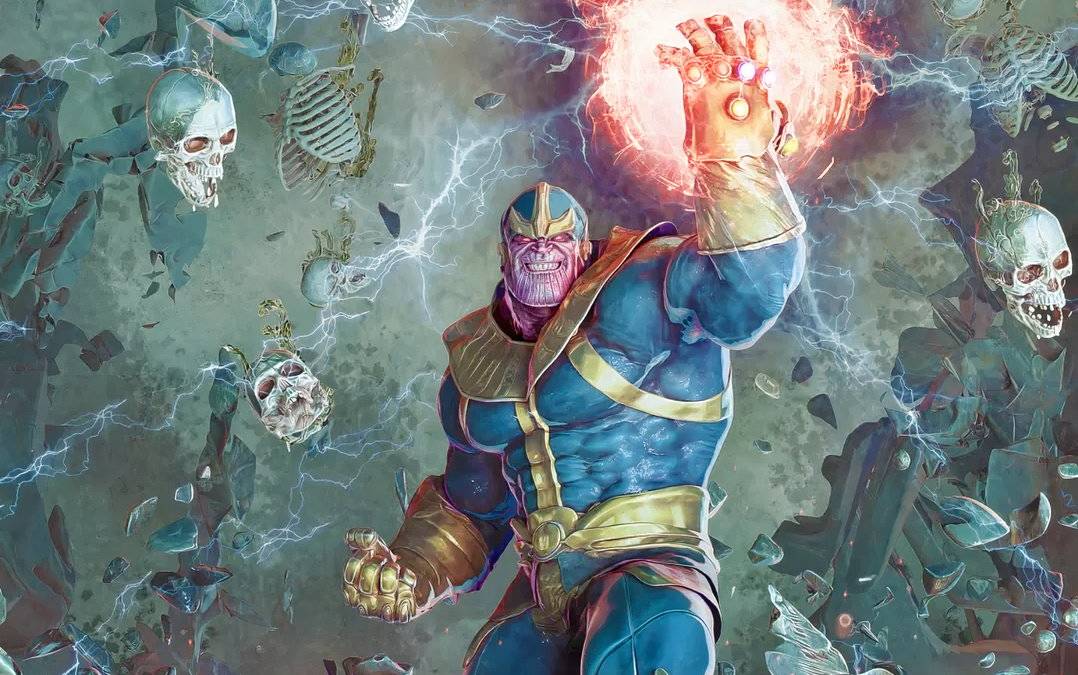
For me, the stakes were personal. With MagicCon: Amsterdam on the horizon, I needed to sharpen my Limited play for the upcoming Pro Tour qualifier. The Saturday win-a-box tournament presented the perfect, high-pressure environment to stress-test my understanding of the set’s mechanics. As I entered the venue, surrounded by life-sized statues of Thor, Mjolnir, and the indomitable Archangel—a character whose design remains a gold standard in Marvel’s stable after 35 years—the gravity of the event set in.
A Rocky Start: The Sealed Deck Dilemma
My initial expectations were modest, bordering on pessimistic. My early access experience on Magic Arena had been a series of demoralizing defeats, so much so that I abstained from writing my customary prerelease guide for Polygon. I felt I lacked the strategic clarity to advise others.
My Friday prerelease experience did little to bolster my confidence. I finished 3-1, but the victory felt hollow, largely attributed to favorable pairings rather than deck synergy. My black-red "Villains" archetype felt stagnant; it lacked the aggressive low-end creatures necessary for a tempo-based build and suffered from a glaring lack of late-game reach.

When I opened my pool on Saturday, irony struck: I was presented with the components for a black-red Villains deck once again. The deck felt inherently suboptimal, and my early rounds reflected this. After a loss and a tie, I found myself in a precarious position. However, game three brought a swift, decisive victory that afforded me a moment of clarity. I realized that clinging to a failing archetype was a strategic fallacy.
The Pivot: Embracing Tempo in Marvel Limited
The most vital takeaway from the event was the importance of flexibility. In the nascent stages of a new set’s life cycle, it is common to misjudge the power level of cards or the viability of specific archetypes. My observation of the Marvel Super Heroes format suggests a meta-game heavily slanted toward tempo.
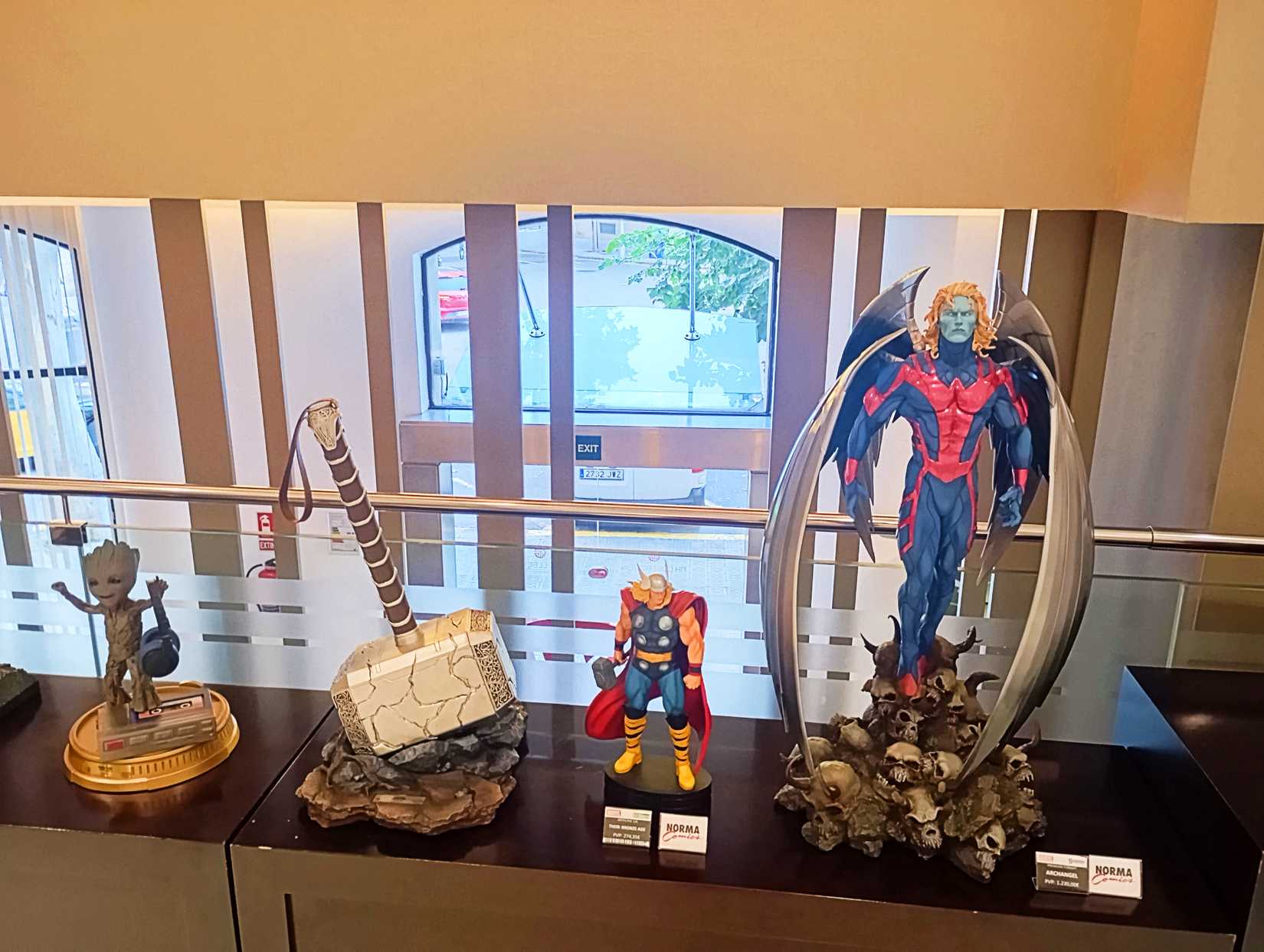
Victory here is rarely about long-term value; it is about board presence and efficient disruption. I returned to my card pool with a fresh perspective. I scrapped my rigid adherence to the initial build and leaned into a more aggressive, tempo-oriented strategy. The resulting deck, while unconventional—featuring risky plays like "Super Intelligence"—proved surprisingly resilient. By deploying early threats like Kid Loki and backing them up with high-utility spells, I managed to win three consecutive games, climbing from a 1-1-1 record to a 4-1-1 finish, effectively securing a spot in the Top 8.
The Draft Experience: The Perils of Tunnel Vision
Advancing to the Top 8 meant transitioning to a Draft format. My fatigue, after six hours of competitive play, began to cloud my decision-making. I opened a pack containing two high-power uncommons: Night Nurse, Healer of Heroes and Hulk, Gamma Goliath.
Driven by an impulsive "Hulk smash" mentality, I committed to a red-green build early, ignoring the fact that several players at the table were drafting green. This led to a suboptimal draft path where key cards were contested. I ended up with a functional red-green "Power-up" deck that lacked the critical mass of ramp cards I needed, such as Undercover Skrull.
However, the deck’s inclusion of card selection tools—namely Misty Knight, Hero for Hire, Jessica Jones, Private Eye, and Baxter Building—provided just enough glue to hold the archetype together. I managed to reach the finals by exploiting the color-starved strategies of my opponents, ultimately agreeing to a prize split with my opponent as the hour grew late.
Implications for Future Players
The weekend offered several pedagogical lessons for the Magic community:
- Avoid Strategic Tunnel Vision: Whether in Sealed or Draft, the ability to pivot is paramount. Being “married” to your initial picks often leads to forced archetypes that cannot compete in a wider field.
- Trust the Process (but Verify): While one loss shouldn’t trigger an immediate overhaul, stubbornness can be just as fatal. One friend, possessing a robust blue-green build, panicked after a single loss and pivoted to a weaker, multi-color mess, leading to an early exit.
- The Tempo Imperative: Current data from the Marvel Super Heroes Limited environment suggests that efficiency is king. Prioritize early-game board states and low-cost interaction.
Conclusion: A Surprising Success
While my skepticism toward the Universes Beyond line remains, the Marvel Super Heroes set proved to be a masterclass in mechanical integration. The design team at Wizards of the Coast has managed to capture the essence of these characters without sacrificing the integrity of the Magic engine.
As I left the tournament, cooling off with gelato in the streets of Barcelona, I had to concede: despite my initial misgivings, I had genuinely enjoyed the experience. The set is fun, challenging, and rewards those who are willing to adapt. Whether you are a die-hard Marvel fan or a seasoned Magic veteran, this set offers a unique tactical challenge that, against all expectations, hits the mark. The crossover may be unconventional, but in the hands of a skilled player, it is undeniably potent. Wizards of the Coast has, once again, managed to secure a victory in the complex game of balancing intellectual property with competitive design.

