

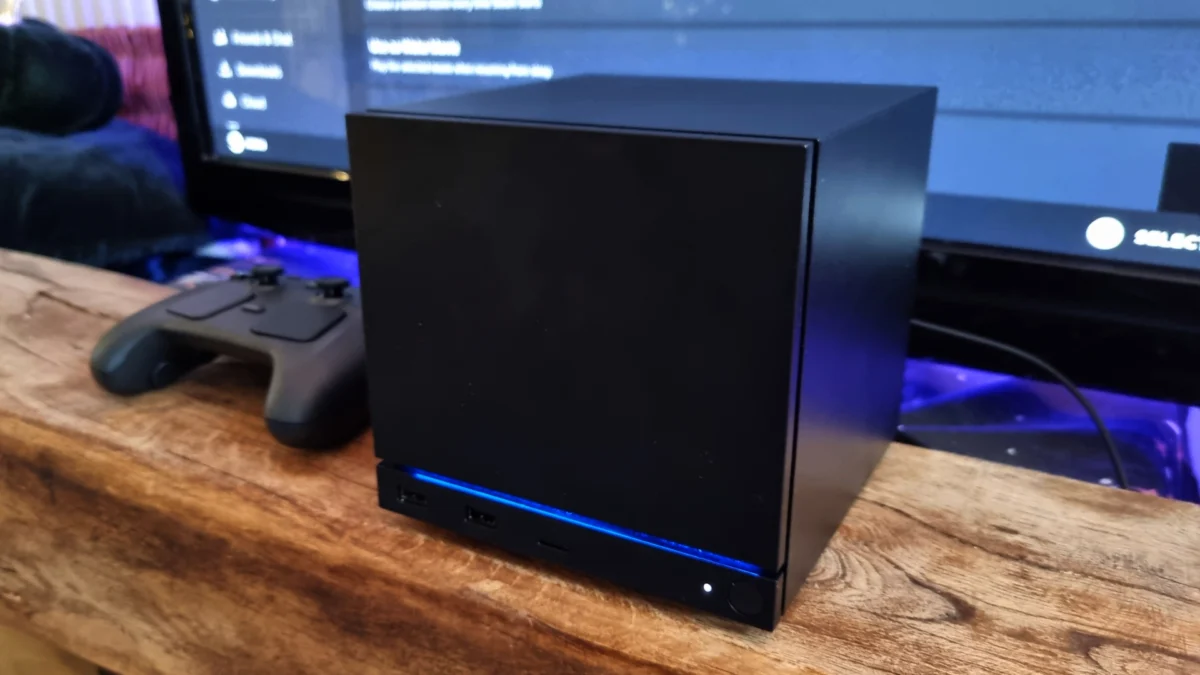
The long-awaited arrival of the Steam Machine has finally occurred, marking a pivotal moment in the trajectory of living-room gaming. As the hardware hits the market, the dust has settled on months of speculation regarding its pricing and strategic positioning. With our comprehensive review now live, the verdict is clear: Valve is entering the hardware space with a premium product, launching with a starting price of $1,049.
While the price point has drawn immediate scrutiny, Valve has been quick to address the underlying economic realities. The company acknowledges that the cost is significantly higher than initial internal projections, a shift largely attributed to the persistent, AI-driven supply chain crisis currently crippling the global computing components market. However, the most significant revelation is not the price itself, but the company’s staunch refusal to subsidize the hardware—a strategy that breaks entirely from the established "console wars" playbook.
A Chronology of the Steam Machine Project
To understand the significance of this launch, one must look at the timeline of Valve’s hardware ambitions.
- Initial Concept Phase: Valve first teased the concept of a living-room-centric PC experience over a decade ago. The vision was to bridge the gap between the modular freedom of the PC and the accessibility of a console.
- The Prototyping Era: Following several iterations and public testing phases, Valve moved toward SteamOS, a Linux-based operating system designed to untether PC gaming from the Windows ecosystem.
- The Hardware Crisis: As development matured, the global tech landscape shifted. The rapid acceleration of AI-driven computing led to unprecedented demand for GPUs and high-end processors, driving component prices to record highs.
- The Launch: Today, the Steam Machine finally reaches consumers. Unlike the "console-in-a-box" dream of yesteryear, it arrives as a high-end, enthusiast-grade PC, arriving at a time when the distinction between desktop and console gaming has never been more blurred.
The Philosophy of Open Systems
The core of the controversy lies in Valve’s ideological stance. Traditionally, manufacturers like Nintendo, Sony, and Microsoft have utilized the "razor and blade" business model. They sell consoles at a loss, recouping their margins through proprietary software sales, subscription services, and locked-in hardware ecosystems.
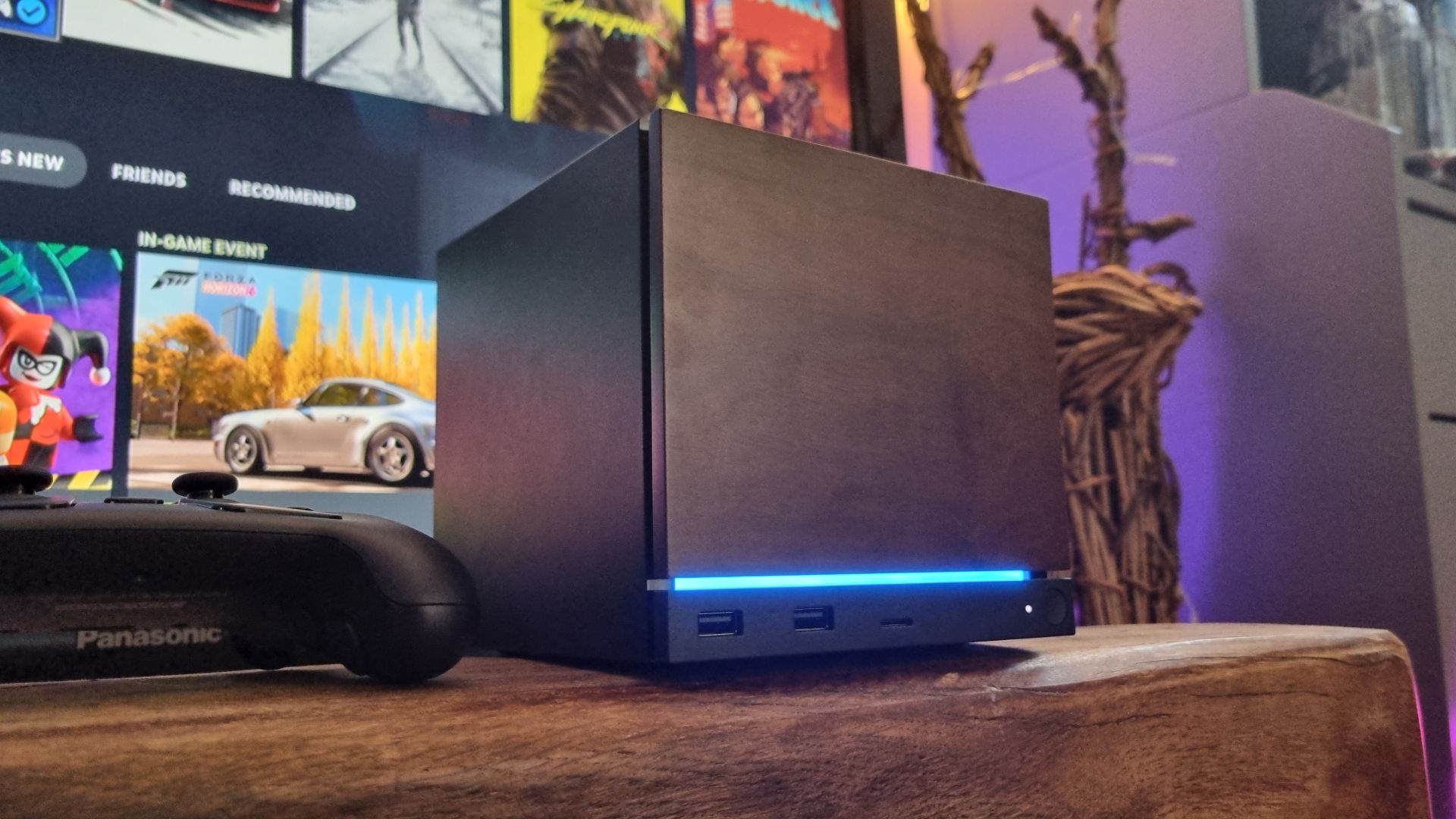
Valve’s refusal to follow this model is not merely a financial decision; it is a declaration of principles. In a statement provided to The Verge, the company noted that while subsidizing hardware might seem like a consumer-friendly "easy solution," it fails to align with their long-term vision for a healthy gaming ecosystem.
"If there’s anything we’re religious about at Valve, it’s our belief that open systems are better in the long run," a company spokesperson stated. "The openness of the PC ecosystem has enabled it to be the primary driver of innovation. Anyone with an idea for a way to do something better—whether it’s a new input method, a graphics engine, or an entire genre—has been able to take a shot at it without needing permission from a platform gatekeeper."
Supporting Data: The Cost of Competition
The contrast between Valve’s approach and the standard console model is stark. Consider the current landscape: Nintendo is reportedly under significant pressure to raise the price of the upcoming Switch 2, as the hardware is currently being produced at a loss. Nintendo must rely on exclusive software—games that cannot be played on any other platform—to force consumers into their walled garden, thereby ensuring the profitability of the hardware.
Valve, however, is positioning the Steam Machine as a non-exclusive device. The company argues that when corporations sell hardware under cost, they do so specifically to build a "closed system." In these environments, the consumer loses the agency to choose their preferred software, storefront, or configuration. Valve’s argument is that the PC should remain a landscape where the hardware is a tool, not a shackle.
The Implications for the Industry
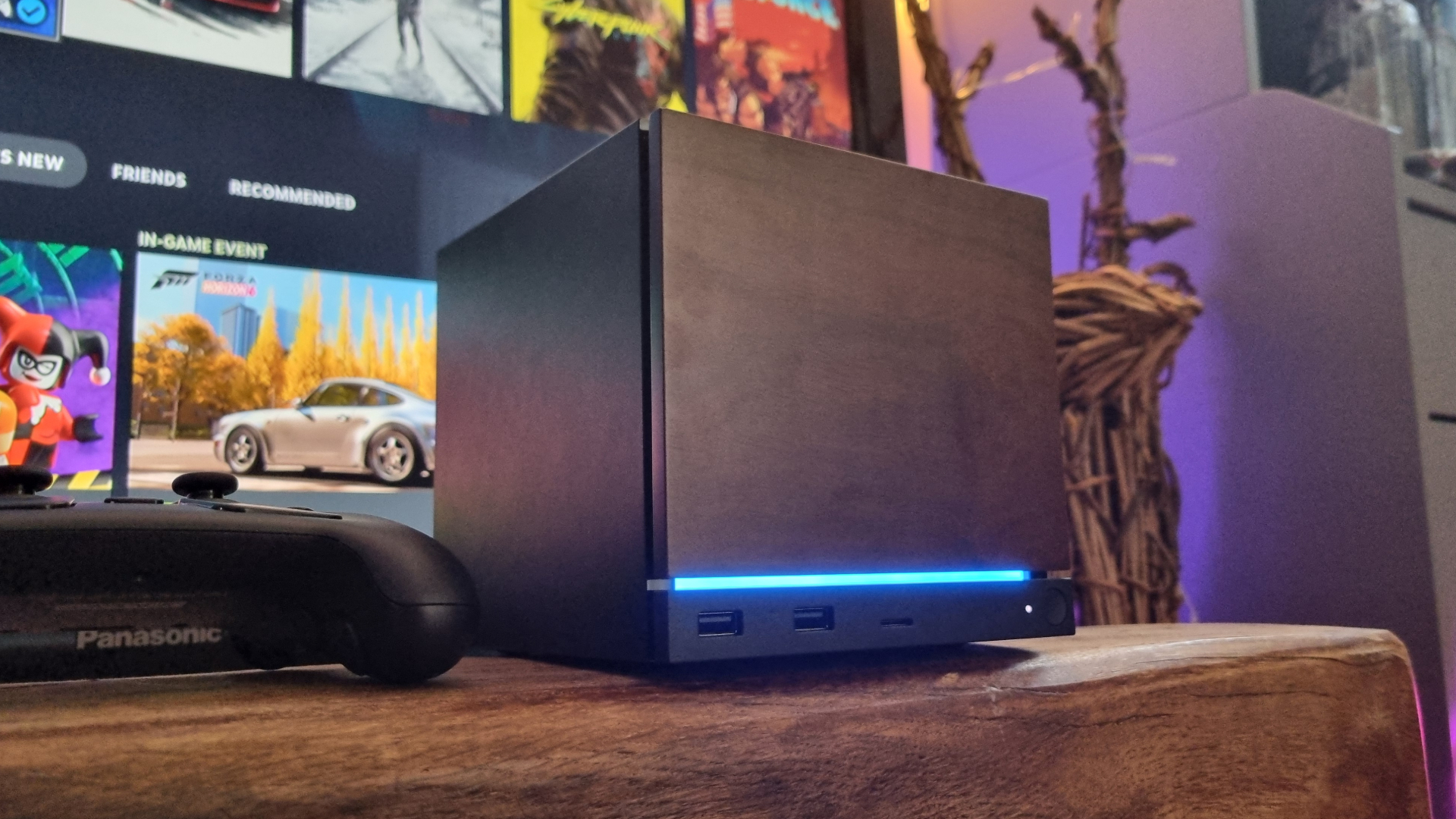
This philosophy carries heavy implications for the future of the gaming industry. By rejecting the subsidized console model, Valve is effectively telling the consumer that they are not "buying into" a service, but rather purchasing a high-performance computer.
However, this "libertarian benevolence" is not without its critics. While Valve champions the open market, it simultaneously operates the dominant digital distribution platform for PC gaming. The company maintains a 30% commission on all game sales—a figure that remains the subject of intense debate among independent developers and publishers.
The Monopoly Dilemma
Industry analysts point out that while Valve claims to be a champion of openness, it effectively holds a monopoly over PC distribution. If a developer wants their game to be successful, they are almost forced to sell on Steam. Losing 30% of their revenue to platform fees creates a massive financial burden that smaller studios often struggle to survive. If Valve were to lower this commission, the economics of game development would shift dramatically, potentially allowing for a wider, more diverse selection of titles.
By refusing to subsidize the Steam Machine, Valve avoids the "walled garden" trap, but the ecosystem remains arguably tilted in their favor through their software store dominance.
Is the Steam Machine a "Console"?
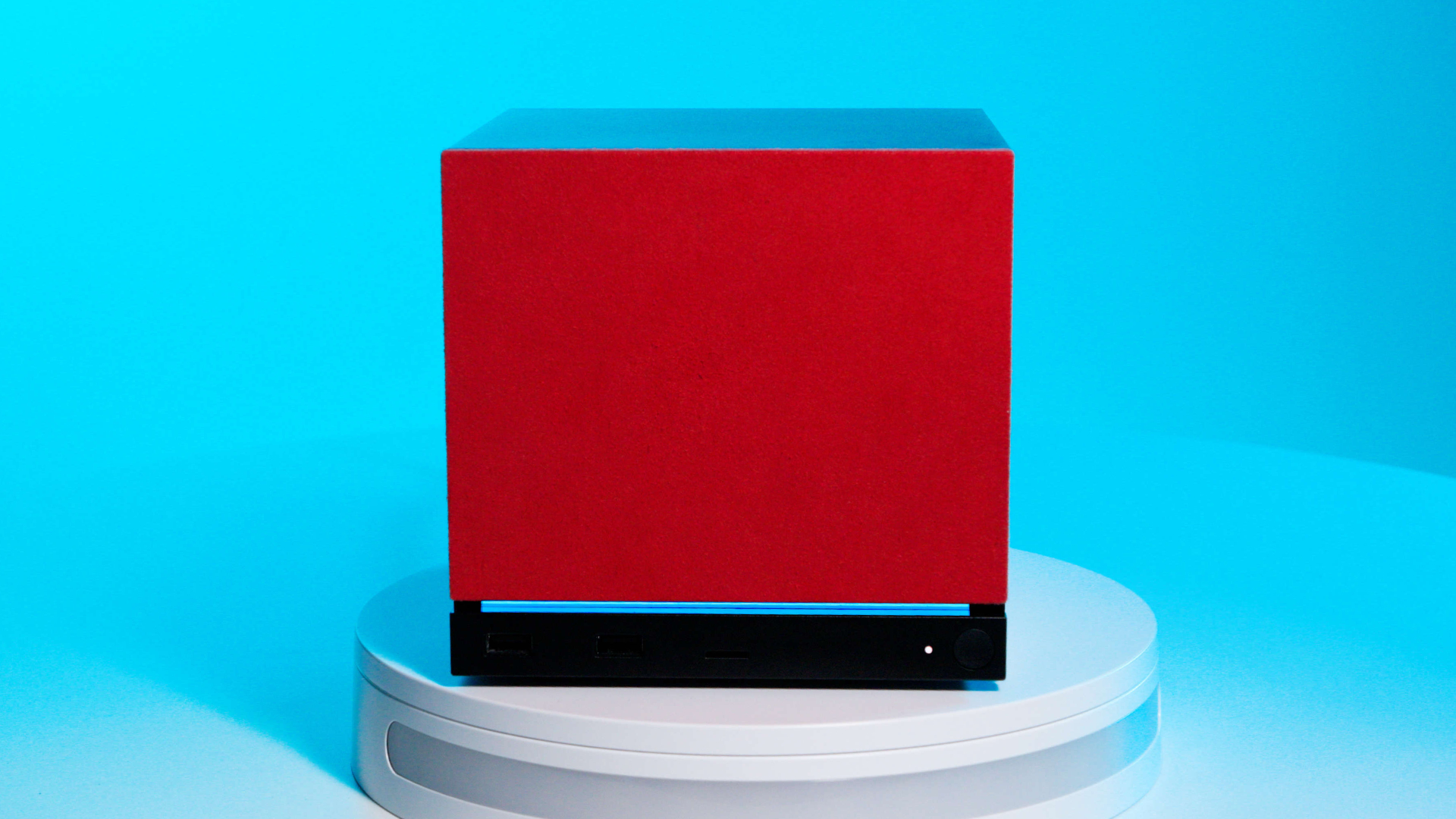
Valve has gone to great lengths to avoid the term "console" in their marketing materials. They argue that the word itself implies a closed-off, restrictive ecosystem—the very thing they claim to be fighting against.
In their official news post, Valve emphasized that the PC gaming space has thrived for decades specifically because of its lack of gatekeepers. "The traditional console model is to sell hardware at a loss and make up the revenue with subscription services or by selling games that are locked-in to the hardware," the post reads. "We think this can make sense for a single business in the short term, but that open ecosystems are better for customers over the long term."
A Critical Lens
While we should appreciate Valve’s dedication to open standards—a commitment evidenced by their massive contributions to Linux gaming and the open-source drivers powering the Steam Deck—it is essential to maintain a healthy level of skepticism.
When a company frames a $1,049 price tag as a virtuous stand for "consumer freedom," it is worth examining the bottom line. Is the refusal to subsidize the hardware truly about protecting the consumer, or is it a way to ensure that Valve’s hardware division remains profitable without requiring the massive capital injection usually reserved for console launches?
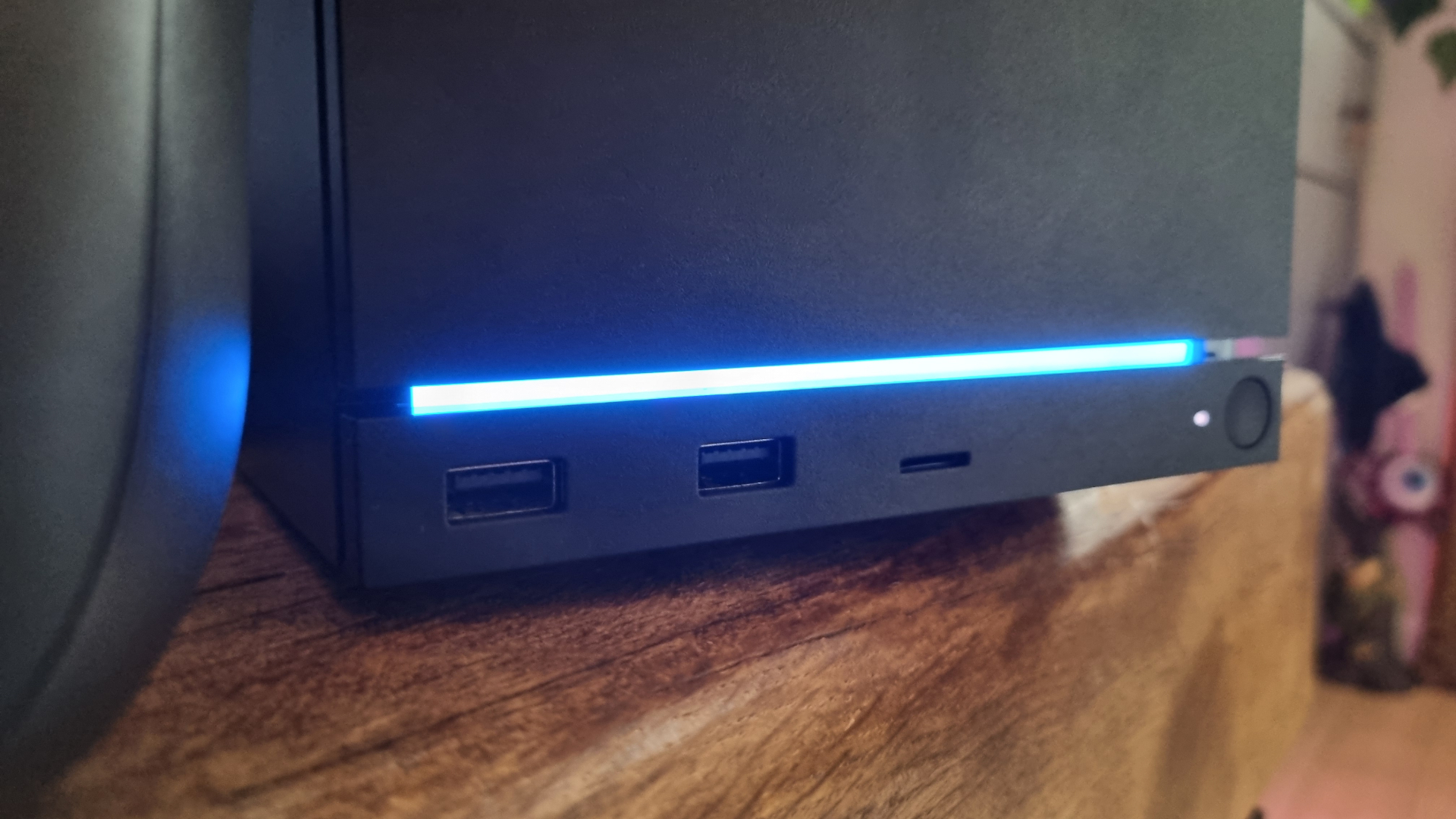
The Steam Machine is a bold, high-end, and uncompromising piece of hardware. It represents the pinnacle of what a pre-built PC can look like in the modern age. But whether it will succeed as a "third way" between the console and the desktop remains to be seen. If the history of the PC ecosystem is any indication, the market will eventually decide if this level of transparency—and this level of entry cost—is what the average gamer truly wants.
For now, the Steam Machine stands as a litmus test for the gaming public. It asks a simple, yet profound question: Are you willing to pay the full price for hardware if it means you aren’t being sold into a digital prison? As the market digests this launch, that question will continue to resonate through the halls of every major gaming corporation.

