

Every Monday morning, a ritual unfolds for thousands of dedicated PC gamers and industry observers: the exploration of Steam’s “New Releases” feed. For years, this was a treasure hunt. Beneath the polished veneer of AAA blockbusters and heavily marketed indie darlings lay a wild, uncurated frontier. It was a space where you might stumble upon experimental avant-garde art games, bizarre passion projects, or niche genre-benders that defied conventional logic.
However, in 2026, the experience of browsing Steam’s unfiltered catalog has shifted from a curiosity-driven treasure hunt into a wearying slog. The platform, once a bastion of discovery, is increasingly suffocated by a tidal wave of low-effort, AI-generated "slop" that threatens to obscure the genuine creative labor of independent developers.

The Aesthetic of the Algorithm
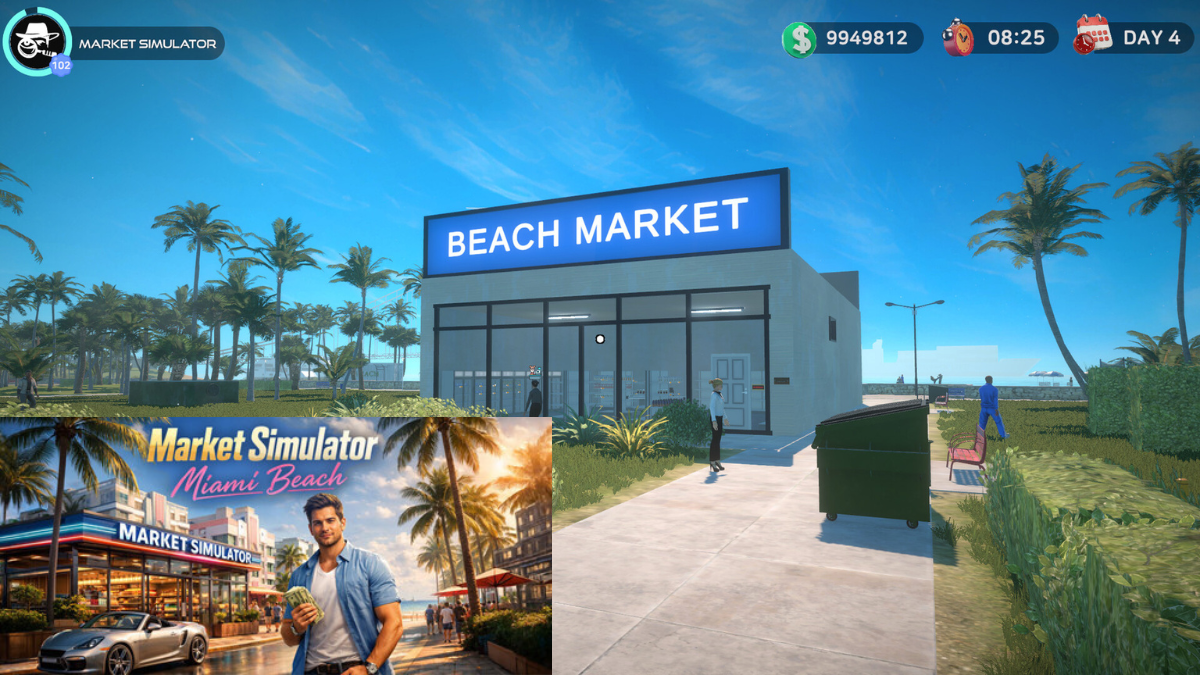
The hallmark of this modern digital debris is the tell-tale "uncanny sheen." As noted in recent analysis, a significant percentage of new weekly releases now carry mandatory AI disclosures. These titles are rarely subtle. Their capsule art—the digital storefront’s primary hook—often betrays a synthetic origin: the smooth, glossy textures, the bizarre anatomical inconsistencies, and that unmistakable, generic aesthetic that mimics professional concept art while lacking any discernible soul.
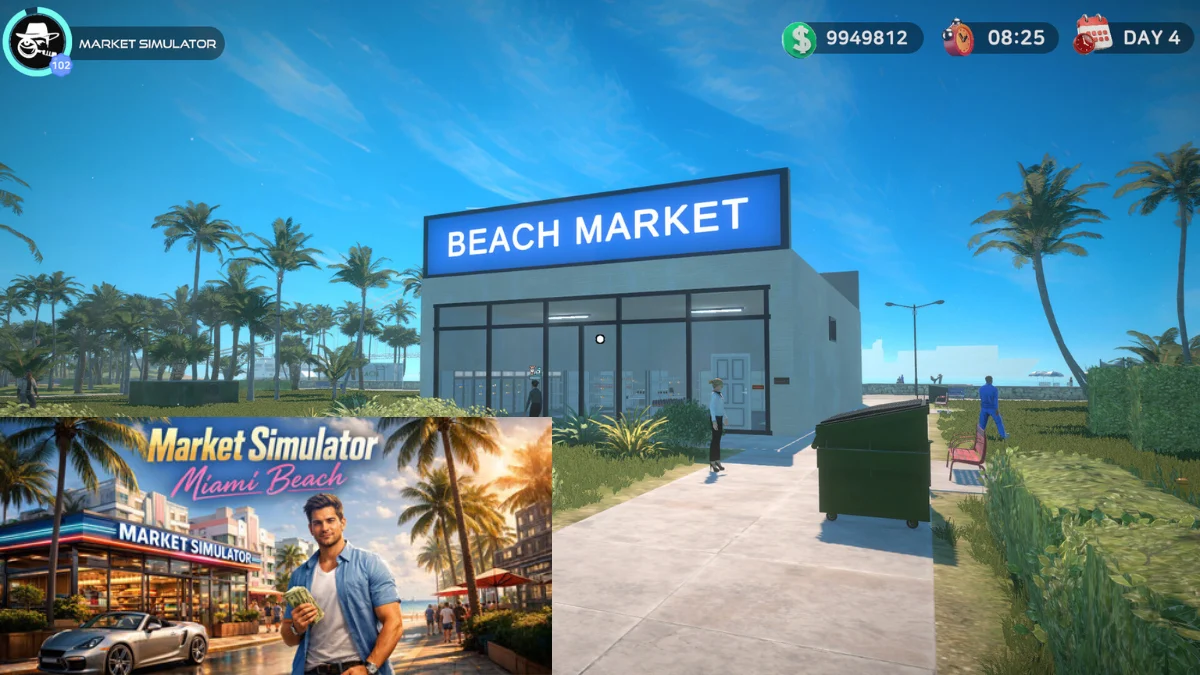
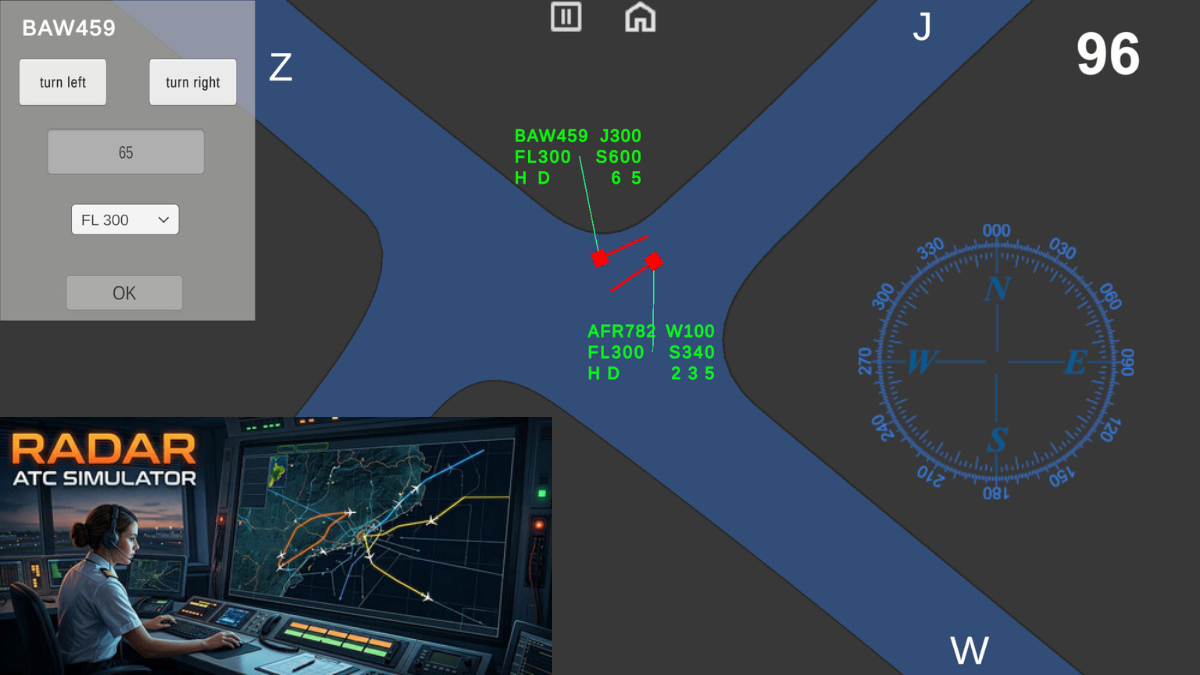
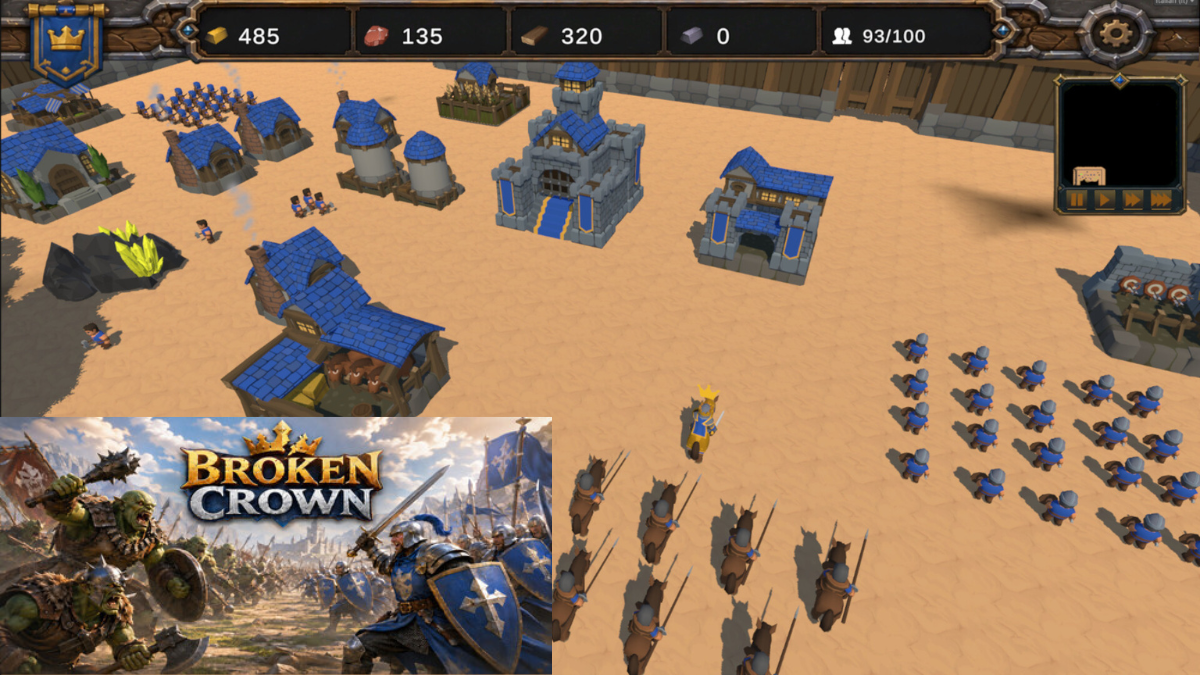
Titles like Store Simulator Pettikkada and Chiggas – Survival of the Mitiest serve as quintessential examples. At a glance, their store thumbnails suggest a certain level of graphical fidelity—perhaps a gritty urban realism or a vibrant, Pixar-esque charm. Yet, the moment a user clicks through to the actual store page, the deception is laid bare. The in-game screenshots reveal a jarring, often laughable, disconnect from the promotional art.

Historically, video game box art has always been a form of "gilding the lily." Atari 2600 cartridges famously featured elaborate, hand-painted illustrations that bore little resemblance to the blocky, flickering sprites on the screen. However, there is a fundamental difference between a marketing choice and a procedural void. AI-generated capsule art is not designed to convey the specific "spirit" of a game; it is designed to fill space and manipulate the eyes of the consumer, serving as a placeholder for quality that does not exist.
A Chronology of the "Slop" Wave
The acceleration of this trend has been palpable over the last 18 months.
- Late 2024: The first wave of generative tools became accessible to the general public, leading to an influx of basic asset flips that utilized AI for simple texture generation and rudimentary dialogue.
- Early 2025: Developers began automating the creation of store assets. By bypassing the need for human illustrators, studios could push multiple titles to the Steam store in a single week.
- Mid 2025: The "Simulator" boom hit its peak. Thousands of derivative titles flooded the market, characterized by reused assets and AI-generated marketing materials, often designed solely to capture search traffic for trending keywords like "Simulator," "Survival," or "Anime."
- 2026 (Current): We are now seeing the normalization of this practice. AI-generated "churn" has become a background radiation of the Steam store, making it exponentially harder for legitimate indie projects to find an audience.
Data Analysis: The Volume of the Void
The scale of this issue is quantifiable. In recent weeks, internal monitoring of Steam’s output has revealed that over one-third of all new weekly releases contain explicit AI disclosures. When you factor in titles that fail to disclose or those that use AI for "hidden" assets like code and sound design, the percentage of "synthetic" content is likely much higher.
The financial data further illustrates the stratification of the store. While massive, established titles and breakout hits like Meccha Chameleon—which saw a staggering 7 million units sold since June 10—command the top of the revenue charts, the "long tail" of the store is dying. For every success story, there are hundreds of games that launch to zero sales, zero reviews, and zero engagement, existing only as noise in the digital ether.
The Impotence of Discovery
The most profound implication of this trend is the erosion of the "Steam experience." Valve’s discovery algorithms have always been a double-edged sword; they excel at showing you more of what you already like, but they are notoriously bad at facilitating the kind of serendipitous discovery that happens when you browse a list of new releases manually.
When the new releases list is populated by hundreds of clones of Total Simp Death or generic, low-effort simulators, the "discovery" process becomes a filter-out-the-trash process. It is no longer about finding a gem; it is about avoiding the mines. This creates a "chilling effect" where users stop looking for new, experimental, or obscure indie titles altogether, defaulting instead to the safe, algorithmic recommendations provided on the storefront’s front page.
The human cost of this is significant. Independent developers who spend years crafting unique, hand-made experiences are now competing for visibility against automated scripts that can flood the store with a new "game" every 48 hours.
Official Silence and the Path Forward
To date, Valve has maintained a hands-off approach to the quality of the content on its storefront. While they have implemented disclosure requirements for AI-generated content, they have largely avoided taking a stance on the "quality" or "value" of the software itself, adhering to their long-standing philosophy that the market should dictate the success of a product.

However, the pressure is mounting. As the store becomes increasingly cluttered, the "usability" of Steam as a platform is being compromised. Experts suggest several potential paths forward:
- Algorithmic Filtering: Valve could implement more robust "quality filters" that bury titles based on negative review sentiment, refund rates, and asset-flipping indicators.
- AI-Specific Browsing Modes: Giving users the ability to toggle off games that rely heavily on generative assets could clean up the feed for those who prefer human-made art.
- Stricter Storefront Moderation: While an unpopular move for a company that prides itself on openness, some form of manual review for high-volume, low-effort publishers may eventually become a necessity to prevent the complete degradation of the user experience.
The Future of Independent Gaming
The question remains: will we ever be able to reliably filter out the churn? It is difficult to believe that Valve’s engineers in Bellevue haven’t noticed the decline in the visual and functional quality of their storefront. The current trajectory is unsustainable. If the Steam store continues to prioritize volume over quality, it risks alienating the very community that turned it into a global powerhouse.

In 2026, your next favorite game is out there, somewhere in the depths of the store. But right now, it is buried beneath an ocean of "slop"—a term coined by users to describe the soulless, automated garbage that currently dominates the new release feed. Whether that game remains "eternally ignored" or finds its audience depends on whether Valve decides to act as a curator, or continues to let the algorithm—and the machines—run the store into the ground.
The era of the "Steam deep cut" is not necessarily over, but it is certainly endangered. As players, our responsibility is to continue digging, to support genuine developers, and to demand that the platforms we use to access our media respect the time and curiosity we invest in them. Until then, we must navigate the noise, careful not to let the synthetic flood drown out the art that makes gaming worth our time.

