

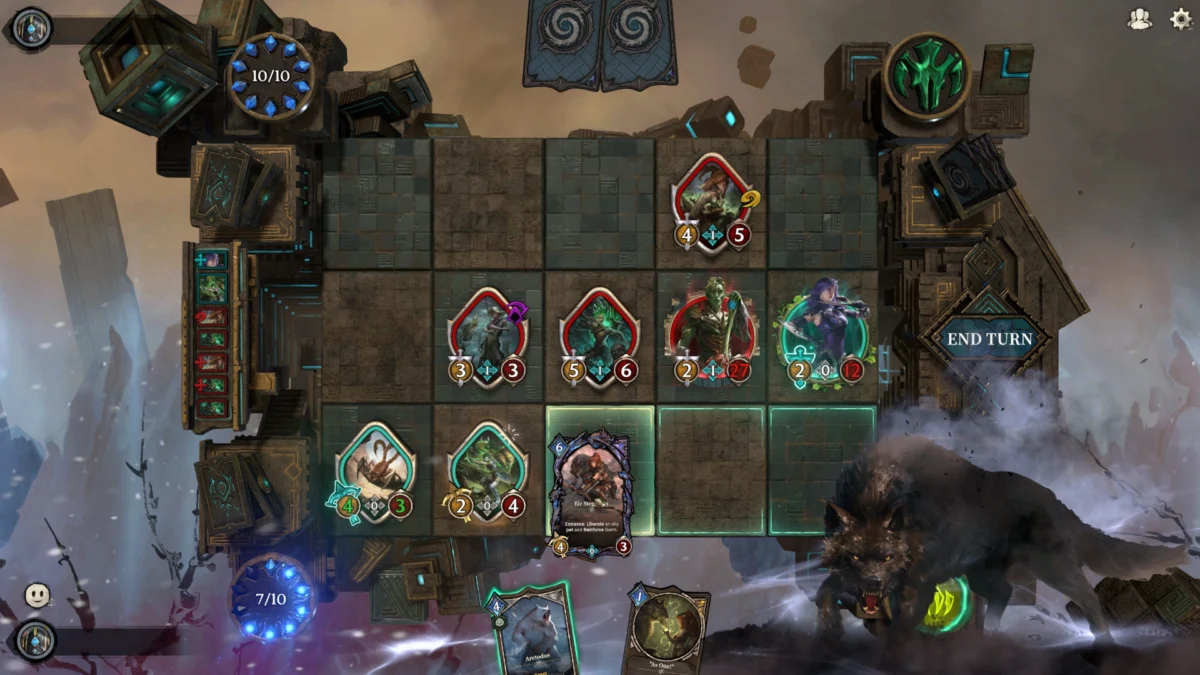
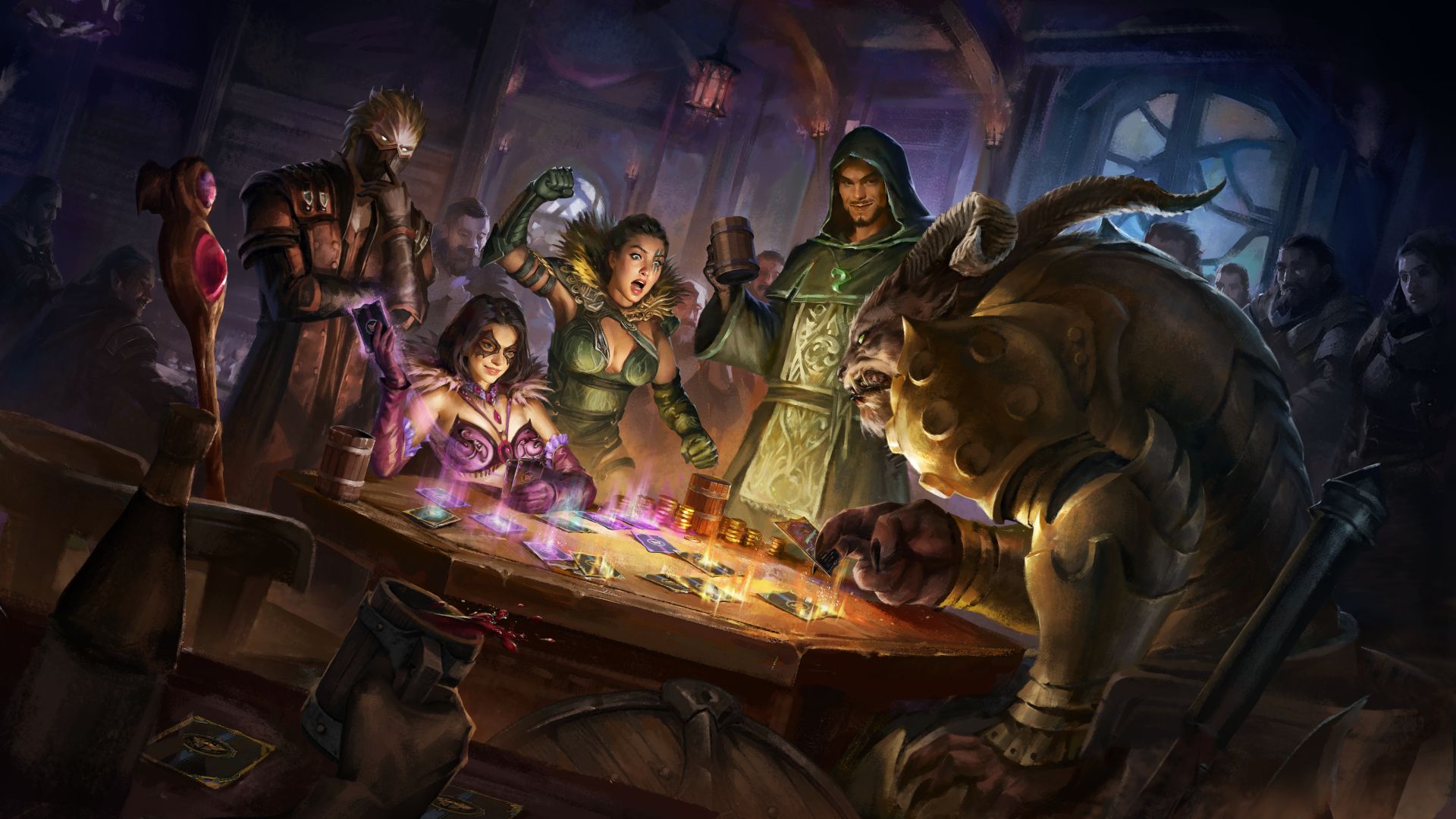
The storied landscape of Tyria is expanding once again, but this time, the journey is taking an unexpected turn. Following the high-profile announcement of Guild Wars 3 earlier this month, developer ArenaNet and its parent company, NCSoft, have unveiled a bold new project that seeks to bridge the gap between traditional massively multiplayer online role-playing games (MMORPGs) and the competitive world of digital collectible card games (CCGs). Titled Mistbound, this standalone title promises to bring the rich lore, iconic character roster, and strategic depth of the Guild Wars universe into a fresh, tactical arena.
A New Frontier for Tyria
The Guild Wars franchise has long been defined by its emphasis on player agency, build diversity, and persistent world-building. For nearly two decades, the series has dominated the MMO space with its unique approach to combat and progression. However, the revelation of Mistbound signals a shift in strategy. By venturing into the CCG genre, ArenaNet is not merely creating a spin-off; they are attempting to codify the "card game roots" that have arguably informed the design of the franchise since its inception.
"We felt it was time to give Guild Wars fans a new way to play together, inspired by the card game roots of the franchise," said ArenaNet studio head Colin Johanson. "We wanted to create a space where they could compete in a high-stakes PvP environment, bringing all those beloved characters, creatures, and the distinctive sounds of Tyria to life in a new medium."
The Genesis of the Concept: A Chronology of Innovation
To understand Mistbound, one must first look at the design philosophy of the original Guild Wars. Launched in 2005, the game was famously inspired by the complex deck-building mechanics of Magic: The Gathering. Unlike many of its contemporaries, which relied on rigid class-based progression, Guild Wars allowed players to combine primary and secondary professions, resulting in thousands of potential skill combinations.
- 2005: Guild Wars Prophecies introduces a combat system heavily influenced by tactical card-based synergies.
- 2012: The release of Guild Wars 2 shifts the focus toward dynamic action combat, yet maintains the "skill bar" limitation that forces players to curate their loadouts like a hand of cards.
- 2024 (Early): Rumors of Guild Wars 3 gain traction, signaling a resurgence in the franchise’s visibility.
- 2024 (Late): The official announcement of Mistbound confirms that ArenaNet is diversifying its portfolio, with a development timeline that suggests a multi-year gestation period involving a collaboration with the Chinese digital media giant, Bilibili.
Gameplay Mechanics: The "Dynamic Movement" Paradigm
The most significant differentiator between Mistbound and established market leaders like Hearthstone or Magic: The Gathering Arena is its spatial awareness. While most CCGs operate on a static board, Mistbound utilizes a 5×3 tactical grid.
This system, referred to by developers as "dynamic movement gameplay," transforms the battlefield from a passive backdrop into an active component of the strategy. Units and legendary commanders are deployed as cards, but their positioning is not permanent. Players can reposition their forces turn-by-turn to exploit enemy vulnerabilities, execute flanking maneuvers, or pull opponents out of favorable positions.
Mistbound producer Hwang Sunwoo explains that this design choice was born out of a desire to reduce the "mental fatigue" associated with high-complexity card games. "One challenge with pursuing deep strategic combinations in card games is that the cards themselves can easily become overly complex," says Sunwoo. "Rather than placing that complexity on individual cards, we wanted to express it through the battlefield. By allowing units to move, we create a layer of tactical depth that is intuitive, visual, and reactive."
Bridging the Gap: The Role of Bilibili and Community Input
A particularly intriguing aspect of Mistbound is its development structure. The involvement of Bilibili—a massive platform often described as the Chinese equivalent of YouTube—suggests a focus on community-led development and esports viability. The project is reportedly being guided by "direct, high-quality player input," indicating that the developers are looking to build a feedback loop that extends well beyond the standard closed-beta testing model.
This collaborative approach likely aims to solve the "esport sustainability" problem that has plagued many CCGs. By building a game that is inherently watchable—where unit positioning and movement provide a clear narrative for spectators—ArenaNet and Bilibili are clearly positioning Mistbound to be a long-term fixture in competitive gaming.
Implications for the Future of Guild Wars
The announcement of Mistbound arrives at a pivotal time for NCSoft and ArenaNet. With Guild Wars 3 already in the public consciousness, the studio is clearly aiming to revitalize the IP as a multi-platform, multi-genre ecosystem.
1. Brand Dilution vs. Brand Expansion
There is always a risk that moving into spin-off titles could dilute the core identity of the flagship MMO. However, by focusing on the tactical roots of the original game, Mistbound serves as a thematic companion rather than a replacement. It appeals to the subset of the Guild Wars community that values theory-crafting and high-level PvP, potentially acting as a funnel to keep players engaged during lulls in the main MMO content cycles.
2. Market Positioning
The CCG market is notoriously saturated. To succeed, Mistbound cannot rely on the Guild Wars name alone. It must offer a mechanical hook that differentiates it from the established giants. The 5×3 tactical grid is a bold differentiator, effectively moving the game closer to a hybrid of Fire Emblem and Magic: The Gathering. Whether this unique selling point is enough to draw players away from entrenched ecosystems remains to be seen.
3. Financial and Technical Longevity
With an expected release window likely stretching into 2027, Mistbound represents a significant long-term investment. By utilizing established assets—including voice talent and musical compositions from the original games—the studio is effectively maximizing the value of their existing intellectual property while minimizing the overhead of creating a completely new world from scratch.
Conclusion: A Gamble on Tactical Depth
As the digital landscape continues to evolve, the boundaries between genres are becoming increasingly porous. Mistbound represents a strategic pivot for ArenaNet, one that acknowledges the changing habits of modern gamers who crave shorter, high-intensity competitive sessions alongside their deep, long-form MMO experiences.
If the developers can successfully balance the complexity of their tactical grid with the accessibility expected of a modern card game, Mistbound may well become more than just a spin-off. It could redefine the Guild Wars brand, proving that the heart of Tyria lies not just in the size of its world, but in the tactical ingenuity of its players. For now, fans must wait, but the promise of a truly dynamic card-based combat experience is a compelling enough hook to keep the gaming world watching closely.

